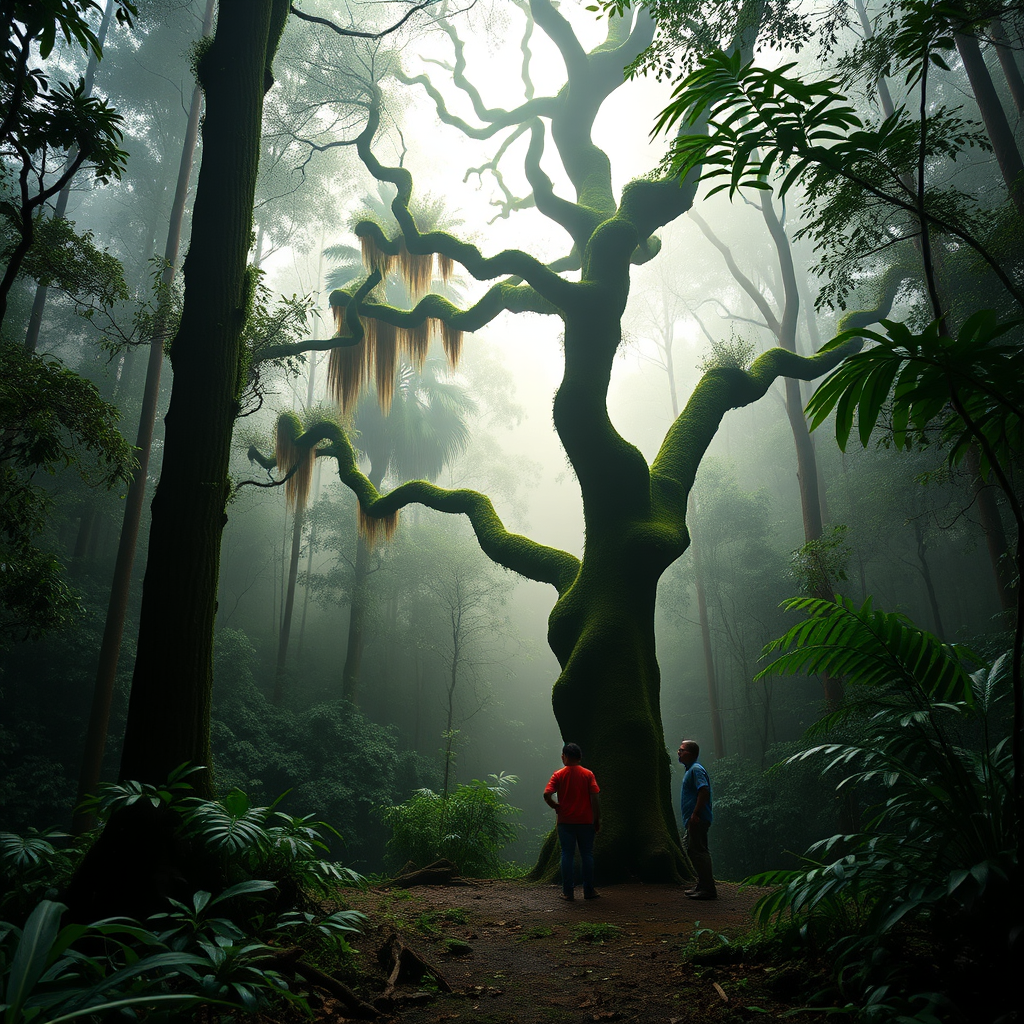
A Sanctuary Reclaimed from the Shadows of Industry
Deep within the rugged heart of Tasmania lies Takayna, a sprawling expanse of temperate rainforest that has long served as a battleground between conservationists and industrial interests. For decades, the rhythmic thrum of chainsaws and the heavy tread of logging machinery threatened to silence the ancient whispers of trees that have stood since the dawn of time. Today, however, the narrative is shifting as the deep emerald greens of the forest canopy begin to reclaim the spaces once scarred by muted industrial greys. This victory is not merely a local triumph but a global testament to the enduring power of nature when humanity chooses preservation over extraction. As we witness the cessation of destructive practices, we are reminded that the war against the wilderness is a conflict that can only ever result in a pyrrhic victory for mankind.
The Living Cathedral of the Tarkine
Takayna, also known as the Tarkine, represents one of the last great wilderness areas on the planet, housing a biodiversity that is as fragile as it is magnificent. The forest floor is a tapestry of mosses, ferns, and fungi that have evolved in isolation, creating a unique ecosystem that acts as a critical carbon sink for our warming world. When we speak of ancient forests, we are referring to living archives that hold the genetic history of our planet within their rings and root systems. The preservation of this region is essential for maintaining the ecological balance of the Southern Hemisphere, providing a sanctuary for endangered species like the Tasmanian devil and the wedge-tailed eagle. By protecting these lands, we are effectively safeguarding the lungs of the Earth against the encroaching threats of climate change and habitat fragmentation.
The transition from industrial exploitation to conservation has been a long and arduous journey marked by decades of grassroots activism and legal challenges. For years, the landscape was dominated by the stark, monochromatic palette of clear-felled sites, where the vibrant life of the forest was replaced by the cold, sterile reality of timber production. This industrial grey, once a symbol of economic progress, is now increasingly viewed as a relic of a short-sighted era that failed to account for the intrinsic value of untouched nature. The shift in public consciousness has forced policymakers to reconsider the long-term viability of logging in areas of high conservation value. As the machinery falls silent, the forest is beginning the slow, deliberate process of healing, proving that nature possesses an incredible capacity for regeneration when given the space to breathe.
The Cost of Extraction and the Value of Silence
The economic arguments for logging in Takayna have historically relied on the promise of jobs and regional development, yet these benefits often come at a staggering environmental cost. When we strip away the canopy, we lose more than just timber; we lose the complex hydrological cycles and soil stability that these forests provide to the surrounding regions. The environmental impact of industrial logging extends far beyond the immediate site, affecting water quality in local rivers and disrupting the migratory patterns of native wildlife. It is a sobering reality that the short-term gains of the timber industry are dwarfed by the long-term ecological services provided by a healthy, intact rainforest. We must ask ourselves whether the temporary wealth generated by extraction is worth the permanent loss of a heritage that belongs to all of humanity.
Furthermore, the cultural significance of Takayna cannot be overstated, as it holds deep spiritual and historical importance for the Aboriginal people of Tasmania. The landscape is dotted with archaeological sites that tell the story of thousands of years of human habitation, a history that is often erased by the heavy footprint of industrial activity. By ending the war against the wilderness, we are also honoring the custodians who have protected these lands for generations. The movement to protect the Tarkine is as much about social justice as it is about environmental conservation, highlighting the need for a more inclusive approach to land management. As we move forward, it is imperative that we integrate traditional ecological knowledge with modern science to ensure the long-term survival of these sacred spaces. You can learn more about the cultural heritage of this region through the Tasmanian Aboriginal Heritage resources.
A Paradigm Shift in Conservation Strategy
The recent victories in Takayna are a direct result of a strategic shift in how conservationists approach the protection of public lands. Rather than relying solely on government intervention, the movement has leveraged the power of global awareness and digital advocacy to hold corporations and politicians accountable. This grassroots activism has successfully reframed the debate, moving it away from a binary choice between jobs and trees toward a more nuanced discussion about sustainable futures. By highlighting the aesthetic and spiritual value of the forest, advocates have tapped into a universal desire for connection with the natural world. This emotional resonance is a powerful tool, capable of mobilizing thousands of people to stand in solidarity with the trees and the creatures that call them home.
The role of international recognition has also been pivotal in securing the future of the Tarkine, as global pressure often forces local governments to reconsider their environmental policies. When the world watches, the cost of environmental destruction becomes too high for even the most entrenched industrial interests to ignore. This global scrutiny has helped to elevate the status of Takayna from a local logging concern to an international cause celebre, attracting support from scientists, artists, and environmentalists across the globe. The success of this approach serves as a blueprint for other conservation movements worldwide, demonstrating that persistent, organized, and vocal opposition can indeed change the course of history. For those interested in the broader implications of forest protection, the World Wildlife Fund provides extensive data on the importance of global forest conservation.
The Future of the Emerald Wilderness
Looking ahead, the challenge lies in ensuring that the victory in Takayna is not just a temporary reprieve but a permanent shift in how we interact with our natural environment. We must advocate for policies that prioritize the restoration of degraded landscapes, turning the grey scars of the past into thriving corridors of biodiversity. This sustainable development model requires a fundamental rethinking of our economic systems, moving away from the extraction-based growth that has defined the last century. By investing in ecotourism, research, and carbon sequestration projects, we can create a new economy that thrives on the health of the forest rather than its destruction. The transition will not be easy, but it is a necessary step toward a future where humanity and nature exist in a state of mutual flourishing.
Education plays a critical role in this transition, as we must foster a new generation of stewards who understand the intricate connections between their own well-being and the health of the planet. By bringing the story of Takayna into classrooms and public discourse, we can inspire a sense of wonder and responsibility that transcends borders and generations. The wilderness preservation movement is ultimately a fight for the soul of our species, a test of whether we can transcend our baser instincts to consume and instead embrace our role as protectors of the Earth. As the emerald canopy continues to expand, it serves as a living monument to the power of collective action and the enduring resilience of the natural world. We must remain vigilant, for the war against the wilderness is never truly over, but for now, the forest is winning.
Final Thoughts
The story of Takayna is a powerful reminder that the choices we make today will echo through the centuries, determining the kind of world we leave for those who follow. By choosing to end the war against our ancient forests, we are choosing life, diversity, and a future where the beauty of the wild is not just a memory but a living reality. Let us carry the lessons of the Tarkine forward, using them as a beacon of hope in our ongoing efforts to protect the remaining wild places on our planet. The emerald green of the forest is a color of renewal, a vibrant signal that even after the darkest industrial winters, the spring of restoration can always return. We must continue to stand as guardians of the wild, ensuring that the silence of the forest is filled only with the sounds of life, wind, and water, forever free from the machinery of destruction.