The Fragile Harmony of Our Shared Ecosystems
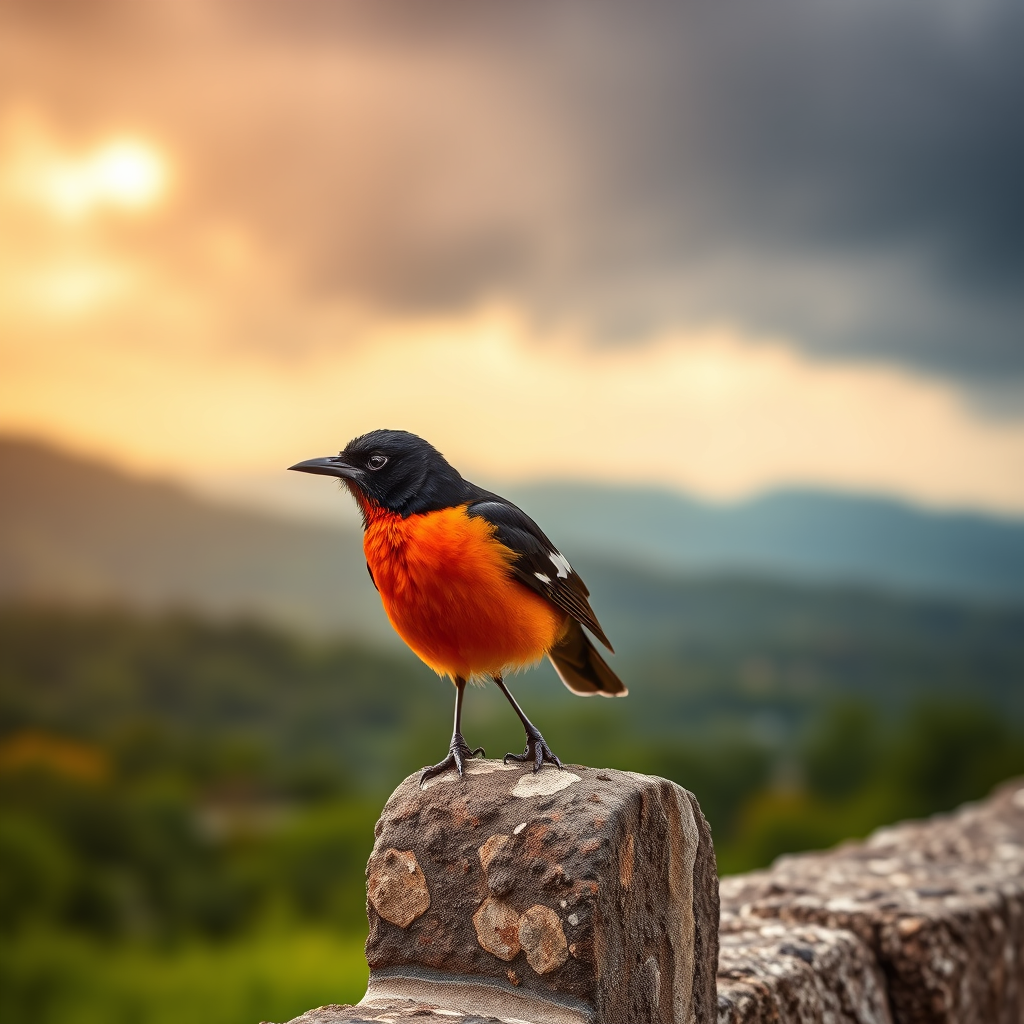
The natural world exists in a state of perpetual, delicate balance, yet today that equilibrium is fracturing under the weight of human expansion and industrial indifference. When we observe the brilliant, fiery plumage of an oriole darting through a canopy, the vibrant orange serves as a stark, almost jarring contrast against the muted, dusty browns of a landscape struggling to sustain life. This visual dissonance is not merely an aesthetic curiosity; it is a profound metaphor for the tension between our desire to preserve cultural heritage and the violent, encroaching environmental threats that jeopardize biodiversity. As borders shift and climates destabilize, the survival of countless species depends on our ability to recognize that nature does not acknowledge the political lines we draw on maps. We are currently witnessing a period of rapid decline that demands a global, unified response to ensure that the colors of our wild spaces do not fade into a monochromatic memory.
The Anatomy of Ecological Crisis
The current rate of species extinction is estimated to be hundreds of times higher than the natural background rate, a phenomenon driven largely by habitat destruction and the fragmentation of migratory corridors. When we look at the plight of the oriole, we see a creature that relies on specific, interconnected ecosystems that span thousands of miles, making it uniquely vulnerable to localized environmental degradation. The loss of a single nesting site in one country can have cascading effects on populations thousands of miles away, proving that biodiversity loss is a truly borderless catastrophe. Scientists have long warned that the degradation of these habitats is not just a loss for nature, but a direct threat to the stability of human societies that rely on ecosystem services like pollination and water purification.
To understand the scale of this crisis, one must look at the data provided by organizations like the International Union for Conservation of Nature, which tracks the status of thousands of species currently teetering on the brink. The muted, earthy tones of our modern, industrialized landscapes often mask the silent disappearance of the vibrant life that once defined these regions. We have prioritized short-term economic gain over the long-term health of the biosphere, leading to a situation where the very foundations of our food systems are becoming increasingly fragile. Addressing this requires a fundamental shift in how we value the natural world, moving away from viewing it as a resource to be exploited and toward seeing it as a partner in our survival.
Bridging the Gap Between Policy and Preservation
International cooperation is the only viable path forward when dealing with migratory species that ignore the arbitrary boundaries of nation-states. Many of the most effective conservation efforts today are those that transcend political rhetoric, focusing instead on the practical realities of land management and wildlife protection. By establishing transboundary protected areas, nations can create corridors that allow for the safe passage of animals, ensuring that the vibrant life we cherish has the space to thrive despite the pressures of human development. This approach requires a high level of diplomatic trust and a shared commitment to environmental stewardship that often proves difficult to maintain in a polarized global climate.
The challenge lies in reconciling the needs of local communities with the necessity of protecting endangered species that may be viewed as obstacles to development. When we talk about protecting nature, we must also talk about the people who live alongside it, as their support is essential for the long-term success of any conservation initiative. Projects that integrate sustainable livelihoods with habitat protection have shown that it is possible to foster a symbiotic relationship between humans and the wild. By investing in these community-led models, we can ensure that the preservation of species is seen as a benefit rather than a burden to those living on the front lines of the crisis.
The Visual Language of Environmental Decay
The contrast between the brilliant colors of a bird and the dull, gray reality of a polluted or deforested landscape is a powerful tool for advocacy and public awareness. Art and photography play a critical role in bridging the gap between scientific data and emotional connection, helping people to visualize the stakes of the current environmental crisis. When we see the vibrant orange of an oriole against a backdrop of scorched earth, we are forced to confront the reality of our impact on the planet. This visual storytelling is essential for mobilizing public opinion and driving the political will necessary to implement meaningful climate action on a global scale.
We must also consider the psychological impact of losing the vibrant diversity of our natural world, as the impoverishment of our landscapes inevitably leads to the impoverishment of our human experience. The loss of species is not just a biological tragedy; it is a cultural one that strips away the symbols and stories that have defined human civilizations for millennia. As we continue to push species toward extinction, we are effectively erasing the history of the planet and leaving behind a world that is less resilient and less beautiful. It is our responsibility to ensure that the vibrant colors of nature remain a part of our future, rather than becoming relics of a lost, more colorful past.
Technological Innovations in Wildlife Protection
Modern technology is providing us with unprecedented tools to monitor and protect endangered species, from satellite imagery that tracks deforestation in real-time to AI-driven acoustic sensors that detect illegal poaching activities. These advancements allow conservationists to respond to threats with a speed and precision that was previously impossible, effectively turning the tide in the fight against habitat loss. By leveraging the power of big data and machine learning, we can better understand the migratory patterns of species like the oriole and identify the most critical areas for intervention. This technological integration is a vital component of a modern conservation strategy that seeks to outpace the rapid rate of environmental change.
However, technology alone cannot solve the problem; it must be paired with a deep, ethical commitment to the protection of the natural world. We must be careful not to rely too heavily on technological fixes that ignore the root causes of environmental degradation, such as overconsumption and the reliance on fossil fuels. The goal should be to use these tools to empower local communities and scientists, giving them the information they need to make informed decisions about the land they manage. As we look toward the future, the synergy between human ingenuity and ecological wisdom will be the defining factor in our ability to preserve the vibrant, diverse life that makes our planet unique.
Final Thoughts
The struggle to protect endangered species across global borders is a test of our collective humanity and our ability to act in the interest of the greater good. We stand at a crossroads where the decisions we make today will determine the health of the biosphere for generations to come, and we cannot afford to let the vibrant colors of our natural world fade into the background of history. By fostering international cooperation, embracing sustainable practices, and utilizing the best of our technological capabilities, we can create a future where nature and humanity exist in a state of mutual respect and flourishing. The time for passive observation has passed; we must now take active, decisive steps to ensure that the oriole continues to fly, and that the landscape it inhabits remains a place of life, color, and enduring beauty. For more information on how you can contribute to these efforts, visit resources like the World Wildlife Fund to learn about ongoing conservation efforts and how to get involved in protecting our shared planet.