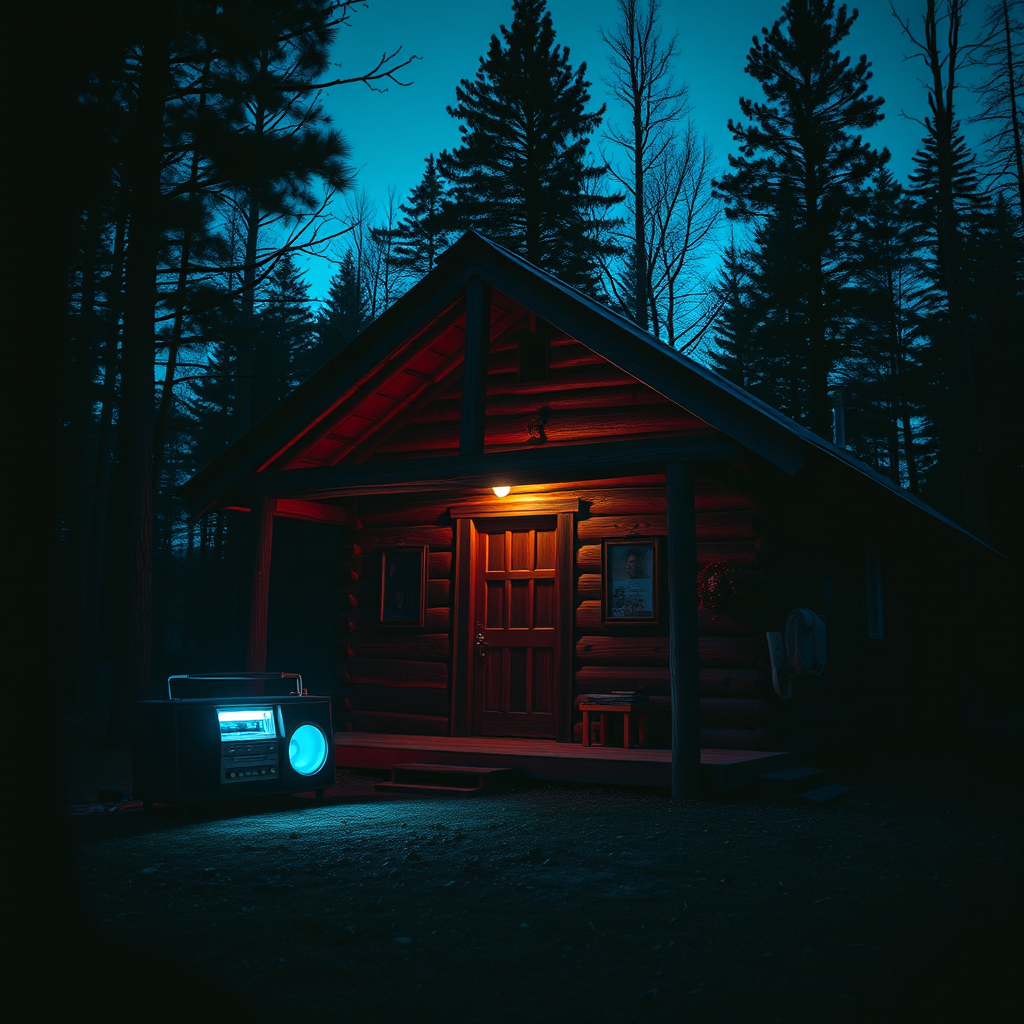
The chilling transition from human warmth to the sterile glow of synthetic intelligence
The cabin was once a sanctuary of crackling hearths, the scent of pine, and the rhythmic, imperfect cadence of human storytelling. Today, that organic warmth is being systematically replaced by a pervasive, icy luminescence that emanates from the digital ether. We are witnessing the rise of AI voices that mimic the soul of a narrator while stripping away the very essence of lived experience. This shift toward a synthetic aesthetic is not merely a technological upgrade; it is a fundamental restructuring of how we perceive truth and connection. As the blue light of the machine begins to dominate our creative landscapes, we must ask ourselves what is being lost in the translation from heart to hard drive.
The Architecture of Synthetic Coldness
There is a specific frequency to the modern digital experience that feels inherently alienating, often characterized by a sharp, electric blue hue that permeates our screens and interfaces. This color is not accidental; it represents the clinical precision of algorithms that prioritize efficiency over the messy, beautiful contradictions of human emotion. When we integrate these generative AI tools into our creative workflows, we are effectively inviting a cold, calculating presence into the intimate spaces where stories are born. The transition from the warm, amber glow of a lamp to the harsh, flickering blue of a monitor serves as a visual metaphor for the erosion of the human spirit in art.
The psychological impact of this shift is profound, as our brains are hardwired to respond to the organic imperfections of human speech and gesture. When an artificial voice delivers a narrative, it lacks the subtle tremors of hesitation, the breathy pauses of contemplation, and the genuine resonance of a life lived. Instead, we are presented with a flawless, hollow mimicry that feels like a ghost in the machine. By prioritizing this synthetic perfection, we risk losing the very qualities that make storytelling a bridge between souls rather than a transaction between a user and a database. You can read more about the psychological impact of digital interfaces at https://www.nngroup.com to understand how design choices influence our perception of reality.
The Erosion of Organic Narrative
Traditional storytelling has always been a collaborative act between the teller and the listener, built upon a foundation of shared vulnerability and mutual understanding. When we replace the human voice with an artificial intelligence model, we sever that connection, turning a communal experience into a solitary consumption of data. The blue-tinted output of these systems is designed to be palatable, optimized for engagement metrics rather than emotional depth or moral complexity. This optimization process acts as a filter, removing the jagged edges of human experience that often provide the most profound insights into our own existence.
As we lean further into these automated narratives, the risk of cultural homogenization becomes increasingly apparent. If every story is filtered through the same set of algorithmic parameters, we lose the unique, localized voices that give our world its vibrant, chaotic texture. The evil blue choice is the decision to prioritize the convenience of the machine over the difficult, rewarding work of human expression. We are trading the depth of the ocean for the shallow, shimmering surface of a digital pool, and the consequences for our collective imagination are dire. For further reading on the importance of human-centric design, visit https://www.interaction-design.org to explore the ethics of modern technology.
The Illusion of Infinite Choice
One of the most insidious aspects of the AI revolution is the promise of infinite variety, a claim that masks the underlying uniformity of the generated content. We are told that we have more options than ever before, yet these options are merely variations on a theme dictated by the training data of the machine. The blue light of the interface promises a world of limitless creativity, but it delivers a feedback loop that reinforces existing biases and patterns. This is the paradox of the synthetic age: we are surrounded by more content than at any point in history, yet we feel increasingly starved for genuine originality.
The danger lies in our growing dependency on these tools to define the boundaries of what is possible. When we allow machine learning to dictate the structure and tone of our narratives, we are effectively outsourcing our imagination to a system that cannot dream. The machine does not understand the weight of a secret, the sting of a regret, or the quiet triumph of a hard-won peace. It only understands the statistical probability of the next word, a process that is fundamentally devoid of the existential stakes that define the human condition. We must remain vigilant against the temptation to let the machine do the heavy lifting of our creative lives.
Reclaiming the Warmth of the Cabin
To resist the encroaching blue tide, we must consciously choose to prioritize the human element in every aspect of our creative endeavors. This means valuing the stutter, the pause, and the unconventional perspective over the polished, predictable output of an algorithm. It requires a commitment to the messy, inefficient, and deeply personal work of storytelling that refuses to be quantified or optimized. We must return to the cabin, metaphorically speaking, and rekindle the fire that burns with the heat of human experience rather than the cold glow of a server farm.
This is not a call to abandon technology, but rather a call to reclaim our agency within it. We can use these tools as instruments of our own design, ensuring that the human voice remains the primary driver of the narrative arc. By maintaining a critical distance from the synthetic allure of the blue screen, we can preserve the sanctity of our stories and the depth of our connections. The future of storytelling depends on our ability to distinguish between the convenience of the machine and the necessity of the human soul. Let us choose the warmth of the hearth, even when the blue light of the digital world beckons us to settle for something less.
Final Thoughts
The battle for the future of human expression is being fought in the quiet spaces of our daily lives, where we decide whether to listen to the machine or to each other. By recognizing the inherent coldness of the synthetic blue choice, we can begin to steer our creative culture back toward a more authentic and meaningful path. It is a difficult journey, but one that is essential if we are to retain our humanity in an increasingly automated world. We must continue to tell our stories with the raw, unfiltered passion that only a human heart can provide, ensuring that the cabin remains a place of warmth, light, and genuine connection for generations to come.