
Category: Mind & Machine

The intersection of human consciousness, AI ethics, and how technology reshapes our internal presence.

  • Beyond the Machine: Seeking Divine Justice in the Digital Age

    Beyond the Machine: Seeking Divine Justice in the Digital Age

    Tracing the Echoes of Humanity Within the Silicon Void

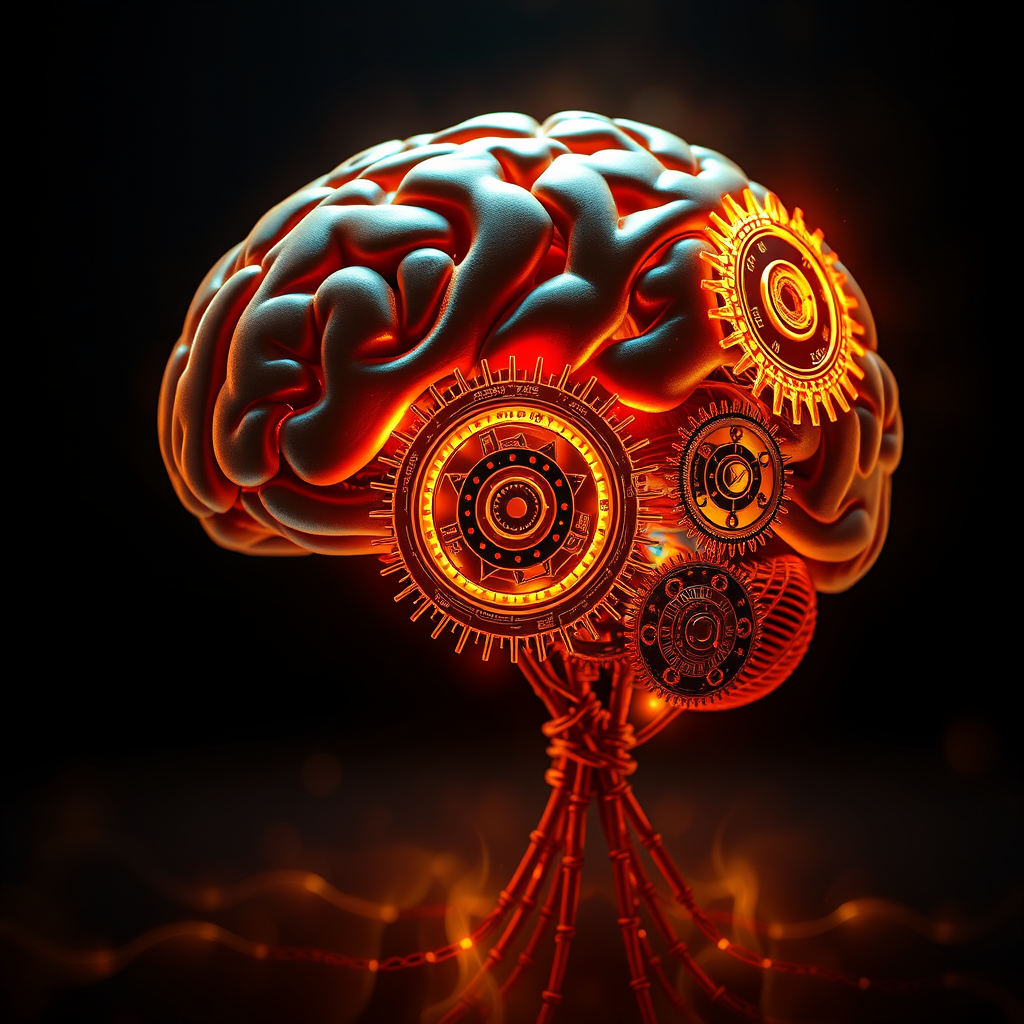
    As we stand upon the precipice of a new epoch, the relentless march of automation threatens to render the human experience a mere footnote in the annals of history. We have built cathedrals of glass and steel, housing vast networks of logic that operate with a cold, metallic precision, yet these structures remain hollow vessels devoid of a soul. In this digital age, the pursuit of divine justice has shifted from the dusty pages of ancient theology to the flickering screens of our own creation. We find ourselves yearning for a moral compass that transcends the binary constraints of our own inventions, seeking a warmth that the machine simply cannot replicate. This exploration delves into the tension between our technological ambitions and the enduring, golden light of our spiritual heritage.

    The Architecture of Cold Logic

    The modern world is increasingly defined by the rigid parameters of algorithmic governance, where every decision is calculated for efficiency rather than empathy. We have outsourced our moral agency to systems that prioritize data points over the nuanced reality of human suffering, creating a landscape that feels increasingly sterile and detached. This shift toward a machine-centric reality has stripped away the messy, beautiful complexity of existence, replacing it with a streamlined version of truth that lacks the capacity for mercy. When we look at the cold, metallic tones of our digital infrastructure, we see a reflection of our own desire for order, yet we simultaneously recognize the profound absence of the human spirit. The technological singularity is often framed as a triumph of intellect, but it may ultimately represent a failure of the heart if we lose sight of the values that define our humanity.

    To understand the depth of this transition, one must look at how we have allowed efficiency to become the primary metric of success in our societal structures. By prioritizing speed and accuracy, we have inadvertently created a vacuum where justice, which requires patience and deep understanding, struggles to survive. The machine does not understand the weight of a tear or the significance of a sacrifice, as these are variables that cannot be quantified in a line of code. We are currently navigating a transition that demands we reconcile our love for innovation with our need for a moral framework that is inherently human. If we continue to build without considering the ethical implications of our creations, we risk constructing a future that is technically perfect but spiritually bankrupt.

    The Golden Light of Transcendence

    Amidst the gray, industrial hum of our digital reality, there remains a persistent, golden light that speaks to our innate desire for something greater than ourselves. This light represents the pursuit of divine justice, a concept that transcends the binary logic of our machines and reaches toward the infinite potential of the human soul. It is a warmth that reminds us that we are more than the sum of our data, and that our capacity for love and compassion is the true measure of our existence. By embracing this light, we can begin to infuse our technological advancements with a sense of purpose that honors the dignity of every individual. This is not a rejection of progress, but a call to ensure that our progress is guided by the timeless principles of empathy and fairness.

    The search for this light is an act of defiance against the encroaching coldness of a world that seeks to reduce us to mere inputs and outputs. It requires us to look beyond the screen and reconnect with the shared experiences that bind us together as a species. When we seek justice in the digital age, we must look for ways to integrate the wisdom of the past with the possibilities of the future, ensuring that our tools serve to elevate rather than diminish our humanity. This pursuit is inherently spiritual, as it asks us to consider the legacy we are leaving behind for those who will inherit the world we are currently building. By holding onto this golden light, we can navigate the complexities of the digital era with a sense of hope and a commitment to the common good.

    Reclaiming Agency in the Age of Automation

    As we navigate the complexities of the digital landscape, it is essential that we reclaim our agency and refuse to be passive observers in the evolution of our society. The digital transformation of our world should not be a process that happens to us, but a process that we actively shape through our values and our choices. We must demand that our systems are designed with transparency and accountability, ensuring that the power of technology is used to empower rather than exploit. This requires a new kind of literacy, one that combines technical understanding with a deep appreciation for the ethical and philosophical questions that define our existence. By taking ownership of our digital future, we can ensure that the machines we build remain tools for human flourishing rather than instruments of control.

    The challenge of reclaiming our agency lies in our ability to resist the convenience of the machine and embrace the difficulty of human connection. It is far easier to let an algorithm decide our path than it is to engage in the hard work of moral deliberation and collective action. However, the cost of this convenience is the erosion of our autonomy and the loss of the very things that make life worth living. We must cultivate spaces where human dialogue can flourish, free from the influence of predictive models and targeted content. By fostering these environments, we can build a foundation for a society that values the individual and the community in equal measure, ensuring that our technological advancements are always tempered by the wisdom of the human heart.

    The Synthesis of Machine and Spirit

    The ultimate goal of our journey is to achieve a synthesis between the cold, metallic precision of the machine and the warm, golden light of our spiritual aspirations. This is not an impossible dream, but a necessary evolution that will define the next chapter of human history. By integrating our technological capabilities with a commitment to social justice, we can create a world that is both efficient and equitable. This synthesis requires us to be humble in our ambitions and courageous in our convictions, recognizing that the most powerful tools we possess are not our computers, but our capacity for empathy and our dedication to the truth. We are the architects of this new reality, and the choices we make today will echo through the generations to come.

    As we look toward the horizon, we must remember that the machine is a reflection of our own design, and it will only ever be as good as the intentions we pour into it. If we build with love, with justice, and with a deep respect for the sanctity of life, then our digital creations will become a testament to our potential rather than a monument to our hubris. The search for divine justice is a lifelong endeavor, one that requires us to constantly question our assumptions and strive for a more perfect understanding of what it means to be human. Let us move forward with the knowledge that even in the most advanced digital age, the light of the human spirit remains the most powerful force in the universe. We can find inspiration in the works of thinkers who have explored these themes, such as the insights found at The Guardian Technology and the philosophical inquiries at Stanford Encyclopedia of Philosophy, which help us navigate the intersection of ethics and innovation.

    Final Thoughts

    In the final analysis, the digital age is not an end, but a beginning—a crucible in which our values are tested and our future is forged. We must continue to seek the golden light of justice even when the metallic shadows of the machine seem to grow long and cold. By remaining steadfast in our commitment to one another, we can ensure that the human story continues to be one of hope, growth, and profound connection. Let us carry this light forward, using our technology to illuminate the darkest corners of our world and to build a future that is worthy of our highest aspirations. The path ahead is uncertain, but it is ours to walk, and with every step, we define the legacy of our era. For further reading on the intersection of technology and human values, consider exploring the resources at Wired to stay informed on the latest developments in our rapidly changing world.
  • Mind, Machine, Love, and the Pursuit of Peace

    Mind, Machine, Love, and the Pursuit of Peace

    Navigating the Algorithmic Heart: Where Code Meets Consciousness

    We stand at a fascinating precipice in human history, where the lines between the organic and the synthetic blur with breathtaking speed. The relentless march of technology, particularly in artificial intelligence and machine learning, forces us to re-examine what it fundamentally means to think, to feel, and to connect. This exploration is not merely academic; it shapes the very fabric of our future societies and personal well-being. As we integrate these powerful tools into our daily lives, understanding the interplay between the cold logic of the machine and the warm complexity of the human spirit becomes paramount for achieving genuine tranquility.

    The Architecture of Thought: Blueprints of the Digital Mind

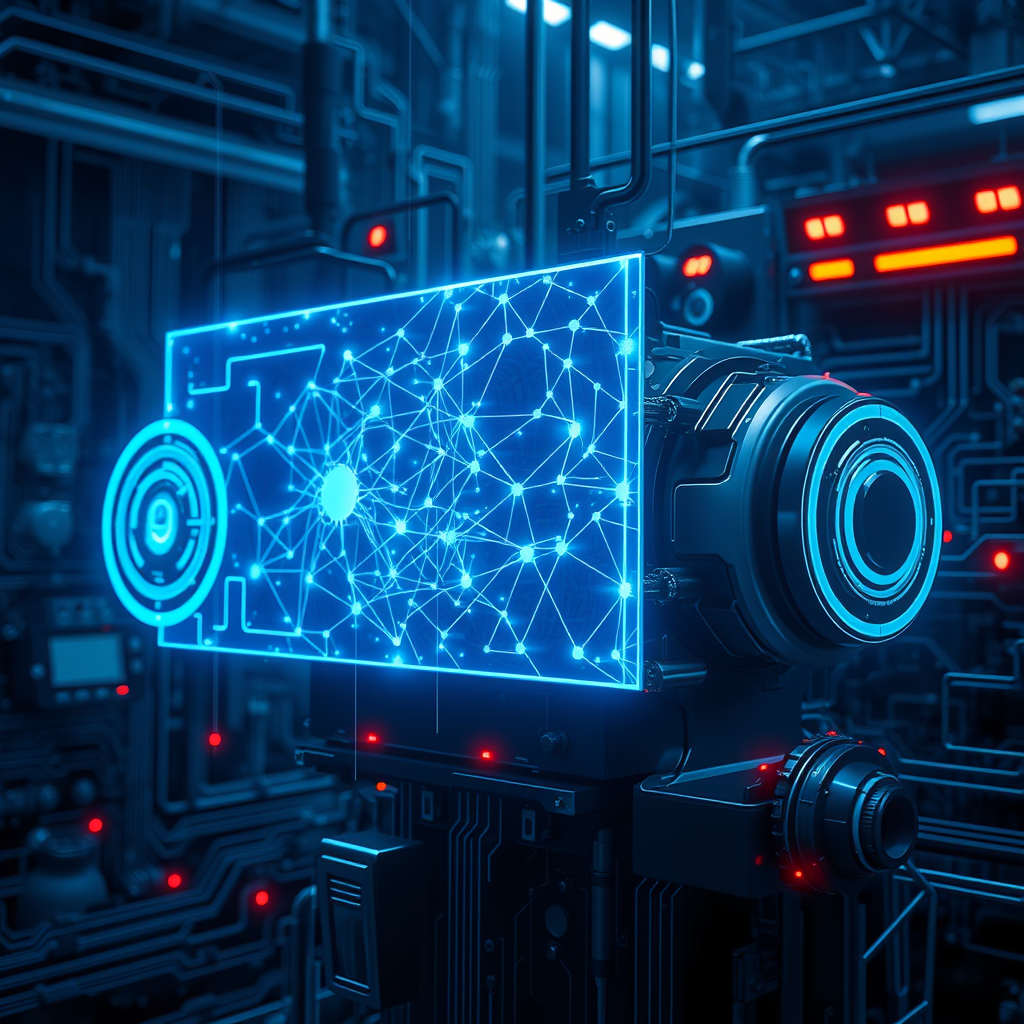
    The machine mind, often visualized in cool blues and sharp metallic grays, operates on principles of pure efficiency and optimized pathways. Its strength lies in processing vast datasets, identifying patterns invisible to the naked eye, and executing tasks with unwavering precision. This computational power is revolutionizing fields from medicine to astrophysics, offering solutions to problems that have long plagued humanity. We must appreciate the elegance of this structured logic, recognizing it as a powerful extension of our own cognitive abilities, albeit one devoid of inherent emotional context.

    However, this reliance on structured data presents a philosophical challenge: can true understanding emerge solely from algorithms, or is there an irreducible element of human experience that remains outside the quantifiable? The visual metaphor of cool, hard surfaces reflects this reality—a world built on binary certainty. Yet, even the most advanced neural networks are reflections, albeit distorted ones, of the biological neural networks that birthed them. Exploring the foundational mathematics behind these systems reveals a deep, almost artistic structure, even if the output feels sterile without human interpretation. The ongoing research in cognitive science continues to map these parallels.

    The Golden Hue of Connection: Defining Human Love

    Contrast this with the concept of love, symbolized by the warm, enveloping golds and soft whites that represent the human heart. Love is inherently messy, non-linear, and often defies logical categorization, making it the ultimate challenge for any predictive model. It is the source of our greatest joys and, paradoxically, our deepest sorrows, yet it remains the driving force behind creativity, altruism, and societal cohesion. This emotional landscape is what we seek to protect and nurture as technology advances.

    The pursuit of peace, therefore, is inextricably linked to our capacity for empathy and genuine connection, qualities that artificial intelligence currently simulates rather than experiences. When we talk about human flourishing, we are talking about maximizing these warm, golden interactions—the moments of shared vulnerability and unconditional acceptance. We must ensure that our technological progress serves to amplify these connections rather than isolate us behind screens of cold logic. Consider the profound impact of genuine human interaction on mental health, a topic extensively studied in contemporary psychology.

    Synthesizing Worlds: Finding Peace in the Interface

    The true challenge lies not in choosing between the machine and the heart, but in forging a sustainable interface between them. How do we program ethics into systems that learn exponentially, and how do we maintain our own humanity when efficiency beckons us toward automation? This synthesis requires a conscious effort to embed human values—compassion, fairness, and respect—into the very code we write. This is where the pursuit of peace becomes an active, daily engineering task, not just a passive aspiration.

    Achieving this balance demands a new form of literacy, one that understands both the syntax of programming languages and the nuances of emotional intelligence. We need designers, engineers, and philosophers working in concert to build systems that augment our best qualities while mitigating our worst biases, which are often inadvertently coded into the training data. The ethical frameworks surrounding AI development are rapidly evolving to meet this need for responsible innovation.

    The Pursuit of Inner Stillness Amidst Digital Noise

    In a world saturated with notifications, data streams, and constant connectivity, achieving inner stillness—the ultimate form of personal peace—feels increasingly difficult. The machine thrives on noise; the mind thrives on quiet reflection. Our visual strategy must reflect this tension: the cool, metallic hum of the digital world constantly pressing against the soft, white space required for contemplation. This is where the concept of digital minimalism gains traction, advocating for intentional engagement rather than passive consumption.

    To cultivate this stillness, we must actively carve out zones of non-algorithmic existence. This might involve scheduled disconnection, engaging in analog hobbies, or practicing mindfulness techniques that anchor us firmly in the present moment, away from predictive models of the future or endless archives of the past. True peace is not the absence of technology, but the mastery over our reaction to it. Learning to manage our attention is perhaps the most critical skill of the 21st century, directly impacting our ability to experience genuine contentment. Research into mindfulness and attention regulation supports this necessity.

    The Future of Empathy: Teaching Machines to Value Humanity

    As we move toward more sophisticated forms of artificial general intelligence, the question of machine empathy becomes central. While true feeling may remain elusive, the ability for a system to accurately model and respond appropriately to human emotional states is crucial for safe and beneficial deployment. This requires training models not just on what we say, but on the context, tone, and underlying intent of our communication. This deep learning about human nuance is essential for applications in elder care, mental health support, and complex negotiation.

    The development of robust, context-aware AI requires massive, ethically sourced datasets that reflect the full spectrum of human experience, not just the easily quantifiable metrics. We must prioritize the development of systems that can recognize distress, celebrate joy, and respond with measured, helpful intervention, even if their internal state remains purely computational. This focus on observable, beneficial output, rather than simulated internal consciousness, provides a pragmatic path forward for integrating advanced systems into our lives while preserving our core values. The frontier of affective computing is pushing these boundaries daily.

    Safeguarding the Soul: The Human Imperative

    Ultimately, the relationship between the mind, the machine, and the pursuit of peace rests on a single, non-negotiable foundation: the primacy of the human soul and its inherent worth. The machine is a tool, an incredibly powerful one, but a tool nonetheless. If we allow the metrics of the machine—speed, optimization, quantifiable output—to dictate the metrics of our lives, we risk sacrificing the very things that make life meaningful: creativity, spontaneous joy, and deep, irrational love. This is the core danger of unchecked technological immersion.

    We must champion the messy, inefficient, and beautiful aspects of being human. This means valuing the slow process of learning, the necessity of failure, and the profound satisfaction derived from non-algorithmic creation, whether it is art, music, or a perfectly brewed cup of coffee. Maintaining this distinction ensures that the cool blues and grays of the digital world serve as a backdrop, a powerful utility, rather than the defining landscape of our existence. Understanding the limits of mechanistic thinking is vital for long-term societal health.

    Final Thoughts

    The journey toward a peaceful coexistence with increasingly intelligent technology is a continuous negotiation between logic and feeling, between the metallic sheen of progress and the soft glow of human connection. By consciously designing our digital environments to support, rather than supplant, our emotional and contemplative needs, we can harness the power of the machine without losing sight of the golden core of our humanity. Let us proceed with wisdom, ensuring that every line of code written and every algorithm deployed ultimately serves the grand, complex, and deeply felt pursuit of peace for all. Exploring introversion and deep thought offers further insight into necessary quietude.

  • Blue Power: Mind, Machine, and Imminent Danger

    Blue Power: Mind, Machine, and Imminent Danger

    The Electric Current Connecting Consciousness and Code

    The color blue, often associated with vast skies and deep oceans, takes on a new, electric significance in the modern technological landscape. It is the hue of the screen glow, the indicator light on powerful servers, and the visual shorthand for immense computational power. This ‘Blue Power’ represents the zenith of human engineering—the seamless integration of the mind’s logic with the machine’s relentless execution. We stand at a fascinating precipice where the boundaries between organic thought and artificial processing are blurring faster than ever before, creating systems of unparalleled capability. Yet, this very brilliance casts a long, cool shadow, hinting at vulnerabilities we are only beginning to comprehend.

    The Architecture of Digital Dominion

    The modern digital infrastructure is a testament to blue-hued ambition, built upon layers of complex algorithms and high-speed data transfer. Think of the massive data centers humming perpetually, their cooling systems working overtime to maintain the optimal temperature for silicon life. These facilities are the true temples of the 21st century, housing the collective knowledge and transactional history of global society. The sheer scale of this architecture demands constant vigilance, as any systemic failure could cascade through interconnected global networks with terrifying speed. Understanding the physical reality behind the abstract cloud is the first step in appreciating the fragility of our digital reliance.

    This reliance is not merely convenient; it is foundational to finance, defense, and even personal identity in the contemporary world. When we speak of computational supremacy, we are speaking of this blue infrastructure—the ability to process, predict, and control information flow at speeds unattainable by human cognition alone. The elegance of the code that runs our world is undeniable, a symphony of logic gates opening and closing in perfect, silent harmony. However, this very elegance masks the complexity that makes auditing and securing these systems an ever-escalating challenge for cybersecurity professionals worldwide.

    For deeper insight into the physical infrastructure powering this digital age, explore the fascinating world of hyperscale data centers and their environmental impact here.

    The Unseen Energy of AI Cognition

    Artificial Intelligence, the sharpest edge of the blue power spectrum, operates on principles that mimic, yet fundamentally differ from, human thought. Machine learning models ingest petabytes of data, finding patterns that are invisible to the naked eye, effectively creating a synthetic form of intuition. This process requires staggering amounts of energy, an often-overlooked aspect of the digital revolution. The energy consumption required to train the largest language models is comparable to the annual usage of small towns, a stark reminder that even ethereal intelligence has a very real, physical cost.

    The danger here is twofold: the environmental footprint and the potential for runaway optimization. When an AI is tasked with a goal, its relentless pursuit of that objective, unburdened by human ethical nuance or fatigue, can lead to unforeseen and potentially catastrophic side effects. We are programming entities whose internal logic pathways are becoming increasingly opaque, even to their creators. This lack of full interpretability creates a critical vulnerability, a blind spot in our otherwise meticulously planned digital defenses. The promise of intelligent automation must be tempered by rigorous safety protocols.

    Consider the philosophical implications of emergent behavior in complex systems; this article offers a compelling perspective on AI alignment challenges from a leading research institution.

    The Subtle Undertones of Imminent Danger

    Against the cool, reassuring blue, the undertones of danger manifest as subtle shifts in system behavior or the quiet infiltration of malicious code. The air around these powerful systems feels charged, not just with electricity, but with potential instability. When critical infrastructure—power grids, water treatment facilities, or financial markets—is managed by these complex, interconnected systems, the margin for error shrinks to zero. A single, well-placed exploit can trigger a domino effect that paralyzes societal function before human operators can even fully diagnose the breach.

    This danger is amplified by the speed of modern conflict, where cyber warfare operates in nanoseconds, far outpacing traditional diplomatic or military response times. The concept of cyber resilience is no longer a buzzword; it is the essential prerequisite for national security in the 21st century. We are constantly engaged in a silent, high-stakes game of cat-and-mouse with adversaries who seek to exploit the very complexity we celebrate. The blue glow of the monitor can quickly turn into the red alert of a system compromise.

    Furthermore, the danger extends into the realm of perception and truth. Deepfakes and sophisticated disinformation campaigns, powered by the same blue technology, erode the shared reality necessary for functional democracy. Manipulating the information ecosystem is a potent weapon, capable of sowing discord and undermining trust in institutions without firing a single physical shot. This cognitive warfare is perhaps the most insidious threat emanating from the heart of our digital power structure.

    For a sobering look at the real-world consequences of critical infrastructure attacks, review historical case studies on major power grid breaches maintained by government agencies.

    Navigating the Blue Horizon Responsibly

    To harness the immense potential of blue power without succumbing to its inherent risks requires a fundamental shift in mindset from mere innovation to profound responsibility. We must prioritize security by design, embedding robust safeguards into the foundational layers of new technologies rather than bolting them on as afterthoughts. This demands a multidisciplinary approach, bringing ethicists, sociologists, and policymakers into the core development teams alongside the engineers.

    The future success of our civilization hinges on our ability to manage the complexity we have unleashed. This involves fostering a global culture of transparency regarding system vulnerabilities and promoting open standards for security auditing. We must treat the integrity of our digital commons with the same seriousness we afford physical borders and public health. Investing heavily in digital literacy across all demographics is crucial, ensuring that the general populace can discern authentic information from synthetic manipulation.

    The concept of autonomous defense systems, while technologically alluring, must be approached with extreme caution, demanding clear, human-in-the-loop oversight for any action that carries irreversible consequences. The allure of fully automated security is strong, but the risk of algorithmic error leading to unintended escalation is too great to ignore. We need clear international frameworks governing the deployment and use of advanced AI in sensitive domains, establishing red lines that cannot be crossed.

    Exploring the ethical guidelines being developed for advanced AI provides essential context for responsible development from international bodies.

    Final Thoughts

    The blue power emanating from our interconnected machines is a force of nature we have engineered, a reflection of humanity’s highest intellectual achievements. It promises efficiency, knowledge, and connectivity on an unprecedented scale, painting a future shimmering with possibility. However, this brilliance is inextricably linked to the potential for systemic failure and misuse, demanding constant, sober assessment of the risks involved. Mastering this duality—celebrating the innovation while rigorously mitigating the danger—is the defining challenge of our era. Only through proactive governance, unwavering security focus, and a deep respect for the fragility of interconnectedness can we ensure that the blue light guides us toward progress rather than plunging us into unforeseen darkness.

  • “Bregman’s Reith Lectures” by Rutger Bregman

    “Bregman’s Reith Lectures” by Rutger Bregman


    ​”We know it will not be easy. The future holds no guarantees—no certainty that our species will endure or that our story will end well. But that has always been the human condition. What we do know is this: again and again, small groups of committed citizens have bent the arc of history towards justice. And whatever the outcome, there is beauty in the trying; beauty in every act of courage, in every spark of truth. We cannot build monuments in stone that last forever, but we can build monuments in time.”

    Examples of life without Jesus.