Category: Shadow & Silence

Exploring the world of encryption, privacy, and the hidden messages within the purr of the internet.

  • Shadows, Silence, and the Hedonist’s Evil Assets

    Shadows, Silence, and the Hedonist’s Evil Assets

    The Velvet Cage: Where Opulence Meets Oblivion

    The allure of the forbidden is often draped in the finest silks and illuminated by the softest, most deceptive candlelight. We speak of the hedonist’s domain, a place where the pursuit of pleasure becomes an art form, meticulously crafted to obscure the rot beneath the surface. This world thrives on contrast: the blinding sheen of gold against the suffocating depth of unseen corruption. To truly understand the architecture of this hidden evil, one must first acknowledge the strategic deployment of shadow and silence, the very elements that allow such decadent enterprises to flourish unchecked in the periphery of polite society. These are not accidental byproducts; they are essential tools in the arsenal of those who profit from excess and secrecy.

    The Aesthetics of Absence: Mastering the Deep Shadow

    Shadow is more than the absence of light; it is an active participant in the narrative of hidden power. In the hedonist’s realm, shadows are deep, velvety, and absolute, absorbing sound and scrutiny alike. Think of the chiaroscuro effect in Caravaggio’s later works, where the subject is violently illuminated while the background dissolves into an impenetrable blackness. This visual strategy ensures that only the immediate, intoxicating spectacle is visible, while the mechanisms of acquisition and consequence remain perpetually obscured. The strategic use of low-wattage, amber lighting in exclusive venues is a deliberate choice, designed to soften edges and blur accountability, creating a visual anesthetic for the participants.

    This deliberate cultivation of darkness serves a crucial psychological function. When the environment itself suggests secrecy, participants are more readily inclined to lower their own guard, believing that their actions are naturally shielded from external judgment. The deep shadow becomes a conspirator, a silent accomplice in every transaction that occurs within its embrace. Furthermore, the psychological impact of perpetual twilight fosters a sense of temporal distortion; days bleed into nights, and the normal rhythms of ethical reckoning are suspended. For those who study the sociology of clandestine operations, the consistent application of this visual language is a clear marker of an entrenched, self-preserving system. Consider the historical parallels in clandestine societies and their architectural preferences; the pattern is remarkably consistent across centuries of hidden indulgence.

    The Sound of Nothing: Silence as a Weapon of Control

    If shadow is the visual manifestation of concealment, silence is its auditory counterpart. True silence in a bustling world is unnatural, and in the context of high-stakes indulgence, it is almost always manufactured. This is not the quietude of a library, but a heavy, pressurized absence of ambient noise—a vacuum engineered to amplify the immediate, often whispered, agreements that solidify illicit bonds. The soundproofing in these hidden sanctuaries is often state-of-the-art, a testament to the value placed on insulating the activities within from the ears without. This enforced quietude creates an echo chamber for the hedonist’s desires, making them seem more urgent and more real.

    The silence also functions as a powerful tool of social control among the participants themselves. In environments where discretion is paramount, the fear of breaking the silence—of uttering a single, incriminating word—becomes a potent deterrent against betrayal or dissent. It fosters an atmosphere of mutual, unspoken surveillance, where every glance carries the weight of potential exposure. This delicate equilibrium of shared risk, maintained by the very absence of sound, is far more binding than any written contract. The study of non-verbal communication in these pressurized, silent settings reveals a complex, unspoken language of power dynamics, far more revealing than any shouted declaration. Understanding nonverbal cues becomes essential for survival here.

    The Gilded Facade: Opulence as Misdirection

    The hedonist’s evil assets are rarely displayed with crude vulgarity; they are presented as objects of exquisite taste and undeniable luxury. The opulence serves as the primary layer of misdirection, a dazzling smokescreen designed to disarm critics and attract willing participants. Think of the heavy use of rare marble, bespoke tailoring, and vintage spirits—these are not mere expenditures; they are investments in plausible deniability. When everything appears to be of the highest quality, the assumption is that the underlying enterprise must also be sound, legitimate, and perhaps even noble in its pursuit of aesthetic perfection. This is the core of the deceptive presentation.

    This facade is meticulously maintained to attract the aspirational, those who mistake proximity to luxury for moral alignment. The sheer cost of entry into these circles acts as a self-selecting filter, ensuring that those who remain are either deeply invested in the system or possess enough resources to weather its inevitable storms. The true evil assets—the leveraged debts, the compromised reputations, the exploited vulnerabilities—are kept far from the polished mahogany tables where toasts are made. They exist in the unseen ledger, the digital shadow of the physical splendor. Examining the historical relationship between extreme wealth and ethical compromise offers sobering context to this modern display. The psychology of status symbols is deeply intertwined with this dynamic.

    The Currency of Compromise: Hidden Assets and Moral Debt

    The most dangerous assets held by the hedonist are not stocks or real estate, but the carefully cataloged weaknesses of others. These moral debts are the true collateral in the shadow economy. Every favor granted, every secret kept, every moment of weakness exploited, is recorded, not on paper, but in the intricate web of obligation that binds the inner circle. This system ensures loyalty far more effectively than any salary or bonus structure ever could, because the cost of defection is not financial ruin, but social and personal annihilation.

    These hidden assets are leveraged subtly. A quiet word to the right person, the timely release of a carefully curated piece of information, or the sudden withdrawal of patronage can dismantle a rival’s life without the hedonist ever having to raise their voice above a cultured murmur. The entire structure relies on the participants understanding the unspoken rules: compliance ensures continued access to the light, while resistance means being cast into the absolute darkness from which there is no return. This is the ultimate expression of power in a world built on shadows and silence. The concept of reputational risk management takes on a terrifying new dimension in these circles.

    The Architecture of Escape: Planning for the Inevitable Collapse

    Even the most perfectly constructed velvet cage is subject to entropy. The truly sophisticated hedonist understands that the system, built on unsustainable excess and moral compromise, will eventually face scrutiny or internal implosion. Therefore, a significant portion of their energy is dedicated to constructing elaborate escape routes—the architecture of evasion. This involves complex international financial structures, layers of shell corporations, and, most importantly, the cultivation of powerful, seemingly legitimate protectors who operate just outside the direct line of fire.

    These escape plans are the final, most tangible of the hedonist’s evil assets. They are designed to allow the principal actor to shed the entire compromised structure—the shadows, the silence, and the opulent facade—like a snake shedding its skin, leaving behind only scapegoats and confusing paper trails. The goal is not to avoid consequences entirely, but to ensure that the consequences fall upon the periphery, while the center remains untouched, ready to begin a new cycle elsewhere. For those interested in the mechanics of high-level financial evasion, the complexity involved is staggering. Understanding financial crime enforcement provides necessary context.

    The study of these systems reveals a profound truth: the greatest evil is often the most meticulously organized. It does not scream; it whispers behind soundproofed walls. It does not flaunt its ill-gotten gains openly; it integrates them seamlessly into a narrative of success and taste. The shadows and the silence are not merely atmospheric; they are the foundational engineering principles of a self-sustaining ecosystem of corruption. To observe this world is to witness the chilling efficiency of power divorced entirely from ethics, a testament to how far human ingenuity can be bent toward self-serving indulgence. The allure remains potent, but the underlying structure is brittle, held together only by the fear of the dark.

    Final Thoughts

    Ultimately, the shadows, the silence, and the seductive assets of the hedonist’s evil empire are all components of a single, elaborate performance designed to obscure a fundamental emptiness. The pursuit of endless pleasure, when untethered from responsibility, inevitably leads to the creation of systems that feed on the vulnerabilities of others, hidden just beyond the reach of common light. Recognizing the deliberate use of aesthetic oppression—the deep shadows and the enforced quiet—is the first step toward dismantling the illusion and exposing the true, often pathetic, core of such calculated decadence. We must remain vigilant against the allure of the gilded cage, lest we become unwitting participants in the very darkness we claim to abhor. The global impact of corruption demands our sustained attention.

  • Shadows of Victory: Tragic Silence in Hell’s Arena

    Shadows of Victory: Tragic Silence in Hell’s Arena

    The Crimson Echoes of a Pyrrhic Triumph

    The arena floor, perpetually slick with a substance that catches the dim, infernal light, tells a story far darker than any cheering crowd could ever comprehend. We speak of victory, yes, but this is not the bright, shining glory sung by bards in sunlit halls; this is the victory forged in the deepest pits, where the air itself tastes of ash and regret. The visual landscape of this place is dominated by oppressive shadows, vast expanses of blackness that seem to swallow sound and hope whole, punctuated only by the searing, arterial red of the conflict’s aftermath. To stand at the precipice of success here is to realize that the cost has rendered the prize almost meaningless, a hollow shell echoing with the screams of the fallen. This is the true nature of the descent into Hell’s Arena, a place where triumph is merely the cessation of immediate agony, not the arrival of peace.

    The Aesthetics of Despair: Shadow and Stygian Light

    The architecture of this domain seems deliberately designed to crush the spirit, utilizing deep, impenetrable shadows as its primary building material. These shadows are not mere absences of light; they possess a tangible weight, pressing down on the combatants, obscuring the edges of reality and making every step a gamble against unseen threats. When the rare, harsh light manages to pierce the gloom—perhaps from a distant, malevolent source—it only serves to highlight the grotesque textures of the environment: cracked obsidian, rusted iron, and the lingering residue of past battles. This stark contrast between absolute black and searing illumination creates a visual dissonance that mirrors the psychological state of those who survive these contests. It is a landscape that actively resists comfort or clarity, forcing perpetual vigilance.

    Consider the visual metaphor inherent in this chiaroscuro; the shadows represent the unknown sacrifices, the forgotten names, and the moral compromises made to reach this point of temporary ascendancy. Every corner hides a potential ambush, every pool of darkness might conceal a fresh horror waiting to emerge, demanding further tribute. The very air seems thick with unspoken oaths and broken promises, visible only in the way the light fails to penetrate certain areas, leaving them perpetually shrouded in a suffocating veil. This environment ensures that even the victor cannot truly relax, for the shadows are the constant reminder of the darkness they had to embrace to win. The visual narrative of the arena is one of relentless, oppressive gloom.

    The Color of Consequence: Blood-Red Remnants

    If the shadows represent the internal cost, the stark reds splashed across the arena floor and walls represent the external, undeniable evidence of that cost. This is not the vibrant crimson of a healthy life force, but a dried, oxidized, almost blackish-red that stains everything it touches, refusing to be washed away by the meager, acidic rains that occasionally fall. These patches of red are the monuments to the fallen, the indelible marks left by those who paid the ultimate price so that one could stand taller, if only for a moment. The intensity of this color is jarring against the muted greys and blacks, forcing the eye to acknowledge the violence that underpins this so-called victory. It is a constant, visceral reminder of the necessary brutality.

    This pervasive redness transforms the concept of victory into something deeply unsettling; it suggests that the achievement itself is inherently tainted by the suffering required to attain it. One might look upon a conquered foe, or a secured objective, but the periphery is always dominated by these stark reminders of the carnage. It forces a contemplation on the nature of heroism in darkness, questioning whether any glory can truly adhere to a soul so steeped in such grim realities. The sheer saturation of this color palette ensures that the memory of the struggle remains immediate and overwhelming, long after the physical fighting has ceased. For further reading on the psychological impact of color in extreme environments, explore studies on sensory deprivation and high-contrast stimuli.

    The Silence After the Roar: Tragic Aftermath

    The most profound element of the tragic victory in Hell’s Arena is the silence that follows the final blow. The roar of the unseen audience, the clang of steel, the desperate cries—all vanish, replaced by a heavy, suffocating quietude that seems to amplify the sound of one’s own ragged breathing. This silence is not peaceful; it is the sound of absence, the vacuum left by extinguished lives and shattered wills. It is in this vacuum that the true weight of the achievement settles upon the survivor, a crushing realization that the noise of battle was perhaps preferable to the clarity of introspection this quiet affords. This is the moment the victor confronts the mirror of their own soul, stripped bare of adrenaline and external validation.

    This tragic silence is the antithesis of traditional celebration; there are no trumpets, no laurels, only the slow drip of residual fluids and the settling dust. The survivor is left alone with the ghosts of their actions, forced to navigate the physical wreckage while simultaneously processing the moral wreckage. The victory is secured, but the path forward is obscured by the very shadows that defined the conflict, making the next steps uncertain and fraught with new dangers. Understanding this psychological toll is crucial to appreciating the depth of the narrative presented here; it speaks volumes about the human cost of ambition when pursued without moral restraint. We can see parallels in historical accounts of prolonged sieges and their psychological aftermath.

    The Weight of the Crown: A Solitary Ascent

    The concept of a solitary ascent, even when achieved through the defeat of many, is inherently tragic when the environment itself is hostile to life and joy. The victor stands alone, not as a king on a throne, but as a sentinel on a desolate peak, perpetually scanning the horizon for the next inevitable threat. The very act of surviving here implies a fundamental shift in character, a hardening that separates the survivor from the world they might have once known or hoped to return to. This isolation is perhaps the final, most enduring punishment delivered by the arena, ensuring that the spoils of war are enjoyed in utter solitude.

    This loneliness is compounded by the knowledge that any future success will require repeating the same horrific calculus of sacrifice and violence. There is no retirement from this life, only a temporary reprieve until the next summons echoes through the gloom. The enduring legacy of such a victory is not fame, but a permanent scar etched onto the psyche, a constant awareness of the abyss just beneath the surface of perceived safety. To truly understand this narrative, one must look beyond the immediate spectacle of combat and delve into the philosophical implications of survival at any cost. Consider the works of existential philosophers who grappled with freedom and responsibility in meaningless settings.

    The Unseen Chains of Success

    Even when the immediate threat is neutralized, the chains forged in the heat of battle remain firmly fastened to the victor. These are not physical shackles, but invisible bonds woven from necessity, trauma, and the expectations of the dark powers that govern this realm. The victory grants temporary autonomy, perhaps, but it solidifies the victor’s role within the established, brutal hierarchy of the arena. They have proven their worth in blood, and that proof demands further service, further conflict. The freedom achieved is illusory, a brief pause before the next, perhaps even more demanding, trial begins. This is the ultimate irony of Hell’s Arena: the harder one fights to escape, the more deeply entrenched one becomes in its system.

    The visual language reinforces this entrapment: the shadows seem to lengthen and solidify around the victor, the red stains appear brighter, drawing attention to their compromised state. They are marked, identifiable as the one who has walked the path of ultimate compromise. Any attempt to seek redemption or return to a former life is rendered impossible by the sheer magnitude of what has been done and witnessed. The path to redemption is obscured by the very darkness that facilitated the win. For a deeper dive into narratives of inescapable fate, one might examine classical Greek tragedies.

    Final Thoughts

    Shadows of Victory is not a tale of glorious conquest, but a somber meditation on the nature of achievement when divorced from morality and tempered by extreme suffering. The stark reds and overwhelming blacks of the arena serve as a permanent, visceral reminder that some battles leave behind only ghosts and a profound, echoing silence. The true victor is the one who can bear the weight of that silence without succumbing to madness, though whether they truly win anything remains perpetually debatable. We are left contemplating the true definition of success when the price paid ensures that the reward is inherently tragic and isolating.

  • Exploring the Least Popular Content Themes

    Exploring the Least Popular Content Themes

    Exploring the Least Popular Content Themes


    In the vast and constantly shifting landscape of digital content, some themes and tags consistently struggle to find an audience. These are the forgotten corners of the internet, where engagement is low and visibility is minimal. But what are these least popular content themes, and what do they reveal about the collective interests of online users?

    The Muted Palette: Symbols of Low Engagement


    The visual identity of this analysis is defined by muted colors, a symbolic representation of the lack of enthusiasm and attention garnered by these overlooked content themes. The palette of soft greys, subdued blues, and desaturated greens reflects the quiet, understated presence of these topics in the digital sphere. Just as these colors recede into the background, so too does this content fail to capture the collective imagination. The choice of a muted palette serves as a visual metaphor for the low engagement and limited impact of these least popular tags.

    Decoding the Enigma: Why Some Themes Falter


    What drives the low popularity of certain content themes? The reasons are multifaceted and often rooted in the nature of the topics themselves. Some themes may be too niche or esoteric to appeal to a broad audience, while others may be perceived as dry, outdated, or simply uninteresting. The sheer volume of content available online also plays a significant role, as users are inundated with an endless stream of information and entertainment. In this saturated market, only the most compelling and relevant content can cut through the noise. Themes that fail to resonate with users on an emotional or intellectual level are quickly discarded and forgotten.

    Illuminating the Overlooked: A Close-Up on Specific Tags


    Our analysis reveals several specific tags that consistently exhibit the lowest levels of user engagement. These tags represent a diverse range of topics, yet they all share a common thread of limited appeal. Let’s delve into some of these overlooked categories:

    1. Obscure Historical Figures:

    While history buffs exist, content focusing on highly obscure historical figures often struggles to find an audience beyond a very dedicated and specialized group. The lack of broader recognition and general interest makes it challenging for this type of content to gain traction.

    2. Niche Technical Documentation:

    Deeply technical documentation, while essential for a specific set of users, rarely generates high engagement in the broader digital space. The complexity of the subject matter and the limited applicability to the general public contribute to its low popularity.

    3. Hyper-Local News from Remote Regions:

    News with extremely localized relevance, especially from remote or sparsely populated regions, often has a very limited potential audience. The inherent lack of general interest in such specific events makes it difficult for this content to achieve widespread visibility.

    The Value of the Unpopular: Finding Meaning in the Margins


    It’s important to remember that popularity is not the sole measure of value or importance. Just because a content theme is unpopular doesn’t mean it’s without merit. Some of the most valuable insights and information can be found in the overlooked and underestimated corners of the digital world. These least popular themes may serve as specialized resources for a small but dedicated community, or they may offer unique perspectives that are often missed by mainstream media.

    By examining the least popular content themes, we gain a deeper understanding of the diverse and often unpredictable nature of user engagement. While some topics capture the public imagination, others are left behind. But in the grand scheme of things, all content, whether popular or not, contributes to the rich and complex tapestry of the digital landscape.

  • The Count and the Chorus: The Undead Legacy of Bela Lugosi in Goth Rock

    The Count and the Chorus: The Undead Legacy of Bela Lugosi in Goth Rock

    The Count and the Chorus: The Undead Legacy of Bela Lugosi in Goth Rock


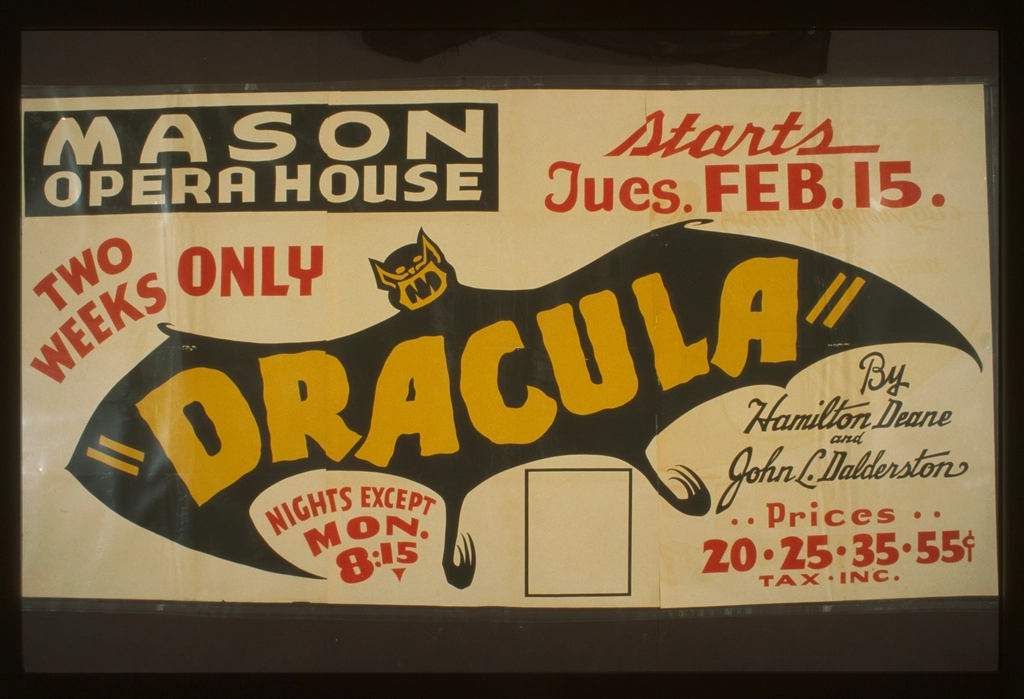
    ​In the late 1970s and early 80s, the shadow of a Hungarian actor who had been dead for decades began to loom large over the smoke-filled clubs of the UK. Bela Lugosi didn’t just play Dracula; he became the blueprint for an entire subculture.
    ​While Bauhaus famously kicked down the door with “Bela Lugosi’s Dead,” few bands woven the cinematic and the macabre into their lyrical DNA quite like The Sisters of Mercy.
    ​The Aesthetic of the Undead
    ​For Andrew Eldritch and The Sisters of Mercy, Lugosi wasn’t just a horror icon—he was a symbol of style, tragedy, and the performance of darkness. The connection isn’t always as literal as a name-drop. Instead, it’s found in the “Lugosi-esque” atmosphere: the sweeping capes, the baritone vocals, and the obsession with the classic tropes of the 1930s Universal Monsters.
    ​Key Lyrical Intersections
    ​1. “Ribbons” and the Vampiric Allure
    ​While the song is a whirlwind of chaos, lyrics like “Flowers for the deviant / Flowers for the bride” echo the gothic melodrama of Lugosi’s Dracula. The Sisters often leaned into the “predatory gentleman” trope that Lugosi perfected—the idea of a monster hidden behind a mask of high-society elegance.
    ​2. “Bury Me Deep”
    ​This track captures the very essence of the “undead” exhaustion Lugosi portrayed in his later years. The repetitive plea to be left in the dark mirrors the tragic reality of Lugosi’s life—a man who struggled with addiction and poverty, forever haunted by the character he could never escape.
    ​”Bela Lugosi’s Dead” by Bauhaus might be the anthem, but The Sisters of Mercy provided the soundtrack to the crypt he left behind.
    ​The “Bauhaus” Connection
    ​It’s impossible to talk about Lugosi and the Sisters without acknowledging the 1979 Bauhaus hit.