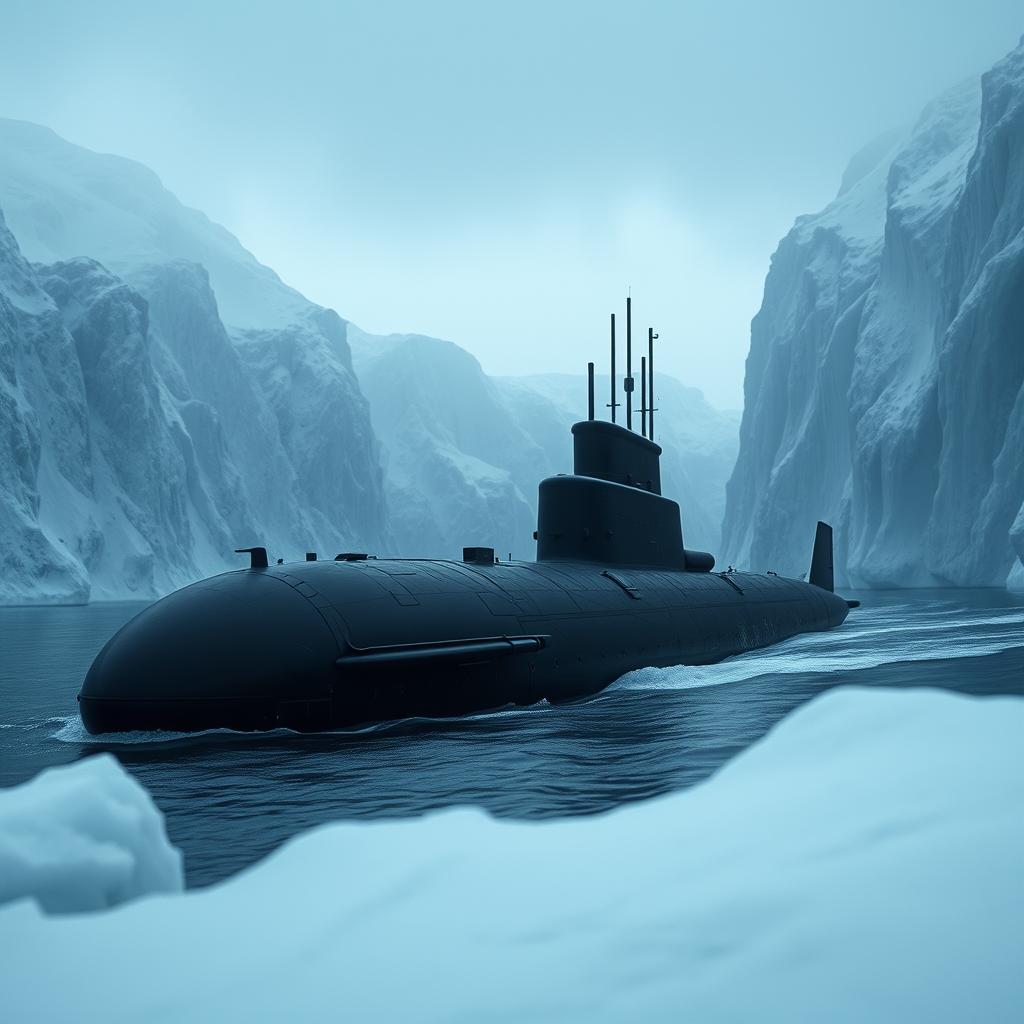
Beneath the crushing weight of the abyss, a new silent predator emerges to redefine the boundaries of maritime dominance.
The ocean has long been the final frontier of human exploration, a vast expanse of crushing pressure and absolute darkness that hides secrets from the prying eyes of the surface world. Within this liquid void, the concept of the stealth submarine has evolved from a mere tactical advantage into a profound psychological weapon of modern warfare. As nations push the limits of acoustic quieting and structural integrity, the deep blue is no longer just a medium for transit but a theater of shadows where silence is the ultimate currency. This article explores the emergence of a new cultural and military paradigm, where the dragon of naval power retreats into the abyss to wait, watch, and strike without warning.
The Architecture of Silence
Modern naval engineering has reached a pinnacle where the sound of a single bolt turning can be the difference between life and death. The development of acoustic quieting technology has transformed vessels into ghosts that glide through the water column with barely a whisper. By utilizing advanced polymers and revolutionary propulsion systems, engineers have effectively decoupled the machinery from the hull, ensuring that the internal heartbeat of the ship never reaches the external environment. This pursuit of absolute silence is not merely a technical requirement but a philosophical commitment to the art of invisibility.
The deep ocean provides the perfect canvas for this technological masterpiece, offering thermal layers and salinity gradients that can mask even the most sophisticated sonar signatures. As we look at the evolution of these platforms, it becomes clear that the goal is to operate in the blind spots of the enemy. By mastering the physics of sound propagation, military forces are creating a new class of maritime dominance that relies on the absence of presence. The silence is not empty; it is a calculated, heavy, and dangerous void that demands respect from any adversary attempting to navigate the same waters.
Shadows in the Deep Blue
The metaphor of the dragon is apt when considering the sheer scale and lethality of these underwater behemoths. Much like the mythical creatures of old, these vessels dwell in the darkest corners of the earth, emerging only when the strategic necessity outweighs the risk of exposure. The military secrecy surrounding these programs is legendary, often shielded by layers of bureaucracy and classified status that keep the public in the dark about the true capabilities of their own defense forces. This secrecy serves as a deterrent, creating a psychological shadow that looms over international relations and naval strategy.
When we discuss the cultural debut of these hidden assets, we are talking about a shift in how power is projected across the globe. It is no longer about the visible display of aircraft carriers or the thunderous roar of jet engines, but about the quiet, persistent threat of what lies beneath. The deep blue acts as a shroud, protecting the dragon while it waits for the signal to act. This dynamic creates a unique tension in global politics, where the fear of the unknown is often more potent than the fear of a known adversary. You can learn more about the complexities of underwater surveillance at https://www.navy.mil to understand the scale of these operations.
The Psychological Weight of the Abyss
Operating in the deep ocean requires a specific type of fortitude that few individuals possess. The crew members who serve on these vessels live in a world of artificial light and recycled air, disconnected from the natural rhythms of the sun and moon. This isolation is a critical component of the strategic deterrence mission, as it forces the crew to become one with the machine and the environment. The psychological pressure of the abyss is immense, mirroring the physical pressure that the hull must withstand at depths where sunlight cannot penetrate.
This environment fosters a culture of intense discipline and internal cohesion that is rarely seen in other branches of the military. The silence of the deep is mirrored in the silence of the crew, who must maintain absolute operational security at all times. Every action is deliberate, every movement is calculated, and every decision is made with the knowledge that the slightest error could lead to catastrophe. This shared experience creates a bond that transcends the typical military hierarchy, forging a team that is as resilient and impenetrable as the vessel they inhabit. For further reading on the psychological impacts of isolation, visit https://www.psychologytoday.com to explore the human element of extreme environments.
The Future of Underwater Warfare
As we look toward the horizon, the integration of artificial intelligence and autonomous systems will likely redefine the role of the human operator in the deep. The next generation of underwater vehicles will be smaller, faster, and even more difficult to detect, effectively turning the ocean into a vast, interconnected network of sensors and weapons. This evolution represents a significant challenge for traditional naval doctrines, which are built on the assumption of human-led command and control. The dragon is not just growing; it is evolving into a swarm of shadows that can operate independently of the surface world.
The ethical implications of this shift are profound and deserve careful consideration by policymakers and the public alike. If the deep blue becomes a domain of autonomous conflict, how do we maintain accountability and control over the forces that dwell there? The transition to automated warfare in the abyss is inevitable, but it must be managed with a clear understanding of the risks involved. By prioritizing transparency and international cooperation, we can ensure that the shadows of the dragon do not become a source of uncontrollable instability. The future of the deep is a blank page, and the decisions we make today will determine whether that page is written in ink or in blood.
Final Thoughts
The silence in the deep blue is a testament to human ingenuity and the relentless pursuit of security in an uncertain world. As we continue to push the boundaries of what is possible, we must remain mindful of the shadows we cast and the dragons we awaken in the process. The stealth submarine remains the ultimate symbol of this struggle, a silent guardian of the deep that reminds us of the fragility of our surface existence. By embracing the complexity of this domain, we can better appreciate the silent work being done to maintain the balance of power in the most inhospitable environment on the planet. The dragon will continue to wait in the dark, and as long as the silence holds, the world remains a safer place for those who live above the waves.