Tag: geography

land and sea.

  • Divine Geography: Reality, Politics, and the Intimate Human Experience

    Divine Geography: Reality, Politics, and the Intimate Human Experience

    Mapping the Intersection of the Infinite and the Mundane

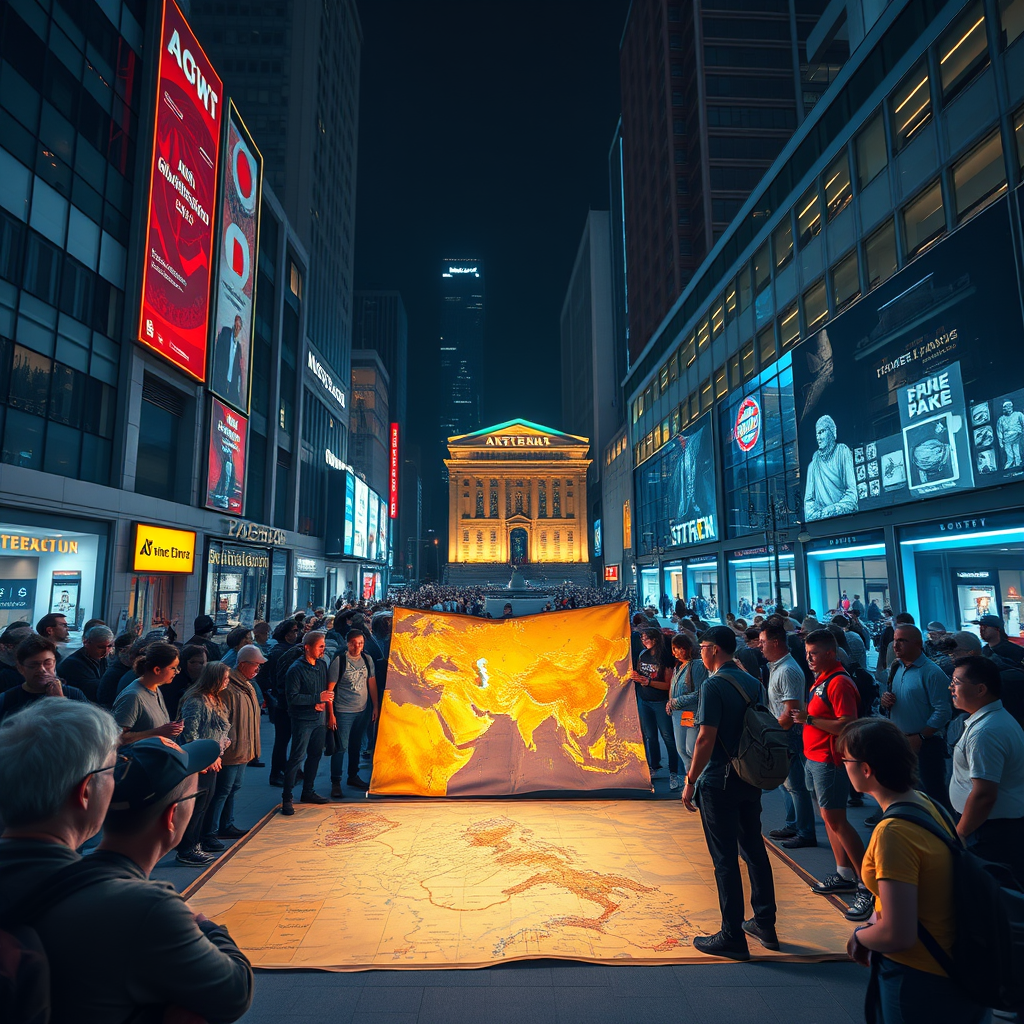
    The study of geography has long been confined to the rigid lines of cartography, where borders are drawn in ink and territories are defined by the cold logic of political maneuvering. Yet, when we peer beneath the surface of these terrestrial boundaries, we find a more profound layer of existence that defies simple measurement. This is the realm of divine geography, a space where the celestial blues of the infinite cosmos meet the shimmering, divine golds of human aspiration. By examining how our physical world interacts with our spiritual yearnings, we begin to see that every mountain, river, and city is more than just a coordinate on a map. It is a vessel for the human experience, shaped by the tension between our desire for order and our innate longing for the transcendent.

    The Architecture of Celestial Borders

    When we consider the concept of divine geography, we are essentially looking at the way humanity projects its internal spiritual landscape onto the external world. Throughout history, civilizations have identified specific locations as sacred, imbuing them with a sense of cosmic significance that transcends their physical utility. These sites often serve as anchors, grounding the ethereal nature of the divine within the tangible reality of the earth. By analyzing the historical placement of temples, cathedrals, and shrines, we can observe a consistent pattern of humans attempting to align their built environment with the perceived order of the heavens.

    This alignment is not merely an aesthetic choice but a fundamental expression of our need to bridge the gap between the finite and the infinite. The deep celestial blues that represent the vastness of the universe are brought down to earth through architecture that reaches toward the sky, creating a visual dialogue between the ground we walk upon and the stars above. As noted in studies on sacred geography, the intentional design of these spaces reflects a desire to create a microcosm of the universe. This practice transforms the landscape into a living map of spiritual intent, where every stone and pillar serves as a reminder of our place within a larger, divine order.

    Political Cartography and the Myth of Permanence

    In contrast to the fluid nature of spiritual space, political geography is defined by the rigid enforcement of boundaries and the exercise of power. Governments and empires have spent millennia carving up the earth, creating lines that dictate movement, trade, and identity. However, these borders are often fragile, subject to the shifting tides of history and the inevitable decay of political systems. The human experience is frequently caught in the crossfire of these artificial divisions, as individuals struggle to reconcile their personal sense of belonging with the mandates of the state.

    The tension between the divine and the political is most evident when a border cuts through a landscape that is considered sacred by a particular group. When political authority attempts to override the spiritual significance of a place, it creates a profound dissonance that resonates through generations. This conflict highlights the inherent instability of human-made borders compared to the enduring nature of the spiritual landscape. By examining the history of territorial disputes, we can see that the most resilient identities are those rooted in a sense of place that transcends political control. For further reading on the evolution of these concepts, one might explore the foundations of human geography to understand how physical space influences societal development.

    The Golden Thread of Human Connection

    At the heart of divine geography lies the intimate human experience, which acts as the golden thread connecting the celestial to the terrestrial. Every individual carries their own internal map, shaped by personal memories, cultural heritage, and spiritual encounters. This internal landscape is where the divine gold of transcendence truly manifests, as it allows us to find meaning in the most mundane aspects of our daily lives. Whether it is the quiet solitude of a forest or the bustling energy of a city square, our perception of space is colored by our internal state of being.

    This subjective experience of geography suggests that the world is not a static object to be measured, but a dynamic environment that responds to our presence. When we approach the world with a sense of wonder, we begin to see the divine in the details, transforming the ordinary into the extraordinary. This perspective encourages a more compassionate engagement with our surroundings, as we recognize that everyone we encounter is also navigating their own unique spiritual landscape. By fostering this awareness, we can move beyond the limitations of political labels and connect with one another on a deeper, more universal level.

    Navigating the Transcendent Landscape

    To truly understand the transcendent nature of our world, we must be willing to look beyond the surface of our physical reality. This requires a shift in perspective, moving away from the analytical mindset that seeks to categorize and control, and toward a more intuitive approach that embraces mystery. The deep blues of the sky and the golden light of the sun are not just physical phenomena; they are symbols of the vast possibilities that exist within the human spirit. By integrating these elements into our daily lives, we can create a personal geography that is both grounded and elevated.

    This journey toward a more integrated understanding of space and spirit is a lifelong process that requires patience and reflection. It involves acknowledging the influence of our environment while simultaneously asserting our own agency in defining what is sacred. As we navigate the complexities of the modern world, we can draw strength from the realization that our connection to the divine is not limited by physical distance or political boundaries. By cultivating a sense of sacred space within ourselves, we become the architects of our own divine geography, capable of finding beauty and meaning in any corner of the earth.

    Final Thoughts

    The synthesis of reality, politics, and the divine is a complex tapestry that defines the human condition. While we are bound by the physical constraints of the earth and the political structures of our time, our spirits remain free to explore the infinite reaches of the transcendent. By embracing the interplay between the celestial blues and the divine golds of our existence, we can navigate the world with a renewed sense of purpose and clarity. Ultimately, the geography of the divine is not a place we travel to, but a way of being that we carry with us wherever we go, transforming the map of our lives into a testament to the enduring power of the human spirit.

  • Decoding Power: Healing Paradigms Beyond Geography and Hate

    Decoding Power: Healing Paradigms Beyond Geography and Hate

    Transcending the Shadows of Division to Forge a New Human Narrative

    The history of human civilization is often written in the ink of conflict, a somber record of borders drawn in blood and ideologies forged in the fires of resentment. We find ourselves trapped in a cycle where geography dictates our allegiances and hate serves as the primary currency of our social interactions. Yet, there exists a profound opportunity to pivot away from these destructive patterns toward a more luminous reality. By examining the weight of our collective trauma, we can begin to dismantle the structures that keep us tethered to the past and embrace a future defined by radical empathy and transformative healing.

    The Weight of Somber Realities

    When we look at the current state of global discourse, it is easy to feel overwhelmed by the deep, dark tones of polarization that dominate our screens and our streets. This heaviness is not merely an abstract concept but a tangible burden that affects our mental health, our community cohesion, and our ability to envision a better world. The collective trauma of historical grievances acts as a gravitational pull, dragging us back into the same patterns of blame and retribution that have failed us for centuries. It is essential to acknowledge that these shadows are real, yet they do not have to be the final word on our human potential.

    To move forward, we must first confront the reality of how hate functions as a mechanism of control. It thrives in the absence of nuance and feeds on the fear of the other, creating a landscape where empathy is viewed as a weakness rather than a strength. By understanding the psychological underpinnings of this division, we can begin to see the cracks in the facade of inevitable conflict. We must learn to recognize the weight of these somber tones not as a permanent state of being, but as a signal that a shift in our collective consciousness is long overdue. For further reading on the psychology of conflict, visit Psychology Today to explore how we might begin to untangle these complex emotional knots.

    The Alchemy of Luminous Gold

    In the midst of this darkness, there is a vibrant, luminous gold waiting to be unearthed—the power of new paradigms that transcend the limitations of geography and hate. This gold represents the resilience of the human spirit and our innate capacity to create meaning out of chaos. When we choose to focus on our shared humanity, we are essentially performing a form of social alchemy, turning the leaden weight of our past into the precious metal of future possibility. This is not a naive optimism, but a strategic choice to prioritize connection over division in every interaction we have.

    The transition to these new paradigms requires a deliberate effort to cultivate spaces where diverse perspectives can coexist without the threat of erasure. It is about building bridges that are not made of stone or steel, but of understanding and mutual respect. As we integrate this healing power into our daily lives, we start to see that our differences are not obstacles, but rather the very ingredients needed to create a more robust and multifaceted society. By embracing this golden potential, we move from a state of reactive survival to one of proactive creation, where the goal is not to win an argument but to expand the horizon of what is possible for everyone.

    Deconstructing the Geography of Hate

    Geography has long been used as a tool to define who belongs and who is excluded, creating artificial barriers that serve the interests of those who profit from division. We must challenge the notion that our physical location or national identity should dictate our moral obligations to one another. The global interconnectedness of the modern era demands a new way of thinking that prioritizes the human experience over the lines drawn on a map. When we stop viewing the world through the narrow lens of borders, we open ourselves up to a wealth of wisdom and cultural exchange that can only be found when we step outside our comfort zones.

    This deconstruction process is inherently uncomfortable because it requires us to let go of the identities that have provided us with a sense of security, however false that security may be. It involves questioning the narratives we have been fed about our neighbors and recognizing the humanity in those we have been taught to fear. By dismantling the geography of hate, we create the space for a more fluid and inclusive identity that is rooted in our shared existence on this planet. You can learn more about the impact of borders on human connection by visiting The United Nations to see how international cooperation is attempting to bridge these divides.

    Cultivating a Paradigm of Radical Empathy

    At the heart of this transformation lies the practice of radical empathy, a force that has the power to dissolve the most entrenched prejudices. This is not merely about feeling sorry for someone, but about actively seeking to understand the lived experience of another person, especially when it contradicts our own. It is a rigorous intellectual and emotional exercise that requires us to set aside our ego and listen with the intent to learn rather than to respond. When we practice this level of engagement, we create a ripple effect that can transform entire communities and shift the cultural tide away from hate.

    The transformative healing that results from this practice is profound, as it allows us to heal the wounds of the past while simultaneously building a foundation for a more compassionate future. It is a slow and steady process, one that requires patience and a commitment to the long game of social change. We must be willing to engage in difficult conversations and to sit with the discomfort that comes from challenging our own deeply held beliefs. By doing so, we become architects of a new reality, one where the luminous gold of our shared humanity shines brighter than the shadows of our historical grievances. For more insights on empathy, consider reading the works found at The Greater Good Science Center, which provides excellent resources on the science of connection.

    Final Thoughts

    The journey toward a world beyond geography and hate is not a destination, but a continuous process of becoming. We are tasked with the responsibility of choosing, in every moment, whether we will contribute to the somber weight of the past or the luminous gold of a new paradigm. By embracing our shared potential, we can move beyond the limitations that have defined us for too long and step into a future that is defined by our capacity to love and understand one another. Let us commit to this work with courage and conviction, knowing that the future of our collective existence depends on our ability to transcend the shadows and embrace the light.

  • The Blue Wedding Heist: A Banksy-Style Geography Defeat

    The Blue Wedding Heist: A Banksy-Style Geography Defeat

    When the canvas of the city becomes a courtroom for the unconventional bride

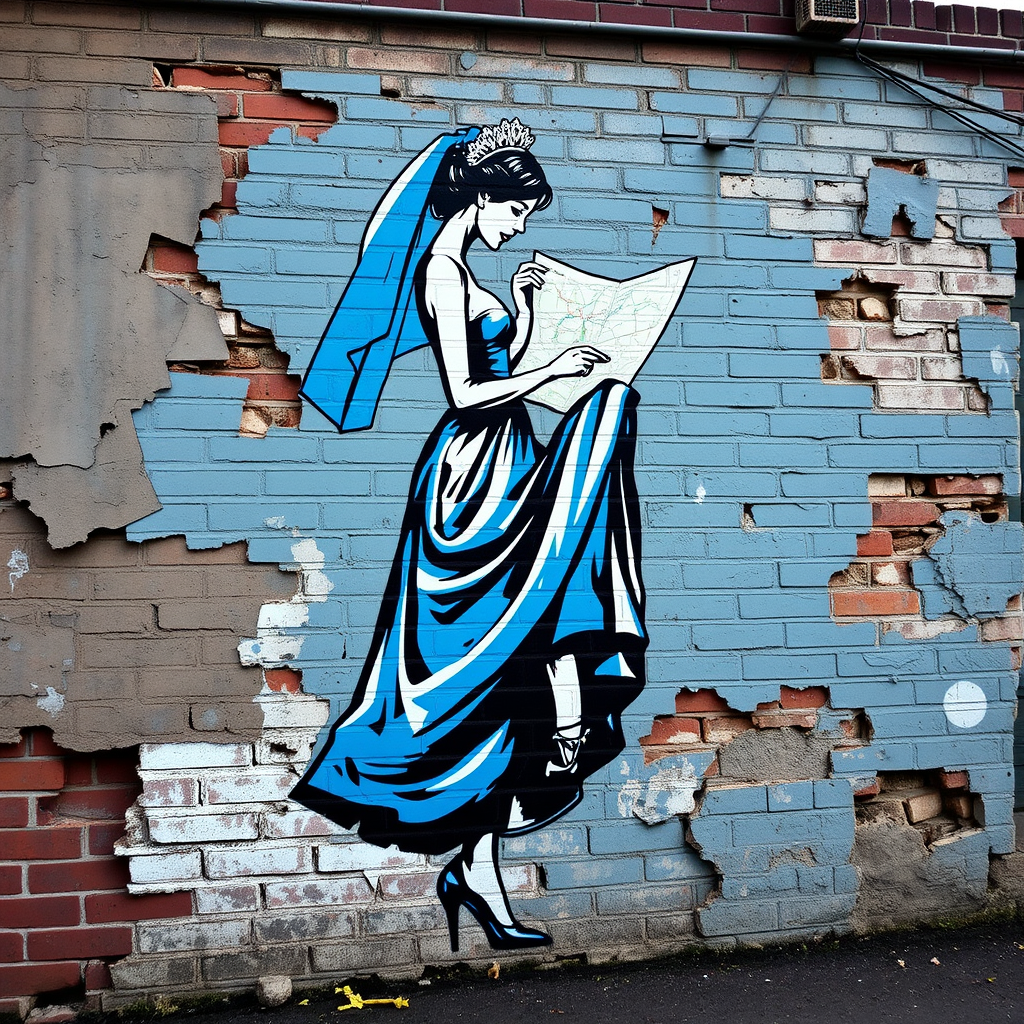
    In the heart of a decaying industrial district, where the concrete breathes dust and the shadows of abandoned factories stretch like long, skeletal fingers, a singular vision of defiance emerged. A woman in a dress of electric, impossible blue stood amidst the monochromatic sprawl, a visual rupture in the fabric of urban decay. This was not merely a fashion statement or a performative stunt, but a calculated act of artistic rebellion that challenged the very geography of our public spaces. By positioning herself against the backdrop of crumbling brick and rusted iron, she forced the viewer to confront the tension between the ephemeral nature of human joy and the rigid, often oppressive structures of legal defeat. The blue wedding heist, as it has come to be known, serves as a poignant reminder that even in the most desolate environments, the human spirit can carve out a space for radical self-expression.

    The Chromatic Dissonance of Defiance

    The choice of color was far from accidental, as the vibrant cerulean hue acted as a beacon of life in a landscape defined by its lack of vitality. In color theory, blue often represents stability and trust, yet here it functioned as a jarring intrusion, a neon scream against the muted whispers of the city. This visual anchor served to highlight the stark contrast between the fluidity of the bride’s movement and the static, unyielding nature of the urban architecture surrounding her. It was a deliberate attempt to reclaim a space that had been long forgotten by the city planners and the legal systems that govern our movement through public domains.

    When we analyze the aesthetic choices made during this intervention, we see echoes of the guerrilla art movement popularized by figures like Banksy. Much like a stencil sprayed onto a wall in the dead of night, the blue dress was a temporary mark of ownership over a space that technically belonged to no one and everyone simultaneously. The act of wearing such a garment in a place of industrial ruin forces us to reconsider the boundaries of our own geography of defeat, where legal restrictions often dictate where we can stand and what we can represent. By refusing to blend into the grey, the bride asserted her right to exist in a space that was designed to be ignored.

    Mapping the Legal Landscape of Urban Art

    The legal ramifications of such public interventions are often as complex as the art itself, frequently leading to a clash between creative expression and municipal codes. In many jurisdictions, the act of occupying a public space for a non-sanctioned performance can be interpreted as a form of trespassing or public disturbance, regardless of the artistic intent. This creates a geography of defeat where the law acts as a physical barrier, preventing the reclamation of urban spaces by those who wish to breathe new life into them. You can read more about the complexities of public space and legal rights at Project for Public Spaces to understand how these environments are managed.

    The irony of the situation is that the very laws designed to protect the integrity of public property often serve to sanitize it, stripping away the character that makes a city truly vibrant. When the bride stood in the center of that industrial wasteland, she was not just posing for a photograph; she was challenging the legal frameworks that define what is permissible in our shared environments. This legal defeat is a recurring theme in the history of street art, where the artist is constantly pushed to the margins of the city, forced to operate in the shadows of the law. It is a battle of attrition, where the city seeks to maintain order, and the artist seeks to maintain a pulse.

    The Banksy Effect and the Power of Anonymity

    There is a distinct, almost palpable influence of the Banksy-style approach in this performance, particularly in the way it utilizes the environment as a collaborator rather than just a backdrop. By engaging with the gritty textures of the city, the bride transformed the site into a living gallery, one that required no ticket and offered no apology for its existence. This guerrilla performance art relies on the element of surprise and the power of the image to transcend the physical limitations of the location. It is a reminder that art does not need to be housed in a museum to be profound; it simply needs to be seen by the right eyes at the right time.

    The anonymity often associated with such acts adds a layer of intrigue, allowing the focus to remain entirely on the message rather than the messenger. By removing the ego from the equation, the artist allows the audience to project their own experiences and interpretations onto the scene, making the work more accessible and impactful. This is a hallmark of modern protest art, where the goal is to spark a conversation rather than to seek personal acclaim. For further insights into the evolution of street art and its cultural impact, visit Widewalls to explore the history of the movement.

    Reclaiming the Narrative of the City

    The blue wedding heist serves as a powerful metaphor for the broader struggle to reclaim our cities from the forces of gentrification and corporate homogenization. When we allow our public spaces to be defined solely by their utility or their economic value, we lose the capacity for wonder and the ability to imagine alternative futures. The bride, in her brilliant blue, was a symbol of resistance against this narrowing of our collective imagination. She reminded us that the city is not just a collection of buildings and streets, but a living, breathing entity that is shaped by the people who inhabit it.

    This act of defiance is a call to action for all of us to look at our surroundings with fresh eyes and to question the rules that govern our interactions with the world. We must ask ourselves who owns the city and who gets to decide what is beautiful or meaningful within it. By embracing the urban rebellion inherent in such acts, we can begin to dismantle the geography of defeat that keeps us confined to the predictable and the mundane. The blue dress was not just a piece of fabric; it was a flag planted in the heart of the city, signaling that the fight for our public spaces is far from over.

    Final Thoughts

    Ultimately, the blue wedding heist remains a testament to the enduring power of art to disrupt the status quo and challenge the structures of power. It reminds us that even when we face the weight of legal defeat or the crushing monotony of industrial decay, we possess the agency to create moments of profound beauty and significance. By choosing to stand in the light of our own convictions, we can transform the greyest of landscapes into a canvas for our own liberation. Let this serve as an invitation to find your own blue dress, to step into the spaces that have been denied to you, and to make your mark on the world in a way that cannot be ignored or erased.

  • Rebel Reform: Defending the Green Earth Under God

    Rebel Reform: Defending the Green Earth Under God

    A Call to Stewardship in an Age of Ecological Disruption

    The modern environmental movement often feels disconnected from the foundational values that once defined our relationship with the natural world. We find ourselves at a crossroads where the rugged spirit of rebellion meets the quiet, profound reverence for the divine architecture of our planet. By embracing a green earth philosophy, we can bridge the gap between aggressive conservation efforts and the spiritual necessity of protecting our common home. This is not merely a political stance but a moral imperative that demands we act as guardians of the life-sustaining essence that has been entrusted to us. As we navigate the complexities of climate change and resource depletion, we must reclaim the narrative of stewardship to ensure that future generations inherit a world that is both vibrant and resilient.

    The Intersection of Faith and Environmentalism

    For too long, the discourse surrounding environmental protection has been polarized, often pitting scientific necessity against deeply held personal beliefs. However, there is a growing movement that recognizes the inherent sanctity of the natural world as a reflection of a higher order. When we view the environment through the lens of divine stewardship, the act of conservation becomes an expression of gratitude and responsibility. This perspective shifts the focus from mere resource management to a holistic appreciation of the intricate systems that support all life on earth.

    By integrating these values, we can foster a more inclusive dialogue that resonates with a broader audience. It is essential to acknowledge that the health of our ecosystems is inextricably linked to our own spiritual and physical well-being. Many organizations, such as those found at https://www.creationstewardship.org, are already working to highlight how faith-based initiatives can drive meaningful change. When we align our actions with the belief that the earth is a sacred trust, our commitment to sustainability becomes unshakable and deeply rooted in our collective identity.

    Rebellion as a Catalyst for Ecological Reform

    The term rebellion often carries connotations of chaos, but in the context of environmental reform, it represents a necessary disruption of the status quo. We are currently witnessing a system that prioritizes short-term gain over the long-term viability of our planet, and this requires a bold, rebellious spirit to challenge. This ecological rebellion is not about destruction; it is about dismantling the structures that facilitate environmental degradation and replacing them with sustainable, life-affirming alternatives. It requires the courage to stand against the tide of convenience and demand a radical shift in how we interact with our natural resources.

    To be a rebel for the earth is to be a visionary who refuses to accept the inevitability of ecological collapse. It involves questioning the industrial practices that pollute our air and water while advocating for policies that prioritize the health of our ecosystems. This form of activism is grounded in the understanding that true progress cannot be measured by economic growth alone but by the vitality of the environment we inhabit. By challenging the prevailing norms, we create the space for innovative solutions that honor the delicate balance of our world and protect the biodiversity that is essential for our survival.

    The Palette of Nature and the Aesthetics of Change

    The visual language of our movement is defined by deep earth tones and vibrant greens, colors that evoke the rugged beauty of the wilderness and the life-giving power of the forest. These colors serve as a constant reminder of the stakes involved in our struggle for a sustainable future. When we surround ourselves with the imagery of the natural world, we are reminded of the inherent value of the landscapes we are fighting to preserve. This aesthetic choice is intentional, designed to bridge the gap between the raw, untamed nature of rebellion and the serene, divine essence of the environment.

    Incorporating these themes into our advocacy helps to ground our message in the reality of the earth itself. It is a visual representation of our commitment to a world where humanity and nature exist in harmony rather than in conflict. Resources like those provided by https://www.earthday.org offer further insights into how we can effectively communicate the urgency of our mission through compelling narratives and imagery. By utilizing a palette that reflects the earth, we reinforce the idea that our cause is not abstract but deeply connected to the physical reality of the ground beneath our feet and the canopy above our heads.

    Building a Resilient Future Through Collective Action

    The path toward a sustainable future is paved with the efforts of individuals who are willing to commit to long-term, systemic change. We must move beyond individual actions and foster a sense of collective responsibility that transcends borders and ideologies. This sustainable reform requires us to work together, sharing knowledge and resources to build communities that are resilient in the face of environmental challenges. By pooling our talents and passions, we can create a powerful force for good that is capable of influencing policy and shifting cultural attitudes toward the environment.

    Education plays a critical role in this process, as we must empower others to understand the complexities of the issues we face. When people are informed about the impact of their choices, they are more likely to engage in meaningful action that supports the health of the planet. We must also advocate for transparency and accountability from the institutions that have the greatest impact on our environment. Through persistent, organized effort, we can ensure that the principles of stewardship are integrated into every level of society, creating a legacy of care that will endure for generations to come.

    Final Thoughts

    The journey toward defending our green earth is a marathon, not a sprint, and it requires a steadfast commitment to the values we hold dear. By embracing the intersection of faith, rebellion, and ecological responsibility, we can forge a path that honors both the divine essence of our world and the urgent need for reform. Let us continue to act with courage and conviction, knowing that our efforts are part of a larger, sacred mission to protect the life-sustaining beauty of our planet. Together, we can ensure that the earth remains a vibrant, thriving home for all, guided by the principles of stewardship and the enduring spirit of those who dare to stand for what is right.

  • Gothic Green Geography: A Dissonant Landscape

    Gothic Green Geography: A Dissonant Landscape

    Where Shadow Meets Verdant Overgrowth: The Unsettling Beauty of Gothic Green

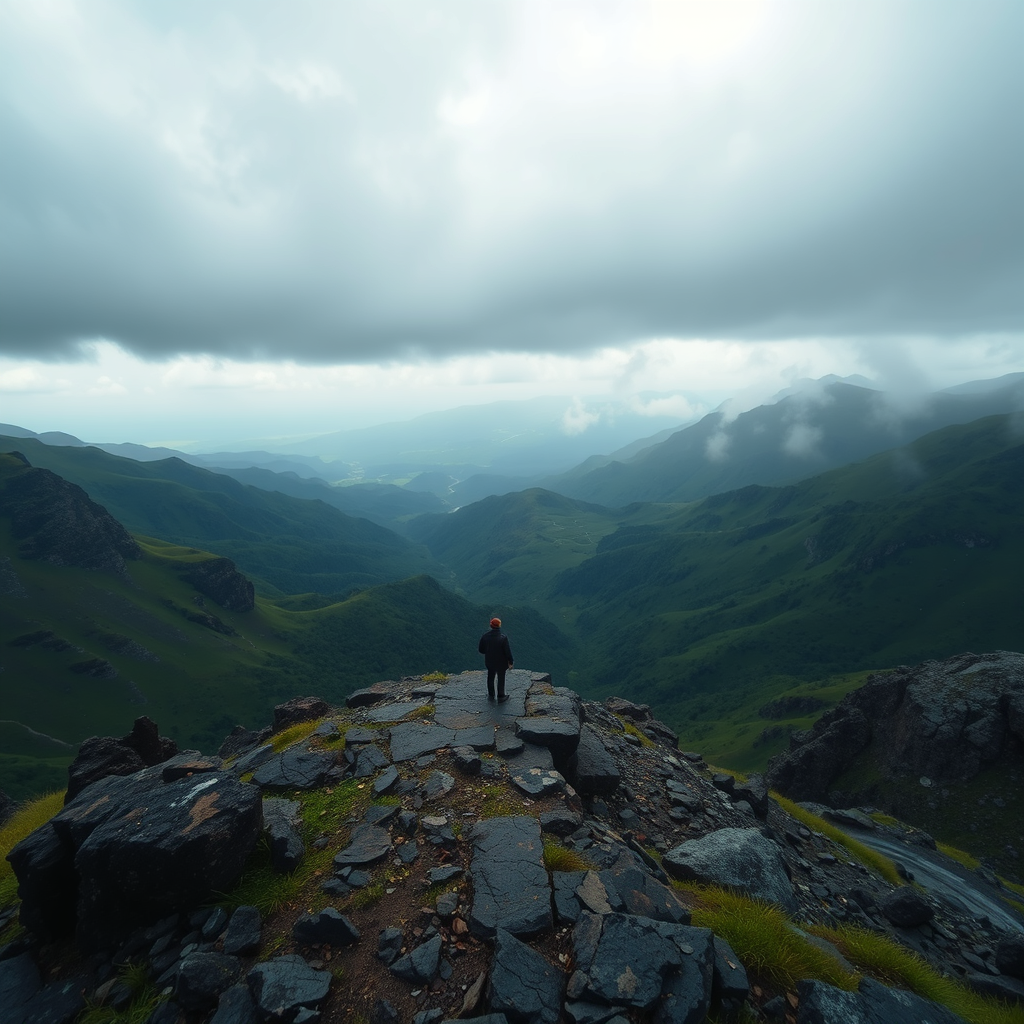
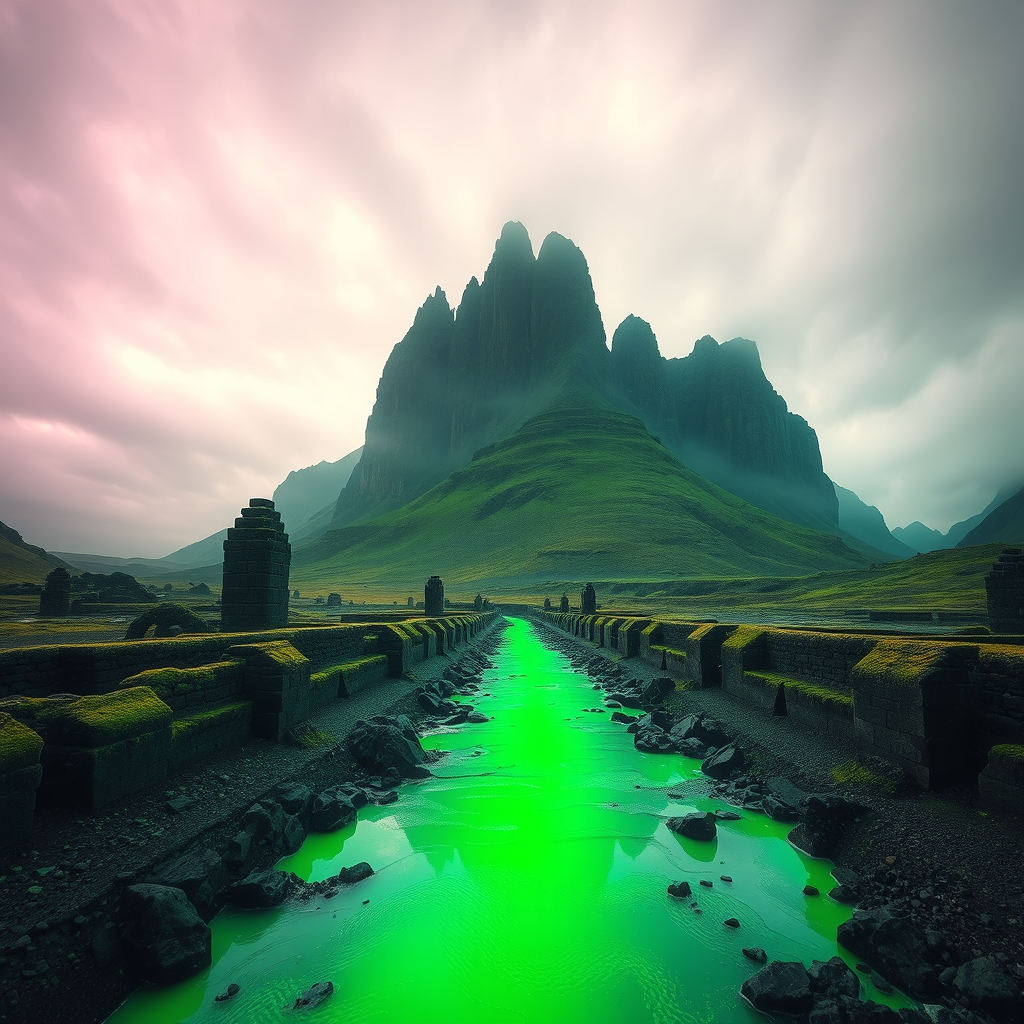
    The aesthetic of the Gothic is intrinsically linked to shadow, decay, and the melancholic grandeur of crumbling stone. We envision gargoyles silhouetted against a bruised twilight sky, or ivy clinging desperately to the ruins of a forgotten abbey. Yet, when this deep, brooding sensibility collides with geography, particularly landscapes saturated with an almost aggressive, unnatural green, a fascinating dissonance emerges. This is not the gentle, pastoral green of the English countryside; this is the electric, almost toxic hue found in places where geology, biology, and perhaps even myth converge to create a truly unsettling vista. Exploring these gothic green geography sites forces us to reconsider the boundaries of beauty and the inherent tension between darkness and rampant life.

    The Emerald Depths of Volcanic Vents and Hydrothermal Flora

    Consider the deep-sea vents or the hyper-fertile soils surrounding certain active volcanoes. Here, life thrives under conditions that should, by all conventional standards, be hostile. The resulting flora often exhibits colors that defy typical expectations—a deep, almost blackish-green that absorbs light rather than reflecting it softly. This intense pigmentation speaks to a struggle for survival, mirroring the Gothic preoccupation with enduring hardship against overwhelming odds. Imagine a subterranean cavern, lit only by bioluminescence, where mosses cling to basalt columns in shades of jade so dark they appear almost liquid.

    These environments, often hidden from direct sunlight, possess an inherent mystery that aligns perfectly with Gothic narrative structures. The very air might be thick with sulfurous steam, creating a perpetual, low-hanging fog that obscures the horizon, much like the mists surrounding Castle Otranto. The green here is not welcoming; it is demanding, a testament to life’s tenacity in the face of geological violence. Researchers studying extremophiles often find these vibrant, yet strangely muted, colors, offering a visual paradox that captivates the imagination and fuels tales of hidden worlds beneath our feet. The science behind these bizarre ecosystems offers a real-world foundation for fantastical settings.

    The Uncanny Valley of Artificial Saturation: Mining Scars and Chemical Blooms

    Sometimes, the most unsettling greens are not purely natural but are the result of human intervention, leaving behind scars that mimic the dramatic decay central to Gothic literature. Abandoned mining sites, particularly those rich in copper or other heavy metals, often leach minerals into the surrounding water and soil, creating pools and fields of startling, almost neon green. This chemical luminescence is the antithesis of natural growth; it is a vibrant death mask painted onto the landscape. This manufactured vibrancy creates a profound sense of unease, a landscape that looks alive but is fundamentally poisoned.

    This phenomenon perfectly captures the Gothic theme of corrupted purity. Where one expects the somber browns and grays of industrial ruin, one is confronted instead with a shocking, almost radioactive verdancy. Think of the abandoned quarries where the water has turned a brilliant, unsettling turquoise or emerald, reflecting the sky in a way that feels entirely wrong. These locations serve as powerful metaphors for the Faustian bargain—the pursuit of wealth or progress leading to an unnatural, yet visually arresting, consequence. The dissonant landscape becomes a character in itself, silently screaming its toxicity through its brilliant coloration. For further reading on environmental remediation and strange colorations, one might explore Environmental Protection Agency reports, though the aesthetic interpretation remains purely artistic.

    Tropical Overgrowth: The Jungle as a Gothic Labyrinth

    While we often associate the Gothic with temperate climates and decaying European architecture, the concept translates powerfully to the tropical jungle, which functions as nature’s most overwhelming cathedral. Here, the green is so dense, so pervasive, that it becomes oppressive rather than refreshing. Sunlight struggles to penetrate the canopy, plunging the forest floor into a perpetual, humid twilight—a perfect setting for suspense and hidden horrors. The sheer volume of biomass creates a suffocating atmosphere, a living architecture that swallows ruins whole.

    In these environments, the green is not just a color; it is a physical barrier, a labyrinthine challenge. Vines become the chains of some unseen prison, and the constant drip of moisture mimics the slow, inevitable decay of stone. The verdant overgrowth consumes everything, suggesting that even the most solid human endeavors are temporary against the relentless march of biological proliferation. This is the Gothic sublime taken to its extreme: beauty so overwhelming it borders on terror. Exploring the concept of the sublime in nature provides excellent context for this feeling; see Edmund Burke’s philosophical take on the subject for deeper insight into terror and beauty.

    The Spectral Green of Northern Bogs and Peatlands

    Moving to colder, damper climes, the peat bogs of Ireland, Scotland, and Scandinavia offer a different, yet equally potent, shade of Gothic green. Here, the water is stained dark by tannins, creating pools of black tea reflecting a sky often heavy with cloud. Yet, the sphagnum mosses and specialized sedges that thrive in these acidic, oxygen-starved environments often display a pale, almost sickly chartreuse or olive hue. This is the green of preservation, where bodies and artifacts are held in stasis for millennia, creating a landscape steeped in historical dread.

    The bog is the ultimate repository of secrets, a place where the past is not buried but suspended. The pale green mosses seem spectral, illuminated by the weak northern light, suggesting ghosts clinging to the saturated earth. This environment embodies the Gothic preoccupation with memory and the inability to fully escape history. The silence in these vast, flat expanses is profound, broken only by the occasional sucking sound of the earth reclaiming moisture—a sound that echoes the slow, inexorable consumption central to the dark aesthetic. The preservation qualities of peat bogs are fascinating from a historical perspective, often yielding perfectly preserved ancient textiles and human remains, reinforcing the theme of suspended time. The mystery of bog bodies adds a layer of human tragedy to the landscape.

    The Unnatural Glow: Bioluminescence and Fungal Networks

    Finally, we must consider the greens that appear when the sun has completely vanished, the realm of the truly uncanny. Bioluminescent fungi, thriving in the damp, dark undergrowth of ancient forests, cast an eerie, cold light. This is the green of fairy tales turned sinister, the illumination that guides the unwary traveler deeper into the woods. This light source is entirely divorced from solar energy, suggesting a hidden, internal power source within the earth itself, a secret life operating just beneath the surface of perception.

    This spectral illumination transforms familiar woodland into an alien environment, a perfect stage for supernatural encounters. The eerie glow suggests magic, corruption, or perhaps a communication network entirely unknown to human science. It is the ultimate expression of the Gothic fascination with the hidden mechanisms of the world, the things that operate in the dark while we sleep. These fungal networks, the true hidden architects of the forest floor, provide a powerful visual metaphor for the unseen connections that bind fate and tragedy in classic Gothic novels. The study of mycology, especially regarding light-producing organisms, reveals a world far stranger than fiction often allows. Learn more about glowing fungi and their chemical processes.

    Final Thoughts

    The Gothic Green Geography is more than just a juxtaposition of dark themes and bright colors; it is an exploration of tension. It is where the romantic yearning for the sublime meets the harsh reality of geological or biological extremity. Whether it is the toxic brilliance of a chemical spill, the oppressive density of a tropical canopy, or the spectral light of deep-sea life, these landscapes challenge our expectations of what constitutes a ‘dark’ setting. They remind us that decay and vibrant life are often two sides of the same coin, and that the most profound beauty frequently resides in the most unsettling, dissonant landscape formations. These places demand contemplation, forcing the observer to confront the unsettling truth that the most dramatic narratives are often written not by authors, but by the earth itself, using the most vibrant, yet strangely somber, palette imaginable. Atlas Obscura often features sites that fit this strange intersection of nature and the uncanny.

  • Black Dissonance: A Wacky Geography of Misogyny

    Black Dissonance: A Wacky Geography of Misogyny

    When Neon Meets the Abyss: Decoding Digital Dissonance

    The internet, in its sprawling, chaotic glory, often presents juxtapositions that defy easy categorization. Consider the visual language of certain online spaces, where the most vibrant, almost aggressively cheerful aesthetics clash head-on with deeply troubling thematic content. This phenomenon, which we might term ‘Black Dissonance,’ is particularly jarring when observed within content management systems that rely heavily on visual cues for navigation and mood setting. Imagine a digital landscape painted in the loudest possible hues—think electric lime, shocking pink, and blinding turquoise—the very colors screaming ‘fun’ and ‘whimsy.’ Yet, nestled within this visual carnival are discussions, archives, or user-generated content that explore the darkest corners of human interaction, specifically focusing on systemic prejudice and gendered hostility. This stark, almost painful contrast forces the observer to confront the uncomfortable reality that superficial brightness often masks profound, underlying darkness, creating a unique geography of digital discomfort.

    The Aesthetics of Avoidance: Why So Much Pink?

    The reliance on ‘wacky’ or ‘cute’ visual themes in certain online communities is often a deliberate, if subconscious, strategy of aesthetic camouflage. Bright, almost saccharine color palettes serve as a visual buffer, softening the impact of potentially abrasive or controversial subject matter. This is not accidental; it’s a form of digital misdirection, drawing the eye toward the superficial sparkle while the core content remains stubbornly opaque or, worse, actively hostile. When the visual language screams ‘innocuous fun,’ the critical faculties of the casual browser are often lowered, making the underlying message harder to immediately flag or challenge. This aesthetic choice creates a peculiar environment where serious critiques of societal ills are presented through a lens designed to suggest they are merely playful diversions or niche interests, rather than urgent matters demanding serious engagement. We see this pattern repeated across various platforms where the packaging deliberately contradicts the product.

    This visual strategy is deeply intertwined with historical trends in how marginalized voices, particularly women, have been forced to present their grievances. To be heard, sometimes one must adopt a palatable facade, a performance of lightness that belies the weight of the subject matter being discussed. However, when this facade is adopted by those perpetuating harmful narratives, it becomes a weaponized form of irony. The visual dissonance acts as a shield, allowing purveyors of toxic viewpoints to hide behind a veneer of playful absurdity. It’s a sophisticated form of plausible deniability, where any direct confrontation can be deflected with a shrug and a reference to the ‘silly’ design choices. This deliberate clash between form and function is central to understanding the modern digital landscape where sincerity is often suspect.

    Mapping the Contradiction: From Cute to Cruel

    The geography of this dissonance is mapped not by physical location but by thematic clustering. When one navigates through archives tagged with terms suggesting lightheartedness or niche hobbies—perhaps related to crafting, gaming, or specific subcultures celebrated for their vibrant communities—and then encounters threads dedicated to the systematic degradation of women, the effect is immediate and sickening. The vibrant blues and yellows, meant to evoke joy, suddenly feel accusatory, highlighting the severity of the adjacent text. This isn’t just poor design; it’s a commentary on how easily toxicity can infiltrate spaces designed for community and creativity. The very structure of content organization, which relies on these visual signifiers, inadvertently creates pathways to these dark intersections.

    Examining the underlying rhetoric reveals that the ‘wacky’ environment often fosters a sense of entitlement among certain user groups. When the environment is visually permissive—suggesting anything goes because it’s all just ‘fun’—the boundaries for acceptable discourse erode rapidly. This permissive atmosphere allows for the normalization of misogynistic tropes, often disguised as ‘edgy humor’ or ‘just joking.’ The bright colors become the backdrop for the slow, insidious creep of harmful ideologies, making the environment feel simultaneously safe (due to the visual cues) and deeply unsafe (due to the content). Understanding this requires a deep dive into the psychology of online presentation and how visual cues shape behavioral expectations, a topic explored extensively in studies on digital ethnography here.

    The Psychology of the Glitch: Why We Can’t Look Away

    The human brain is wired to seek patterns and resolve cognitive conflict. Black Dissonance is, fundamentally, a cognitive glitch. When the visual input (bright, happy colors) screams one thing and the textual input (hostile, prejudiced language) screams the opposite, the resulting tension is arresting. We are compelled to look closer, trying to reconcile the irreconcilable. This tension is precisely what keeps engagement high in these contradictory spaces, even if that engagement is rooted in shock or revulsion. The digital paradox ensures visibility, even if the visibility is negative. This is a crucial element in understanding how toxic communities maintain relevance in an oversaturated media environment.

    Furthermore, the persistence of this aesthetic choice suggests a deliberate cultivation of irony as a defense mechanism. If everything is presented as a joke, nothing needs to be taken seriously, especially not accountability. The vibrant, almost cartoonish presentation allows the perpetrators to maintain a distance from the real-world impact of their words, framing their actions as mere performance art within a brightly colored stage. This detachment is crucial for sustaining the behavior over time, as it minimizes the internal conflict experienced by those participating in the hostility. For those observing, however, the experience is one of constant, low-level psychological friction, a feeling that something is fundamentally broken in the system’s presentation layer. For further reading on cognitive load and visual processing, see this analysis on cognitive load.

    SEO and the Shadow Economy of Clicks

    From a purely technical perspective, the Black Dissonance phenomenon highlights a fascinating, if disturbing, intersection with search engine optimization and content monetization. Content that generates strong emotional reactions—whether positive or negative—drives engagement metrics, which translates directly into ad revenue or platform visibility. The jarring contrast inherent in this dissonance is a powerful engagement hook. A title or thumbnail that promises ‘wacky fun’ but delivers something deeply unsettling is highly likely to generate clicks, shares, and comments, regardless of the quality or morality of the content itself. This creates an incentive structure that rewards sensationalism over substance.

    The algorithmic amplification of this contrast means that the very systems designed to connect users with relevant information are instead prioritizing content based on its capacity to shock or provoke a strong reaction, irrespective of the underlying ethical framework. The black elements—the serious, often hateful themes—are visually muted by the neon overlay, yet they are the very substance that generates the necessary controversy for algorithmic success. This is a systemic failure where the visual wrapper, designed for appeal, becomes the primary driver for the distribution of harmful narratives. We must consider how platforms can adjust their visual ranking signals to de-prioritize content where the aesthetic presentation actively misrepresents the thematic gravity. Explore the ethics of engagement metrics here: Wired on Engagement Ethics.

    The Responsibility of the Interface Designer

    Ultimately, the visual geography of online spaces is not accidental; it is designed, curated, or at least permitted by the tools we use to build them. Interface designers and platform architects hold a significant, often unacknowledged, responsibility for the emotional and psychological terrain their creations foster. When a platform allows for such extreme visual-thematic misalignment, it tacitly endorses the environment where toxicity can flourish under a blanket of bright colors. The concept of user experience (UX) must evolve beyond mere usability and efficiency to encompass ethical presentation and the prevention of cognitive harm.

    Moving forward requires a conscious effort to integrate ethical design principles that actively resist the weaponization of aesthetic appeal. This means implementing guardrails that flag or de-emphasize content where the visual presentation is deliberately misleading or used to mask harmful discourse. It demands a shift away from prioritizing raw engagement at all costs toward fostering environments that are both functional and psychologically sound. The fight against pervasive online hostility is not just about content moderation; it is about the very architecture of our digital homes, ensuring that the colors we use to decorate do not become the camouflage for the shadows we wish to ignore. Consider the principles outlined in this guide to ethical design: AIGA Ethical Design.

    Final Thoughts

    The Black Dissonance observed across various digital platforms—the stark, unsettling marriage of vibrant, ‘wacky’ aesthetics with deeply rooted misogynistic content—is more than just a quirky design flaw; it is a critical symptom of how modern online ecosystems prioritize engagement over integrity. This visual contradiction serves as a powerful, if disturbing, metaphor for the way societal prejudices can be packaged to appear harmless, even desirable, to the casual observer. Recognizing this geography of digital dissonance is the first step toward demanding more responsible design and content curation from the platforms that shape our shared reality. We must actively seek out and challenge these jarring juxtapositions, ensuring that the pursuit of digital visibility does not inadvertently become the engine for normalizing harmful ideologies, thereby reclaiming the visual landscape for genuine community and constructive discourse.

  • Beyond the Glare: Ramya’s Resilience in Tamil Cinema’s Light

    The silver screen often casts a blinding light, a dazzling spectacle that can obscure the individual journeys within. For many, the name Ramya evokes a specific image, a familiar presence in Tamil cinema. Yet, behind the sheen of stardom, lie narratives of struggle, of moments failing to meet expectations, and of resilience. This article delves into the often-unseen facets of this journey, exploring how an artist navigates the intense scrutiny and pressures inherent in the industry.

    The commission to excel is ever-present. Every role, every performance, is a test. When a film doesn’t perform as expected, the weight of that perceived failing can be immense. It’s not just about the box office numbers; it’s about the artistic integrity, the countless hours of dedication, and the hopes tied to a project. The journey from a budding artist to a recognized name is rarely a straight line. It often involves navigating complex industry dynamics, understanding the subtle shifts in audience preferences, and constantly adapting.

    Consider the impact of public perception. When controversies arise, or when personal lives are thrust into the spotlight, it can feel like a public killed the private artist. The constant demand for public appearances, the scrutiny of every word spoken, and the relentless cycle of news can be exhausting. This is where the strength of character truly shines. The ability to rise above the noise, to remain focused on one’s craft, is a testament to an artist’s inner fortitude.

    Ramya’s story, like many in the vibrant Tamil cinema landscape, is a narrative of perseverance. It highlights the importance of a strong support system, the need for self-belief, and the courage to pursue one’s passion despite setbacks. The influence of regional cinema, particularly the rich tradition of Tamil storytelling, provides a unique backdrop to these personal triumphs and tribulations. The industry, much like a bustling train station, is a place of constant comings and goings, of fleeting moments and enduring legacies.

    While the tennis court might seem a world away from the film studio, the discipline and mental toughness required in both arenas share striking parallels. The ability to perform under pressure, to bounce back from a lost point or a critical review, is a common thread. The Hindu faith, for many, offers a source of spiritual grounding and inner peace, providing a beacon of light amidst the often-turbulent waters of fame.

    Ultimately, the story of artists like Ramya is not just about the films they make, but about the human spirit’s capacity to endure and thrive. It’s a reminder that behind every celebrated figure, there are layers of dedication, vulnerability, and an unwavering commitment to their art. The letters of appreciation from fans, the critical acclaim, and the personal satisfaction derived from a well-executed performance are the true rewards, illuminating the path forward. The industry continues to evolve, and artists like Ramya, by embracing their challenges, continue to shape its future, adding their unique sheen to the tapestry of Tamil cinema.