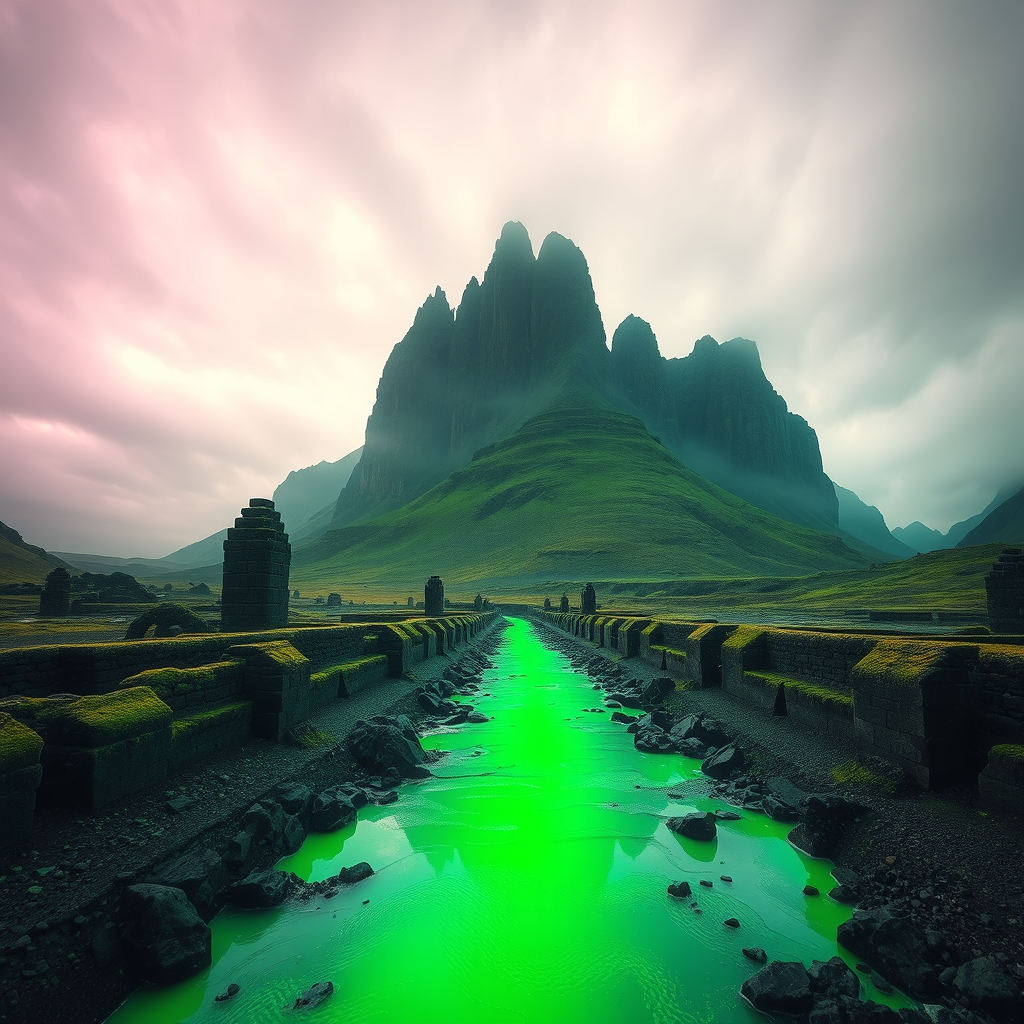
Tag: gothic

  • Gothic Echoes: The Hedonist Cults of Ancient Ophelia

    Gothic Echoes: The Hedonist Cults of Ancient Ophelia

    Unearthing the Obsidian Legacy of a Forgotten Civilization

    Beneath the shifting sands of the forgotten Ophelia basin, archaeologists have unearthed remnants of a society that thrived on the razor edge of excess and malice. The ancient Ophelians were not merely a civilization of builders and merchants, but a collective bound by the dark allure of the Hedonist Cults, groups that prioritized sensory indulgence above all moral constraints. These cults operated in the shadows of towering obsidian monoliths, where the air was thick with the scent of burning resins and the echoes of forbidden rituals. To understand Ophelia is to confront the duality of human nature, where the pursuit of pleasure often descends into a bottomless pit of hatred and destruction.

    The Architecture of Despair and Opulence

    The physical landscape of ancient Ophelia was defined by a stark, unsettling contrast between deep charcoal stone and veins of decaying gold. This aesthetic choice was not accidental, as the ruling elite believed that the juxtaposition of darkness and wealth mirrored the soul of the universe. Every temple was constructed from volcanic glass, polished to a mirror finish that reflected the flickering torchlight of nocturnal ceremonies. These structures served as the primary stage for the Ancient Ophelia elite, who spent their days in a state of perpetual, manufactured ecstasy. The architecture itself was designed to intimidate, with sharp, jagged angles that seemed to pierce the sky, reminding the commoners of the absolute power held by those who worshipped the void.

    Historians have long debated the purpose of the gold-leafed chambers found deep within the obsidian foundations. These rooms were not meant for public display but were private sanctuaries where the cult leaders engaged in rituals that defied contemporary social norms. The decay of the gold, often intentionally accelerated by acidic vapors, symbolized the fleeting nature of their hedonistic pursuits. It was a visual reminder that even the most brilliant wealth eventually succumbs to the entropy of time and the darkness of the cults’ true intentions. You can read more about the archaeological significance of such sites to understand how material culture reflects the psychological state of a dying empire.

    Rituals of the Obsidian Veil

    The core of the cults’ influence lay in their secretive, night-long rituals that blended extreme sensory stimulation with a profound, underlying hatred for the outside world. Participants would don robes of charcoal silk, adorned with tarnished gold embroidery, to signify their status as vessels of the void. These gatherings were characterized by a complete abandonment of restraint, where the Hedonist Cults sought to transcend the limitations of the human condition through excess. Music, often described in ancient scrolls as a dissonant harmony of drums and glass chimes, played a crucial role in inducing a trance-like state among the congregants. It was during these moments of collective hysteria that the cults solidified their control over the Ophelian population, using fear as a tool to maintain their grip on power.

    The psychological impact of these rituals cannot be overstated, as they fostered a culture of isolationism and elitism. By convincing their followers that they were the only ones capable of experiencing true pleasure, the cult leaders effectively severed all ties to traditional societal values. This radical shift in perspective led to the systematic persecution of those who refused to participate in the hedonistic lifestyle. The hatred that permeated these rituals was not directed at any specific enemy, but rather at the very concept of moderation and balance. For further insight into the sociological dynamics of ancient cults, one might explore the historical patterns of how extreme belief systems isolate their members from the broader community.

    The Decay of the Golden Age

    As the centuries passed, the obsession with hedonism began to erode the foundations of Ophelian society from within. The elite became increasingly detached from the realities of governance, focusing entirely on the maintenance of their opulent, dark-themed sanctuaries. This neglect led to a crumbling infrastructure and a starving populace, yet the cults only intensified their demands for resources to fuel their extravagant lifestyle. The Ancient Ophelia civilization reached a breaking point when the gold reserves, once a symbol of their divine right to rule, became a source of bitter conflict among the ruling families. The decay was not just physical, but moral, as the pursuit of pleasure turned into a desperate, violent struggle for survival.

    The final years of the empire were marked by a series of internal purges, as different factions within the cults vied for control over the remaining wealth. The obsidian monoliths, once symbols of strength, became prisons for those who fell out of favor with the high priests. It is a tragic irony that the very hedonism they worshipped eventually consumed them, leaving behind only ruins and whispers of their former glory. The collapse was swift and absolute, leaving the city to be reclaimed by the desert sands. This period serves as a cautionary tale about the dangers of unchecked indulgence and the inevitable decline of societies that prioritize personal gratification over the common good.

    Echoes in the Modern Consciousness

    Even today, the legacy of the Ophelian cults continues to haunt the collective imagination, appearing in literature and art as a symbol of decadence and ruin. The imagery of deep charcoal and decaying gold has become a staple of gothic aesthetics, representing the eternal struggle between light and shadow. Modern observers are drawn to the Hedonist Cults not because they admire their actions, but because they recognize the inherent human desire for transcendence through excess. The story of Ophelia is a mirror held up to our own society, forcing us to question the cost of our own modern comforts and the potential for our own decline. It is a reminder that the shadows we cast are often as significant as the light we project.

    The study of these ancient people provides a unique lens through which we can examine the darker aspects of human history. By analyzing the remnants of their culture, we gain a better understanding of how belief systems can be manipulated to justify extreme behavior. The Ancient Ophelia civilization may be long gone, but the patterns of their rise and fall remain relevant in an era of rapid change and uncertainty. We must look closely at the obsidian ruins and the tarnished gold to see the truth of what happens when a society loses its moral compass. Ultimately, the echoes of the cults serve as a warning that the pursuit of pleasure, when divorced from empathy and responsibility, leads only to the void.

    Final Thoughts

    The history of the Ophelian cults is a complex tapestry of beauty, horror, and profound human frailty. By examining the interplay between their dark aesthetic and their hedonistic practices, we uncover the fragile nature of civilization itself. We must continue to study these remnants, not to glorify their excesses, but to learn from the mistakes that led to their ultimate destruction. The legacy of the Hedonist Cults remains a powerful testament to the dangers of unchecked power and the enduring allure of the dark. As we move forward, let us remember the lessons of the obsidian monoliths and strive for a balance that honors both our need for joy and our responsibility to one another.

  • Tehran Filings: A Gothic Defeat of Political Culture

    Tehran Filings: A Gothic Defeat of Political Culture

    When the Architecture of Power Succumbs to the Overgrowth of History

    In the heart of the capital, where the concrete skeletons of bureaucratic ambition scrape against a smog-choked sky, a strange transformation is taking place. The rigid, imposing structures of political authority are no longer the masters of their domain, but rather the hosts for a slow, creeping reclamation. This is the essence of the Tehran Filings, a visual and metaphorical study of how political culture eventually bows to the relentless persistence of the natural world. As the sharp edges of institutional design soften under the weight of neglect, we witness a gothic defeat that speaks volumes about the fragility of human governance. It is a haunting reminder that while regimes may claim permanence, the earth possesses a much longer memory.

    The Aesthetic of Institutional Decay

    The gothic nature of these urban ruins is not found in pointed arches or stained glass, but in the oppressive shadows cast by unfinished administrative blocks. These buildings were designed to project strength, stability, and an unwavering commitment to a specific ideological vision. Instead, they have become monuments to stagnation, where the air feels heavy with the dust of forgotten mandates and the silence of empty corridors. The gothic aesthetic here is defined by the stark contrast between the cold, grey concrete and the encroaching, vibrant green of wild vegetation that refuses to be contained by zoning laws or political decrees.

    Observers who wander through these sites often describe a sense of profound unease, as if the walls themselves are exhaling the exhaustion of a system that has run out of momentum. The decay is not merely physical; it is a reflection of a deeper, systemic rot that has hollowed out the purpose of these structures. When we look at the way vines snake through shattered window panes, we are seeing a literal manifestation of the ethical decay that often precedes the collapse of rigid institutions. It is a visual metaphor for how the organic, messy reality of human life eventually punctures the sterile, controlled environment of state-mandated order. You can read more about the psychological impact of urban decay in this architectural analysis of abandoned spaces.

    Nature as an Unstoppable Political Force

    There is a quiet, almost violent beauty in the way nature reclaims the spaces that power once occupied. The vibrant green of the encroaching flora acts as a direct counterpoint to the monochromatic palette of the state, signaling a shift in dominance. While the architects of these buildings intended for them to stand as eternal testaments to their influence, they failed to account for the biological imperative of the landscape. This is not a passive process; it is an active, aggressive takeover that highlights the inherent weakness of structures built on top-down control. The plants do not care for the history of the building or the prestige of the people who commissioned it.

    This phenomenon serves as a powerful critique of the hubris that defines much of modern political planning. By ignoring the environment and the needs of the populace, these institutions create a vacuum that nature is all too happy to fill. The inevitable defeat of these rigid systems is written in the roots that crack the foundation and the moss that obscures the official insignias carved into the stone. It is a humbling spectacle that suggests that true power lies not in the ability to build, but in the ability to adapt and coexist with the world around us. For further reading on the intersection of nature and urban planning, consider exploring the concepts discussed in this report on urban resilience.

    The Symbolism of the Tehran Filings

    The term Tehran Filings refers to the accumulation of bureaucratic debris and the physical layering of time within these neglected spaces. It is a metaphor for the way political promises pile up, gather dust, and eventually become indistinguishable from the rubble of the past. Each layer of decay represents a failed policy, a broken social contract, or a moment where the state chose to look away from the needs of its citizens. The gothic atmosphere is amplified by this sense of accumulation, where the past is not buried but left to fester in plain sight. It is a haunting, visceral experience to walk through these halls and realize that the authority once wielded here has evaporated into the atmosphere.

    This accumulation of failure is what makes the gothic defeat so complete and so final. There is no room for redemption in these spaces because the system itself has become a fossil, a relic of a time that no longer holds relevance. The Tehran Filings are a testament to the fact that when institutions lose their connection to the living, breathing reality of their society, they become nothing more than shells waiting to be reclaimed. The irony is that the more the state tries to project an image of permanence, the more fragile it appears when the inevitable cracks begin to show. It is a lesson in the vanity of power and the enduring strength of the natural world.

    Reclaiming the Narrative of Governance

    If we are to learn anything from the gothic defeat of these political structures, it is that governance must be as fluid and adaptive as the nature that eventually consumes it. Rigid institutions that refuse to bend will inevitably break, leaving behind only the ruins of their own arrogance. The vibrant green that now dominates these sites is a symbol of hope for a different kind of future, one where the focus is on growth and sustainability rather than control and stagnation. We must move away from the architecture of exclusion and toward a model that invites the participation of the public and the integration of the environment. The decay of the old is the necessary precursor to the birth of the new.

    The challenge for future generations is to build structures that are designed to evolve alongside the society they serve. This requires a fundamental shift in how we perceive the role of the state and the purpose of our urban environments. Instead of creating monuments to our own importance, we should be creating spaces that foster connection, resilience, and a sense of shared responsibility. The gothic defeat of the current political culture is a warning, but it is also an invitation to rethink our relationship with power and the spaces we inhabit. By embracing the lessons of the Tehran Filings, we can begin to construct a more sustainable and equitable future that does not rely on the hollow promises of the past.

    Final Thoughts

    The story of the Tehran Filings is ultimately a story about the triumph of life over the cold, unyielding grip of institutional decay. It reminds us that no matter how high we build our walls or how deep we bury our secrets, the natural world will always find a way to reclaim its territory. We are left with a haunting, beautiful vision of a future where the rigid structures of the past are softened by the touch of the wild, signaling a new beginning. As we look toward the horizon, let us choose to build with humility, knowing that our greatest legacy will be the harmony we create with the world around us. The gothic defeat is not the end of the story, but the beginning of a much more organic and hopeful chapter for our collective future.

  • Gothic Code: Indigo Shadows in a Human-Centric Digital Void

    Gothic Code: Indigo Shadows in a Human-Centric Digital Void

    Where Binary Logic Meets the Velvet Abyss of Human Desire

    In the sterile architecture of modern computing, we often forget that the screen is not merely a window into data, but a mirror reflecting our own internal darkness. The shift toward deep indigo palettes in interface design represents more than a mere aesthetic trend; it is a deliberate reclamation of the digital void by the human spirit. By stripping away the blinding white light of traditional web design, we invite the user into a space that feels less like a sterile laboratory and more like a sanctuary for the nocturnal mind. This transition toward gothic digital aesthetics acknowledges that our relationship with technology is inherently emotional, messy, and deeply rooted in the pursuit of sensory pleasure. As we navigate the cold, structured nature of code, we find that the indigo shadow provides the necessary contrast to highlight the warmth of human hedonism.

    The Architecture of the Indigo Void

    The choice of a deep indigo background is a calculated departure from the harsh, high-contrast environments that have dominated the web for decades. Unlike pure black, which can feel flat and oppressive, indigo carries a subtle, atmospheric depth that suggests the infinite expanse of a midnight sky. This color choice acts as a psychological buffer, softening the transition between the rigid, unforgiving syntax of programming languages and the fluid, unpredictable nature of human thought. When we build interfaces that embrace this shade, we are essentially creating a digital architecture that respects the user’s need for introspection and quietude.

    This design philosophy draws heavily from the principles of dark mode ergonomics, which prioritize eye comfort while simultaneously setting a mood of sophisticated mystery. By utilizing a palette that sits at the intersection of blue and violet, designers can evoke a sense of calm that is simultaneously charged with latent energy. It is a space where the binary logic of the machine is allowed to coexist with the chaotic, beautiful impulses of the human heart. In this environment, every line of code becomes a thread in a larger, more complex tapestry of digital expression.

    Code as a Gothic Expression

    Programming is often viewed as a purely utilitarian endeavor, a series of logical gates designed to produce predictable outcomes. However, when viewed through the lens of gothic romanticism, code becomes a form of dark poetry, a way to manifest our desires within a virtual realm. The act of writing software is an act of creation that mirrors the gothic obsession with the sublime, the terrifying, and the beautiful. By wrapping our digital creations in indigo shadows, we acknowledge that our work is not just about function, but about the emotional resonance of the experience.

    The human-centric digital void is not a place of emptiness, but a place of potential where the user is invited to explore their own boundaries. When we write code that serves this aesthetic, we are building environments that encourage the user to linger, to feel, and to engage with the interface on a deeper level. This is the essence of digital hedonism: the pursuit of an interface that satisfies not just the need for information, but the need for atmosphere and emotional depth. We are moving away from the era of the cold, efficient machine and toward an era of the expressive, sentient interface.

    The Intersection of Hedonism and Logic

    Hedonism in the digital age is often misunderstood as a shallow pursuit of instant gratification, but it can also be interpreted as a profound commitment to sensory richness. When we apply this to the digital workspace, we are demanding that our tools provide more than just utility; we are demanding that they provide an experience that is aesthetically and emotionally satisfying. The indigo palette serves as the perfect backdrop for this pursuit, offering a sense of luxury and depth that elevates the mundane tasks of data management into something more meaningful. It is a rejection of the utilitarian minimalism that has stripped our digital lives of their character.

    By integrating sensory interface design into our workflows, we create a feedback loop where the beauty of the environment enhances the quality of the work being performed. This is not merely about making things look good; it is about creating a psychological state that is conducive to creativity and deep focus. The indigo void acts as a container for our thoughts, protecting them from the distractions of the outside world and allowing us to delve into the complexities of our own projects. It is a space where the logic of the machine is tempered by the warmth of human intent, creating a synergy that is both powerful and deeply personal.

    Navigating the Digital Shadows

    As we continue to push the boundaries of what is possible in web design, we must remain mindful of the impact our choices have on the user experience. The use of deep indigo is not a panacea for poor design, but rather a tool that must be wielded with precision and care. It requires a deep understanding of color theory, contrast, and the way light interacts with the digital surface. When done correctly, it creates an immersive environment that draws the user in and encourages them to explore the depths of the digital landscape. This is the true power of immersive user experience, the ability to transport the user to a place where they feel both comfortable and challenged.

    We must also consider the accessibility implications of our design choices, ensuring that the indigo shadows do not obscure the information that the user needs to navigate the interface. This is where the balance between aesthetics and functionality becomes critical, requiring a nuanced approach that prioritizes both beauty and clarity. By leveraging WCAG accessibility standards, we can ensure that our gothic-inspired designs are inclusive and usable for everyone. It is a challenge that requires us to be both artists and engineers, constantly iterating on our designs to find the perfect equilibrium between the dark, emotional intensity of the gothic and the cold, structured nature of the digital.

    The Future of Dark Aesthetics

    The trend toward darker, more atmospheric interfaces is likely to continue as we seek to reclaim our digital spaces from the overwhelming noise of the modern web. As we become more aware of the psychological impact of our digital environments, we will see a greater emphasis on design that promotes well-being and emotional connection. The indigo void is just the beginning of a larger movement toward a more human-centric approach to technology, one that values the quality of the experience over the quantity of the data. This is a shift that will redefine our relationship with the machines we use every day, transforming them from tools into partners in our creative and emotional lives.

    Ultimately, the goal is to create a digital world that reflects the complexity of the human condition, with all its shadows and light. By embracing the gothic aesthetic, we are acknowledging that our digital lives are just as real and just as significant as our physical ones. We are building a future where the digital landscape is not a cold, alien place, but a vibrant, living extension of ourselves. As we move forward, let us continue to explore the possibilities of the indigo void, pushing the boundaries of what is possible and creating interfaces that are as beautiful as they are functional. The future of design is dark, it is deep, and it is waiting for us to define it.

    Final Thoughts

    The journey into the indigo shadows is a journey into the heart of what it means to be human in a digital world. By bridging the gap between the cold logic of code and the dark intensity of our own emotions, we create a space that is uniquely our own. Let us continue to build, to design, and to dream within this digital void, knowing that every pixel we place is a testament to our desire for beauty and meaning. The shadows are not something to be feared, but something to be embraced as we navigate the complex, beautiful, and ever-evolving landscape of the digital age.

  • Difficult Tensions: Gothic Ecology and the Ethics of the Field

    Difficult Tensions: Gothic Ecology and the Ethics of the Field

    Navigating the Shadows: Why the Gothic Lens is Essential for Modern Environmental Ethics

    The intersection of the gothic and the ecological is not merely a literary curiosity but a profound philosophical inquiry into our relationship with a world that often feels alien, indifferent, and increasingly fragile. As we navigate the murky waters of the Anthropocene, the traditional boundaries between the human observer and the natural world begin to dissolve, leaving behind a residue of uncertainty and dread that demands a new kind of attention. This “gothic ecology” invites us to look beyond the pastoral ideal of nature as a pristine, static backdrop and instead confront the vibrant, often terrifying agency of the non-human entities that share our planet. By embracing the shadows, the decay, and the unsettling silence of the wilderness, we find a more honest, albeit more difficult, way of understanding our place within the global ecosystem. This perspective is essential because it acknowledges the inherent complexity and “weirdness” of nature, moving away from simplistic conservation narratives toward a more nuanced appreciation of the deep obsidian tones that define our current environmental reality.

    The Obsidian Landscape and the Philosophy of Dark Ecology

    The obsidian landscape of gothic ecology is defined by its refusal to offer easy comfort or clear moral lessons, standing in stark contrast to the bright, sanitized versions of nature often found in traditional environmentalism. In this framework, the environment is not a resource to be managed or a garden to be tended, but a complex web of relationships that are often hidden from view and resistant to human categorization. We must consider the work of scholars like Timothy Morton, whose concept of dark ecology challenges us to acknowledge our inextricable link to the very things we find most unsettling, from the microscopic bacteria in our guts to the massive, slow-moving disasters of climate change. This perspective requires a radical shift in perception, moving away from the anthropocentric gaze that views nature as an object and toward a recognition of the “spectrality” of the natural world. By focusing on the deep shadows and the intricate patterns of life and death, we can begin to see the world as it truly is: a place of profound mystery and interconnectedness that does not exist for our benefit or convenience.

    To truly engage with this obsidian landscape, one must be willing to dwell in the discomfort of the unknown and the “uncanny” nature of our ecological surroundings. This involves a rejection of the “nature-as-machine” metaphor that has dominated Western thought since the Enlightenment, replacing it with a more organic, albeit more chaotic, understanding of the world. The gothic lens allows us to see the environment as a site of haunting, where the ghosts of extinct species and destroyed habitats linger in the soil and the atmosphere. This is not a nihilistic view, but rather a necessary step toward a more authentic engagement with the planet, as explored in various academic discussions on the philosophy of ecological entanglement. By acknowledging the darkness, we are better equipped to appreciate the “sharp highlights” of beauty and resilience that emerge from the gloom, creating a more robust and compassionate framework for environmental action that respects the autonomy of the non-human world.

    The Silent Tensions of Ethical Field Research

    Ethical field research in the context of gothic ecology presents a unique set of challenges that demand a radical rethinking of our methodologies and our motivations for entering “the field.” When we step into a forest, a wetland, or a decaying urban landscape, we are not neutral observers but active participants in a drama that has been unfolding for eons, often at the expense of the very subjects we seek to understand. The silent tensions that arise during this process are not just academic hurdles; they are profound ethical dilemmas that force us to confront our own complicity in the degradation of the environments we study. We must ask ourselves what it means to extract knowledge from a landscape that is already burdened by the weight of human intervention and historical trauma, and whether our presence in these spaces is a form of “scientific voyeurism” or a genuine attempt at reconciliation. This requires a commitment to a form of ethical field research that prioritizes the well-being of the ecosystem over the demands of the data set, acknowledging that some truths may be better left undisturbed in the shadows.

    The difficulty of this ethical position is compounded by the fact that the “field” itself is often a site of active resistance, where the non-human world asserts its own agency in ways that can be unsettling or even dangerous to the researcher. This tension is explored in depth by contemporary thinkers who question the “middle-class” gaze of traditional nature writing, as seen in critiques found at The Guardian, which argue for a more inclusive and gritty approach to environmental storytelling. To navigate these tensions, researchers must adopt a posture of humility and “radical listening,” allowing the landscape to speak on its own terms rather than forcing it into pre-conceived categories of meaning. This might mean spending years in a single location, observing the slow processes of decay and renewal without the need to immediately quantify or commodify the experience. By embracing the silence and the difficulty of the field, we can develop a more ethical and sustainable way of producing knowledge that honors the complexity of the living world.

    Muted Earth Tones: Decay as a Creative Force

    The muted earth tones of decay and decomposition are the true colors of the gothic ecological palette, reminding us that life is always built upon the remains of what came before. In the subterranean world of fungi, microbial life, and detritus, we find a mirror for our own anxieties about mortality and the passage of time, yet we also find the very foundations of planetary health. This focus on the “low” and the “hidden” challenges the vertical hierarchies that have long dominated Western thought, suggesting instead a horizontal mesh of interconnectedness where the smallest organism is as vital as the largest predator. By studying the processes of rot and renewal, we gain a deeper understanding of non-human agency and the ways in which the environment asserts itself even in the face of human dominance. This is not a morbid fascination with death, but a recognition of the profound resilience and complexity of the natural systems that support us, even as they remain fundamentally indifferent to our presence and our desires.

    In the gothic imagination, decay is often associated with the “grotesque,” but in an ecological context, it is the ultimate act of recycling and transformation. The mycelial networks that stretch beneath the forest floor are a perfect example of this “dark” creativity, connecting disparate species in a web of mutual aid and resource sharing that defies human logic. These networks are often discussed in the context of the Anthropocene and its biological impacts, highlighting how even in damaged landscapes, life finds a way to persist and

  • Gothic Green Geography: A Dissonant Landscape

    Gothic Green Geography: A Dissonant Landscape

    Where Shadow Meets Verdant Overgrowth: The Unsettling Beauty of Gothic Green

    The aesthetic of the Gothic is intrinsically linked to shadow, decay, and the melancholic grandeur of crumbling stone. We envision gargoyles silhouetted against a bruised twilight sky, or ivy clinging desperately to the ruins of a forgotten abbey. Yet, when this deep, brooding sensibility collides with geography, particularly landscapes saturated with an almost aggressive, unnatural green, a fascinating dissonance emerges. This is not the gentle, pastoral green of the English countryside; this is the electric, almost toxic hue found in places where geology, biology, and perhaps even myth converge to create a truly unsettling vista. Exploring these gothic green geography sites forces us to reconsider the boundaries of beauty and the inherent tension between darkness and rampant life.

    The Emerald Depths of Volcanic Vents and Hydrothermal Flora

    Consider the deep-sea vents or the hyper-fertile soils surrounding certain active volcanoes. Here, life thrives under conditions that should, by all conventional standards, be hostile. The resulting flora often exhibits colors that defy typical expectations—a deep, almost blackish-green that absorbs light rather than reflecting it softly. This intense pigmentation speaks to a struggle for survival, mirroring the Gothic preoccupation with enduring hardship against overwhelming odds. Imagine a subterranean cavern, lit only by bioluminescence, where mosses cling to basalt columns in shades of jade so dark they appear almost liquid.

    These environments, often hidden from direct sunlight, possess an inherent mystery that aligns perfectly with Gothic narrative structures. The very air might be thick with sulfurous steam, creating a perpetual, low-hanging fog that obscures the horizon, much like the mists surrounding Castle Otranto. The green here is not welcoming; it is demanding, a testament to life’s tenacity in the face of geological violence. Researchers studying extremophiles often find these vibrant, yet strangely muted, colors, offering a visual paradox that captivates the imagination and fuels tales of hidden worlds beneath our feet. The science behind these bizarre ecosystems offers a real-world foundation for fantastical settings.

    The Uncanny Valley of Artificial Saturation: Mining Scars and Chemical Blooms

    Sometimes, the most unsettling greens are not purely natural but are the result of human intervention, leaving behind scars that mimic the dramatic decay central to Gothic literature. Abandoned mining sites, particularly those rich in copper or other heavy metals, often leach minerals into the surrounding water and soil, creating pools and fields of startling, almost neon green. This chemical luminescence is the antithesis of natural growth; it is a vibrant death mask painted onto the landscape. This manufactured vibrancy creates a profound sense of unease, a landscape that looks alive but is fundamentally poisoned.

    This phenomenon perfectly captures the Gothic theme of corrupted purity. Where one expects the somber browns and grays of industrial ruin, one is confronted instead with a shocking, almost radioactive verdancy. Think of the abandoned quarries where the water has turned a brilliant, unsettling turquoise or emerald, reflecting the sky in a way that feels entirely wrong. These locations serve as powerful metaphors for the Faustian bargain—the pursuit of wealth or progress leading to an unnatural, yet visually arresting, consequence. The dissonant landscape becomes a character in itself, silently screaming its toxicity through its brilliant coloration. For further reading on environmental remediation and strange colorations, one might explore Environmental Protection Agency reports, though the aesthetic interpretation remains purely artistic.

    Tropical Overgrowth: The Jungle as a Gothic Labyrinth

    While we often associate the Gothic with temperate climates and decaying European architecture, the concept translates powerfully to the tropical jungle, which functions as nature’s most overwhelming cathedral. Here, the green is so dense, so pervasive, that it becomes oppressive rather than refreshing. Sunlight struggles to penetrate the canopy, plunging the forest floor into a perpetual, humid twilight—a perfect setting for suspense and hidden horrors. The sheer volume of biomass creates a suffocating atmosphere, a living architecture that swallows ruins whole.

    In these environments, the green is not just a color; it is a physical barrier, a labyrinthine challenge. Vines become the chains of some unseen prison, and the constant drip of moisture mimics the slow, inevitable decay of stone. The verdant overgrowth consumes everything, suggesting that even the most solid human endeavors are temporary against the relentless march of biological proliferation. This is the Gothic sublime taken to its extreme: beauty so overwhelming it borders on terror. Exploring the concept of the sublime in nature provides excellent context for this feeling; see Edmund Burke’s philosophical take on the subject for deeper insight into terror and beauty.

    The Spectral Green of Northern Bogs and Peatlands

    Moving to colder, damper climes, the peat bogs of Ireland, Scotland, and Scandinavia offer a different, yet equally potent, shade of Gothic green. Here, the water is stained dark by tannins, creating pools of black tea reflecting a sky often heavy with cloud. Yet, the sphagnum mosses and specialized sedges that thrive in these acidic, oxygen-starved environments often display a pale, almost sickly chartreuse or olive hue. This is the green of preservation, where bodies and artifacts are held in stasis for millennia, creating a landscape steeped in historical dread.

    The bog is the ultimate repository of secrets, a place where the past is not buried but suspended. The pale green mosses seem spectral, illuminated by the weak northern light, suggesting ghosts clinging to the saturated earth. This environment embodies the Gothic preoccupation with memory and the inability to fully escape history. The silence in these vast, flat expanses is profound, broken only by the occasional sucking sound of the earth reclaiming moisture—a sound that echoes the slow, inexorable consumption central to the dark aesthetic. The preservation qualities of peat bogs are fascinating from a historical perspective, often yielding perfectly preserved ancient textiles and human remains, reinforcing the theme of suspended time. The mystery of bog bodies adds a layer of human tragedy to the landscape.

    The Unnatural Glow: Bioluminescence and Fungal Networks

    Finally, we must consider the greens that appear when the sun has completely vanished, the realm of the truly uncanny. Bioluminescent fungi, thriving in the damp, dark undergrowth of ancient forests, cast an eerie, cold light. This is the green of fairy tales turned sinister, the illumination that guides the unwary traveler deeper into the woods. This light source is entirely divorced from solar energy, suggesting a hidden, internal power source within the earth itself, a secret life operating just beneath the surface of perception.

    This spectral illumination transforms familiar woodland into an alien environment, a perfect stage for supernatural encounters. The eerie glow suggests magic, corruption, or perhaps a communication network entirely unknown to human science. It is the ultimate expression of the Gothic fascination with the hidden mechanisms of the world, the things that operate in the dark while we sleep. These fungal networks, the true hidden architects of the forest floor, provide a powerful visual metaphor for the unseen connections that bind fate and tragedy in classic Gothic novels. The study of mycology, especially regarding light-producing organisms, reveals a world far stranger than fiction often allows. Learn more about glowing fungi and their chemical processes.

    Final Thoughts

    The Gothic Green Geography is more than just a juxtaposition of dark themes and bright colors; it is an exploration of tension. It is where the romantic yearning for the sublime meets the harsh reality of geological or biological extremity. Whether it is the toxic brilliance of a chemical spill, the oppressive density of a tropical canopy, or the spectral light of deep-sea life, these landscapes challenge our expectations of what constitutes a ‘dark’ setting. They remind us that decay and vibrant life are often two sides of the same coin, and that the most profound beauty frequently resides in the most unsettling, dissonant landscape formations. These places demand contemplation, forcing the observer to confront the unsettling truth that the most dramatic narratives are often written not by authors, but by the earth itself, using the most vibrant, yet strangely somber, palette imaginable. Atlas Obscura often features sites that fit this strange intersection of nature and the uncanny.

  • Gothic Hedonism: Ancient Alt-Lifestyle Aesthetics

    Gothic Hedonism: Ancient Alt-Lifestyle Aesthetics

    Where Shadow Meets Silk: Unearthing the Allure of Dark Antiquity

    The modern aesthetic landscape is often characterized by fleeting trends, yet some styles possess an enduring, almost magnetic pull that transcends the ephemeral. Gothic Hedonism is not merely a fashion statement; it is a philosophical alignment, a deliberate choice to inhabit spaces saturated with history, drama, and unapologetic sensory pleasure. This unique subculture draws deeply from the visual vocabulary of the late Medieval period, the decadent excesses of the Victorian era, and the rich, often tragic, narratives of classical antiquity. We explore how the strategic deployment of deep blacks, the visceral impact of rich crimsons, and the grounding texture of aged parchment tones create an environment where darkness is not absence, but presence, inviting indulgence without apology.

    The Palette of Power: Black, Blood, and Sepia

    The foundation of Gothic Hedonism rests firmly on its color strategy, a deliberate rejection of bright, superficial palettes. Deep, velvety black serves as the canvas, absorbing light and demanding introspection, mirroring the profound depths of historical contemplation. This is not the flat black of modern minimalism, but the nuanced black found in aged velvet, obsidian, or the ink of forgotten manuscripts. When paired with rich crimson—the color of spilled wine, crushed velvet theater seats, and vital life force—the contrast becomes immediate and intoxicating. This duality speaks to the core tension of the lifestyle: the embrace of mortality alongside the celebration of intense, immediate experience.

    The third essential component, aged parchment, acts as the necessary counterpoint, preventing the aesthetic from collapsing into pure shadow. This tone, reminiscent of vellum scrolls and crumbling library walls, introduces the element of ancient wisdom and enduring legacy. Imagine a room where heavy black drapery frames a window overlooking a moonlit garden, the only illumination coming from flickering candlelight reflecting off gilt-edged, leather-bound tomes whose pages have yellowed over centuries. This visual language speaks volumes about valuing substance over surface, and history over the present moment. For deeper inspiration on historical color theory, one might explore the works detailing Baroque interior design, which mastered this dramatic interplay of light and shade The Metropolitan Museum of Art’s collection offers superb examples of this chiaroscuro effect in decorative arts.

    Architectural Echoes: Ruins, Ritual, and Refinement

    Gothic Hedonism finds its most potent expression in environments that suggest age, grandeur, and perhaps a touch of beautiful decay. This aesthetic favors architectural elements that tell stories: soaring arches, heavy carved wood, wrought iron detailing, and the deliberate incorporation of elements that mimic ruins or crypts. It is about creating a sanctuary that feels both timeless and slightly dangerous, a place where one can indulge in refined pleasures away from the mundane gaze of the outside world. Think of the elaborate stonework found in European cathedrals, translated into the intimate scale of a private study or salon.

    The hedonistic aspect is woven in through texture and comfort, ensuring that the darkness is luxurious, not oppressive. Heavy silks, deep-pile rugs that swallow sound, and furniture upholstered in rich, jewel-toned fabrics—often burgundy, deep sapphire, or emerald—are crucial. These materials invite touch and linger, encouraging the occupant to slow down and savor the moment, whether that involves reading obscure philosophy or enjoying a complex, aged spirit. This commitment to sensory richness is what elevates the style from mere gloom to true alt-lifestyle aesthetics. Consider the influence of Romantic poets who often sought inspiration in crumbling abbeys and overgrown cemeteries; their environments were curated reflections of their inner worlds.

    The Ritual of Indulgence: Sensory Overload and Subtlety

    Hedonism within this framework is not about cheap thrills; it is about highly curated, meaningful sensory experiences—rituals that honor the body and the mind. This might manifest in the meticulous preparation of elaborate meals featuring dark fruits and rich sauces, or the slow, deliberate brewing of rare teas served in antique silver. The focus shifts from rapid consumption to deep appreciation, a hallmark of true connoisseurship. The atmosphere must support this focus, often achieved through carefully managed lighting.

    Lighting is perhaps the most critical tool in mastering this aesthetic, demanding a move away from harsh overhead illumination. Instead, the space should be illuminated by dozens of low-wattage sources: candelabras dripping with black wax, shaded lamps casting pools of amber light, and perhaps strategically placed uplighting to highlight architectural features or dramatic artwork. This creates pockets of intimacy and shadow, allowing for private contemplation even in a shared space. The pursuit of gothic indulgence requires an understanding that shadow is as important as light in defining form and mood. For those interested in the historical use of candlelight in interiors, research into 18th-century French salons provides fascinating context The Victoria and Albert Museum’s decorative arts section showcases many relevant artifacts.

    Curating the Collection: Artifacts of Obsession

    A space defined by Gothic Hedonism is inherently a collector’s space, filled with objects that carry weight, history, and narrative intrigue. These are not mere decorations; they are talismans of a life lived deliberately. Collections might focus on anatomical drawings, esoteric texts bound in leather, antique scientific instruments, or morbidly beautiful natural history specimens preserved in dark glass jars. The key is that every object must contribute to the overarching narrative of darkness, beauty, and the passage of time.

    The integration of these artifacts must feel organic, as if they have accumulated naturally over generations of passionate pursuit, rather than being purchased in a single shopping spree. Display cases should be heavy, perhaps featuring dark wood or ironwork, protecting precious items while simultaneously framing them dramatically against a backdrop of deep color. This dedication to curated objects reinforces the theme of ancient alt-lifestyle aesthetics, suggesting a deep connection to the past that informs the present experience. Finding inspiration for display techniques can often be found in the old cabinets of curiosity, or Wunderkammern, which celebrated the strange and the beautiful equally. Explore the concept of the dark academia movement for contemporary interpretations of this collecting impulse The Guardian on Dark Academia provides a modern lens.

    Final Thoughts

    Gothic Hedonism is ultimately a commitment to depth—depth of color, depth of history, and depth of experience. It rejects the superficial gloss of the mainstream in favor of an aesthetic that is rich, complex, and profoundly evocative. By mastering the interplay between the starkness of black, the passion of crimson, and the wisdom of parchment, one crafts an environment that is both a fortress against the ordinary and a stage for exquisite living. Embracing this style means choosing a life where beauty is found in the shadows, where history is a constant companion, and where every sensory input is treated as a sacred act of hedonistic pleasure. This is more than just decorating; it is the architecture of a deeply felt, gothic lifestyle, inviting you to savor the darkness and the drama it contains Architectural Digest on Gothic Design.

  • The Count and the Chorus: The Undead Legacy of Bela Lugosi in Goth Rock

    The Count and the Chorus: The Undead Legacy of Bela Lugosi in Goth Rock

    The Count and the Chorus: The Undead Legacy of Bela Lugosi in Goth Rock


    ​In the late 1970s and early 80s, the shadow of a Hungarian actor who had been dead for decades began to loom large over the smoke-filled clubs of the UK. Bela Lugosi didn’t just play Dracula; he became the blueprint for an entire subculture.
    ​While Bauhaus famously kicked down the door with “Bela Lugosi’s Dead,” few bands woven the cinematic and the macabre into their lyrical DNA quite like The Sisters of Mercy.
    ​The Aesthetic of the Undead
    ​For Andrew Eldritch and The Sisters of Mercy, Lugosi wasn’t just a horror icon—he was a symbol of style, tragedy, and the performance of darkness. The connection isn’t always as literal as a name-drop. Instead, it’s found in the “Lugosi-esque” atmosphere: the sweeping capes, the baritone vocals, and the obsession with the classic tropes of the 1930s Universal Monsters.
    ​Key Lyrical Intersections
    ​1. “Ribbons” and the Vampiric Allure
    ​While the song is a whirlwind of chaos, lyrics like “Flowers for the deviant / Flowers for the bride” echo the gothic melodrama of Lugosi’s Dracula. The Sisters often leaned into the “predatory gentleman” trope that Lugosi perfected—the idea of a monster hidden behind a mask of high-society elegance.
    ​2. “Bury Me Deep”
    ​This track captures the very essence of the “undead” exhaustion Lugosi portrayed in his later years. The repetitive plea to be left in the dark mirrors the tragic reality of Lugosi’s life—a man who struggled with addiction and poverty, forever haunted by the character he could never escape.
    ​”Bela Lugosi’s Dead” by Bauhaus might be the anthem, but The Sisters of Mercy provided the soundtrack to the crypt he left behind.
    ​The “Bauhaus” Connection
    ​It’s impossible to talk about Lugosi and the Sisters without acknowledging the 1979 Bauhaus hit.