Tag: hedonist

All for the pleasure. Whatever it takes.

  • Gothic Echoes: The Hedonist Cults of Ancient Ophelia

    Gothic Echoes: The Hedonist Cults of Ancient Ophelia

    Unearthing the Obsidian Legacy of a Forgotten Civilization

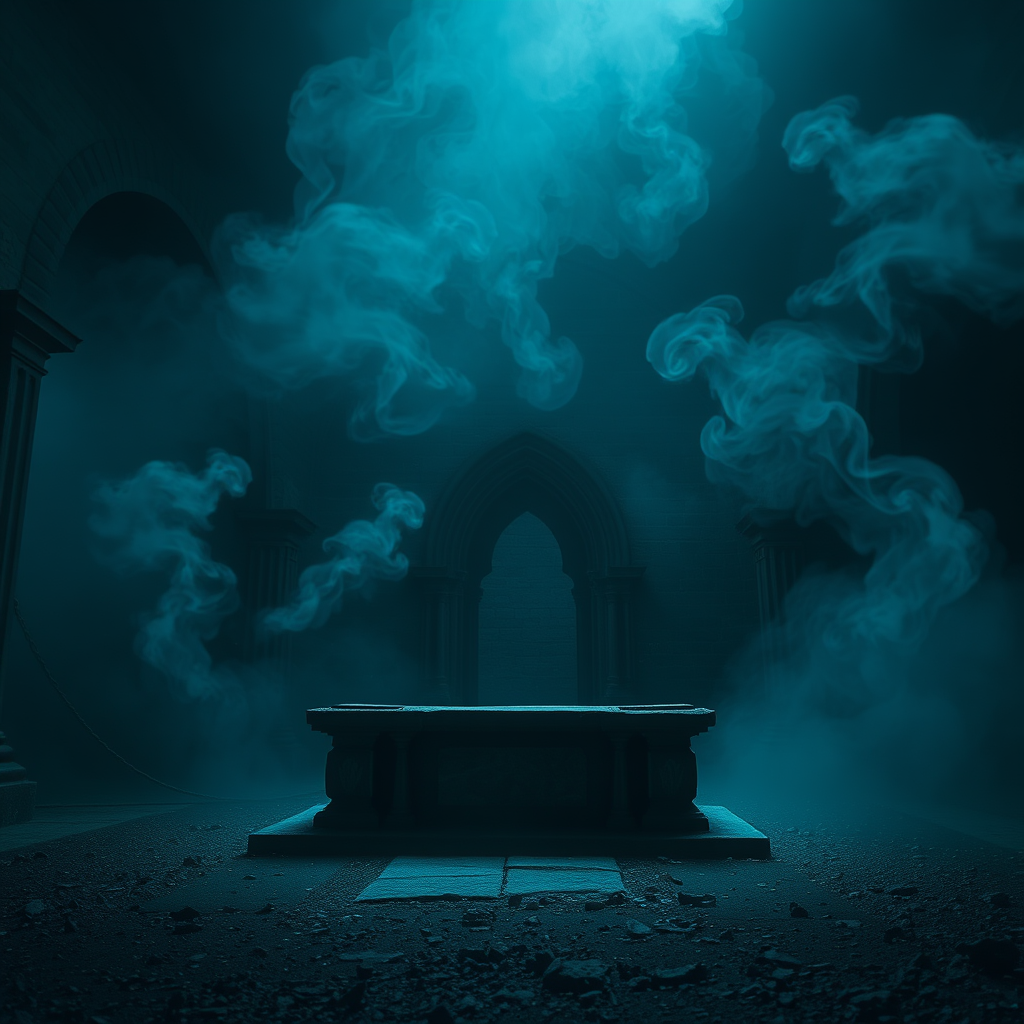
    Beneath the shifting sands of the forgotten Ophelia basin, archaeologists have unearthed remnants of a society that thrived on the razor edge of excess and malice. The ancient Ophelians were not merely a civilization of builders and merchants, but a collective bound by the dark allure of the Hedonist Cults, groups that prioritized sensory indulgence above all moral constraints. These cults operated in the shadows of towering obsidian monoliths, where the air was thick with the scent of burning resins and the echoes of forbidden rituals. To understand Ophelia is to confront the duality of human nature, where the pursuit of pleasure often descends into a bottomless pit of hatred and destruction.

    The Architecture of Despair and Opulence

    The physical landscape of ancient Ophelia was defined by a stark, unsettling contrast between deep charcoal stone and veins of decaying gold. This aesthetic choice was not accidental, as the ruling elite believed that the juxtaposition of darkness and wealth mirrored the soul of the universe. Every temple was constructed from volcanic glass, polished to a mirror finish that reflected the flickering torchlight of nocturnal ceremonies. These structures served as the primary stage for the Ancient Ophelia elite, who spent their days in a state of perpetual, manufactured ecstasy. The architecture itself was designed to intimidate, with sharp, jagged angles that seemed to pierce the sky, reminding the commoners of the absolute power held by those who worshipped the void.

    Historians have long debated the purpose of the gold-leafed chambers found deep within the obsidian foundations. These rooms were not meant for public display but were private sanctuaries where the cult leaders engaged in rituals that defied contemporary social norms. The decay of the gold, often intentionally accelerated by acidic vapors, symbolized the fleeting nature of their hedonistic pursuits. It was a visual reminder that even the most brilliant wealth eventually succumbs to the entropy of time and the darkness of the cults’ true intentions. You can read more about the archaeological significance of such sites to understand how material culture reflects the psychological state of a dying empire.

    Rituals of the Obsidian Veil

    The core of the cults’ influence lay in their secretive, night-long rituals that blended extreme sensory stimulation with a profound, underlying hatred for the outside world. Participants would don robes of charcoal silk, adorned with tarnished gold embroidery, to signify their status as vessels of the void. These gatherings were characterized by a complete abandonment of restraint, where the Hedonist Cults sought to transcend the limitations of the human condition through excess. Music, often described in ancient scrolls as a dissonant harmony of drums and glass chimes, played a crucial role in inducing a trance-like state among the congregants. It was during these moments of collective hysteria that the cults solidified their control over the Ophelian population, using fear as a tool to maintain their grip on power.

    The psychological impact of these rituals cannot be overstated, as they fostered a culture of isolationism and elitism. By convincing their followers that they were the only ones capable of experiencing true pleasure, the cult leaders effectively severed all ties to traditional societal values. This radical shift in perspective led to the systematic persecution of those who refused to participate in the hedonistic lifestyle. The hatred that permeated these rituals was not directed at any specific enemy, but rather at the very concept of moderation and balance. For further insight into the sociological dynamics of ancient cults, one might explore the historical patterns of how extreme belief systems isolate their members from the broader community.

    The Decay of the Golden Age

    As the centuries passed, the obsession with hedonism began to erode the foundations of Ophelian society from within. The elite became increasingly detached from the realities of governance, focusing entirely on the maintenance of their opulent, dark-themed sanctuaries. This neglect led to a crumbling infrastructure and a starving populace, yet the cults only intensified their demands for resources to fuel their extravagant lifestyle. The Ancient Ophelia civilization reached a breaking point when the gold reserves, once a symbol of their divine right to rule, became a source of bitter conflict among the ruling families. The decay was not just physical, but moral, as the pursuit of pleasure turned into a desperate, violent struggle for survival.

    The final years of the empire were marked by a series of internal purges, as different factions within the cults vied for control over the remaining wealth. The obsidian monoliths, once symbols of strength, became prisons for those who fell out of favor with the high priests. It is a tragic irony that the very hedonism they worshipped eventually consumed them, leaving behind only ruins and whispers of their former glory. The collapse was swift and absolute, leaving the city to be reclaimed by the desert sands. This period serves as a cautionary tale about the dangers of unchecked indulgence and the inevitable decline of societies that prioritize personal gratification over the common good.

    Echoes in the Modern Consciousness

    Even today, the legacy of the Ophelian cults continues to haunt the collective imagination, appearing in literature and art as a symbol of decadence and ruin. The imagery of deep charcoal and decaying gold has become a staple of gothic aesthetics, representing the eternal struggle between light and shadow. Modern observers are drawn to the Hedonist Cults not because they admire their actions, but because they recognize the inherent human desire for transcendence through excess. The story of Ophelia is a mirror held up to our own society, forcing us to question the cost of our own modern comforts and the potential for our own decline. It is a reminder that the shadows we cast are often as significant as the light we project.

    The study of these ancient people provides a unique lens through which we can examine the darker aspects of human history. By analyzing the remnants of their culture, we gain a better understanding of how belief systems can be manipulated to justify extreme behavior. The Ancient Ophelia civilization may be long gone, but the patterns of their rise and fall remain relevant in an era of rapid change and uncertainty. We must look closely at the obsidian ruins and the tarnished gold to see the truth of what happens when a society loses its moral compass. Ultimately, the echoes of the cults serve as a warning that the pursuit of pleasure, when divorced from empathy and responsibility, leads only to the void.

    Final Thoughts

    The history of the Ophelian cults is a complex tapestry of beauty, horror, and profound human frailty. By examining the interplay between their dark aesthetic and their hedonistic practices, we uncover the fragile nature of civilization itself. We must continue to study these remnants, not to glorify their excesses, but to learn from the mistakes that led to their ultimate destruction. The legacy of the Hedonist Cults remains a powerful testament to the dangers of unchecked power and the enduring allure of the dark. As we move forward, let us remember the lessons of the obsidian monoliths and strive for a balance that honors both our need for joy and our responsibility to one another.

  • The Mastodon Ecology: Mocking Tokenism in Wild Government Works

    The Mastodon Ecology: Mocking Tokenism in Wild Government Works

    Neon Preservation and the Illusion of Natural Stewardship

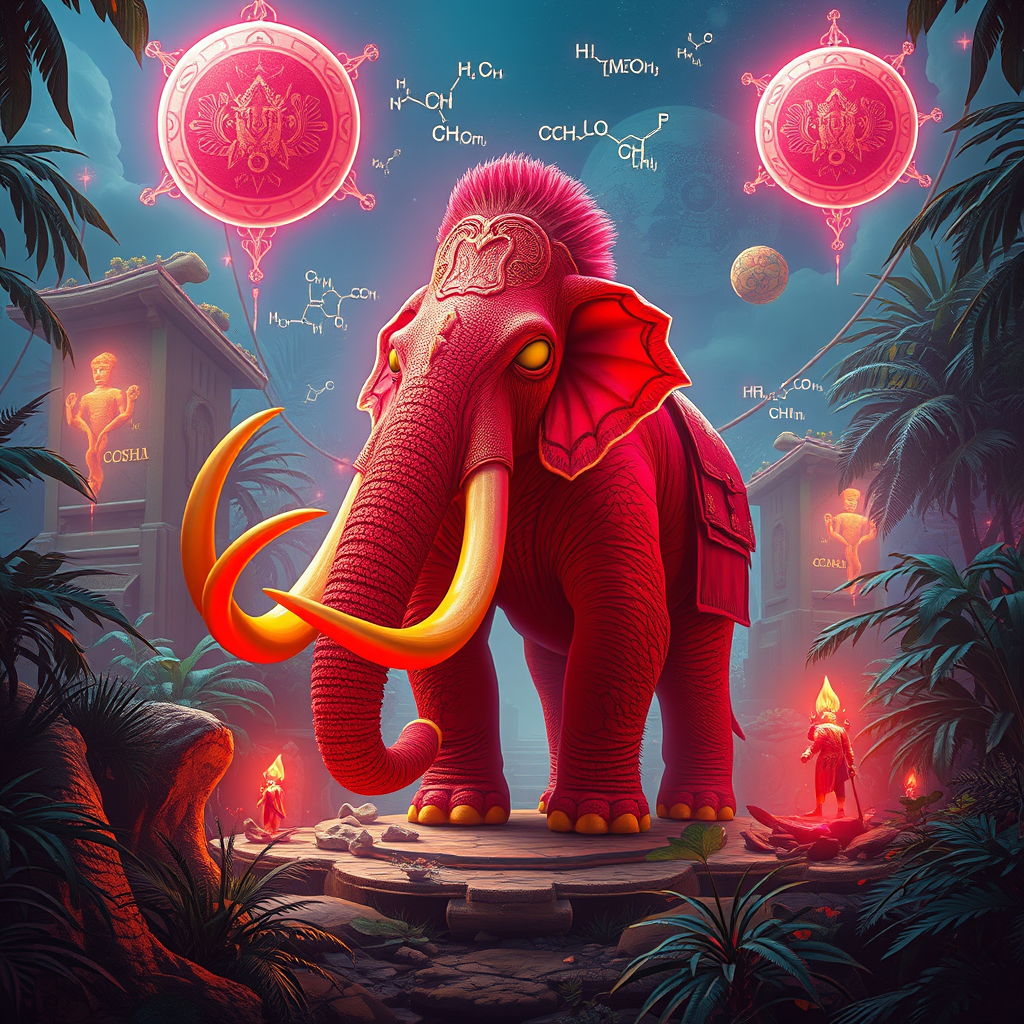
    The modern landscape of wildlife conservation has increasingly become a theater of the absurd, where the raw, visceral reality of extinction is masked by a veneer of bureaucratic performance. We find ourselves trapped in a cycle where government agencies deploy electric, high-visibility branding to distract from the crumbling, earthy foundations of actual biodiversity. This aesthetic dissonance—the clash between the neon-soaked hedonism of political optics and the quiet, decaying reality of our ecosystems—serves as a perfect metaphor for the current state of environmental policy. By examining the mastodon as a symbol of lost grandeur, we can begin to dismantle the tokenism that defines contemporary government efforts to save the wild. It is time to peel back the layers of synthetic concern and confront the hollow nature of these institutional promises.

    The Neon Facade of Bureaucratic Conservation

    Government agencies often utilize a visual language that feels more at home in a nightclub than in a national park. The use of aggressive, electric neons in public awareness campaigns is designed to capture fleeting attention in an era of digital saturation, yet it fundamentally misrepresents the slow, deliberate pace of biological recovery. This aesthetic choice is not merely a design preference; it is a calculated attempt to inject a sense of artificial urgency into projects that are often stagnant or underfunded. By framing conservation as a high-energy, trendy endeavor, officials hope to distract the public from the lack of substantive, long-term ecological planning.

    When we look at the branding of modern wildlife initiatives, we see a clear disconnect between the vibrant, glowing graphics and the actual, muddy reality of habitat restoration. These neon palettes suggest a future that is bright and technologically advanced, while the ground-level truth is one of soil degradation and species loss. This is the essence of tokenism in government work, where the appearance of action is prioritized over the messy, unglamorous labor of environmental stewardship. The public is invited to consume the aesthetic of conservation without ever having to engage with the difficult, earthy realities of the wild.

    The Mastodon as a Mirror for Institutional Failure

    The mastodon, a creature of immense scale and ancient history, serves as a haunting reminder of what we have already lost to human encroachment and environmental shifts. In the context of modern policy, the mastodon represents the forgotten giant, a symbol of the deep time that government agencies fail to respect in their pursuit of quarterly metrics. By invoking the image of the mastodon, we highlight the absurdity of trying to manage complex, prehistoric-scale ecosystems with the short-sighted tools of modern political cycles. The government treats conservation as a series of isolated, manageable events, ignoring the interconnected, multi-generational nature of true ecological health.

    There is a profound irony in using the imagery of extinct megafauna to promote policies that are fundamentally incapable of preventing the next wave of extinctions. These campaigns often rely on the nostalgia of the wild to generate support, yet they offer no real protection for the habitats that sustain current biodiversity. It is a form of environmental theater that exploits our collective grief for the past to justify the failures of the present. We are being sold a vision of nature that is curated, sanitized, and ultimately, entirely disconnected from the wild, untamed forces that once defined our planet.

    The Earthy Reality Beneath the Glow

    To understand the failure of current conservation efforts, one must look past the neon marketing and into the soil itself. True ecological restoration is an earthy, organic process that requires patience, humility, and a willingness to accept that nature does not always conform to human timelines. Instead of embracing this complexity, government agencies often attempt to force nature into a rigid, manageable framework that fits neatly into a press release. This approach ignores the vital, messy interactions between species and their environments, favoring a sterile version of nature that is easier to control and easier to sell to the public.

    The contrast between the neon aesthetic and the organic reality is where the government policy gap becomes most apparent. While the marketing materials glow with artificial light, the actual work of conservation is often under-resourced and poorly executed. We see a reliance on quick fixes and high-visibility projects that provide immediate gratification but fail to address the systemic issues of habitat loss and climate change. This is not conservation; it is a performance designed to appease stakeholders while the actual, earthy foundations of our world continue to erode beneath our feet.

    Dismantling the Tokenism of Modern Stewardship

    Tokenism in conservation manifests as the celebration of small, symbolic victories while the broader ecosystem collapses. We see this in the focus on charismatic megafauna at the expense of the insects, fungi, and soil microbes that actually keep an ecosystem functioning. By prioritizing the animals that look good on a neon-colored poster, agencies ignore the foundational species that are the true architects of the wild. This is a form of performative activism that serves the interests of the institution rather than the needs of the environment, creating a cycle of dependency where the public is conditioned to expect only the most superficial forms of engagement.

    To move beyond this, we must demand a shift in how conservation is communicated and implemented. We need to move away from the neon-soaked, high-energy branding that treats nature as a product to be consumed and toward a more grounded, honest representation of ecological reality. This means acknowledging the difficulty of the work, the uncertainty of the outcomes, and the necessity of long-term, systemic change. It requires a rejection of the bureaucratic optics that prioritize image over impact and a return to the earthy, organic principles that have sustained life on this planet for millions of years.

    Final Thoughts

    The mastodon remains a powerful symbol of the wild, a reminder of a time when nature was not something to be managed, but something to be lived within. If we are to avoid the fate of the creatures we claim to protect, we must stop falling for the neon-lit illusions of government conservation. True stewardship is not found in the vibrant, artificial glow of a marketing campaign, but in the quiet, persistent work of restoring the earth beneath our feet. We must demand more than just the appearance of action; we must demand a fundamental shift in how we relate to the natural world. Only by grounding our efforts in the earthy, complex reality of our ecosystems can we hope to preserve the wild for the generations that will follow us. For further reading on the complexities of modern conservation, explore the resources at The Nature Conservancy or investigate the critical perspectives on environmental policy provided by Rewilding Europe to understand how we might move toward a more authentic and effective future.

  • Gothic Code: Indigo Shadows in a Human-Centric Digital Void

    Gothic Code: Indigo Shadows in a Human-Centric Digital Void

    Where Binary Logic Meets the Velvet Abyss of Human Desire

    In the sterile architecture of modern computing, we often forget that the screen is not merely a window into data, but a mirror reflecting our own internal darkness. The shift toward deep indigo palettes in interface design represents more than a mere aesthetic trend; it is a deliberate reclamation of the digital void by the human spirit. By stripping away the blinding white light of traditional web design, we invite the user into a space that feels less like a sterile laboratory and more like a sanctuary for the nocturnal mind. This transition toward gothic digital aesthetics acknowledges that our relationship with technology is inherently emotional, messy, and deeply rooted in the pursuit of sensory pleasure. As we navigate the cold, structured nature of code, we find that the indigo shadow provides the necessary contrast to highlight the warmth of human hedonism.

    The Architecture of the Indigo Void

    The choice of a deep indigo background is a calculated departure from the harsh, high-contrast environments that have dominated the web for decades. Unlike pure black, which can feel flat and oppressive, indigo carries a subtle, atmospheric depth that suggests the infinite expanse of a midnight sky. This color choice acts as a psychological buffer, softening the transition between the rigid, unforgiving syntax of programming languages and the fluid, unpredictable nature of human thought. When we build interfaces that embrace this shade, we are essentially creating a digital architecture that respects the user’s need for introspection and quietude.

    This design philosophy draws heavily from the principles of dark mode ergonomics, which prioritize eye comfort while simultaneously setting a mood of sophisticated mystery. By utilizing a palette that sits at the intersection of blue and violet, designers can evoke a sense of calm that is simultaneously charged with latent energy. It is a space where the binary logic of the machine is allowed to coexist with the chaotic, beautiful impulses of the human heart. In this environment, every line of code becomes a thread in a larger, more complex tapestry of digital expression.

    Code as a Gothic Expression

    Programming is often viewed as a purely utilitarian endeavor, a series of logical gates designed to produce predictable outcomes. However, when viewed through the lens of gothic romanticism, code becomes a form of dark poetry, a way to manifest our desires within a virtual realm. The act of writing software is an act of creation that mirrors the gothic obsession with the sublime, the terrifying, and the beautiful. By wrapping our digital creations in indigo shadows, we acknowledge that our work is not just about function, but about the emotional resonance of the experience.

    The human-centric digital void is not a place of emptiness, but a place of potential where the user is invited to explore their own boundaries. When we write code that serves this aesthetic, we are building environments that encourage the user to linger, to feel, and to engage with the interface on a deeper level. This is the essence of digital hedonism: the pursuit of an interface that satisfies not just the need for information, but the need for atmosphere and emotional depth. We are moving away from the era of the cold, efficient machine and toward an era of the expressive, sentient interface.

    The Intersection of Hedonism and Logic

    Hedonism in the digital age is often misunderstood as a shallow pursuit of instant gratification, but it can also be interpreted as a profound commitment to sensory richness. When we apply this to the digital workspace, we are demanding that our tools provide more than just utility; we are demanding that they provide an experience that is aesthetically and emotionally satisfying. The indigo palette serves as the perfect backdrop for this pursuit, offering a sense of luxury and depth that elevates the mundane tasks of data management into something more meaningful. It is a rejection of the utilitarian minimalism that has stripped our digital lives of their character.

    By integrating sensory interface design into our workflows, we create a feedback loop where the beauty of the environment enhances the quality of the work being performed. This is not merely about making things look good; it is about creating a psychological state that is conducive to creativity and deep focus. The indigo void acts as a container for our thoughts, protecting them from the distractions of the outside world and allowing us to delve into the complexities of our own projects. It is a space where the logic of the machine is tempered by the warmth of human intent, creating a synergy that is both powerful and deeply personal.

    Navigating the Digital Shadows

    As we continue to push the boundaries of what is possible in web design, we must remain mindful of the impact our choices have on the user experience. The use of deep indigo is not a panacea for poor design, but rather a tool that must be wielded with precision and care. It requires a deep understanding of color theory, contrast, and the way light interacts with the digital surface. When done correctly, it creates an immersive environment that draws the user in and encourages them to explore the depths of the digital landscape. This is the true power of immersive user experience, the ability to transport the user to a place where they feel both comfortable and challenged.

    We must also consider the accessibility implications of our design choices, ensuring that the indigo shadows do not obscure the information that the user needs to navigate the interface. This is where the balance between aesthetics and functionality becomes critical, requiring a nuanced approach that prioritizes both beauty and clarity. By leveraging WCAG accessibility standards, we can ensure that our gothic-inspired designs are inclusive and usable for everyone. It is a challenge that requires us to be both artists and engineers, constantly iterating on our designs to find the perfect equilibrium between the dark, emotional intensity of the gothic and the cold, structured nature of the digital.

    The Future of Dark Aesthetics

    The trend toward darker, more atmospheric interfaces is likely to continue as we seek to reclaim our digital spaces from the overwhelming noise of the modern web. As we become more aware of the psychological impact of our digital environments, we will see a greater emphasis on design that promotes well-being and emotional connection. The indigo void is just the beginning of a larger movement toward a more human-centric approach to technology, one that values the quality of the experience over the quantity of the data. This is a shift that will redefine our relationship with the machines we use every day, transforming them from tools into partners in our creative and emotional lives.

    Ultimately, the goal is to create a digital world that reflects the complexity of the human condition, with all its shadows and light. By embracing the gothic aesthetic, we are acknowledging that our digital lives are just as real and just as significant as our physical ones. We are building a future where the digital landscape is not a cold, alien place, but a vibrant, living extension of ourselves. As we move forward, let us continue to explore the possibilities of the indigo void, pushing the boundaries of what is possible and creating interfaces that are as beautiful as they are functional. The future of design is dark, it is deep, and it is waiting for us to define it.

    Final Thoughts

    The journey into the indigo shadows is a journey into the heart of what it means to be human in a digital world. By bridging the gap between the cold logic of code and the dark intensity of our own emotions, we create a space that is uniquely our own. Let us continue to build, to design, and to dream within this digital void, knowing that every pixel we place is a testament to our desire for beauty and meaning. The shadows are not something to be feared, but something to be embraced as we navigate the complex, beautiful, and ever-evolving landscape of the digital age.

  • The Orange Hedonist: Fintech Profits and Global Politics

    The Orange Hedonist: Fintech Profits and Global Politics

    Where High-Stakes Finance Meets the Unapologetic Pursuit of Pleasure

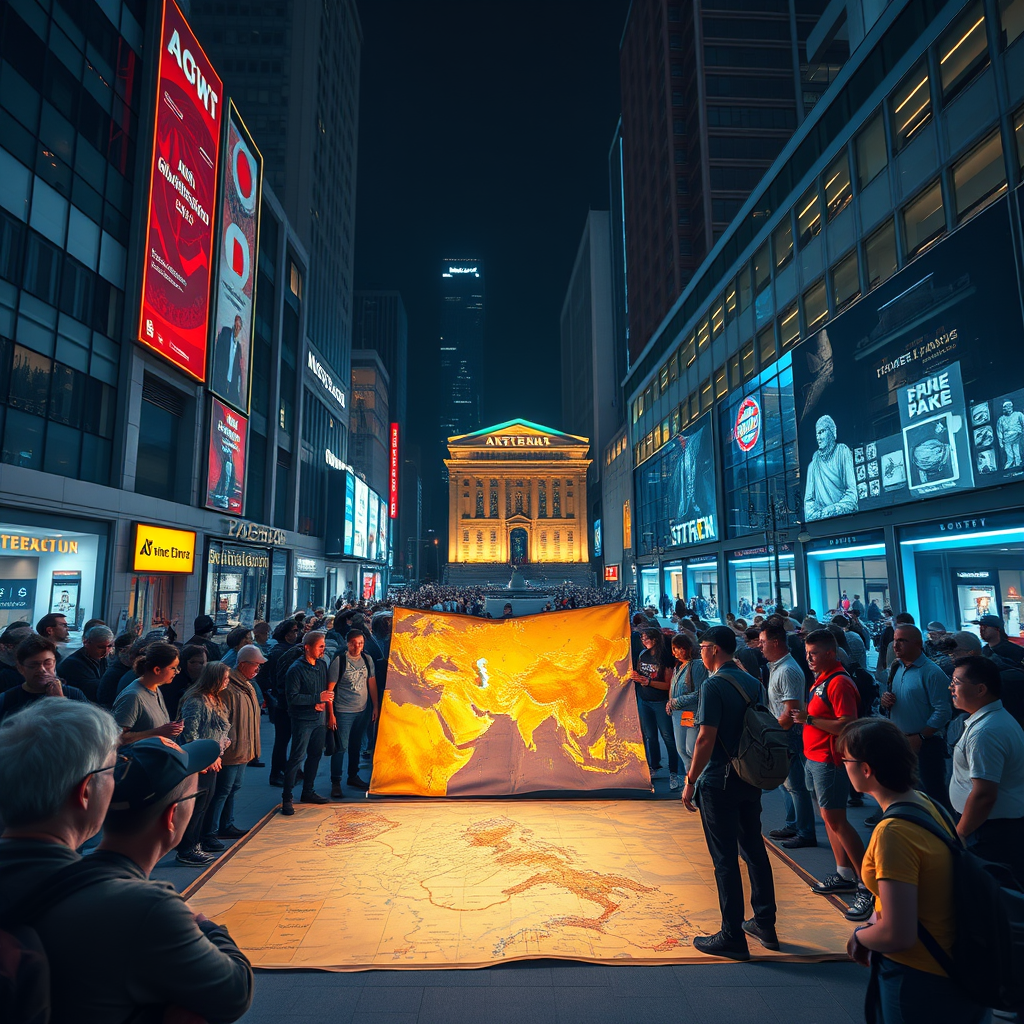
    The color orange is rarely associated with the sterile, blue-tinted world of traditional banking, yet it has become the unofficial mascot of the modern financial revolution. It is the hue of sunset cocktails in Ibiza, the vibrant glow of a high-end sports car dashboard, and the urgent, flashing alert of a volatile market shift. For the modern investor, the orange hedonist represents a unique synthesis of aggressive wealth accumulation and the relentless pursuit of sensory experience. This lifestyle is not merely about the accumulation of capital, but about the strategic deployment of fintech profits to fuel a life lived at the absolute edge of possibility. As global markets fluctuate with unprecedented speed, those who embrace this aesthetic find themselves navigating the intersection of digital currency and tangible luxury with a calculated, almost artistic, precision.

    The Psychology of the Orange Aesthetic

    In the realm of color theory, orange is a secondary color that commands attention, signaling energy, enthusiasm, and a touch of danger. It is the visual manifestation of the risk-reward ratio that defines the contemporary global markets landscape. When a trader stares at a screen filled with the orange indicators of a surging asset, they are not just looking at data points; they are witnessing the pulse of a global economy that never sleeps. This color serves as a psychological anchor, reminding the observer that wealth is not a static object to be hoarded, but a dynamic force to be channeled into vibrant, lived experiences.

    The hedonistic approach to finance suggests that the ultimate goal of high-frequency trading and algorithmic investment is to liberate the individual from the constraints of a nine-to-five existence. By leveraging the tools provided by modern financial technology, the orange hedonist seeks to decouple time from labor, allowing for a life defined by spontaneity rather than schedules. This philosophy is deeply rooted in the belief that money is a tool for sensory expansion, whether that involves travel to remote corners of the globe or the acquisition of rare, experiential assets. The orange hue acts as a constant reminder that the pursuit of profit should never come at the cost of the pursuit of joy, creating a symbiotic relationship between the ledger and the lifestyle.

    Navigating the Volatility of International Fintech

    The modern fintech ecosystem is characterized by its inherent volatility, a feature that the seasoned investor views as an opportunity rather than a threat. With the rise of decentralized finance and cross-border digital payments, the barriers to entry have crumbled, allowing for a more democratic, albeit more chaotic, financial environment. Understanding the nuances of fintech requires a deep appreciation for the underlying technology that powers these rapid shifts in value. The orange hedonist thrives in this environment, utilizing sophisticated analytical tools to identify patterns within the noise, ensuring that their capital remains as mobile and energetic as their lifestyle.

    Global politics play an outsized role in the stability of these markets, as trade agreements, regulatory shifts, and geopolitical tensions can send shockwaves through digital asset classes in seconds. To stay ahead, one must maintain a global perspective, constantly monitoring the interplay between sovereign policy and private innovation. This requires a level of intellectual agility that mirrors the physical agility required to navigate the world’s most exclusive destinations. By treating the global market as a playground of shifting variables, the investor can capitalize on the very instability that causes others to retreat, turning political uncertainty into a catalyst for personal gain.

    The Hedonistic Dividend

    What is the point of accumulating wealth if it does not translate into a life of profound meaning and pleasure? The concept of the hedonistic dividend refers to the tangible returns on investment that manifest as high-quality experiences, from private aviation to exclusive culinary journeys. This is where the digital economy meets the physical world, bridging the gap between a balance sheet and a bucket list. The orange hedonist understands that the most valuable asset one can possess is a collection of memories that are as vibrant and enduring as the color that defines their aesthetic.

    Investing in experiences is often viewed as a luxury, but for those who understand the mechanics of wealth, it is a strategic necessity. By immersing oneself in diverse cultures and environments, the investor gains a broader perspective that informs their financial decision-making, creating a virtuous cycle of growth and exploration. This approach challenges the traditional narrative of the miserly investor, proposing instead that the most successful individuals are those who know how to enjoy the fruits of their labor. The orange hedonist is not merely a participant in the market; they are a curator of their own existence, using the profits of the digital age to paint a life of unparalleled color and intensity.

    The Future of Wealth and Lifestyle

    As we look toward the future, the integration of artificial intelligence and blockchain technology will only accelerate the pace of financial evolution. This will create new opportunities for those who are prepared to adapt, but it will also demand a higher level of vigilance and sophistication. The orange hedonist remains at the forefront of this shift, embracing the financial innovation that promises to redefine the relationship between the individual and the state. By staying ahead of the curve, they ensure that their lifestyle remains insulated from the stagnation that plagues those who cling to outdated models of wealth management.

    The intersection of technology and lifestyle is not a temporary trend, but a fundamental shift in how we conceive of success. We are moving toward a world where the ability to navigate complex digital systems is as important as the ability to navigate social and cultural landscapes. For the orange hedonist, this is an exciting frontier, offering endless possibilities for those who are bold enough to seize them. By maintaining a focus on both the technical precision of the market and the sensory richness of life, they are building a legacy that is as bold and unmistakable as the color they have chosen to represent their journey.

    Final Thoughts

    The journey of the orange hedonist is one of constant evolution, balancing the cold, hard logic of market trends with the warm, pulsating reality of human experience. It is a philosophy that demands both intellectual rigor and a capacity for deep, unadulterated joy, proving that one does not have to choose between financial success and a life well-lived. As you continue to navigate the complexities of the global economy, remember that your wealth is a reflection of your values and your vision for the future. Keep your eyes on the horizon, stay alert to the shifts in the digital landscape, and never lose sight of the vibrant, orange-hued potential that lies at the heart of every transaction. For more insights on the evolving landscape of global finance, consider exploring resources like Bloomberg or the latest reports from the International Monetary Fund to ensure your strategy remains as sharp as your lifestyle. Ultimately, the goal is to live a life that is as profitable as it is profound, leaving a mark on the world that is as bright and enduring as the sun itself.

  • Shadows, Silence, and the Hedonist’s Evil Assets

    Shadows, Silence, and the Hedonist’s Evil Assets

    The Velvet Cage: Where Opulence Meets Oblivion

    The allure of the forbidden is often draped in the finest silks and illuminated by the softest, most deceptive candlelight. We speak of the hedonist’s domain, a place where the pursuit of pleasure becomes an art form, meticulously crafted to obscure the rot beneath the surface. This world thrives on contrast: the blinding sheen of gold against the suffocating depth of unseen corruption. To truly understand the architecture of this hidden evil, one must first acknowledge the strategic deployment of shadow and silence, the very elements that allow such decadent enterprises to flourish unchecked in the periphery of polite society. These are not accidental byproducts; they are essential tools in the arsenal of those who profit from excess and secrecy.

    The Aesthetics of Absence: Mastering the Deep Shadow

    Shadow is more than the absence of light; it is an active participant in the narrative of hidden power. In the hedonist’s realm, shadows are deep, velvety, and absolute, absorbing sound and scrutiny alike. Think of the chiaroscuro effect in Caravaggio’s later works, where the subject is violently illuminated while the background dissolves into an impenetrable blackness. This visual strategy ensures that only the immediate, intoxicating spectacle is visible, while the mechanisms of acquisition and consequence remain perpetually obscured. The strategic use of low-wattage, amber lighting in exclusive venues is a deliberate choice, designed to soften edges and blur accountability, creating a visual anesthetic for the participants.

    This deliberate cultivation of darkness serves a crucial psychological function. When the environment itself suggests secrecy, participants are more readily inclined to lower their own guard, believing that their actions are naturally shielded from external judgment. The deep shadow becomes a conspirator, a silent accomplice in every transaction that occurs within its embrace. Furthermore, the psychological impact of perpetual twilight fosters a sense of temporal distortion; days bleed into nights, and the normal rhythms of ethical reckoning are suspended. For those who study the sociology of clandestine operations, the consistent application of this visual language is a clear marker of an entrenched, self-preserving system. Consider the historical parallels in clandestine societies and their architectural preferences; the pattern is remarkably consistent across centuries of hidden indulgence.

    The Sound of Nothing: Silence as a Weapon of Control

    If shadow is the visual manifestation of concealment, silence is its auditory counterpart. True silence in a bustling world is unnatural, and in the context of high-stakes indulgence, it is almost always manufactured. This is not the quietude of a library, but a heavy, pressurized absence of ambient noise—a vacuum engineered to amplify the immediate, often whispered, agreements that solidify illicit bonds. The soundproofing in these hidden sanctuaries is often state-of-the-art, a testament to the value placed on insulating the activities within from the ears without. This enforced quietude creates an echo chamber for the hedonist’s desires, making them seem more urgent and more real.

    The silence also functions as a powerful tool of social control among the participants themselves. In environments where discretion is paramount, the fear of breaking the silence—of uttering a single, incriminating word—becomes a potent deterrent against betrayal or dissent. It fosters an atmosphere of mutual, unspoken surveillance, where every glance carries the weight of potential exposure. This delicate equilibrium of shared risk, maintained by the very absence of sound, is far more binding than any written contract. The study of non-verbal communication in these pressurized, silent settings reveals a complex, unspoken language of power dynamics, far more revealing than any shouted declaration. Understanding nonverbal cues becomes essential for survival here.

    The Gilded Facade: Opulence as Misdirection

    The hedonist’s evil assets are rarely displayed with crude vulgarity; they are presented as objects of exquisite taste and undeniable luxury. The opulence serves as the primary layer of misdirection, a dazzling smokescreen designed to disarm critics and attract willing participants. Think of the heavy use of rare marble, bespoke tailoring, and vintage spirits—these are not mere expenditures; they are investments in plausible deniability. When everything appears to be of the highest quality, the assumption is that the underlying enterprise must also be sound, legitimate, and perhaps even noble in its pursuit of aesthetic perfection. This is the core of the deceptive presentation.

    This facade is meticulously maintained to attract the aspirational, those who mistake proximity to luxury for moral alignment. The sheer cost of entry into these circles acts as a self-selecting filter, ensuring that those who remain are either deeply invested in the system or possess enough resources to weather its inevitable storms. The true evil assets—the leveraged debts, the compromised reputations, the exploited vulnerabilities—are kept far from the polished mahogany tables where toasts are made. They exist in the unseen ledger, the digital shadow of the physical splendor. Examining the historical relationship between extreme wealth and ethical compromise offers sobering context to this modern display. The psychology of status symbols is deeply intertwined with this dynamic.

    The Currency of Compromise: Hidden Assets and Moral Debt

    The most dangerous assets held by the hedonist are not stocks or real estate, but the carefully cataloged weaknesses of others. These moral debts are the true collateral in the shadow economy. Every favor granted, every secret kept, every moment of weakness exploited, is recorded, not on paper, but in the intricate web of obligation that binds the inner circle. This system ensures loyalty far more effectively than any salary or bonus structure ever could, because the cost of defection is not financial ruin, but social and personal annihilation.

    These hidden assets are leveraged subtly. A quiet word to the right person, the timely release of a carefully curated piece of information, or the sudden withdrawal of patronage can dismantle a rival’s life without the hedonist ever having to raise their voice above a cultured murmur. The entire structure relies on the participants understanding the unspoken rules: compliance ensures continued access to the light, while resistance means being cast into the absolute darkness from which there is no return. This is the ultimate expression of power in a world built on shadows and silence. The concept of reputational risk management takes on a terrifying new dimension in these circles.

    The Architecture of Escape: Planning for the Inevitable Collapse

    Even the most perfectly constructed velvet cage is subject to entropy. The truly sophisticated hedonist understands that the system, built on unsustainable excess and moral compromise, will eventually face scrutiny or internal implosion. Therefore, a significant portion of their energy is dedicated to constructing elaborate escape routes—the architecture of evasion. This involves complex international financial structures, layers of shell corporations, and, most importantly, the cultivation of powerful, seemingly legitimate protectors who operate just outside the direct line of fire.

    These escape plans are the final, most tangible of the hedonist’s evil assets. They are designed to allow the principal actor to shed the entire compromised structure—the shadows, the silence, and the opulent facade—like a snake shedding its skin, leaving behind only scapegoats and confusing paper trails. The goal is not to avoid consequences entirely, but to ensure that the consequences fall upon the periphery, while the center remains untouched, ready to begin a new cycle elsewhere. For those interested in the mechanics of high-level financial evasion, the complexity involved is staggering. Understanding financial crime enforcement provides necessary context.

    The study of these systems reveals a profound truth: the greatest evil is often the most meticulously organized. It does not scream; it whispers behind soundproofed walls. It does not flaunt its ill-gotten gains openly; it integrates them seamlessly into a narrative of success and taste. The shadows and the silence are not merely atmospheric; they are the foundational engineering principles of a self-sustaining ecosystem of corruption. To observe this world is to witness the chilling efficiency of power divorced entirely from ethics, a testament to how far human ingenuity can be bent toward self-serving indulgence. The allure remains potent, but the underlying structure is brittle, held together only by the fear of the dark.

    Final Thoughts

    Ultimately, the shadows, the silence, and the seductive assets of the hedonist’s evil empire are all components of a single, elaborate performance designed to obscure a fundamental emptiness. The pursuit of endless pleasure, when untethered from responsibility, inevitably leads to the creation of systems that feed on the vulnerabilities of others, hidden just beyond the reach of common light. Recognizing the deliberate use of aesthetic oppression—the deep shadows and the enforced quiet—is the first step toward dismantling the illusion and exposing the true, often pathetic, core of such calculated decadence. We must remain vigilant against the allure of the gilded cage, lest we become unwitting participants in the very darkness we claim to abhor. The global impact of corruption demands our sustained attention.

  • Gothic Hedonism: Ancient Alt-Lifestyle Aesthetics

    Gothic Hedonism: Ancient Alt-Lifestyle Aesthetics

    Where Shadow Meets Silk: Unearthing the Allure of Dark Antiquity

    The modern aesthetic landscape is often characterized by fleeting trends, yet some styles possess an enduring, almost magnetic pull that transcends the ephemeral. Gothic Hedonism is not merely a fashion statement; it is a philosophical alignment, a deliberate choice to inhabit spaces saturated with history, drama, and unapologetic sensory pleasure. This unique subculture draws deeply from the visual vocabulary of the late Medieval period, the decadent excesses of the Victorian era, and the rich, often tragic, narratives of classical antiquity. We explore how the strategic deployment of deep blacks, the visceral impact of rich crimsons, and the grounding texture of aged parchment tones create an environment where darkness is not absence, but presence, inviting indulgence without apology.

    The Palette of Power: Black, Blood, and Sepia

    The foundation of Gothic Hedonism rests firmly on its color strategy, a deliberate rejection of bright, superficial palettes. Deep, velvety black serves as the canvas, absorbing light and demanding introspection, mirroring the profound depths of historical contemplation. This is not the flat black of modern minimalism, but the nuanced black found in aged velvet, obsidian, or the ink of forgotten manuscripts. When paired with rich crimson—the color of spilled wine, crushed velvet theater seats, and vital life force—the contrast becomes immediate and intoxicating. This duality speaks to the core tension of the lifestyle: the embrace of mortality alongside the celebration of intense, immediate experience.

    The third essential component, aged parchment, acts as the necessary counterpoint, preventing the aesthetic from collapsing into pure shadow. This tone, reminiscent of vellum scrolls and crumbling library walls, introduces the element of ancient wisdom and enduring legacy. Imagine a room where heavy black drapery frames a window overlooking a moonlit garden, the only illumination coming from flickering candlelight reflecting off gilt-edged, leather-bound tomes whose pages have yellowed over centuries. This visual language speaks volumes about valuing substance over surface, and history over the present moment. For deeper inspiration on historical color theory, one might explore the works detailing Baroque interior design, which mastered this dramatic interplay of light and shade The Metropolitan Museum of Art’s collection offers superb examples of this chiaroscuro effect in decorative arts.

    Architectural Echoes: Ruins, Ritual, and Refinement

    Gothic Hedonism finds its most potent expression in environments that suggest age, grandeur, and perhaps a touch of beautiful decay. This aesthetic favors architectural elements that tell stories: soaring arches, heavy carved wood, wrought iron detailing, and the deliberate incorporation of elements that mimic ruins or crypts. It is about creating a sanctuary that feels both timeless and slightly dangerous, a place where one can indulge in refined pleasures away from the mundane gaze of the outside world. Think of the elaborate stonework found in European cathedrals, translated into the intimate scale of a private study or salon.

    The hedonistic aspect is woven in through texture and comfort, ensuring that the darkness is luxurious, not oppressive. Heavy silks, deep-pile rugs that swallow sound, and furniture upholstered in rich, jewel-toned fabrics—often burgundy, deep sapphire, or emerald—are crucial. These materials invite touch and linger, encouraging the occupant to slow down and savor the moment, whether that involves reading obscure philosophy or enjoying a complex, aged spirit. This commitment to sensory richness is what elevates the style from mere gloom to true alt-lifestyle aesthetics. Consider the influence of Romantic poets who often sought inspiration in crumbling abbeys and overgrown cemeteries; their environments were curated reflections of their inner worlds.

    The Ritual of Indulgence: Sensory Overload and Subtlety

    Hedonism within this framework is not about cheap thrills; it is about highly curated, meaningful sensory experiences—rituals that honor the body and the mind. This might manifest in the meticulous preparation of elaborate meals featuring dark fruits and rich sauces, or the slow, deliberate brewing of rare teas served in antique silver. The focus shifts from rapid consumption to deep appreciation, a hallmark of true connoisseurship. The atmosphere must support this focus, often achieved through carefully managed lighting.

    Lighting is perhaps the most critical tool in mastering this aesthetic, demanding a move away from harsh overhead illumination. Instead, the space should be illuminated by dozens of low-wattage sources: candelabras dripping with black wax, shaded lamps casting pools of amber light, and perhaps strategically placed uplighting to highlight architectural features or dramatic artwork. This creates pockets of intimacy and shadow, allowing for private contemplation even in a shared space. The pursuit of gothic indulgence requires an understanding that shadow is as important as light in defining form and mood. For those interested in the historical use of candlelight in interiors, research into 18th-century French salons provides fascinating context The Victoria and Albert Museum’s decorative arts section showcases many relevant artifacts.

    Curating the Collection: Artifacts of Obsession

    A space defined by Gothic Hedonism is inherently a collector’s space, filled with objects that carry weight, history, and narrative intrigue. These are not mere decorations; they are talismans of a life lived deliberately. Collections might focus on anatomical drawings, esoteric texts bound in leather, antique scientific instruments, or morbidly beautiful natural history specimens preserved in dark glass jars. The key is that every object must contribute to the overarching narrative of darkness, beauty, and the passage of time.

    The integration of these artifacts must feel organic, as if they have accumulated naturally over generations of passionate pursuit, rather than being purchased in a single shopping spree. Display cases should be heavy, perhaps featuring dark wood or ironwork, protecting precious items while simultaneously framing them dramatically against a backdrop of deep color. This dedication to curated objects reinforces the theme of ancient alt-lifestyle aesthetics, suggesting a deep connection to the past that informs the present experience. Finding inspiration for display techniques can often be found in the old cabinets of curiosity, or Wunderkammern, which celebrated the strange and the beautiful equally. Explore the concept of the dark academia movement for contemporary interpretations of this collecting impulse The Guardian on Dark Academia provides a modern lens.

    Final Thoughts

    Gothic Hedonism is ultimately a commitment to depth—depth of color, depth of history, and depth of experience. It rejects the superficial gloss of the mainstream in favor of an aesthetic that is rich, complex, and profoundly evocative. By mastering the interplay between the starkness of black, the passion of crimson, and the wisdom of parchment, one crafts an environment that is both a fortress against the ordinary and a stage for exquisite living. Embracing this style means choosing a life where beauty is found in the shadows, where history is a constant companion, and where every sensory input is treated as a sacred act of hedonistic pleasure. This is more than just decorating; it is the architecture of a deeply felt, gothic lifestyle, inviting you to savor the darkness and the drama it contains Architectural Digest on Gothic Design.

  • Hedonist’s Heaven: Indigo Futures and Ancient Force

    Hedonist’s Heaven: Indigo Futures and Ancient Force

    The Deep Blue Paradox: Where Ancient Secrets Meet Modern Excess

    The color indigo, that profound, almost unsettling shade nestled between the electric blue of the sky and the deep violet of twilight, holds a unique power over the human psyche. It is the hue of intuition, of deep contemplation, and the silent libraries of forgotten ages. Yet, in our modern pursuit of pleasure, this same depth often serves as the backdrop for the most vibrant, sometimes reckless, expressions of hedonism. We chase the fleeting high, the immediate gratification, often forgetting that the most profound experiences are those steeped in mystery and ancient knowledge. This tension—between the quiet pull of the infinite and the loud demands of the immediate—defines the contemporary search for true fulfillment, a search often illuminated by the very shade of the deep sea and the distant stars.

    The Contemplative Depths of Indigo Wisdom

    Ancient civilizations revered indigo not merely as a dye, but as a symbol of spiritual insight and the third eye. Think of the robes worn by mystics or the pigments used in sacred texts; indigo represented the bridge between the material world and the ethereal realm. This color demands a slowing down, a turning inward away from the sensory overload that characterizes much of modern life. To truly appreciate the wisdom held within this shade is to engage in a form of intellectual and spiritual archaeology, digging beneath the surface noise to find bedrock truths about existence. It is a color that whispers secrets rather than shouting demands, requiring patience and a willingness to sit in the quiet ambiguity of the unknown.

    The pursuit of this ancient force is not about rejecting pleasure, but about understanding its context within a larger, more enduring framework. When we look at the deep indigo of a clear night sky, we are confronted with the sheer scale of the universe, a humbling perspective that instantly recalibrates our daily anxieties. This contemplation fuels a different kind of enjoyment—one rooted in appreciation rather than consumption. Consider the enduring appeal of traditional crafts that utilize natural indigo dyes; the process itself is meditative, connecting the artisan to centuries of accumulated skill and understanding. This connection to the past offers a stability that fleeting modern thrills simply cannot replicate, providing a solid foundation upon which to build a truly rich life experience. Explore the history of natural dyes for a deeper appreciation of this craft.

    Hedonism’s Vibrant, Fleeting Spectrum

    Contrast this quiet depth with the explosive, almost aggressive energy of modern hedonism, which often favors the bright, immediate colors of neon and gold. Hedonism, at its core, is the pursuit of pleasure, often characterized by an unbridled enthusiasm for sensory experience—the finest foods, the loudest music, the most extravagant displays. This pursuit is inherently temporal; the peak experience fades, leaving behind a need for an even greater stimulus next time. It is a cycle driven by the dopamine rush, a powerful but ultimately exhausting engine that demands constant refueling. This vibrant energy, while intoxicating in the moment, lacks the grounding resonance of the indigo wisdom.

    The modern hedonist often seeks to escape the very contemplation that indigo encourages. Why look into the abyss when you can dance on the surface? This dynamic creates a fascinating cultural friction, where the desire for profound meaning clashes daily with the accessible, high-octane offerings of consumer culture. Yet, even the most dedicated pursuit of excess eventually circles back to a need for substance. The most sophisticated forms of pleasure—the perfectly aged wine, the complex musical composition, the masterful piece of art—all require a degree of cultivated appreciation, a subtle nod toward the contemplative side of the spectrum. True mastery in any pleasure requires more than just consumption; it requires understanding the ancient force behind its creation.

    The Raw Power of Natural Phenomena

    Beyond human constructs of wisdom or pleasure lies the untamed, raw power of nature, often reflected in the dramatic shifts of color found in natural phenomena. Think of the violent beauty of a thunderstorm where the sky flashes from deep indigo to blinding white, or the terrifying majesty of a volcanic eruption casting shadows across the twilight. These events are indifferent to human concerns; they simply are, embodying a pure, unadulterated energy that dwarfs both our contemplative efforts and our fleeting indulgences. This raw force serves as a crucial reminder of our place in the cosmic order, grounding both the mystic and the reveler alike.

    Studying these natural occurrences—the deep currents of the ocean, the slow grind of tectonic plates—offers a different kind of wisdom, one based on observation of immutable laws rather than philosophical texts. It is a wisdom of survival, adaptation, and immense, slow-moving power. When we witness a natural spectacle, the artificial concerns of hedonism often dissolve, and the need for deep introspection becomes immediate and necessary. This confrontation with the sublime is where the two worlds—the contemplative and the excessive—briefly align under the banner of awe. Understanding this natural force is key to appreciating the scale of our own brief existence. Discover the mysteries of the deep ocean, a truly indigo realm.

    Synthesizing the Spectrum: Indigo Futures

    The concept of indigo futures suggests a path forward where we do not have to choose between the quiet depth of wisdom and the vibrant expression of life. Instead, we can integrate them, using the clarity derived from contemplation to inform and enrich our pursuit of pleasure. Imagine a future where indulgence is not mindless, but deeply informed—where the enjoyment of a complex flavor profile is enhanced by understanding the agricultural history and chemistry behind it, or where a celebration is meaningful because it honors a deeper, shared human experience. This synthesis moves beyond mere balance; it is about synergy.

    This integration requires a conscious effort to slow down the acquisition of experiences, allowing the indigo filter of reflection to settle over the bright flash of the moment. It means valuing the process as much as the outcome, recognizing that the most satisfying pleasures are those that leave us slightly changed, slightly wiser, rather than just momentarily satiated. The true hedonist’s heaven is not a place of endless consumption, but a state of being where every experience, whether quiet or loud, contributes to a richer, more textured understanding of reality. This requires cultivating mindfulness in all activities, from the most serious study to the most frivolous party. Read about the science of awe and well-being.

    Final Thoughts

    Ultimately, the journey through the spectrum of indigo wisdom and vibrant hedonism reveals that they are not antagonists, but necessary complements in the human experience. The deep blue reminds us of what endures, while the bright colors remind us how to live fully within the time we have. To live richly is to honor both the silence that breeds insight and the noise that celebrates existence. By embracing the mystery inherent in the color indigo, we gain the perspective needed to truly savor the fleeting, beautiful excesses of life without being consumed by them. The most compelling human experience is found at this intersection, where the ancient force of knowing meets the modern desire for feeling, creating a truly balanced and profound existence.