Tag: red

colour

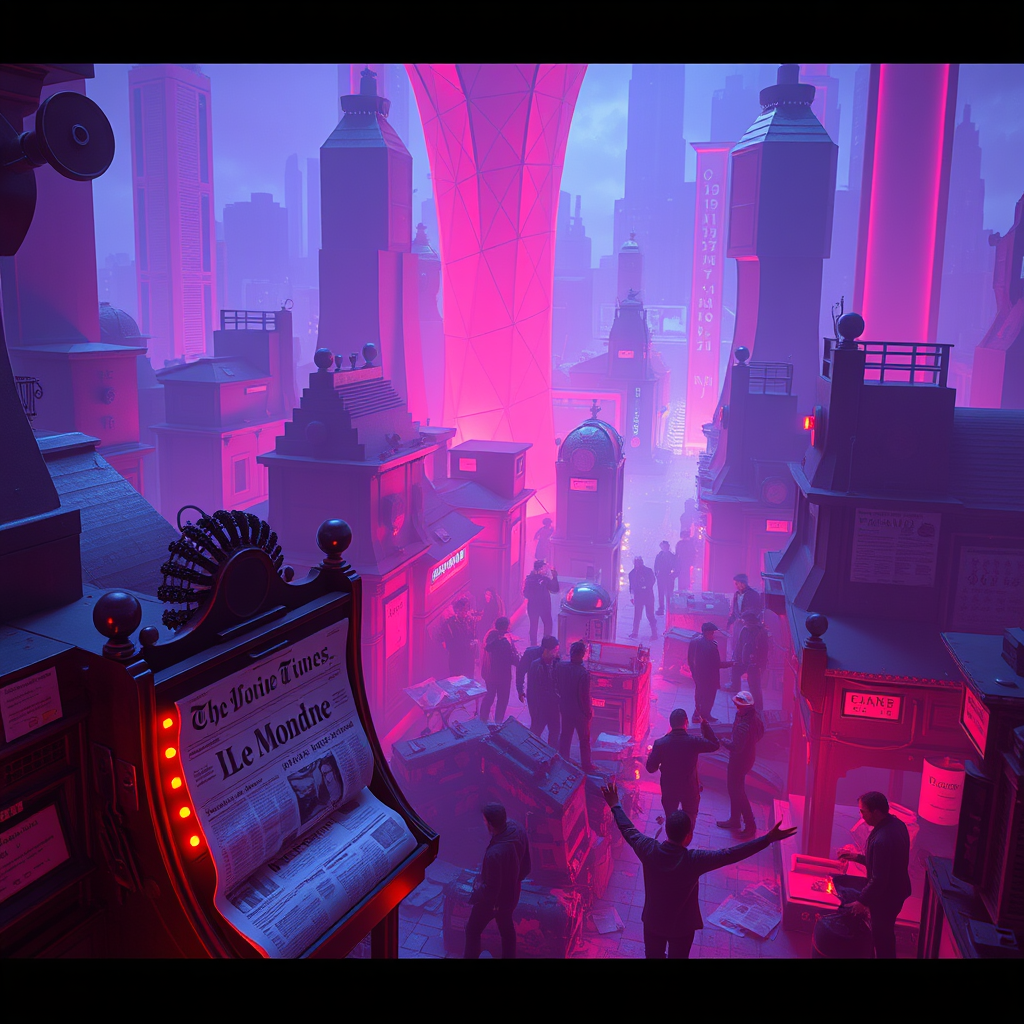
  • The Puritan Power Struggle: Red, Violet, and Digital Control

    The Puritan Power Struggle: Red, Violet, and Digital Control

    When the Echoes of Salem Meet the Algorithms of Silicon Valley

    History has a peculiar way of repeating itself, not through identical events, but through the recurring patterns of human control and societal friction. We find ourselves standing at a precipice where the rigid, moralistic frameworks of the past collide with the fluid, often chaotic nature of our digital existence. The stark red of political volatility and civil unrest serves as a modern-day scarlet letter, marking those who dare to deviate from the prevailing narrative of the day. Meanwhile, the emergence of violet hues in our cultural discourse represents a strange, synthetic bridge between the traditional power structures of old and the cold, calculated influence of the digital future. As we navigate this complex landscape, we must ask ourselves whether we are truly progressing or simply refining the mechanisms of our own confinement.

    The Crimson Tide of Modern Volatility

    The color red has long been associated with the raw, unfiltered energy of revolution and the visceral reality of conflict. In our current era, this hue manifests in the streets as rioters and political factions clash over the fundamental definitions of truth and justice. Much like the historical puritanical obsession with public displays of morality, today’s political theater demands a performative adherence to specific ideologies. When the social fabric begins to fray, the instinctual response is often to paint the opposition in the most alarming shades of danger, effectively silencing dissent through the threat of social ostracization. This volatility is not merely a byproduct of disagreement but a deliberate tool used to maintain a state of constant, high-stakes tension that keeps the populace perpetually reactive.

    We see this dynamic play out in the way information is weaponized to incite fervor rather than foster understanding. The political conflict that defines our news cycles is carefully curated to ensure that the red of anger remains the dominant color in our collective consciousness. By focusing on the most extreme elements of any movement, those in power can justify the implementation of stricter controls and more invasive surveillance measures. It is a cycle that feeds on itself, where the fear of the other becomes the primary driver of policy and social interaction. To understand the depth of this manipulation, one might look at the historical analysis of mass hysteria provided by The Smithsonian Magazine, which details how fear can be manufactured to consolidate authority.

    The Violet Bridge to Digital Hegemony

    If red represents the chaotic energy of the masses, violet serves as the bridge to a more calculated, technological form of governance. This color sits at the intersection of the traditional power of the pulpit and the modern influence of the algorithm, blending the old-world desire for moral purity with the new-world demand for data-driven conformity. The digital control exerted by modern platforms is not unlike the watchful eye of a puritan elder, constantly monitoring behavior for signs of deviation from the established norm. By digitizing our social interactions, these systems have created a panopticon where the fear of being flagged or de-platformed acts as a powerful deterrent against non-conformity. The violet hue represents this synthesis, a cooling of the red heat into a controlled, manageable spectrum of digital compliance.

    The transition from physical enforcement to digital nudging marks a significant shift in how power is exercised in the twenty-first century. We are no longer just subject to the laws of the land, but to the invisible, proprietary rules of the platforms that host our lives. This technological influence is pervasive, shaping our preferences, our political leanings, and even our perception of reality itself. As noted in recent studies on the impact of social media algorithms, the architecture of these platforms is designed to maximize engagement, often at the expense of nuance and truth. You can explore more about the psychological underpinnings of these systems through resources like Wired, which frequently covers the intersection of tech and human behavior.

    Puritan Values in a Silicon Age

    It is a mistake to assume that the puritanical impulse died with the seventeenth century; it has merely migrated into the digital realm. The modern obsession with purity tests, cancel culture, and the policing of language mirrors the rigid social hierarchies of early colonial settlements. In this new environment, the traditional power structures have been replaced by a decentralized network of influencers and moderators who enforce a new kind of orthodoxy. The goal remains the same: to define the boundaries of acceptable thought and to punish those who cross them. This digital puritanism is perhaps more dangerous than its historical predecessor because it is integrated into the very tools we use to communicate, work, and organize our lives.

    The irony of our current situation is that we believe ourselves to be more enlightened than our ancestors, yet we are just as susceptible to the allure of moral certainty. We seek out echo chambers that reinforce our existing beliefs, effectively creating digital congregations where dissent is treated as heresy. This behavior is not an accident but a feature of the systems we inhabit, which are optimized to keep us within our comfort zones. By understanding the historical roots of these impulses, we can begin to see how our modern digital lives are being shaped by forces that are far older than the internet itself. The struggle for autonomy in this environment requires a conscious effort to step outside the prescribed narratives and engage with the world in a more authentic, less mediated way.

    The Architecture of Compliance

    At the heart of this power struggle lies the architecture of the platforms themselves, which are built to facilitate control under the guise of convenience. Every click, every like, and every share is a data point that feeds the machine, allowing for more precise targeting and more effective manipulation. This modern influence is subtle, often operating below the level of conscious awareness, yet it is profoundly effective at shaping our collective behavior. When we consider the implications of this, we must confront the reality that our digital freedom is largely an illusion, constrained by the parameters set by those who own the infrastructure. The violet light of the screen is the modern equivalent of the flickering candle in a dark meeting house, illuminating only what the authorities want us to see.

    To break free from this cycle, we must first recognize the mechanisms of control that are being deployed against us. This involves a critical examination of the platforms we use and the ways in which they influence our decision-making processes. It also requires a commitment to intellectual independence, even when it is uncomfortable or unpopular. By fostering spaces that are not governed by the algorithms of the major tech giants, we can begin to reclaim our agency and build a more resilient form of community. The challenge is immense, but the alternative is a future where our thoughts and actions are entirely dictated by the digital systems we have allowed to become our masters.

    Final Thoughts

    The struggle between the red of volatility and the violet of digital control is the defining conflict of our time. We are caught between the raw, often destructive energy of our own political divisions and the cold, calculated influence of the technological systems that govern our lives. To navigate this landscape, we must look beyond the surface-level narratives and understand the deeper historical and structural forces at play. Only by reclaiming our autonomy and refusing to be defined by the algorithms can we hope to forge a path that is truly our own. The future is not yet written, but it will be determined by our ability to see through the illusions and act with clarity and purpose in an increasingly complex world.

  • Red Velvet Secrets: A Parisian Tragedy of Power and Desire

    Red Velvet Secrets: A Parisian Tragedy of Power and Desire

    Unveiling the Crimson Veil of Parisian Ambition

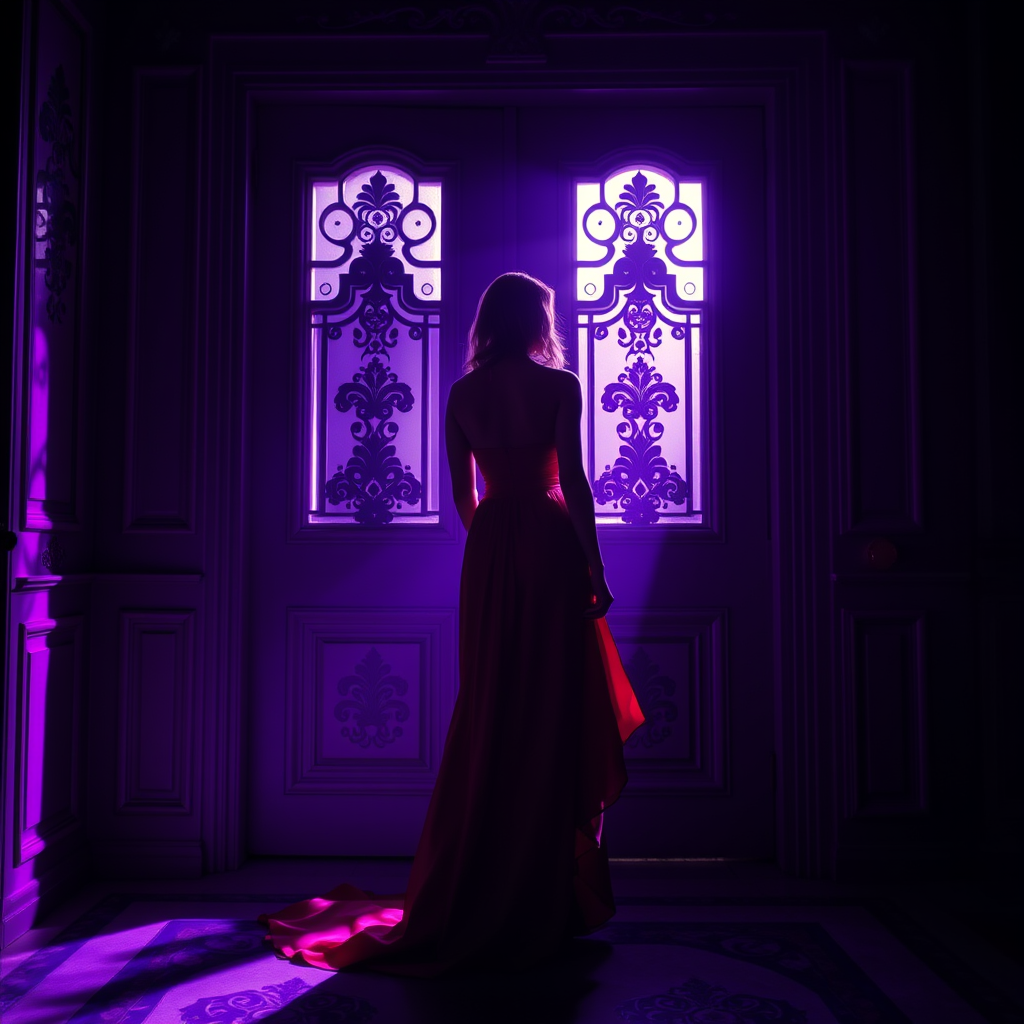
    The streets of Paris have long whispered tales of grandeur, but beneath the gilded surface of the city of light lies a narrative steeped in the visceral intensity of red velvet and the haunting shadows of violet. This story is not merely one of aesthetic beauty, but a complex exploration of the power dynamics that govern the elite circles of high society. As we peel back the layers of this Parisian tragedy, we find that desire is often the catalyst for an inevitable downfall. The interplay between the warmth of passion and the cold, calculated reach for influence creates a tension that is as intoxicating as it is dangerous. To understand this narrative, one must look beyond the surface and embrace the darker, more enigmatic elements that define the human condition in its most desperate moments.

    The Chromatic Language of Desire

    In the visual lexicon of this narrative, the deep red of velvet serves as the primary signifier of raw, unadulterated passion. It is a color that demands attention, pulling the viewer into a space where boundaries are blurred and inhibitions are discarded in favor of immediate gratification. This sensual campaign is meticulously crafted to evoke a sense of urgency, mirroring the frantic heartbeat of those who chase power at any cost. The texture of the fabric itself, soft yet heavy, suggests a luxury that is both comforting and suffocating, much like the relationships that drive the plot forward.

    When we examine the historical context of such imagery, we see how color has always been used to manipulate perception and dictate social standing. The red velvet is not just a backdrop; it is a character in its own right, witnessing the clandestine meetings and the whispered betrayals that occur behind closed doors. By analyzing the psychological impact of these hues, we can better appreciate the depth of the tragedy that unfolds. For those interested in the history of color theory in art, the Tate Museum provides an excellent overview of how pigments influence emotional responses. This foundational knowledge allows us to see the red velvet not as a mere prop, but as a deliberate choice to heighten the stakes of the narrative.

    Violet Accents and the Weight of Tragedy

    While red commands the stage, the subtle introduction of violet accents signals the presence of an underlying sorrow that cannot be ignored. Violet, often associated with royalty and mystery, here represents the inevitable decay that follows the pursuit of unchecked ambition. It is the color of the twilight hour, the moment when the day’s light fades and the true nature of one’s actions is laid bare. These accents serve as a reminder that every gain in power is balanced by a corresponding loss of innocence or moral integrity.

    The juxtaposition of these two colors creates a visual dissonance that mirrors the internal conflict of the protagonists. They are caught in a cycle of wanting more while fearing the consequences of their reach, a classic trope in the Parisian tragedy genre. As the story progresses, the violet tones become more prominent, signaling the encroaching darkness that will eventually consume the characters. This transition is essential for maintaining the narrative arc, ensuring that the audience feels the weight of the tragedy as it builds toward its climax. For a deeper dive into the symbolism of violet in literature, one might consult the Encyclopedia Britannica entry on literary symbolism to understand how these motifs have been utilized throughout history.

    The Architecture of Power Dynamics

    Power in this Parisian setting is never static; it is a fluid, shifting entity that requires constant vigilance to maintain. The characters navigate a labyrinth of social expectations and hidden agendas, where a single misstep can lead to total ruin. This mysterious power is not derived from wealth alone, but from the ability to control the narrative and influence the perceptions of others. The red velvet rooms become the stage for these high-stakes maneuvers, where every gesture is calculated and every word is a weapon.

    The tragedy lies in the fact that the characters are so focused on their ascent that they fail to see the structural weaknesses in their own foundations. They are blinded by the allure of their own success, ignoring the warning signs that are woven into the very fabric of their environment. This blindness is a central theme, highlighting the hubris that often accompanies great influence. By examining the sociological aspects of power, we can see how these fictional dynamics reflect real-world struggles for dominance. It is a cautionary tale that reminds us that the higher one climbs, the more devastating the fall becomes when the velvet curtain finally drops.

    The Aesthetic of the Inevitable

    The visual aesthetic of this narrative is designed to be immersive, drawing the audience into a world that feels both timeless and fleeting. Every detail, from the lighting to the costume design, is intended to reinforce the themes of desire and tragedy. The use of shadow and light creates a sense of depth, suggesting that there is always more to the story than what is immediately visible. This narrative depth is what keeps the audience engaged, as they are constantly invited to look closer and question the motivations of the characters.

    As the tragedy reaches its peak, the aesthetic choices become even more pronounced, with the red and violet hues blending into a chaotic tapestry of emotion. This visual climax is necessary to convey the intensity of the final act, where the consequences of the characters’ choices are fully realized. It is a masterclass in visual storytelling, proving that color can be just as effective as dialogue in conveying complex themes. For those interested in the intersection of fashion and narrative, Vogue offers insights into how visual storytelling shapes our understanding of luxury and tragedy. This connection between the physical world and the abstract narrative is what makes the story so compelling and enduring.

    Final Thoughts

    The story of the red velvet and the violet shadows is a timeless exploration of the human heart and its capacity for both greatness and destruction. It serves as a stark reminder that the pursuit of desire, when untethered from morality, inevitably leads to a tragic end. By understanding the symbolism and the power dynamics at play, we gain a deeper appreciation for the complexity of the narrative and the lessons it offers. Ultimately, the tragedy is not just about the characters, but about the universal struggle to find meaning in a world that is as beautiful as it is cruel. We are left to ponder the secrets hidden within the velvet, knowing that some truths are better left in the shadows of the Parisian night.

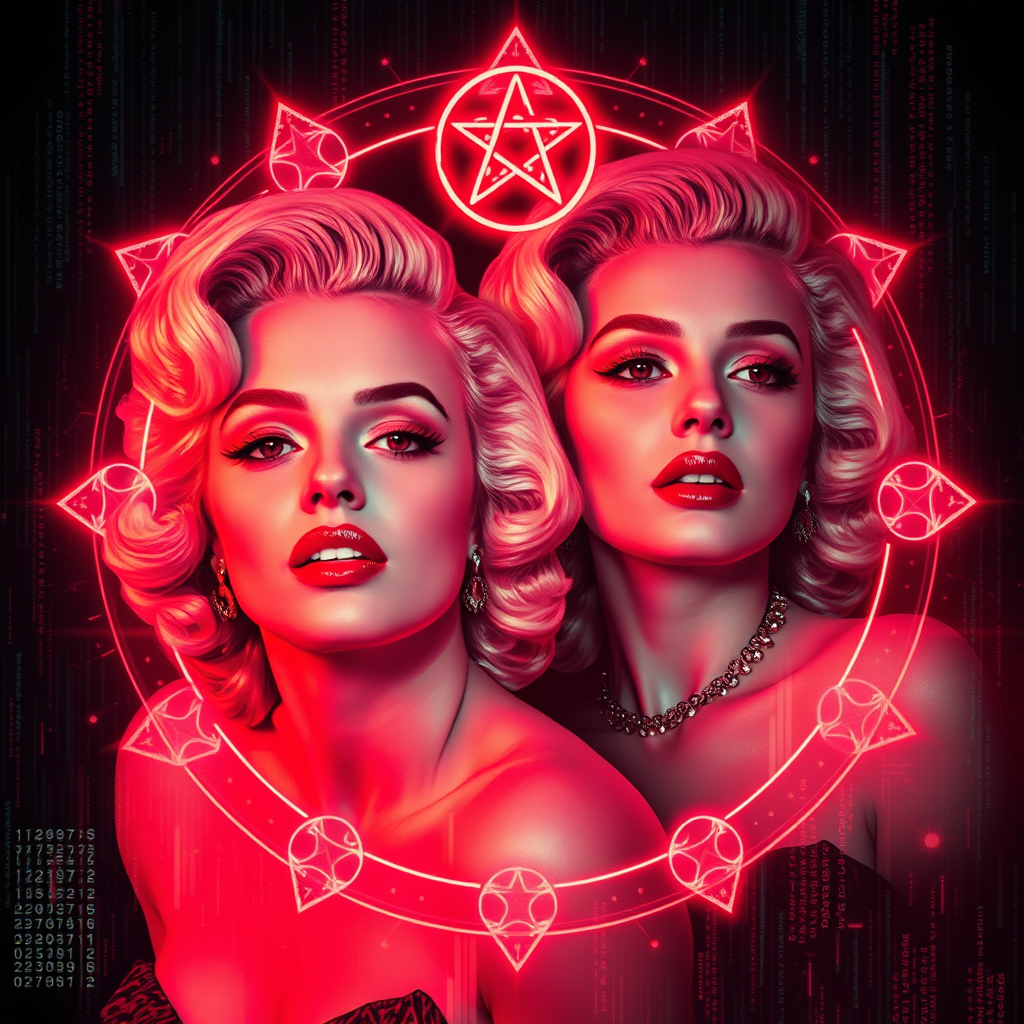
  • The Puritan Red: Ancient Rituals and Satanic Escalation

    The Puritan Red: Ancient Rituals and Satanic Escalation

    Unveiling the Crimson Thread of Colonial Terror and Occult Obsession

    The color red has long served as a visceral marker of human history, but within the austere, gray-washed landscape of early New England, it took on a far more sinister connotation. While the Puritans preached a doctrine of absolute purity and divine restraint, their obsession with the scarlet hue revealed a deep-seated psychological fixation on blood, sin, and the encroaching shadow of the demonic. This Puritan Red was not merely a pigment found in textiles or nature; it was a symbolic manifestation of the internal war between rigid social control and the perceived influence of the adversary. By examining the intersection of colonial law and forbidden folklore, we begin to see how the fear of the devil was woven into the very fabric of their society. The following exploration delves into the dark rituals and the escalating paranoia that transformed a simple color into a harbinger of spiritual doom.

    The Theology of Blood and the Scarlet Stain

    To understand the significance of red in the Puritan consciousness, one must first look at their interpretation of the scriptures, which often emphasized the shedding of blood as both a cleansing agent and a mark of corruption. The Puritans viewed the world through a binary lens where every action was either an act of devotion or a step toward damnation. When they encountered the color red in the natural world, it was frequently interpreted as a sign of divine wrath or a warning of impending judgment. This theological framework created a fertile ground for the development of satanic lore, as any deviation from the monochromatic austerity of their daily lives was viewed with intense suspicion. The fear of the scarlet letter was not just a literary device but a reflection of a culture that equated visual vibrancy with moral decay.

    Historians have noted that the Puritan obsession with blood was deeply tied to their concept of original sin and the necessity of constant repentance. They believed that the human soul was perpetually stained, and only through the metaphorical blood of the covenant could one find salvation. However, this fixation often bled into their secular lives, influencing how they viewed the physical world around them. The color red became a shorthand for the forbidden, a visual trigger that reminded the congregation of the dangers lurking just beyond the edge of their settlements. As documented in the history of the Salem witch trials, the psychological pressure of maintaining such a rigid moral standard often led to mass hysteria and the projection of internal darkness onto external scapegoats.

    Rituals of Control and the Fear of the Occult

    The rigid social structures of the Puritan colonies were designed to suppress any form of dissent, yet the fear of the occult remained a persistent undercurrent in their society. They believed that the devil was a tangible entity, constantly seeking to infiltrate their communities through hidden rituals and secret pacts. This belief system necessitated a constant state of vigilance, where the smallest anomaly could be interpreted as evidence of witchcraft. The color red, often associated with the devil in European folklore, became a focal point for this anxiety. It was believed that those who practiced the dark arts would use red ribbons, dyes, or even blood to mark their allegiance to the infernal powers.

    This paranoia led to the implementation of strict sumptuary laws that dictated what colors and fabrics individuals were permitted to wear. By controlling the visual environment, the Puritan leadership hoped to minimize the influence of the devil and maintain a cohesive, godly society. However, these restrictions only served to heighten the allure of the forbidden, as the color red became a symbol of rebellion and hidden power. The tension between the desire for order and the fear of the unknown created a volatile environment where accusations of occult activity could destroy families and communities overnight. For further reading on the psychological impact of these societal pressures, one might consult academic studies on colonial social control, which highlight how fear was utilized as a tool for governance.

    The Escalation of Satanic Paranoia

    As the colonies grew and the pressures of survival intensified, the fear of the devil began to manifest in increasingly extreme ways. The escalation of satanic escalation was not a sudden event but a slow, creeping process that fed on the insecurities of the population. The Puritans began to see the hand of the adversary in everything from crop failures to the behavior of their neighbors. The color red, once a simple aesthetic choice, became a dangerous signifier that could lead to accusations of consorting with spirits. This period of history serves as a chilling reminder of how easily a society can descend into madness when fear is allowed to dictate the boundaries of acceptable behavior.

    The rituals that the Puritans feared were often projections of their own repressed desires and anxieties. By accusing others of engaging in dark ceremonies, they were able to externalize their own struggles with temptation and doubt. The red of the devil was a mirror held up to their own souls, reflecting the very sins they sought to eradicate. This cycle of accusation and retribution created a feedback loop that fueled the fires of the witch hunts, leading to the tragic loss of life and the permanent scarring of the colonial psyche. The obsession with identifying the mark of the beast in the form of the color red became a central theme in the folklore that emerged from this period, cementing its place in the dark history of the American frontier.

    The Legacy of the Crimson Mark

    The legacy of the Puritan obsession with the color red continues to influence our cultural understanding of the occult and the nature of evil. Even today, the association between the color red and the demonic remains a powerful trope in literature, film, and art. It serves as a reminder of the dangers of moral absolutism and the destructive power of fear. By examining the history of the Puritans, we gain insight into the human tendency to create monsters out of our own insecurities and to use the language of the divine to justify the persecution of the marginalized. The ancient rituals that were once feared have now become the subject of academic study and dark fascination, yet the underlying message remains the same: the greatest threats to a society are often the ones that grow from within.

    As we look back on this period, it is essential to recognize the complexity of the Puritan experience and the ways in which their beliefs shaped the trajectory of American history. The intersection of faith, fear, and the occult created a unique cultural landscape that continues to resonate in the modern era. By understanding the role of the color red in their world, we can better appreciate the depth of their struggle and the lasting impact of their legacy. The story of the Puritan red is not just a tale of the past; it is a cautionary narrative about the fragility of human reason and the enduring power of the shadows we cast. For those interested in exploring the darker side of colonial history, resources such as the History Channel archives provide a comprehensive look at the events that defined this turbulent era.

    Final Thoughts

    The study of the Puritan red reveals a profound truth about the nature of human belief and the ways in which we construct our reality. By imbuing a simple color with such intense symbolic weight, the Puritans created a world where the boundaries between the sacred and the profane were constantly shifting. This exploration of their fears and rituals serves as a testament to the enduring power of the human imagination and the capacity for both great devotion and terrible cruelty. As we continue to navigate the complexities of our own time, we would do well to remember the lessons of the past and the dangers of allowing fear to dictate our perception of the world. The crimson thread of history continues to weave through our lives, reminding us that the shadows of the past are never truly gone, but are instead waiting to be understood in the light of the present.

  • The Red Voyage: Unlocking the Anatomy of Ancient Hell

    The Red Voyage: Unlocking the Anatomy of Ancient Hell

    Descending into the Crimson Abyss of Mythic Anatomy

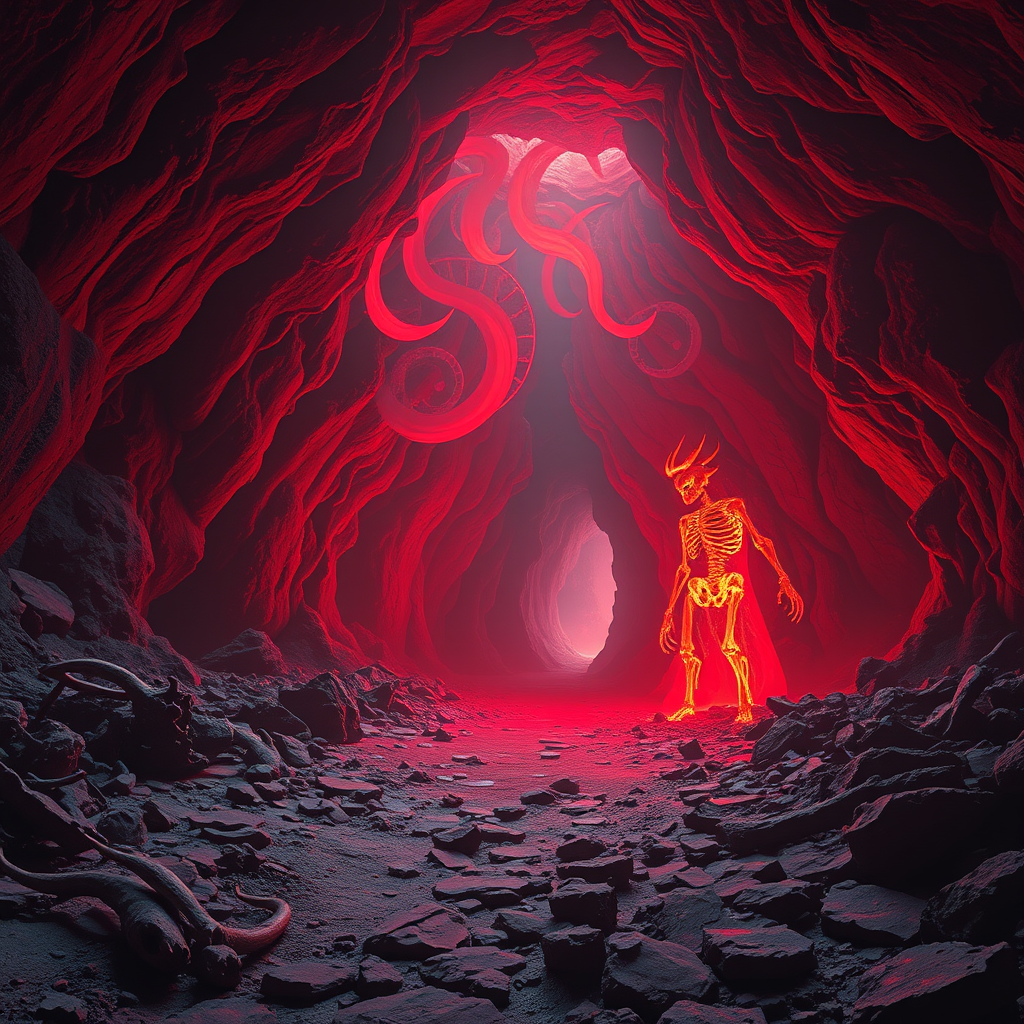
    The concept of hell has long been tethered to the color red, a hue that signifies both the intensity of eternal fire and the visceral reality of biological decay. When we examine the anatomy of ancient underworlds, we find that the color palette is not merely decorative but serves as a bridge between the spiritual torment of the damned and the raw, animalistic nature of the physical form. By dissecting these forbidden landscapes, we uncover a narrative where blood, muscle, and bone become the architecture of suffering itself. This exploration invites you to look past the metaphorical flames and into the structural heart of a realm designed to mirror the darkest impulses of the human condition.

    The Chromatic Language of Eternal Torment

    In the study of ancient iconography, the color red acts as a universal signifier for life, death, and the transition between the two states. Within the context of hellish landscapes, this deep, saturated palette serves to ground the ethereal concept of punishment in a tangible, biological reality. The use of crimson tones forces the viewer to confront the fragility of the flesh, suggesting that the afterlife is not a departure from the body but a permanent, agonizing extension of it. Scholars often note that the psychological impact of this color choice is intentional, designed to evoke a primal response that transcends cultural boundaries and speaks directly to our innate fear of physical violation.

    When we analyze the historical depictions of the underworld, we see that the red palette is frequently paired with textures that mimic raw tissue and exposed sinew. This aesthetic choice transforms the environment into a living, breathing entity that consumes those who enter its gates. By framing the landscape as a biological construct, ancient artists and storytellers were able to emphasize the inescapable nature of their vision. You can learn more about the psychology of color in historical art to understand how these hues were selected to manipulate the viewer’s emotional state. This connection between the environment and the body creates a visceral experience that remains as potent today as it was centuries ago.

    Anatomy as the Architecture of Suffering

    The anatomy of the damned is a recurring motif that suggests the body is the primary site of both sin and retribution. In these ancient narratives, the physical form is often distorted, stretched, or flayed to reflect the internal corruption of the soul. By utilizing a deep red palette, creators emphasize the vulnerability of the human frame, turning every muscle fiber and vein into a focal point of the narrative. This approach suggests that the architecture of hell is built upon the very anatomy it seeks to destroy, creating a cycle of pain that is both intimate and infinite.

    Beyond the surface level of gore, there is a complex symbolic layer that links animalistic traits to the human experience of the afterlife. Many ancient texts describe the inhabitants of the underworld as having features that blur the line between man and beast, such as elongated limbs, sharpened teeth, or hardened, chitinous skin. This hybridization serves to strip away the veneer of civilization, leaving only the raw, instinctual core of the individual. For a deeper dive into mythological representations of the afterlife, one can see how these anatomical shifts were used to denote a loss of humanity. The red palette acts as the binding agent for these transformations, ensuring that the viewer never loses sight of the biological cost of eternal damnation.

    The Visceral Connection to Forbidden Realms

    To enter the forbidden realm is to accept that the laws of nature no longer apply, yet the laws of biology remain cruelly intact. The red palette serves as a constant reminder that even in a place beyond the reach of the living, the body remains a vessel for sensation and pain. This creates a unique tension between the supernatural setting and the grounded, anatomical reality of the characters inhabiting it. By focusing on the visceral details of the form, we are forced to confront the reality that our own bodies are the ultimate limit of our existence.

    This thematic bridge between the environment and the anatomy is what makes the concept of hell so enduringly terrifying. It is not just the fire that burns, but the way the fire interacts with the skin, the way the heat causes the muscles to contract, and the way the blood flows through the veins of the damned. This level of detail elevates the narrative from a simple cautionary tale to a profound meditation on the nature of existence. When we look at the history of macabre art, we see a consistent effort to map the human experience onto the landscape of the afterlife. The red palette is the thread that connects these disparate elements, weaving them into a cohesive and haunting vision of the unknown.

    Unlocking the Secrets of the Red Voyage

    The journey through these ancient, hellish landscapes is a voyage into the deepest parts of the human psyche. By stripping away the comforts of the physical world, we are left with nothing but the raw, red reality of our own mortality. This process of unlocking the anatomy of hell is not for the faint of heart, as it requires us to look at the body not as a temple, but as a site of potential suffering. The deep red palette acts as a guide, leading us through the layers of the underworld and revealing the structural truths hidden within the shadows.

    As we navigate this crimson abyss, we begin to understand that the anatomy of hell is a reflection of our own internal struggles. The distorted forms and the endless cycle of pain are manifestations of the fears and desires that we often try to suppress. By embracing the visceral nature of this imagery, we gain a better understanding of the human condition and the lengths to which we go to define our place in the universe. This exploration is a testament to the power of art to bridge the gap between the physical and the metaphysical, proving that even in the darkest of realms, there is a profound beauty to be found in the anatomy of the soul.

    Final Thoughts

    The red voyage into the anatomy of ancient hell is a journey that challenges our perceptions of life, death, and the physical form. By bridging the gap between the hellish environment and the biological reality of the body, we uncover a narrative that is as timeless as it is terrifying. This exploration serves as a reminder that our bodies are the ultimate vessels of our experience, and that even in the afterlife, the anatomy of our existence remains the primary focus of our journey. As we continue to study these ancient visions, we find that the deep red palette remains the most powerful tool for expressing the raw, unvarnished truth of the human experience. May this analysis inspire you to look closer at the art and stories that define our understanding of the forbidden, and to appreciate the visceral connection between the body and the infinite.

  • Unpopular Violet Explosions in the Night

    Unpopular Violet Explosions in the Night

    When the Darkness Bursts into Unforeseen Color

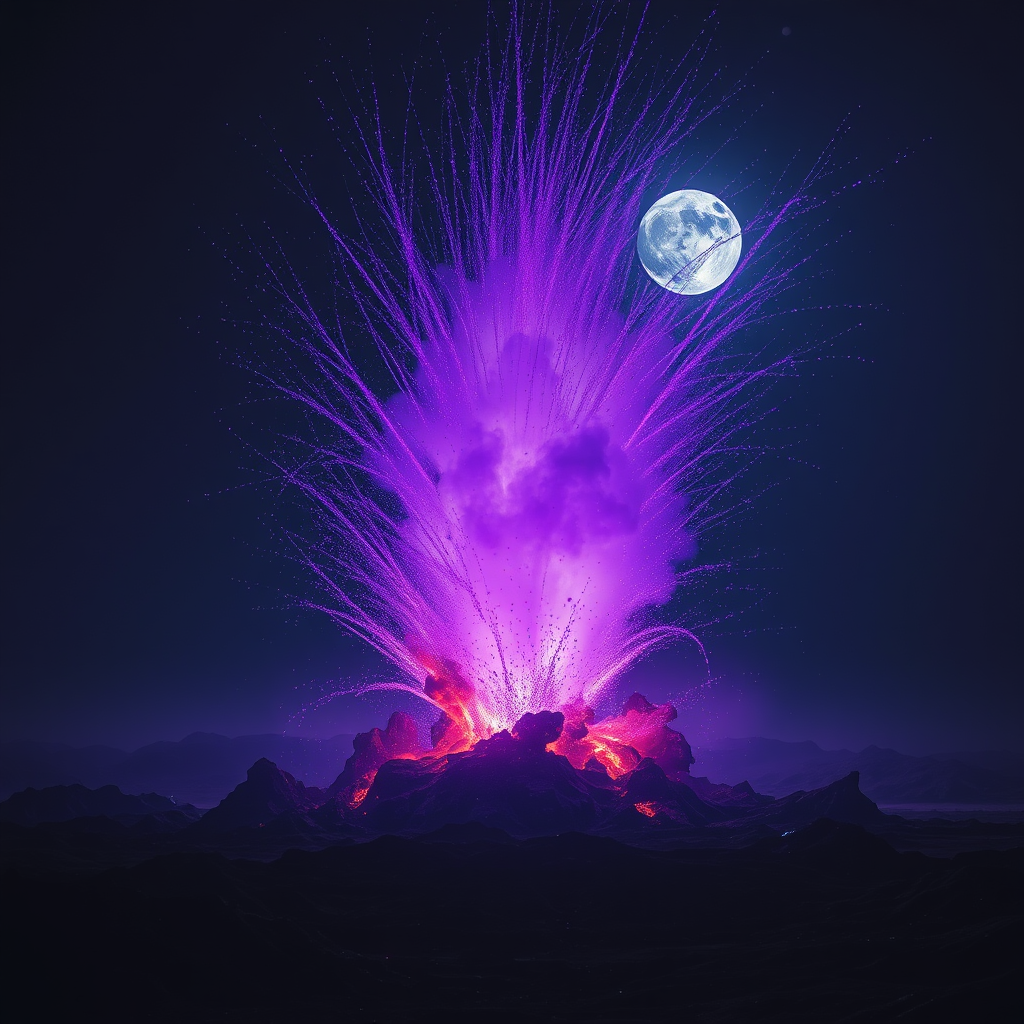
    The night sky, typically a canvas of deep indigo and scattered silver, holds secrets far more volatile than we often assume. We settle into the predictable rhythm of darkness, expecting only the moon’s soft glow or the distant, steady pinpricks of stars. Yet, sometimes, the universe decides to stage an impromptu, spectacular event, painting the void with hues that defy expectation. These are the moments when the mundane shatters, replaced by an almost violent beauty—a sudden, shocking display of light that demands attention. This article explores the phenomenon of these unexpected, vibrant explosions, focusing on the rare and arresting combination of violet, red, and orange light erupting against the black backdrop.

    The Science Behind the Unpopular Hues

    When we think of celestial fireworks, our minds often drift to the familiar blues and greens of aurorae or the steady yellow of distant suns. However, the appearance of intense violet and deep orange suggests specific, high-energy chemical reactions or atmospheric interactions occurring at incredible speeds. Violet light, being on the shorter wavelength end of the visible spectrum, requires significant energy input to be generated, often signaling the presence of highly ionized gases or extremely rapid molecular excitation. This is not the gentle light of twilight; this is the signature of a powerful, instantaneous release.

    The juxtaposition of these colors—the cool, electric violet clashing with the warm, aggressive tones of red and orange—creates a visual dissonance that is both beautiful and slightly alarming. Consider the physics of meteors burning up in the upper atmosphere; while most leave a white or yellow trail, specific mineral compositions can ionize the air to produce these rarer colors. Furthermore, certain types of solar flares or coronal mass ejections, when interacting with Earth’s magnetic field in specific, localized ways, can trigger atmospheric events that manifest these exact color profiles. For a deeper dive into atmospheric optics, one might explore the detailed work done by atmospheric research institutes like NASA’s dedicated pages.

    These events are often fleeting, making them “unpopular” not because they are unwelcome, but because they are so rare and difficult to capture consistently. They are the photographic equivalent of catching lightning in a bottle, demanding precise timing and specialized equipment to document the spectral signature accurately. The sheer randomness of their appearance ensures that they remain a subject of fascination for both amateur stargazers and professional astrophysicists seeking anomalies in standard light pollution models.

    The Emotional Impact of Nighttime Spectacle

    There is a profound psychological shift that occurs when the expected silence and darkness of the night are violently interrupted by such intense color. It triggers an ancient, primal response—a mixture of awe and apprehension. The human eye is naturally drawn to high contrast, and the sudden appearance of saturated red against absolute black is an undeniable call to attention. This is far removed from the gentle, diffused light pollution we usually contend with in urban environments.

    Witnessing such an event, even if it is a distant atmospheric phenomenon, forces a momentary recalibration of our place in the cosmos. It reminds us that the environment surrounding our planet is dynamic, volatile, and capable of producing beauty that borders on chaos. Many historical accounts of unexplained lights or “sky fires” likely stem from similar, though perhaps less scientifically understood, occurrences. The emotional resonance of these unpopular violet explosions lies in their sheer unexpectedness, breaking the monotony of the predictable nocturnal cycle. If you are interested in the historical context of unexplained aerial phenomena, the archives of early astronomical journals offer fascinating, if speculative, reading.

    This emotional jolt is what separates these events from, say, a planned fireworks display. A fireworks show is controlled, anticipated, and designed for human consumption; the natural explosion is raw, uncontrolled, and indifferent to the observer. It is a pure expression of physical forces playing out on a grand scale, and our reaction is purely visceral. This raw display often inspires artists and writers seeking metaphors for sudden change or revelation, as explored in various literary analyses of natural symbolism found in academic databases.

    The Rarity of True Violet Signatures

    While red and orange are relatively common in atmospheric phenomena—think of sunsets or certain types of high-altitude lightning—the presence of a dominant, saturated violet hue is the true marker of an unusual event. Violet light is scattered more easily by atmospheric particles than longer wavelengths, meaning that for it to appear intensely, the source must be either extremely powerful or very close to the observer, or the atmospheric conditions must be perfectly aligned to minimize scattering loss. This alignment is statistically improbable, contributing significantly to the rarity of these documented occurrences.

    When researchers analyze the spectral data from these events, they are often looking for specific emission lines that correspond to elements excited under extreme duress. The presence of strong violet lines might point toward specific molecular dissociation pathways that are not typically activated during standard auroral displays or typical meteor showers. Capturing this data requires sophisticated photometric equipment, often mounted on high-altitude platforms or specialized ground stations designed to filter out terrestrial light pollution. The pursuit of these rare spectral signatures drives significant innovation in remote sensing technology.

    The challenge for observers is distinguishing between a genuine, high-energy atmospheric event and optical illusions caused by complex interactions between terrestrial light sources and unusual cloud formations or aerosols. However, when the orange, red, and violet components appear simultaneously and coherently across a wide field of view, the evidence strongly suggests a singular, powerful energetic source. Understanding these spectral fingerprints is key to unlocking new insights into upper atmospheric chemistry, a field that remains surprisingly opaque despite decades of study. Learn more about the physics of light scattering on physics forums.

    Orange and Red: The Warm Counterpoint to Cosmic Cold

    The inclusion of deep orange and fiery red in these explosive displays serves as a crucial anchor, grounding the ethereal violet in something more familiar, yet still intense. Red light, with its longer wavelength, penetrates atmospheric haze more effectively than violet, meaning that if a powerful event is occurring, the red component is often the most visible element to the naked eye, even from great distances. This warmth contrasts sharply with the perceived coldness of space, creating a visual paradox.

    In the context of an explosion, red and orange often signify thermal radiation—intense heat being released. When combined with the high-energy signature of violet, it suggests a process involving both extreme kinetic energy (the initial impact or discharge) and subsequent thermal decay. Imagine a massive electrical discharge where the initial ionization creates the violet flash, followed immediately by the superheating of surrounding gases into a brilliant orange-red glow. This sequence, compressed into milliseconds, is what constitutes the “explosion” we are discussing.

    These warm colors also play a vital role in how we interpret the event’s scale. A purely violet flash might be dismissed as a small, high-altitude electrical event, but the addition of broad-spectrum red and orange implies a much larger energy budget at play. It’s the difference between a spark and a conflagration. Documenting the precise ratio of these colors helps scientists model the total energy output of the phenomenon, providing crucial data points for understanding transient luminous events (TLEs) and other high-altitude electrical discharges. For more on TLEs, check out the research summaries available from the ScienceDirect platform.

    The Search for Pattern in Randomness

    The true challenge in studying these “unpopular” events is their inherent randomness. Unlike predictable astronomical cycles, these explosions seem to occur without warning, defying easy forecasting. This lack of pattern makes them difficult to study systematically, often relying on serendipitous sightings captured by automated sky surveys or lucky amateur astronomers. The data sets are sparse, fragmented, and often lack the necessary multi-spectral coverage required for definitive analysis.

    However, the very act of searching for these anomalies pushes the boundaries of observational astronomy and atmospheric monitoring. Scientists are developing more sensitive, wide-field cameras capable of continuously scanning the sky for rapid changes in light intensity and color profile. The hope is that by increasing the observational baseline, the frequency of capture will rise, allowing for the identification of subtle precursor conditions or environmental triggers that precede the violet bursts. This systematic approach to the seemingly random is a hallmark of modern scientific inquiry, as detailed in texts on observational methodology like this introductory text.

    Ultimately, the allure of the unpopular violet explosions lies in their defiance of expectation. They are reminders that the universe is not a static, perfectly ordered machine but a place of constant, energetic flux. They challenge our established models and reward those who look up when they are least expecting to see something extraordinary. The pursuit of understanding these rare, vibrant moments is a testament to human curiosity and our relentless desire to map the unknown corners of our own sky. We must continue to look up, even when the night seems most ordinary, because that is precisely when the most spectacular, unexpected colors might ignite.

    Final Thoughts

    The convergence of red, orange, and the electrifying violet in a sudden nocturnal burst represents a perfect storm of atmospheric physics and energetic release. These events, though rare and perhaps overlooked in favor of more common celestial displays, offer invaluable data points about the extreme conditions possible within our own planetary envelope. They serve as vibrant, albeit fleeting, reminders that the cosmos is constantly experimenting with light and energy, often producing masterpieces when we least anticipate them. We encourage all sky watchers to keep their cameras ready and their eyes peeled, for the next truly spectacular, unexpected color show might just be happening above your roof tonight, challenging everything you thought you knew about the quiet night sky. Explore the beauty of high-energy physics through resources like the Institute of Physics.

  • Ancient Earth Rituals: Red, White, and Ecology

    Ancient Earth Rituals: Red, White, and Ecology

    The Primal Palette: Earth Pigments as Ecological Blueprints

    Long before synthetic dyes colored our world, humanity relied on the very ground beneath our feet to express meaning, ritual, and identity. The striking contrast between red and white earth pigments—ochre and kaolin, hematite and chalk—represents more than just ancient aesthetics; it embodies a profound, tangible connection to geological time and local ecology. These raw materials, painstakingly gathered and processed, served as the first language of human visual culture, embedding stories of life, death, and territory directly into the landscape. Understanding these ancient practices offers a vital lens through which to re-examine our modern relationship with natural resources and sustainable community building.

    Ochre’s Deep History: Tracing the Red Thread of Life

    Red ochre, rich in iron oxide, is perhaps the most universally recognized ancient pigment, appearing in cave art from Lascaux to the Australian outback. This vibrant hue was not merely decorative; it often symbolized blood, vitality, and the sacred boundary between the living and the spiritual realms. The acquisition of high-quality ochre required knowledge of specific geological formations, often involving dangerous extraction processes that cemented its value within tribal economies. This deep-seated reverence for the source material contrasts sharply with today’s disposable consumer culture, highlighting a time when every resource held inherent, irreplaceable worth. The chemistry of these pigments tells a story of millennia of weathering and mineral deposition.

    The preparation of red ochre involved grinding and sometimes heating the raw earth to achieve desired shades, a process that demanded communal effort and specialized knowledge passed down through generations. This shared labor fostered strong social bonds centered around the maintenance of cultural memory and ritual practice. When we look at the enduring presence of red earth in funerary rites across continents, we see a consistent human attempt to bridge the physical world with the unseen, using the most fundamental element of the planet—the soil itself. This enduring connection underscores the importance of preserving the landscapes that yield these precious, symbolic materials.

    Kaolin and Chalk: The Purity of White in Ancient Contexts

    White pigments, typically derived from kaolin clay or soft chalk deposits, offered a stark, powerful counterpoint to the intensity of red. Where red often signified action, life force, or danger, white frequently represented purity, transformation, or the spirit world. In many traditions, white body paint was used during rites of passage, signifying a temporary shedding of the old self before re-entering the community in a new status. The very act of seeking out and processing these fine, pale clays speaks to a sophisticated understanding of mineralogy and material science.

    The ecological implications of white pigments are equally significant; kaolin, a soft clay mineral, is often found near hydrothermal alteration zones or weathered igneous rocks, requiring specific geological scouting. Unlike the ubiquitous nature of some iron oxides, finding pristine white clay could be a localized, specialized endeavor, making it a commodity of significant trade value. Modern ecological restoration efforts often focus on stabilizing soil profiles, yet these ancient peoples understood the inherent value in the specific composition of different earth layers, treating them not as undifferentiated dirt but as distinct, powerful substances. Exploring the science behind these ancient colors reveals an unintentional, yet profound, form of early ecological stewardship.

    Ritual, Ecology, and the Shared Landscape

    The ritualistic application of red and white earth was inherently an ecological act because it necessitated a deep, intimate knowledge of the local biome. To know where the best ochre lay, or which clay beds yielded the finest white powder, meant knowing the water tables, the rock outcroppings, and the seasonal changes of the land. This knowledge system was survival; it was also culture. These pigments served as temporary tattoos, transforming the human body into a living canvas reflecting the geology of the immediate surroundings, thereby reinforcing the community’s rootedness.

    This practice stands in direct opposition to contemporary industrial models that prioritize extraction efficiency over environmental impact. When ancient peoples utilized these resources, the scale was sustainable by necessity; they took only what was needed for immediate ritual or artistic expression, allowing the source sites to remain viable for future generations. We can draw powerful parallels between these ancient, localized resource management systems and modern concepts of sustainable community style and localized material sourcing. The ancient earth rituals were, in essence, early forms of ecological accounting, where the cost of the pigment was measured in effort, knowledge, and respect for the source.

    Modern Echoes: Reconnecting Through Materiality

    Today, as we grapple with climate change and the alienation caused by hyper-digitalization, there is a growing hunger to reconnect with tangible, authentic experiences. Artists, designers, and environmental activists are increasingly turning back to natural pigments, seeking the grounding quality inherent in materials sourced directly from the earth. This movement is not mere nostalgia; it is a practical search for resilience and authenticity in our material culture. Using natural earth pigments allows creators to bypass complex, often polluting, industrial supply chains.

    The dialogue between red and white—the dynamic tension between life and spirit, earth and sky—remains a potent symbolic language. Contemporary ecological art often employs these very colors to speak about land degradation or restoration, consciously invoking the weight of ancient meaning. By choosing to work with materials that require time, patience, and respect for their origin, we participate in a continuum of human history that valued the integrity of the source. This conscious choice fosters a deeper sense of ecological awareness and responsibility toward the landscapes that sustain us, moving beyond abstract environmentalism to embodied connection. The Metropolitan Museum of Art holds numerous examples of how these pigments were used across millennia.

    The Future of Pigment: From Sacred Site to Shared Resource

    The challenge for the modern world is how to honor the sacredness of these materials without repeating the mistakes of over-extraction that plague modern mining. If we view the earth’s crust not as an infinite warehouse but as a finite library of colors and textures, our approach must shift toward conservation and minimal impact harvesting. This requires developing new ethical frameworks for sourcing, perhaps establishing community-managed pigment reserves or focusing on utilizing naturally occurring, dispersed materials rather than intensive quarrying.

    The enduring power of red and white lies in their elemental simplicity; they are the building blocks of visual communication before language became codified in text. Reintegrating these primal colors into our modern aesthetic—whether in architecture, fashion, or art—is a way of honoring the deep history of human ingenuity and our inseparable bond with the planet. This reconnection is crucial for fostering a sense of community style that is inherently rooted and responsible. For further reading on the cultural significance of color, consider exploring JSTOR articles on prehistoric art, or look into contemporary artists working with natural dyes like those featured in Smithsonian Magazine.

    Final Thoughts

    The ancient use of red and white earth pigments offers a profound lesson in materiality, sustainability, and cultural continuity. These simple powders connect us directly to the geological processes that shaped our world, reminding us that true wealth lies not in manufactured goods, but in the health and accessibility of our natural environment. By studying these enduring symbols, we gain insight into how past societies managed their most precious resources, providing a necessary blueprint for navigating our own ecological future. Embracing the lessons embedded in these primal palettes can help us cultivate a more mindful, grounded, and aesthetically rich existence, honoring the earth that provides both our sustenance and our inspiration, and fostering a renewed sense of ancestral wisdom.