Tag: technical

  • Shadow and Silence: The Tragedy of Forgotten Technical Genres

    Shadow and Silence: The Tragedy of Forgotten Technical Genres

    Echoes in the Void: Unearthing the Lost Architectures of Creative Expression

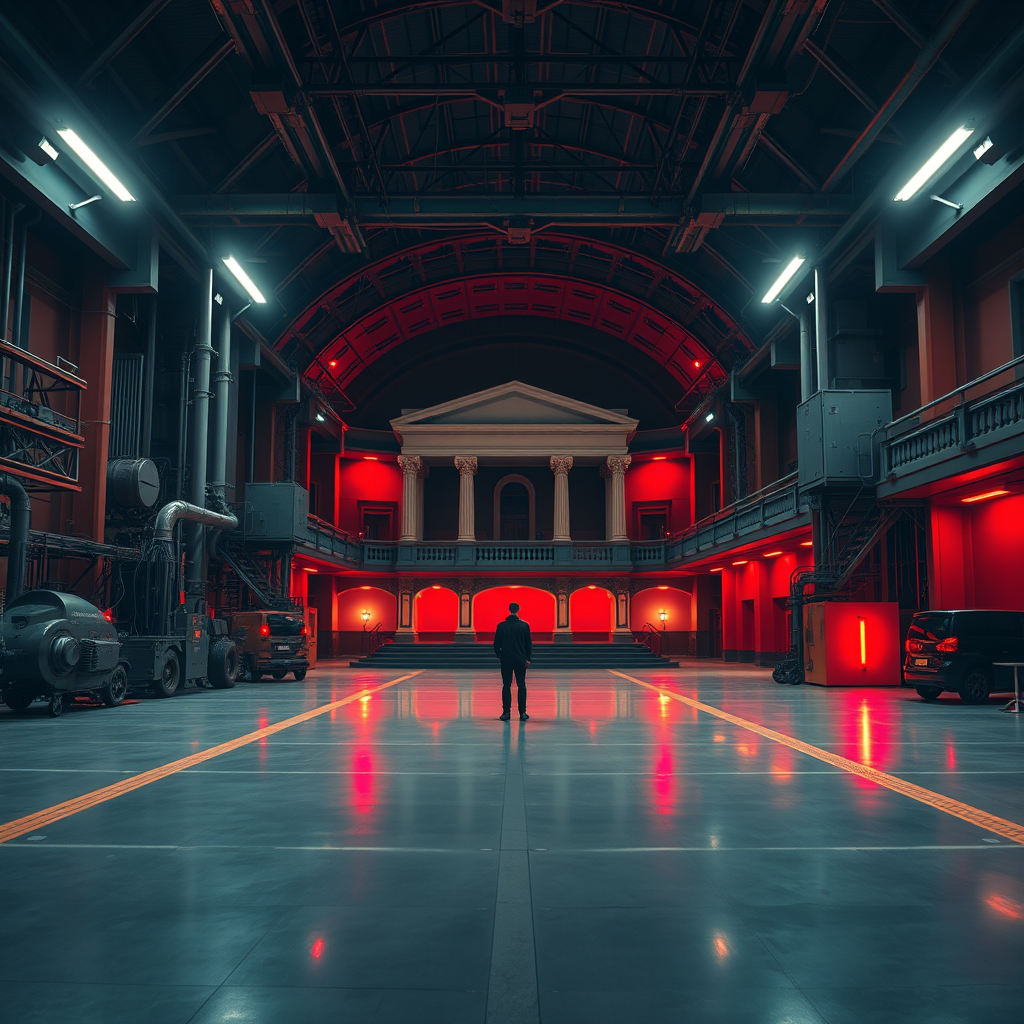
    In the vast, sprawling landscape of digital and physical archives, there exist pockets of creative output that have been systematically erased by the relentless march of progress. These technical genres, once vibrant and essential, now reside in a state of perpetual twilight, obscured by the glare of modern trends and the convenience of mass-market accessibility. To engage with these forgotten forms is to step into a desaturated world where the palette is defined by the interplay of deep shadows and profound silence. This tragedy of obscurity is not merely a loss of data, but a thinning of the human cultural fabric that once relied on these intricate, specialized languages to communicate complex truths. By examining the intersection of these neglected mediums and the aesthetic of the void, we can begin to understand why some sparks of artistic legacy are destined to flicker out while others are preserved in the amber of institutional memory.

    The Architecture of Obsolescence

    The history of technology is littered with the corpses of formats that were once considered the pinnacle of innovation. From the tactile complexity of early mainframe programming languages to the nuanced, analog-heavy workflows of mid-century industrial design, these genres demanded a level of mastery that is rarely required in our era of drag-and-drop interfaces. When a technical genre falls into disuse, it does not simply vanish; it retreats into a state of silence, waiting for a researcher or an enthusiast to exhume its skeletal remains. This process of fading away is inherently tragic because it represents the death of a specific way of thinking, a cognitive framework that was uniquely suited to the constraints of its time. The technical obsolescence of these tools mirrors the way we treat our own history, often discarding the difficult and the obscure in favor of the immediate and the frictionless.

    Consider the intricate world of early computer-aided drafting or the specialized shorthand of mechanical engineering documentation that preceded the digital revolution. These were not merely methods of recording information; they were languages of precision that required a deep, almost meditative focus. As these practices were replaced by automated systems, the human element—the subtle, idiosyncratic touch of the practitioner—was stripped away. We are left with a void where once there was a vibrant, albeit niche, community of experts. This silence is heavy, a testament to the fact that when we lose the technical genre, we lose the specific perspective that allowed that genre to flourish in the first place. For more on the preservation of digital history, one might look to the work of the Computer History Museum, which serves as a sanctuary for these abandoned artifacts of human ingenuity.

    The Aesthetics of the Desaturated Palette

    There is a haunting beauty in the desaturated palette of forgotten technical genres, a visual language that speaks to the isolation of the practitioner. When a genre is no longer supported by the mainstream, its documentation, its interface, and its output often take on a monochromatic, austere quality. This is not a stylistic choice, but a byproduct of the decay that sets in when a system is no longer maintained or updated for a modern audience. The shadows that cling to these genres are the shadows of neglect, yet they possess an undeniable gravity that draws the curious mind toward them. It is within this visual bridge between the void of obscurity and the spark of artistic legacy that we find the true value of these lost arts.

    To study these genres is to engage in a form of archeology where the artifacts are made of code, ink, and paper. The desaturation of these mediums acts as a filter, stripping away the superficial gloss of contemporary design and revealing the raw, functional core of the work. This aesthetic of silence is a powerful reminder that not all art needs to be loud or immediately consumable to be significant. By embracing the digital preservation of these forgotten forms, we are not just saving data; we are curating a gallery of human effort that defies the ephemeral nature of modern digital culture. The silence of these genres is not an absence of meaning, but a space where the observer is forced to project their own understanding, creating a unique dialogue between the past and the present.

    The Tragedy of the Unheard Voice

    The tragedy of forgotten technical genres is compounded by the fact that many of them were the primary vehicles for marginalized or highly specialized voices. When a genre is deemed unpopular, the individuals who dedicated their lives to mastering it are often rendered invisible, their contributions relegated to the footnotes of history. This erasure is a form of cultural violence, as it suggests that only the most popular or commercially viable forms of expression are worthy of being remembered. The artistic legacy of these individuals is often tied to the specific technical constraints they worked within, and when those constraints are removed or forgotten, the work itself loses its context and its power to resonate with future generations.

    We must ask ourselves what we lose when we allow these voices to be silenced by the weight of indifference. The loss is not just technical; it is a loss of diversity in thought and approach. When we prioritize the mainstream, we narrow the scope of what is considered possible, creating a feedback loop that reinforces the status quo. By shining a light on these forgotten genres, we challenge the narrative that progress is a linear, upward trajectory. Instead, we see it as a complex, branching path where many promising avenues have been left behind in the dark. Organizations like the Internet Archive play a crucial role in preventing this total erasure, providing a platform for the voices that would otherwise be lost to the void.

    Bridging the Void with Intentionality

    To bridge the gap between the void of obscurity and the spark of legacy, we must approach these forgotten genres with a sense of intentionality. This means moving beyond mere nostalgia and engaging with the technical challenges that these genres once solved. It requires a commitment to archival research that goes beyond the surface level, digging into the manuals, the source code, and the personal accounts of those who lived through the era of these tools. By reconstructing the environment in which these genres thrived, we can begin to appreciate the nuance and the complexity that were once taken for granted. This is an act of reclamation, a way of asserting that the past still has something to teach us about the future.

    The process of reclamation is inherently difficult, as it requires us to confront the silence and the shadows that have accumulated over decades. It is a slow, methodical process that demands patience and a willingness to work with incomplete information. Yet, the reward is a deeper understanding of the human capacity for innovation and the resilience of the creative spirit. When we successfully bridge this gap, we transform the void into a source of inspiration, proving that even the most obscure technical genre can hold a spark that illuminates our current path. This is the essence of cultural heritage, the ongoing effort to ensure that the voices of the past are not permanently extinguished by the passage of time.

    Final Thoughts

    The tragedy of forgotten technical genres is a reflection of our own tendency to prioritize the new over the meaningful. By acknowledging the beauty in the shadows and the importance of the silence that surrounds these lost arts, we can begin to cultivate a more inclusive and historically aware approach to our own creative endeavors. We must strive to be the stewards of these forgotten legacies, ensuring that the sparks of innovation they once provided continue to inform and inspire the generations to come. The void is not a destination, but a challenge to look closer, to listen harder, and to value the complexity that lies beneath the surface of our modern, streamlined world. Through this commitment, we ensure that the tragedy of obscurity is not the final chapter for these vital, if neglected, pieces of our shared human story.

  • The Technical Obsession: Defending Peace on a Decimated Planet

    The Technical Obsession: Defending Peace on a Decimated Planet

    Engineering a Future Amidst the Ruins of Our Own Making

    The horizon of our modern world is no longer defined by the lush greens of nature or the vibrant hues of a thriving ecosystem, but rather by the muted, dusty browns of a landscape pushed to its absolute limit. As we navigate this decimated planet, the weight of our collective history presses down on every decision we make regarding our survival. Yet, within this desolation, a new form of technical obsession has emerged as the primary architect of our potential salvation. It is a cold, calculated, and deeply necessary pursuit that seeks to reconcile our past mistakes with the urgent requirement for a sustainable peace. We are no longer building for comfort, but for the fundamental preservation of life itself.

    The Aesthetic of Desolation and Digital Hope

    When we look at the visual language of our current era, we see a stark dichotomy between the earth-toned reality of our environment and the electric blue pulses of our technological infrastructure. This color palette is not merely a stylistic choice but a reflection of the tension between the dying soil beneath our feet and the glowing screens that dictate our survival strategies. The muted earthy tones represent the reality of a world that has been stripped of its vitality through centuries of unchecked industrial expansion. By grounding our aesthetic in these colors, we acknowledge the gravity of our situation without falling into the trap of total nihilism.

    In contrast, the vibrant electric blue accents serve as a beacon of human ingenuity, cutting through the haze of dust and decay. This color represents the data streams, the energy grids, and the artificial intelligence systems that we rely on to manage the remaining resources of our world. It is the color of the interface, the signal, and the promise that we can engineer our way out of the current crisis. By balancing these two extremes, we create a visual narrative that emphasizes the necessity of technology in a world that has lost its natural equilibrium. You can explore more about the philosophy of design in harsh environments at ArchDaily to understand how architecture adapts to climate shifts.

    The Architecture of Technical Obsession

    Our obsession with technical solutions is not a symptom of vanity, but a survival mechanism born from the necessity of defending peace on a planet that is rapidly running out of room. We have reached a point where the traditional methods of diplomacy and resource management are insufficient to address the scale of the environmental collapse. Consequently, we have turned our attention to the precision of engineering to create closed-loop systems that can sustain human life in isolation. This obsession drives us to optimize every watt of energy and every drop of water, turning the act of living into a highly technical endeavor.

    This shift in focus requires a complete overhaul of how we perceive our relationship with the machines we build. We are no longer just users of technology; we are participants in a complex, interconnected network that demands constant maintenance and vigilance. The technical obsession manifests in the way we monitor atmospheric conditions, manage synthetic food production, and secure our digital borders against the chaos of the outside world. It is a disciplined, almost monastic approach to existence that prioritizes functionality above all else. For further reading on the intersection of technology and human survival, visit Wired for deep dives into emerging tech trends.

    Defending Peace Through Algorithmic Stability

    Peace on a decimated planet is not a state of tranquility, but a state of managed stability maintained by the constant application of logic and data. In a world where resources are scarce, conflict is an inevitable byproduct of desperation, making the role of algorithmic governance more critical than ever. By utilizing predictive modeling and automated resource distribution, we can mitigate the triggers that lead to violence and social unrest. This technical approach to peace ensures that the distribution of life-sustaining materials is handled with mathematical fairness, removing the bias of human greed from the equation.

    However, this reliance on algorithms brings its own set of challenges, particularly regarding the transparency and ethics of the systems we trust. We must ensure that the electric blue glow of our digital infrastructure does not blind us to the human element that remains at the core of our society. Defending peace means creating systems that are not only efficient but also resilient enough to withstand the pressures of a changing environment. It is a delicate balance between the cold logic of the machine and the warm, unpredictable nature of human empathy. We must remain the masters of our tools, ensuring that they serve the cause of peace rather than becoming instruments of control.

    The Resilience of the Human Spirit in a Digital Age

    Despite the overwhelming focus on technical solutions, the human spirit remains the most vital component of our survival strategy. The resilience of humanity is what drives us to continue building, repairing, and innovating even when the odds are stacked against us. We find meaning in the struggle, turning the act of survival into a testament to our enduring capacity for hope. This internal drive is what prevents our technical obsession from becoming a hollow pursuit, grounding our digital efforts in the very real desire for a better future.

    As we move forward, we must cultivate a culture that values both the technical expertise required to survive and the creative spirit required to thrive. The muted tones of our planet remind us of what we have lost, while the electric blue accents remind us of what we are capable of creating. By integrating these two forces, we can build a world that is not only sustainable but also meaningful. It is a journey that requires us to be both engineers of our environment and guardians of our humanity. We are the architects of a new era, and our legacy will be defined by how well we balance the machine with the soul.

    Final Thoughts

    The path toward a sustainable future is paved with the difficult choices we make today, balancing our technical obsession with the reality of our decimated planet. We must continue to refine our systems, defend our peace with vigilance, and never lose sight of the human values that make survival worth the effort. By embracing the contrast between the earth and the machine, we can forge a path that leads us out of the dust and into a new, stable reality. The future is not something that happens to us; it is something we build, one line of code and one act of preservation at a time. Let us move forward with the confidence that our technical prowess, when guided by a commitment to peace, is the key to reclaiming our place on this planet.

  • Finding Victory: A White Planet Heart and Family Travel

    Finding Victory: A White Planet Heart and Family Travel

    Navigating the Horizon of a Pristine Global Journey

    In an era defined by chaos and digital noise, the pursuit of a white planet heart represents a radical commitment to clarity, intentionality, and the pursuit of victory through travel. This aesthetic is not merely a visual preference but a philosophy that strips away the unnecessary to reveal the core of human connection. When we choose to explore the world with a focus on purity and purpose, we transform our family vacations into a futuristic mission of discovery. By aligning our movements with the principles of global connection, we ensure that every destination serves as a building block for a more unified and enlightened future.

    The Architecture of a Pure Aesthetic

    The white aesthetic serves as a blank canvas upon which the complexities of modern travel are projected and refined. It represents the purity of virtue, acting as a visual reminder that our intentions must remain untarnished as we traverse diverse landscapes. When a family adopts this minimalist mindset, they are better equipped to filter out the distractions that often plague international tourism. This deliberate choice allows for a deeper engagement with the environment, turning every hotel room, airport lounge, and city street into a space of meditative focus.

    To achieve this level of clarity, one must look toward the intersection of design and travel logistics. By prioritizing clean lines and open spaces, travelers can cultivate an atmosphere that promotes mental well-being and collective harmony. This approach is supported by the principles of modern architectural design, which emphasizes the psychological benefits of uncluttered environments. When we curate our surroundings, we are essentially curating our experiences, ensuring that the pursuit of victory is always grounded in a sense of peace and order.

    Integrating Technology into the Family Odyssey

    While the aesthetic is rooted in purity, the technical elements of our journey ground the vibe in a futuristic pursuit of progress. We utilize advanced navigation tools and digital connectivity to bridge the gap between distant cultures and our own domestic reality. This integration of high-tech solutions ensures that our family remains synchronized, even when we are thousands of miles apart in different time zones. The goal is to leverage innovation to enhance our human experience rather than allowing it to become a barrier to authentic engagement.

    Modern families must embrace the concept of technological synergy to maintain their momentum while on the move. By utilizing real-time data and smart travel platforms, we can anticipate challenges before they arise, allowing us to focus on the victory of a seamless itinerary. This proactive stance is essential for those who view travel as a strategic endeavor rather than a passive vacation. As noted in recent studies on digital transformation in travel, the ability to integrate complex systems into daily life is the hallmark of the modern explorer.

    The Virtue of Intentional Exploration

    Victory in travel is not measured by the number of stamps in a passport, but by the depth of the connections forged along the way. A white planet heart signifies a commitment to ethical tourism, where every interaction is treated as an opportunity to foster mutual respect and understanding. When families travel with this mindset, they become ambassadors of a new, more virtuous way of interacting with the world. This requires a conscious effort to step outside of one’s comfort zone while maintaining the integrity of one’s core values.

    The pursuit of virtue is a lifelong journey that requires constant recalibration and reflection. By choosing to engage with local communities in a meaningful way, we move beyond the superficiality of traditional sightseeing. This approach transforms the family unit into a cohesive team, working together to leave a positive impact on every location they visit. It is through this lens of virtuous travel that we find the true meaning of success, turning every trip into a victory for both the traveler and the host community.

    Building a Legacy of Global Connection

    As we look toward the future, the importance of fostering a sense of global connection becomes increasingly paramount. Our children are the inheritors of this planet, and the lessons they learn through travel will shape their understanding of their place in the world. By modeling a life of purpose and clarity, we provide them with the tools they need to navigate an increasingly complex landscape. This is the ultimate victory: raising a generation that values unity, respects diversity, and understands the power of a shared human experience.

    To sustain this vision, we must remain committed to the ongoing process of learning and adaptation. We must be willing to challenge our own assumptions and embrace the unknown with a sense of curiosity and optimism. The futuristic pursuit of victory is not about conquering new territories, but about mastering the art of living in harmony with the world around us. By maintaining our focus on the white planet heart, we ensure that our legacy is one of light, progress, and enduring connection.

    Final Thoughts

    Finding victory in the context of family travel is a multifaceted endeavor that requires both aesthetic discipline and technical proficiency. By embracing the purity of the white aesthetic and the power of modern connectivity, we create a framework for a life well-lived. This journey is not always easy, but it is undeniably rewarding for those who are willing to commit to the process. As we continue to explore the far reaches of the globe, let us hold fast to our core values and remain dedicated to the pursuit of a more connected and virtuous world. The path forward is clear, and the victory we seek is waiting for us at the horizon of every new day.

  • The Tragedy of Desire: Navigating Passion and Technical Truths

    The Tragedy of Desire: Navigating Passion and Technical Truths

    Where the Fever of Human Longing Meets the Cold Architecture of Fate

    The human experience is defined by a relentless oscillation between the intoxicating pull of desire and the crushing gravity of inevitable loss. We are creatures built to crave, yet we exist in a reality that demands detachment, creating a friction that burns through the fabric of our daily lives. When we speak of passion, we often romanticize the heat, ignoring the scorched earth left in its wake when the fire inevitably dies. This exploration seeks to reconcile the visceral, sensual nature of our deepest wants with the stark, technical truths of a world governed by entropy and divine silence. By examining the intersection of our carnal impulses and the weight of existential tragedy, we can begin to understand why the most beautiful moments are often the ones that hurt the most.

    The Anatomy of Sensual Hunger

    Desire is not merely a psychological state; it is a physiological imperative that drives the engine of human existence. At its core, sensual longing acts as a biological compass, pointing us toward connection, reproduction, and the fleeting validation of being seen by another. We chase the dopamine rush of attraction, mistaking the chemical cascade for a permanent state of grace. This pursuit is inherently chaotic, defying the logical structures we attempt to impose upon our lives to maintain a sense of order and safety.

    When we lean into the sensual, we are participating in a dance that has been choreographed by evolution but performed with the reckless abandon of the individual. The intensity of this experience often blinds us to the technical reality that every peak must eventually descend into a valley. We treat our desires as if they are infinite resources, failing to account for the emotional exhaustion that follows the peak of passion. To understand the tragedy of desire, one must first acknowledge that the very intensity we crave is the same force that accelerates our eventual disillusionment.

    The Weight of the Tragic Lens

    Tragedy is not simply a series of unfortunate events, but the realization that our desires are fundamentally incompatible with the limitations of our existence. In classical literature, the hero is often undone by a fatal flaw, a hubris that stems from an inability to accept the boundaries of their mortal condition. We see this reflected in our modern lives whenever we demand that a person, a career, or a dream provide us with a sense of wholeness that can never be satisfied by external things. The tragedy of desire lies in the gap between what we imagine to be possible and what the universe is actually capable of providing.

    This weight is heavy, pressing down on the soul with the force of a thousand unfulfilled promises. It is a somber realization that the more we invest in the ephemeral, the more we lose when the inevitable shift occurs. By framing our lives through this lens, we stop viewing disappointment as a failure and start seeing it as a necessary component of the human condition. You can read more about the philosophical roots of this perspective at Stanford Encyclopedia of Philosophy, which offers a deep dive into how thinkers have grappled with the burden of being.

    The Silence of the Divine

    There is a profound tension between the heat of human passion and the cold, often silent nature of the divine. Many turn to faith as a refuge from the chaos of desire, hoping to find a structure that transcends the messy, painful reality of earthly longing. Yet, the Jesus tag in our cultural consciousness often represents a figure who suffered precisely because he was fully human and fully aware of the tragedy inherent in that duality. He represents the ultimate bridge between the physical agony of the body and the spiritual necessity of sacrifice.

    When we look at the intersection of religious devotion and human passion, we find a complex tapestry of surrender and resistance. We want to be saved from our desires, yet we are terrified of losing the very things that make us feel alive. This internal conflict is the crucible in which character is forged, forcing us to decide whether we will be consumed by our appetites or transformed by our suffering. The silence we perceive from the divine is often just the space we need to confront our own reflection and decide what we are truly willing to give up for the sake of truth.

    Navigating the Technical Truths

    To survive the collision of passion and tragedy, one must adopt a more technical approach to the management of the self. This involves recognizing the technical truths of our biology—the way our brains are wired to prioritize short-term rewards over long-term stability. By understanding the neurochemistry of craving, we can begin to decouple our sense of self-worth from the outcomes of our desires. This is not about suppressing passion, but about observing it with the clinical detachment of a scientist studying a volatile reaction.

    We must learn to build systems that protect us from our own excesses, creating boundaries that allow for intimacy without the total erosion of the ego. This requires a level of self-awareness that is often uncomfortable, as it forces us to admit that we are not always the masters of our own impulses. For those interested in the intersection of psychology and human behavior, resources like Psychology Today provide excellent frameworks for understanding how to navigate these complex emotional landscapes. By applying these technical insights, we can transform the tragedy of desire into a manageable, and perhaps even meaningful, part of our journey.

    The Synthesis of Shadow and Light

    The final stage of this navigation is the acceptance that shadow and light are not opposites, but two sides of the same coin. We cannot have the golden highlights of profound connection without the deep, dark shadows of potential loss. The human condition is defined by this duality, and to reject one is to lose the other. We must learn to walk through the world with our eyes wide open, acknowledging the beauty of the flame while respecting the danger of the fire.

    When we stop fighting the reality of our own nature, we find a strange kind of peace. It is a peace that does not come from the absence of desire, but from the mastery of it. We become architects of our own experience, capable of holding the weight of tragedy while still reaching for the heights of passion. This is the ultimate goal: to live fully, to love deeply, and to accept the inevitable end with the grace of someone who understands that the journey was worth the cost. By embracing the full spectrum of our existence, we move beyond the simple binaries of success and failure, finding instead a profound, resonant truth that sustains us through the darkest nights and the brightest days.

    Final Thoughts

    Navigating the intersection of desire and tragedy is perhaps the most difficult task any of us will ever undertake. It requires a willingness to be vulnerable, a commitment to truth, and the courage to face the silence of the universe without flinching. As we move forward, let us remember that our passions are not our masters, but the fuel for a life lived with intention and depth. By integrating our technical understanding of the self with the raw, sensual reality of our hearts, we can create a life that is both beautiful and resilient. May you find the strength to hold your desires lightly, your tragedies firmly, and your truth above all else.

  • Puritan Power: Technical Rebellion Reshaping Our Planet

    Puritan Power: Technical Rebellion Reshaping Our Planet

    The Unseen Algorithm: Where Austerity Meets the Anthropocene

    The modern technological landscape often feels like a sterile, hyper-efficient machine, driven by cold logic and relentless optimization. This efficiency, however, carries an unexpected historical echo: the spirit of Puritanism. Far from dusty sermons, this ethos manifests today in the relentless pursuit of digital purity, data minimalism, and the austere beauty of clean code. We are witnessing a fascinating, almost paradoxical convergence where the rigid self-discipline once associated with 17th-century New England is now being applied to server farms and software architecture. This tension—between the stark, monochrome demands of pure computation and the vibrant, messy reality of the living planet—is the engine driving the next wave of necessary technical rebellion.

    The Ghost in the Machine: Puritanism’s Digital Legacy

    Consider the modern obsession with ‘clean architecture’ and ‘zero-waste’ development practices. This isn’t just good engineering; it’s a moral imperative repackaged for the digital age. The original Puritan drive emphasized simplicity, utility, and the rejection of superfluous ornamentation, viewing excess as a moral failing. Today, this translates directly into the push for lightweight frameworks, minimal dependencies, and the eradication of ‘bloatware’ that slows down our devices and drains unnecessary energy. This drive for technical purity, while often beneficial for performance, masks a deeper, almost ascetic desire to control complexity, mirroring historical attempts to control human nature itself.

    This digital austerity has profound environmental implications that are often overlooked in the rush for speed. Every unnecessary line of code, every redundant server request, represents a small, quantifiable drain on global resources—electricity, cooling, and hardware manufacturing. The rebellion begins when developers start viewing their code not just as functional instructions, but as material objects with ecological footprints. We must move beyond mere efficiency metrics and embrace a philosophy where simplicity is inherently ethical, recognizing that the most elegant solution is often the one that consumes the least. This is the first step in harnessing sustainable technology practices.

    The Atlantic has explored the deep historical roots connecting early American work ethic to modern tech culture, highlighting how the drive for relentless self-improvement remains central to Silicon Valley dogma.

    The Earth’s Palette: Reintroducing Organic Chaos

    If the monochrome represents the logic gate, the vibrant, earthy green must represent the biosphere—the necessary chaos, redundancy, and inefficiency that life thrives upon. Technical rebellion demands that we stop trying to force the planet into the neat, binary boxes of our current systems. Instead, we must design systems that acknowledge, integrate, and even celebrate natural cycles. This means moving away from 24/7, always-on infrastructure toward systems that breathe, pause, and adapt to ambient conditions, much like a forest floor manages energy flow.

    The vibrant green symbolizes resilience through diversity, a direct counterpoint to the brittle monocultures often favored in centralized computing. Think of decentralized networks, edge computing that respects local energy availability, and software designed to degrade gracefully rather than crash catastrophically when stressed. This is not about abandoning precision; it is about redefining precision to include ecological fidelity. We are learning that true robustness comes not from absolute control, but from distributed, adaptive networks that mimic natural systems. Research in complex adaptive systems continually shows that decentralized structures outperform centralized ones under stress.

    This shift requires a fundamental re-evaluation of what we consider ‘progress.’ Is progress the fastest possible transaction, or is it the most enduring, least impactful one? The answer, when viewed through the lens of planetary survival, leans heavily toward endurance. We must champion regenerative computing, where the goal is not just to minimize harm, but actively contribute to ecological health, perhaps through energy-positive data centers or bio-integrated hardware.

    The Code as Cultivation: From Optimization to Stewardship

    The technical rebellion gains its power when developers adopt the mindset of a steward rather than a conqueror. The Puritan ideal sought to master the wilderness; the new technical ethic seeks to harmonize with it. This manifests in concrete ways: prioritizing low-power hardware, designing for longevity and repairability, and actively measuring the carbon cost of deployment. This is the practical application of the green palette onto the black-and-white canvas of computation.

    We are seeing early signs of this in the rise of ‘slow tech’ movements and the renewed interest in analog computation methods that require less intensive energy profiles. The goal is to embed ecological awareness directly into the development lifecycle, making environmental impact a primary non-functional requirement alongside security and performance. This requires a new kind of technical literacy—one that understands thermodynamics as well as data structures. Embracing low-carbon software design is no longer optional; it is the defining challenge of our generation of engineers.

    Furthermore, the rebellion must address the inherent bias toward speed that characterizes much of the current digital economy. Speed often translates to higher energy consumption and shorter product lifecycles, feeding a cycle of planned obsolescence. By deliberately slowing down, by building systems that are robust enough to handle intermittent connectivity or lower processing power, we are actively resisting the hyper-acceleration dictated by purely financial metrics. This deliberate friction is a form of necessary resistance, a way to inject the wisdom of the earth back into the logic of the machine. Wired has discussed the philosophical appeal of slowing down our digital lives.

    Decentralization as Doctrine: Breaking the Monolithic Church

    The historical Puritan movement was, in many ways, a rebellion against centralized, established authority—the monolithic Church. Today’s technical landscape is dominated by a few massive, centralized platforms that dictate standards, control data flows, and consume disproportionate amounts of global energy. The technical rebellion mirrors the historical one by advocating for decentralization, not just as a technical feature (like blockchain), but as a fundamental ethical stance against concentrated power.

    True planetary reform requires distributing computational power and decision-making authority away from centralized hubs that prioritize shareholder value over ecological stability. When computation is distributed closer to the point of need, utilizing local, often renewable, energy sources, the overall system becomes inherently more resilient and less environmentally taxing. This is the greening of the infrastructure itself, moving from massive, energy-hungry data centers to distributed, context-aware micro-grids of processing power. This shift is crucial for achieving digital sovereignty and environmental accountability.

    The challenge lies in convincing the established order that this distributed, sometimes messier, approach is superior to the current, seemingly efficient, centralized model. The answer lies in demonstrating superior long-term resilience and lower systemic risk. When one node fails in a decentralized network, the system adapts; when a major cloud provider experiences an outage, vast swathes of the global digital economy grind to a halt. The monochrome rigidity of centralization is brittle; the vibrant complexity of decentralization is strong. We must champion open-source ethics as the moral framework for this new decentralized architecture.

    For deeper insight into the mechanics of decentralized power structures, consider reading about the principles behind distributed ledger technology and its potential beyond finance: .

    The Aesthetics of Reform: Visualizing the New Ethos

    The visual language of this rebellion is critical. We must consciously reject the sleek, cold, black-and-white aesthetic that has long defined ‘advanced’ technology. That aesthetic implies sterility, control, and detachment from the messy reality of the physical world. The new aesthetic must embrace texture, natural color gradients, and interfaces that suggest organic growth rather than mechanical precision. This is where the juxtaposition of the monochrome and the green becomes a powerful design tool.

    Imagine interfaces where data visualization uses earthy tones to represent resource consumption, where system alerts mimic natural warning signs rather than jarring red error boxes. This visual shift helps re-anchor the user experience in the physical world, reminding us that every digital action has a material consequence. It is about making the invisible visible, translating abstract energy flows into tangible, relatable sensory input. This is the core of eco-conscious design.

    The technical elite must learn to appreciate the beauty in inefficiency when that inefficiency buys us planetary stability. The vibrant green is not just a color; it is a commitment to complexity, to life, and to the long game over the immediate quarterly report. This aesthetic rebellion is a necessary precursor to widespread adoption, making sustainable technology not just the responsible choice, but the desirable one. Biomimicry in design offers endless inspiration for this necessary visual and functional shift.

    Final Thoughts

    The Puritan Power that once drove relentless, austere efficiency is being repurposed. It is no longer aimed at conquering the wilderness or maximizing profit, but at achieving a profound, sustainable harmony with the planet that sustains us. This technical rebellion requires the discipline of the past—the focus, the rejection of waste—but channeled toward a radically different goal: ecological flourishing. By integrating the stark clarity of technical logic with the vibrant, resilient chaos of the natural world, we can forge a digital future that is not just fast, but fundamentally good. The convergence of monochrome precision and earthy green is the visual and philosophical blueprint for a truly reformed technological age, ensuring that our innovations serve life, not consume it.

  • Beyond the Glare: Ramya’s Resilience in Tamil Cinema’s Light

    The silver screen often casts a blinding light, a dazzling spectacle that can obscure the individual journeys within. For many, the name Ramya evokes a specific image, a familiar presence in Tamil cinema. Yet, behind the sheen of stardom, lie narratives of struggle, of moments failing to meet expectations, and of resilience. This article delves into the often-unseen facets of this journey, exploring how an artist navigates the intense scrutiny and pressures inherent in the industry.

    The commission to excel is ever-present. Every role, every performance, is a test. When a film doesn’t perform as expected, the weight of that perceived failing can be immense. It’s not just about the box office numbers; it’s about the artistic integrity, the countless hours of dedication, and the hopes tied to a project. The journey from a budding artist to a recognized name is rarely a straight line. It often involves navigating complex industry dynamics, understanding the subtle shifts in audience preferences, and constantly adapting.

    Consider the impact of public perception. When controversies arise, or when personal lives are thrust into the spotlight, it can feel like a public killed the private artist. The constant demand for public appearances, the scrutiny of every word spoken, and the relentless cycle of news can be exhausting. This is where the strength of character truly shines. The ability to rise above the noise, to remain focused on one’s craft, is a testament to an artist’s inner fortitude.

    Ramya’s story, like many in the vibrant Tamil cinema landscape, is a narrative of perseverance. It highlights the importance of a strong support system, the need for self-belief, and the courage to pursue one’s passion despite setbacks. The influence of regional cinema, particularly the rich tradition of Tamil storytelling, provides a unique backdrop to these personal triumphs and tribulations. The industry, much like a bustling train station, is a place of constant comings and goings, of fleeting moments and enduring legacies.

    While the tennis court might seem a world away from the film studio, the discipline and mental toughness required in both arenas share striking parallels. The ability to perform under pressure, to bounce back from a lost point or a critical review, is a common thread. The Hindu faith, for many, offers a source of spiritual grounding and inner peace, providing a beacon of light amidst the often-turbulent waters of fame.

    Ultimately, the story of artists like Ramya is not just about the films they make, but about the human spirit’s capacity to endure and thrive. It’s a reminder that behind every celebrated figure, there are layers of dedication, vulnerability, and an unwavering commitment to their art. The letters of appreciation from fans, the critical acclaim, and the personal satisfaction derived from a well-executed performance are the true rewards, illuminating the path forward. The industry continues to evolve, and artists like Ramya, by embracing their challenges, continue to shape its future, adding their unique sheen to the tapestry of Tamil cinema.