Tag: unpopular

  • Shadow and Silence: The Tragedy of Forgotten Technical Genres

    Shadow and Silence: The Tragedy of Forgotten Technical Genres

    Echoes in the Void: Unearthing the Lost Architectures of Creative Expression

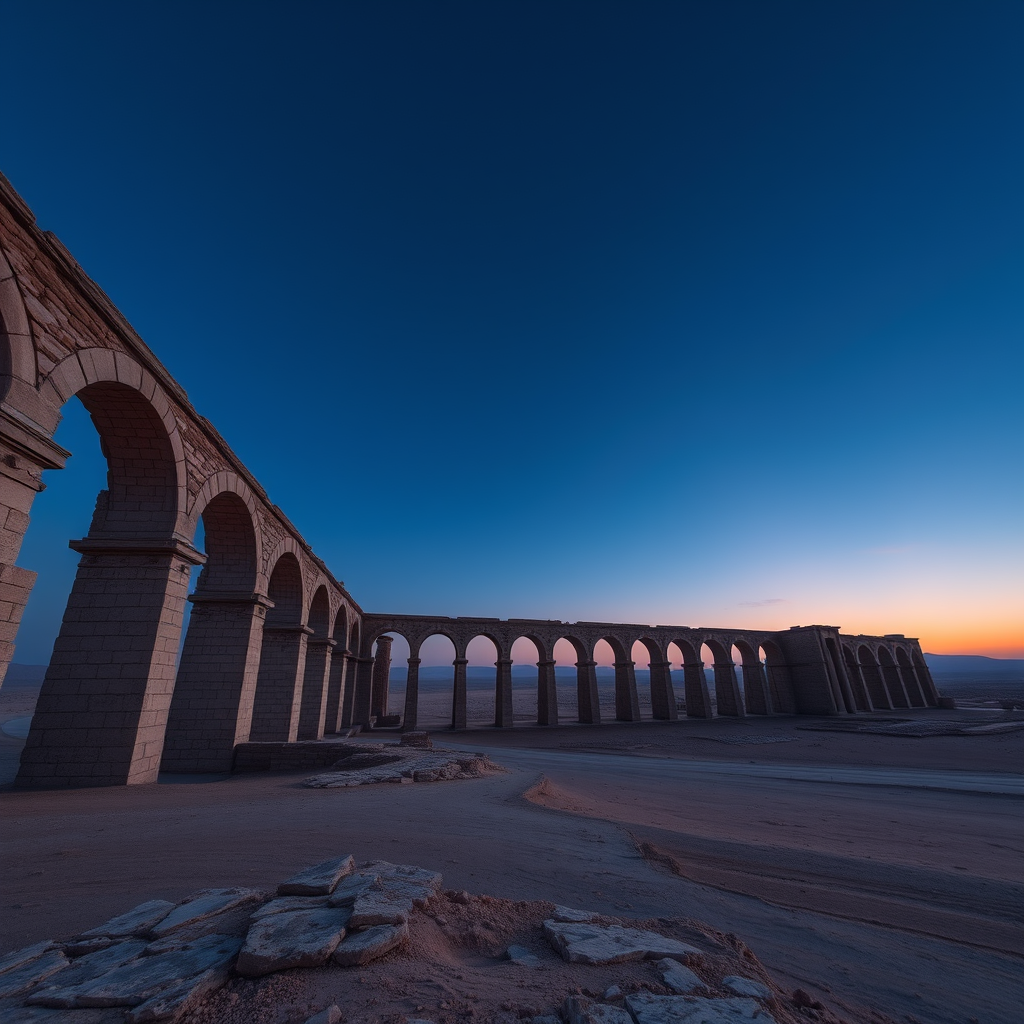
    In the vast, sprawling landscape of digital and physical archives, there exist pockets of creative output that have been systematically erased by the relentless march of progress. These technical genres, once vibrant and essential, now reside in a state of perpetual twilight, obscured by the glare of modern trends and the convenience of mass-market accessibility. To engage with these forgotten forms is to step into a desaturated world where the palette is defined by the interplay of deep shadows and profound silence. This tragedy of obscurity is not merely a loss of data, but a thinning of the human cultural fabric that once relied on these intricate, specialized languages to communicate complex truths. By examining the intersection of these neglected mediums and the aesthetic of the void, we can begin to understand why some sparks of artistic legacy are destined to flicker out while others are preserved in the amber of institutional memory.

    The Architecture of Obsolescence

    The history of technology is littered with the corpses of formats that were once considered the pinnacle of innovation. From the tactile complexity of early mainframe programming languages to the nuanced, analog-heavy workflows of mid-century industrial design, these genres demanded a level of mastery that is rarely required in our era of drag-and-drop interfaces. When a technical genre falls into disuse, it does not simply vanish; it retreats into a state of silence, waiting for a researcher or an enthusiast to exhume its skeletal remains. This process of fading away is inherently tragic because it represents the death of a specific way of thinking, a cognitive framework that was uniquely suited to the constraints of its time. The technical obsolescence of these tools mirrors the way we treat our own history, often discarding the difficult and the obscure in favor of the immediate and the frictionless.

    Consider the intricate world of early computer-aided drafting or the specialized shorthand of mechanical engineering documentation that preceded the digital revolution. These were not merely methods of recording information; they were languages of precision that required a deep, almost meditative focus. As these practices were replaced by automated systems, the human element—the subtle, idiosyncratic touch of the practitioner—was stripped away. We are left with a void where once there was a vibrant, albeit niche, community of experts. This silence is heavy, a testament to the fact that when we lose the technical genre, we lose the specific perspective that allowed that genre to flourish in the first place. For more on the preservation of digital history, one might look to the work of the Computer History Museum, which serves as a sanctuary for these abandoned artifacts of human ingenuity.

    The Aesthetics of the Desaturated Palette

    There is a haunting beauty in the desaturated palette of forgotten technical genres, a visual language that speaks to the isolation of the practitioner. When a genre is no longer supported by the mainstream, its documentation, its interface, and its output often take on a monochromatic, austere quality. This is not a stylistic choice, but a byproduct of the decay that sets in when a system is no longer maintained or updated for a modern audience. The shadows that cling to these genres are the shadows of neglect, yet they possess an undeniable gravity that draws the curious mind toward them. It is within this visual bridge between the void of obscurity and the spark of artistic legacy that we find the true value of these lost arts.

    To study these genres is to engage in a form of archeology where the artifacts are made of code, ink, and paper. The desaturation of these mediums acts as a filter, stripping away the superficial gloss of contemporary design and revealing the raw, functional core of the work. This aesthetic of silence is a powerful reminder that not all art needs to be loud or immediately consumable to be significant. By embracing the digital preservation of these forgotten forms, we are not just saving data; we are curating a gallery of human effort that defies the ephemeral nature of modern digital culture. The silence of these genres is not an absence of meaning, but a space where the observer is forced to project their own understanding, creating a unique dialogue between the past and the present.

    The Tragedy of the Unheard Voice

    The tragedy of forgotten technical genres is compounded by the fact that many of them were the primary vehicles for marginalized or highly specialized voices. When a genre is deemed unpopular, the individuals who dedicated their lives to mastering it are often rendered invisible, their contributions relegated to the footnotes of history. This erasure is a form of cultural violence, as it suggests that only the most popular or commercially viable forms of expression are worthy of being remembered. The artistic legacy of these individuals is often tied to the specific technical constraints they worked within, and when those constraints are removed or forgotten, the work itself loses its context and its power to resonate with future generations.

    We must ask ourselves what we lose when we allow these voices to be silenced by the weight of indifference. The loss is not just technical; it is a loss of diversity in thought and approach. When we prioritize the mainstream, we narrow the scope of what is considered possible, creating a feedback loop that reinforces the status quo. By shining a light on these forgotten genres, we challenge the narrative that progress is a linear, upward trajectory. Instead, we see it as a complex, branching path where many promising avenues have been left behind in the dark. Organizations like the Internet Archive play a crucial role in preventing this total erasure, providing a platform for the voices that would otherwise be lost to the void.

    Bridging the Void with Intentionality

    To bridge the gap between the void of obscurity and the spark of legacy, we must approach these forgotten genres with a sense of intentionality. This means moving beyond mere nostalgia and engaging with the technical challenges that these genres once solved. It requires a commitment to archival research that goes beyond the surface level, digging into the manuals, the source code, and the personal accounts of those who lived through the era of these tools. By reconstructing the environment in which these genres thrived, we can begin to appreciate the nuance and the complexity that were once taken for granted. This is an act of reclamation, a way of asserting that the past still has something to teach us about the future.

    The process of reclamation is inherently difficult, as it requires us to confront the silence and the shadows that have accumulated over decades. It is a slow, methodical process that demands patience and a willingness to work with incomplete information. Yet, the reward is a deeper understanding of the human capacity for innovation and the resilience of the creative spirit. When we successfully bridge this gap, we transform the void into a source of inspiration, proving that even the most obscure technical genre can hold a spark that illuminates our current path. This is the essence of cultural heritage, the ongoing effort to ensure that the voices of the past are not permanently extinguished by the passage of time.

    Final Thoughts

    The tragedy of forgotten technical genres is a reflection of our own tendency to prioritize the new over the meaningful. By acknowledging the beauty in the shadows and the importance of the silence that surrounds these lost arts, we can begin to cultivate a more inclusive and historically aware approach to our own creative endeavors. We must strive to be the stewards of these forgotten legacies, ensuring that the sparks of innovation they once provided continue to inform and inspire the generations to come. The void is not a destination, but a challenge to look closer, to listen harder, and to value the complexity that lies beneath the surface of our modern, streamlined world. Through this commitment, we ensure that the tragedy of obscurity is not the final chapter for these vital, if neglected, pieces of our shared human story.

  • The Wild Water Risks of Unpopular Global Social Hotspots

    The Wild Water Risks of Unpopular Global Social Hotspots

    Chasing the Perfect Shot Into the Abyss of Uncharted Waters

    The modern traveler is no longer satisfied with the crowded beaches of Bali or the manicured resorts of the Mediterranean. Instead, a new breed of digital nomad is hunting for the pristine, the untouched, and the dangerously obscure, often ignoring the lethal reality of these unpopular global social hotspots. These locations, once hidden from the prying eyes of the internet, are now being mapped by influencers seeking the ultimate aesthetic, regardless of the hydrological hazards lurking beneath the surface. As we scroll through our feeds, we see the deep, melancholic blues of remote lagoons and jagged coastlines, yet we remain blind to the neon digital glitches that signal a total disconnect from safety protocols. This obsession with off-the-grid travel has created a paradox where the desire for solitude leads directly to life-threatening encounters with unpredictable currents and unstable terrain.

    The Illusion of Safety in Remote Aquatic Landscapes

    When a location appears on a social media feed, it is stripped of its context, leaving only a curated image of serenity that masks the inherent dangers of the environment. Many of these remote sites lack the basic infrastructure that tourists take for granted, such as lifeguard stations, warning signage, or even reliable cellular service for emergency calls. The water tragedy that often follows is rarely documented in the same viral fashion as the initial discovery, creating a dangerous feedback loop of misinformation. Travelers arrive expecting a paradise, only to find themselves trapped in a landscape that is indifferent to their presence and entirely unforgiving of human error.

    The psychological pull of these locations is rooted in the modern craving for authenticity, yet the irony is that the act of documenting these places often destroys the very isolation that makes them attractive. By tagging a remote waterfall or a hidden sea cave, the traveler invites a wave of unprepared visitors who lack the necessary skills to navigate the terrain. This influx of tourism puts immense pressure on local ecosystems and creates a high-risk environment where accidents become statistically inevitable. We must ask ourselves whether the pursuit of a unique digital footprint is worth the potential cost of a human life, especially when the risks are so poorly understood by the average adventurer.

    Navigating the Hidden Currents of Uncharted Zones

    Beyond the aesthetic appeal lies a complex reality of shifting tides and unpredictable underwater topography that can catch even the most experienced swimmers off guard. In many of these off-the-grid travel destinations, the water is not just a backdrop for a photograph but a dynamic force that changes with the lunar cycle and local weather patterns. Without local knowledge or professional guidance, visitors are essentially gambling with their lives every time they step into the water. The lack of historical data on these sites means that there are no established safety guidelines, leaving the responsibility entirely on the shoulders of the individual.

    The digital age has fostered a false sense of security, where we believe that because we can see a place on a screen, we understand its nature. This cognitive bias leads to reckless behavior, such as cliff jumping into shallow pools or swimming in areas known for dangerous rip currents. It is essential to recognize that the internet is not a substitute for local expertise or professional training in water safety. Before venturing into any remote aquatic environment, one should consult with local authorities or environmental agencies to understand the specific risks involved in that region, as highlighted by resources like the World Health Organization’s data on drowning prevention.

    The Digital Glitch of Modern Exploration

    There is a jarring disconnect between the high-definition imagery we consume and the raw, often brutal reality of these remote water hotspots. This social addiction to travel content creates a distorted reality where the danger is edited out, leaving only the neon-bright promise of an adventure that feels both accessible and exclusive. We are witnessing a shift where the experience of travel is secondary to the performance of travel, leading to a culture of risk-taking that prioritizes engagement metrics over personal well-being. This digital distortion is not just a nuisance; it is a catalyst for a new wave of preventable accidents in some of the most isolated corners of the globe.

    To combat this, we need a shift in how we consume and share travel content, moving toward a more responsible model that emphasizes safety and environmental stewardship. Instead of simply tagging a location, creators should provide context about the risks, the necessary equipment, and the importance of respecting local boundaries. By fostering a culture of transparency, we can help mitigate the dangers associated with the viral spread of these hotspots. It is time to acknowledge that the digital glitch in our perception of travel is a symptom of a larger issue, and that true exploration requires a grounded understanding of the world, not just a curated view of it.

    The Environmental and Human Cost of Viral Tourism

    The impact of viral tourism extends far beyond the individual, affecting the fragile ecosystems of these remote locations and the communities that call them home. When thousands of people descend upon a previously untouched site, the environmental degradation is often immediate and irreversible, from the pollution of pristine waters to the destruction of local flora and fauna. Furthermore, the burden on local emergency services, which are often ill-equipped to handle such an influx of visitors, can be devastating. The travel safety implications are profound, as the resources required to rescue a stranded or injured tourist are often diverted from the needs of the local population.

    We must consider the ethical implications of our travel choices and the impact our presence has on the places we visit. This involves researching the environmental impact of our trips and supporting sustainable tourism practices that prioritize the health of the destination over the convenience of the traveler. For those interested in learning more about responsible exploration, organizations like Responsible Travel offer valuable insights into how to minimize our footprint while maximizing the positive impact of our journeys. By choosing to travel with intention and respect, we can help preserve these beautiful, dangerous, and fragile places for future generations, rather than consuming them for the sake of a fleeting digital moment.

    Final Thoughts

    The allure of the unknown will always be a powerful force, but it must be balanced with a deep respect for the natural world and the inherent risks of exploration. As we continue to navigate the intersection of technology and travel, we must remain vigilant against the siren call of the viral hotspot and the false sense of security it provides. By prioritizing safety, education, and ethical engagement, we can transform our approach to travel from a reckless pursuit of content into a meaningful exploration of the world’s most hidden wonders. Let us choose to be explorers who value the integrity of the landscape and the sanctity of life above all else, ensuring that our footprints leave behind nothing but memories and our presence causes no harm to the delicate balance of our planet’s most remote and beautiful waters.

  • The Digital Soldier: Finding Peace in the Machine Age

    The Digital Soldier: Finding Peace in the Machine Age

    Navigating the Currents of a Silicon Reality

    We exist in an era where the boundary between biological consciousness and synthetic output has become dangerously thin. Every morning, we wake to the hum of servers and the glow of screens, our lives mediated by algorithms that predict our desires before we even articulate them. This is the age of the digital soldier, a person tasked with maintaining humanity in a landscape dominated by cold, unyielding logic. To survive this transition, we must learn to balance the sharp, metallic edges of our technological tools with the fluid, restorative nature of our own internal landscapes. By embracing the contrast between the machine and the mind, we can reclaim our agency and find a sense of purpose that transcends mere productivity.

    The Architecture of the Modern Mind

    The human brain is not designed for the relentless, high-frequency input of the twenty-first century. We are biological entities evolved for the slow, rhythmic cycles of nature, yet we find ourselves tethered to devices that demand constant, instantaneous attention. This friction creates a cognitive dissonance that manifests as anxiety, burnout, and a profound sense of alienation from our own creative potential. When we view our minds as mere processors, we lose the essential quality of intuition that defines our species. We must recognize that human cognition is not a linear function to be optimized, but a complex, messy, and beautiful system that requires periods of stillness to function correctly.

    To combat the encroaching noise, we must intentionally cultivate spaces of silence that mirror the clarity of deep water. Just as a stream clears itself of debris through constant movement, our minds require the flow of unstructured thought to remain sharp and resilient. By stepping away from the constant ping of notifications, we allow our subconscious to process the data we have consumed, turning raw information into genuine wisdom. This practice is not an act of avoidance, but a strategic retreat that prepares us for the next engagement with the digital world. You can learn more about the science of cognitive rest by visiting Psychology Today to understand how your brain recovers from digital fatigue.

    The Aesthetics of the Machine Age

    The visual language of our time is defined by the stark, metallic tones of hardware and the sterile, glowing interfaces of software. These elements represent the efficiency of the machine, a world where every action is measured, tracked, and optimized for maximum output. However, there is a danger in allowing these cold aesthetics to dictate the tone of our internal lives. When we adopt the rigid, binary logic of the computer, we sacrifice the nuance and empathy that make our contributions truly valuable. We must learn to treat the machine as a tool rather than a master, ensuring that our creative output remains rooted in the messy, unpredictable reality of human experience.

    Contrast is the key to maintaining our equilibrium in this environment. By surrounding ourselves with the cool, fluid blues of water and air, we create a psychological buffer against the harshness of the digital workspace. This is not merely a matter of interior design, but a deliberate choice to prioritize our mental health over the demands of the machine. When we integrate natural elements into our digital workflows, we remind ourselves that we are part of a larger, organic system that exists independently of our devices. This perspective shift allows us to approach our work with a sense of detachment, preventing the technological burnout that plagues so many modern professionals.

    Finding Value in Automation

    Automation is often framed as a threat to human relevance, a force that will eventually render our skills obsolete. Yet, if we reframe the narrative, we see that automation is actually an opportunity to offload the repetitive, soul-crushing tasks that prevent us from doing our best work. By delegating the mundane to the machine, we free up our cognitive resources for the high-level synthesis and emotional connection that only humans can provide. The goal is not to compete with the machine, but to collaborate with it in a way that amplifies our unique strengths. This is the essence of the digital soldier: using the power of the machine to protect the sanctity of human creativity.

    The true value of a person in the machine age lies in their ability to synthesize disparate ideas and apply them to complex, real-world problems. Algorithms are excellent at pattern recognition, but they lack the capacity for moral judgment and contextual understanding. When we lean into these uniquely human traits, we become indispensable in a world that is increasingly reliant on automated systems. We must cultivate our emotional intelligence as a primary asset, ensuring that we remain the architects of our own future rather than the subjects of an algorithmic regime. For further insights into the future of work and human-machine collaboration, explore the resources available at Harvard Business Review.

    The Discipline of the Digital Soldier

    Discipline in the digital age is not about working harder or faster; it is about setting firm boundaries around your attention. The digital soldier understands that their focus is a finite resource, one that is constantly under siege by platforms designed to exploit our psychological vulnerabilities. To maintain control, one must adopt a rigorous protocol of digital hygiene, including scheduled disconnects and the intentional curation of information sources. By treating our attention as a precious commodity, we prevent the fragmentation of our consciousness and maintain the integrity of our thought processes. This level of self-regulation is the only way to remain effective in a world that thrives on distraction.

    Furthermore, the digital soldier must be willing to embrace the discomfort of being offline. In a society that equates constant availability with professional dedication, choosing to be unreachable is a radical act of self-preservation. This practice allows us to reconnect with the physical world, grounding our digital efforts in the tangible reality of our daily lives. When we return to the machine, we do so with a renewed sense of purpose and a clearer understanding of our objectives. This cycle of engagement and withdrawal is essential for long-term sustainability, ensuring that we remain masters of our tools rather than slaves to their demands. The digital minimalism movement offers a framework for this lifestyle, which you can explore further through various academic studies on attention economy.

    Final Thoughts

    The search for peace in the machine age is not a destination, but a continuous process of recalibration. We must remain vigilant, constantly assessing the impact of our tools on our mental well-being and adjusting our habits accordingly. By embracing the fluidity of our own minds and the precision of the machine, we can forge a path that honors both our biological heritage and our technological future. Remember that your worth is not defined by your output, but by the depth of your presence and the quality of your connections. Stay grounded in the fluid, blue currents of your own humanity, and you will find that even the sharpest metallic edges of the machine can be navigated with grace and purpose. Ultimately, the human spirit remains the most powerful technology we possess, and it is our responsibility to protect it at all costs.

  • The Mastodon Obsession: Why Puritanism Still Rules Online

    The Mastodon Obsession: Why Puritanism Still Rules Online

    The Digital Pews of the Fediverse

    When you first log into a Mastodon instance, the immediate visual impact is one of stark, almost ecclesiastical restraint. The interface is dominated by deep, somber charcoal tones that feel less like a modern social media platform and more like the interior of a seventeenth-century meeting house. This aesthetic choice is not merely a design preference but a profound statement on the nature of digital interaction in the modern age. We are witnessing a return to a form of digital puritanism, where the vibrant, chaotic noise of the commercial web is replaced by a rigid, self-policed environment that prioritizes moral clarity over engagement metrics. The friction between this austere background and the platform’s signature electric blue branding creates a visual tension that perfectly encapsulates our current cultural moment.

    The Architecture of Moral Rigidity

    The structural design of Mastodon is inherently built upon the concept of the gated community, which mirrors the historical development of the New England town square. By decentralizing the network into individual instances, the platform allows for the creation of localized moral codes that function much like the strict covenants of early colonial settlements. Users are not just joining a network; they are entering a jurisdiction where the rules of conduct are enforced with a fervor that feels distinctly theological. This decentralized moderation model ensures that every server can curate its own version of righteousness, effectively creating a patchwork of digital parishes. It is a fascinating departure from the monolithic, algorithm-driven chaos of platforms like X or Facebook, which prioritize global reach over local consensus.

    This shift toward smaller, more controlled environments is a direct response to the perceived moral decay of the mainstream internet. Users are increasingly exhausted by the relentless, profit-driven algorithms that reward outrage and polarization above all else. By retreating into these charcoal-hued silos, they are seeking a return to a more intentional, community-focused form of communication. The irony, of course, is that this pursuit of a purer digital space often leads to the same exclusionary practices that defined the historical puritan movements. When you build a wall to keep out the noise, you inevitably end up building a wall to keep out dissent, creating an echo chamber that feels safe only to those who already agree with the prevailing orthodoxy.

    The Electric Blue Paradox

    Against the backdrop of muted grays and blacks, the electric blue of the Mastodon logo and interface elements acts as a jarring, modern intrusion. It is the color of high-speed fiber optics, of glowing screens in the dark, and of the very technology that the platform’s philosophy seeks to tame. This technological aesthetic represents the persistent, underlying obsession with the digital world that we simply cannot escape. Even as we attempt to impose a somber, reflective order upon our online lives, the electric blue pulse of the network reminds us that we are still tethered to the same high-speed, hyper-connected reality that we claim to be fleeing. It is a visual representation of the tension between our desire for a slower, more meaningful existence and our addiction to the instant gratification of the feed.

    The contrast is not merely aesthetic; it is symptomatic of a broader cultural struggle to reconcile our traditional values with our modern tools. We want the community and accountability of a small village, but we want it delivered through the lightning-fast infrastructure of the twenty-first century. This creates a unique form of cognitive dissonance where users feel they are participating in a revolutionary act of digital resistance while simultaneously engaging in the same obsessive scrolling habits that define the rest of the web. The electric blue glow is the siren song of the internet, pulling us back into the fray even as we try to curate a more virtuous, disciplined space for ourselves. It is a reminder that no matter how much we try to dress our digital lives in the somber robes of the past, the medium itself remains fundamentally restless and demanding.

    The Surveillance of the Soul

    In the absence of a centralized corporate authority, the burden of policing behavior on Mastodon falls squarely upon the shoulders of the community members themselves. This leads to a form of peer-to-peer surveillance that is remarkably effective at enforcing social norms. When every user is a potential moderator, the pressure to conform to the local instance’s moral standards becomes immense. This is not necessarily a bad thing, as it can foster a more respectful and supportive environment, but it also creates a culture where the slightest deviation from the accepted narrative can lead to swift and public ostracization. The digital meeting house, much like its historical predecessor, is a place where the eyes of the community are always upon you, and the cost of non-conformity is high.

    This dynamic is further exacerbated by the nature of the Fediverse, where instances can choose to defederate from one another based on ideological disagreements. This is the digital equivalent of excommunication, a powerful tool that allows communities to protect their borders from perceived moral threats. While this provides a sense of security and autonomy, it also contributes to the fragmentation of the digital landscape into increasingly isolated tribes. We are seeing the rise of a new kind of digital sectarianism, where the goal is not to engage with the world as it is, but to create a world that reflects our own specific moral vision. The result is a platform that feels deeply personal and intimate, yet also profoundly fragile and prone to the same human failings that have plagued every utopian experiment in history.

    The Myth of the Digital Frontier

    Many proponents of Mastodon frame the platform as a return to the early, idealistic days of the internet, a digital frontier where users are citizens rather than products. This narrative is compelling, but it ignores the reality that we are not building a new world; we are merely rearranging the furniture in the old one. The obsession with creating a purer, more ethical social network is a noble goal, but it often blinds us to the fact that the fundamental problems of online interaction are rooted in human nature, not just in the design of the software. Whether we are using a centralized platform or a decentralized one, the same impulses toward tribalism, performative virtue, and social hierarchy remain present. The charcoal tones and the electric blue branding are just the latest costumes we wear to hide these uncomfortable truths.

    Furthermore, the reliance on volunteer labor to maintain these instances creates its own set of power dynamics that are often less transparent than those of corporate platforms. When the people who run the servers also define the rules of discourse, the potential for abuse of power is significant. We are trading the opaque algorithms of Silicon Valley for the subjective whims of individual administrators, a shift that may offer more control but does not necessarily guarantee more justice. The digital utopia we are chasing remains just out of reach, obscured by the very tools we use to try and find it. We are left with a platform that is undeniably more thoughtful and deliberate than its competitors, yet still fundamentally caught in the same cycle of obsession and reaction that defines the modern digital experience.

    Final Thoughts

    The Mastodon experience is a testament to our enduring desire for a digital space that reflects our highest values rather than our lowest impulses. By embracing a design language that evokes the somber, disciplined atmosphere of a puritan meeting house, the platform invites us to slow down and consider the weight of our words. Yet, the persistent electric blue glow serves as a constant reminder that we are still deeply embedded in a high-speed, hyper-connected world that demands our constant attention. Ultimately, the success of such a project depends not on the software itself, but on our ability to transcend the cycles of tribalism and surveillance that have come to define our online lives. We must learn to balance our need for community with the necessity of intellectual freedom, or we risk turning our digital sanctuaries into nothing more than modern-day pews where we preach only to the converted. For more on the evolution of digital spaces, you can explore the Electronic Frontier Foundation or read deeper analyses on the Atlantic regarding the future of social media. The path forward is not found in the color of our interface, but in the quality of our engagement with those who see the world differently than we do.

  • Unpopular Violet Explosions in the Night

    Unpopular Violet Explosions in the Night

    When the Darkness Bursts into Unforeseen Color

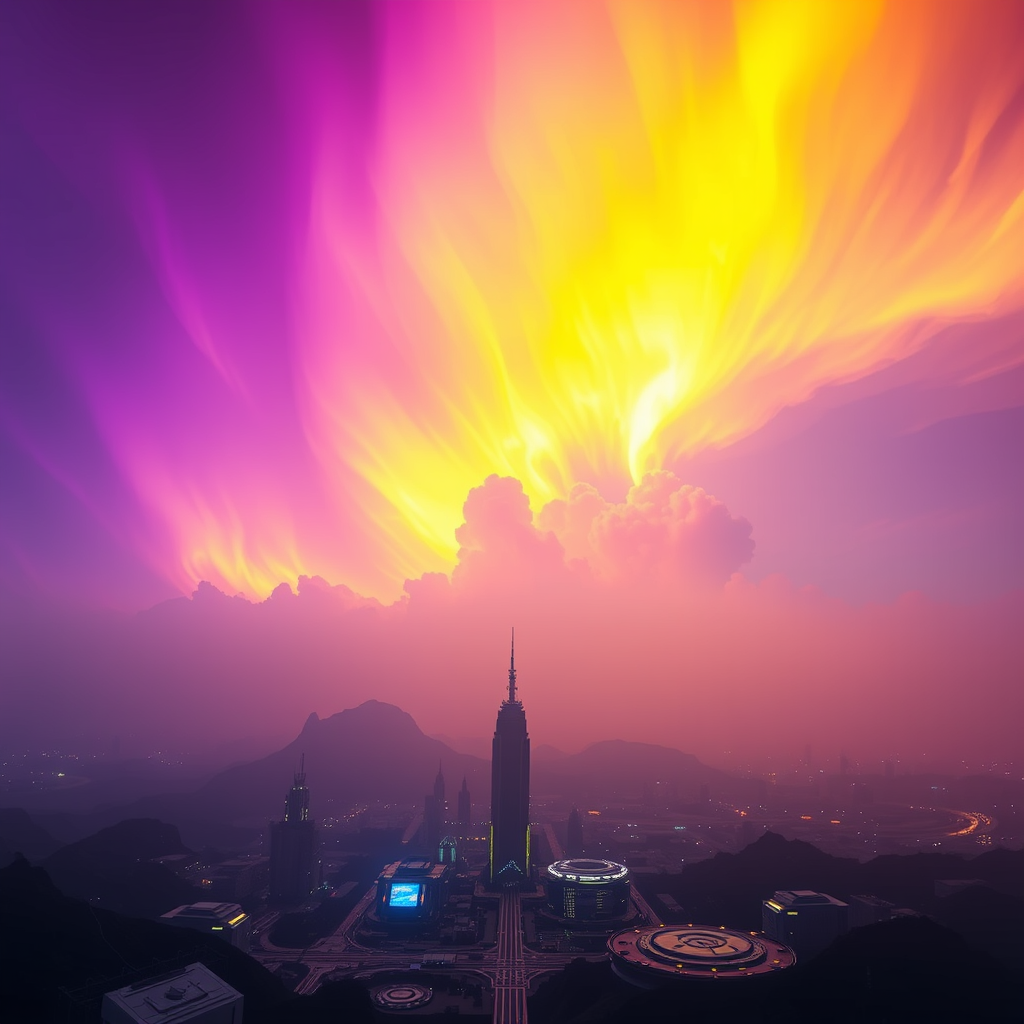
    The night sky, typically a canvas of deep indigo and scattered silver, holds secrets far more volatile than we often assume. We settle into the predictable rhythm of darkness, expecting only the moon’s soft glow or the distant, steady pinpricks of stars. Yet, sometimes, the universe decides to stage an impromptu, spectacular event, painting the void with hues that defy expectation. These are the moments when the mundane shatters, replaced by an almost violent beauty—a sudden, shocking display of light that demands attention. This article explores the phenomenon of these unexpected, vibrant explosions, focusing on the rare and arresting combination of violet, red, and orange light erupting against the black backdrop.

    The Science Behind the Unpopular Hues

    When we think of celestial fireworks, our minds often drift to the familiar blues and greens of aurorae or the steady yellow of distant suns. However, the appearance of intense violet and deep orange suggests specific, high-energy chemical reactions or atmospheric interactions occurring at incredible speeds. Violet light, being on the shorter wavelength end of the visible spectrum, requires significant energy input to be generated, often signaling the presence of highly ionized gases or extremely rapid molecular excitation. This is not the gentle light of twilight; this is the signature of a powerful, instantaneous release.

    The juxtaposition of these colors—the cool, electric violet clashing with the warm, aggressive tones of red and orange—creates a visual dissonance that is both beautiful and slightly alarming. Consider the physics of meteors burning up in the upper atmosphere; while most leave a white or yellow trail, specific mineral compositions can ionize the air to produce these rarer colors. Furthermore, certain types of solar flares or coronal mass ejections, when interacting with Earth’s magnetic field in specific, localized ways, can trigger atmospheric events that manifest these exact color profiles. For a deeper dive into atmospheric optics, one might explore the detailed work done by atmospheric research institutes like NASA’s dedicated pages.

    These events are often fleeting, making them “unpopular” not because they are unwelcome, but because they are so rare and difficult to capture consistently. They are the photographic equivalent of catching lightning in a bottle, demanding precise timing and specialized equipment to document the spectral signature accurately. The sheer randomness of their appearance ensures that they remain a subject of fascination for both amateur stargazers and professional astrophysicists seeking anomalies in standard light pollution models.

    The Emotional Impact of Nighttime Spectacle

    There is a profound psychological shift that occurs when the expected silence and darkness of the night are violently interrupted by such intense color. It triggers an ancient, primal response—a mixture of awe and apprehension. The human eye is naturally drawn to high contrast, and the sudden appearance of saturated red against absolute black is an undeniable call to attention. This is far removed from the gentle, diffused light pollution we usually contend with in urban environments.

    Witnessing such an event, even if it is a distant atmospheric phenomenon, forces a momentary recalibration of our place in the cosmos. It reminds us that the environment surrounding our planet is dynamic, volatile, and capable of producing beauty that borders on chaos. Many historical accounts of unexplained lights or “sky fires” likely stem from similar, though perhaps less scientifically understood, occurrences. The emotional resonance of these unpopular violet explosions lies in their sheer unexpectedness, breaking the monotony of the predictable nocturnal cycle. If you are interested in the historical context of unexplained aerial phenomena, the archives of early astronomical journals offer fascinating, if speculative, reading.

    This emotional jolt is what separates these events from, say, a planned fireworks display. A fireworks show is controlled, anticipated, and designed for human consumption; the natural explosion is raw, uncontrolled, and indifferent to the observer. It is a pure expression of physical forces playing out on a grand scale, and our reaction is purely visceral. This raw display often inspires artists and writers seeking metaphors for sudden change or revelation, as explored in various literary analyses of natural symbolism found in academic databases.

    The Rarity of True Violet Signatures

    While red and orange are relatively common in atmospheric phenomena—think of sunsets or certain types of high-altitude lightning—the presence of a dominant, saturated violet hue is the true marker of an unusual event. Violet light is scattered more easily by atmospheric particles than longer wavelengths, meaning that for it to appear intensely, the source must be either extremely powerful or very close to the observer, or the atmospheric conditions must be perfectly aligned to minimize scattering loss. This alignment is statistically improbable, contributing significantly to the rarity of these documented occurrences.

    When researchers analyze the spectral data from these events, they are often looking for specific emission lines that correspond to elements excited under extreme duress. The presence of strong violet lines might point toward specific molecular dissociation pathways that are not typically activated during standard auroral displays or typical meteor showers. Capturing this data requires sophisticated photometric equipment, often mounted on high-altitude platforms or specialized ground stations designed to filter out terrestrial light pollution. The pursuit of these rare spectral signatures drives significant innovation in remote sensing technology.

    The challenge for observers is distinguishing between a genuine, high-energy atmospheric event and optical illusions caused by complex interactions between terrestrial light sources and unusual cloud formations or aerosols. However, when the orange, red, and violet components appear simultaneously and coherently across a wide field of view, the evidence strongly suggests a singular, powerful energetic source. Understanding these spectral fingerprints is key to unlocking new insights into upper atmospheric chemistry, a field that remains surprisingly opaque despite decades of study. Learn more about the physics of light scattering on physics forums.

    Orange and Red: The Warm Counterpoint to Cosmic Cold

    The inclusion of deep orange and fiery red in these explosive displays serves as a crucial anchor, grounding the ethereal violet in something more familiar, yet still intense. Red light, with its longer wavelength, penetrates atmospheric haze more effectively than violet, meaning that if a powerful event is occurring, the red component is often the most visible element to the naked eye, even from great distances. This warmth contrasts sharply with the perceived coldness of space, creating a visual paradox.

    In the context of an explosion, red and orange often signify thermal radiation—intense heat being released. When combined with the high-energy signature of violet, it suggests a process involving both extreme kinetic energy (the initial impact or discharge) and subsequent thermal decay. Imagine a massive electrical discharge where the initial ionization creates the violet flash, followed immediately by the superheating of surrounding gases into a brilliant orange-red glow. This sequence, compressed into milliseconds, is what constitutes the “explosion” we are discussing.

    These warm colors also play a vital role in how we interpret the event’s scale. A purely violet flash might be dismissed as a small, high-altitude electrical event, but the addition of broad-spectrum red and orange implies a much larger energy budget at play. It’s the difference between a spark and a conflagration. Documenting the precise ratio of these colors helps scientists model the total energy output of the phenomenon, providing crucial data points for understanding transient luminous events (TLEs) and other high-altitude electrical discharges. For more on TLEs, check out the research summaries available from the ScienceDirect platform.

    The Search for Pattern in Randomness

    The true challenge in studying these “unpopular” events is their inherent randomness. Unlike predictable astronomical cycles, these explosions seem to occur without warning, defying easy forecasting. This lack of pattern makes them difficult to study systematically, often relying on serendipitous sightings captured by automated sky surveys or lucky amateur astronomers. The data sets are sparse, fragmented, and often lack the necessary multi-spectral coverage required for definitive analysis.

    However, the very act of searching for these anomalies pushes the boundaries of observational astronomy and atmospheric monitoring. Scientists are developing more sensitive, wide-field cameras capable of continuously scanning the sky for rapid changes in light intensity and color profile. The hope is that by increasing the observational baseline, the frequency of capture will rise, allowing for the identification of subtle precursor conditions or environmental triggers that precede the violet bursts. This systematic approach to the seemingly random is a hallmark of modern scientific inquiry, as detailed in texts on observational methodology like this introductory text.

    Ultimately, the allure of the unpopular violet explosions lies in their defiance of expectation. They are reminders that the universe is not a static, perfectly ordered machine but a place of constant, energetic flux. They challenge our established models and reward those who look up when they are least expecting to see something extraordinary. The pursuit of understanding these rare, vibrant moments is a testament to human curiosity and our relentless desire to map the unknown corners of our own sky. We must continue to look up, even when the night seems most ordinary, because that is precisely when the most spectacular, unexpected colors might ignite.

    Final Thoughts

    The convergence of red, orange, and the electrifying violet in a sudden nocturnal burst represents a perfect storm of atmospheric physics and energetic release. These events, though rare and perhaps overlooked in favor of more common celestial displays, offer invaluable data points about the extreme conditions possible within our own planetary envelope. They serve as vibrant, albeit fleeting, reminders that the cosmos is constantly experimenting with light and energy, often producing masterpieces when we least anticipate them. We encourage all sky watchers to keep their cameras ready and their eyes peeled, for the next truly spectacular, unexpected color show might just be happening above your roof tonight, challenging everything you thought you knew about the quiet night sky. Explore the beauty of high-energy physics through resources like the Institute of Physics.

  • Exploring the Least Popular Content Themes

    Exploring the Least Popular Content Themes

    Exploring the Least Popular Content Themes


    In the vast and constantly shifting landscape of digital content, some themes and tags consistently struggle to find an audience. These are the forgotten corners of the internet, where engagement is low and visibility is minimal. But what are these least popular content themes, and what do they reveal about the collective interests of online users?

    The Muted Palette: Symbols of Low Engagement


    The visual identity of this analysis is defined by muted colors, a symbolic representation of the lack of enthusiasm and attention garnered by these overlooked content themes. The palette of soft greys, subdued blues, and desaturated greens reflects the quiet, understated presence of these topics in the digital sphere. Just as these colors recede into the background, so too does this content fail to capture the collective imagination. The choice of a muted palette serves as a visual metaphor for the low engagement and limited impact of these least popular tags.

    Decoding the Enigma: Why Some Themes Falter


    What drives the low popularity of certain content themes? The reasons are multifaceted and often rooted in the nature of the topics themselves. Some themes may be too niche or esoteric to appeal to a broad audience, while others may be perceived as dry, outdated, or simply uninteresting. The sheer volume of content available online also plays a significant role, as users are inundated with an endless stream of information and entertainment. In this saturated market, only the most compelling and relevant content can cut through the noise. Themes that fail to resonate with users on an emotional or intellectual level are quickly discarded and forgotten.

    Illuminating the Overlooked: A Close-Up on Specific Tags


    Our analysis reveals several specific tags that consistently exhibit the lowest levels of user engagement. These tags represent a diverse range of topics, yet they all share a common thread of limited appeal. Let’s delve into some of these overlooked categories:

    1. Obscure Historical Figures:

    While history buffs exist, content focusing on highly obscure historical figures often struggles to find an audience beyond a very dedicated and specialized group. The lack of broader recognition and general interest makes it challenging for this type of content to gain traction.

    2. Niche Technical Documentation:

    Deeply technical documentation, while essential for a specific set of users, rarely generates high engagement in the broader digital space. The complexity of the subject matter and the limited applicability to the general public contribute to its low popularity.

    3. Hyper-Local News from Remote Regions:

    News with extremely localized relevance, especially from remote or sparsely populated regions, often has a very limited potential audience. The inherent lack of general interest in such specific events makes it difficult for this content to achieve widespread visibility.

    The Value of the Unpopular: Finding Meaning in the Margins


    It’s important to remember that popularity is not the sole measure of value or importance. Just because a content theme is unpopular doesn’t mean it’s without merit. Some of the most valuable insights and information can be found in the overlooked and underestimated corners of the digital world. These least popular themes may serve as specialized resources for a small but dedicated community, or they may offer unique perspectives that are often missed by mainstream media.

    By examining the least popular content themes, we gain a deeper understanding of the diverse and often unpredictable nature of user engagement. While some topics capture the public imagination, others are left behind. But in the grand scheme of things, all content, whether popular or not, contributes to the rich and complex tapestry of the digital landscape.