Tag: white

colour

  • The Algal Bloom: Decoding Virtue in a Yellowed World

    The Algal Bloom: Decoding Virtue in a Yellowed World

    Navigating the Chromatic Dissonance of Our Natural Moral Landscape

    We often perceive the world through a lens of binary morality, where white represents the absolute pinnacle of purity and clarity. Yet, when we step into the wild, we find that nature rarely adheres to our rigid human definitions of cleanliness or ethical perfection. The emergence of an algal bloom serves as a jarring reminder that life thrives in the murky, nutrient-rich spaces we often label as corrupted or stagnant. By examining the interplay between the stark white of our ideals and the encroaching yellow and green of the natural world, we can begin to decode the complex tension between human virtue and the raw, untamed reality of existence.

    The Illusion of Pristine Whiteness

    In our cultural lexicon, white is the color of innocence, the blank slate, and the moral high ground. We strive for this aesthetic of perfection in our homes, our institutions, and our personal conduct, believing that if we can maintain a surface of unblemished white, we are somehow immune to the decay of the world. This pursuit of moral purity often blinds us to the reality that life is inherently messy and cyclical. When we demand that the world remain static and sterile, we ignore the biological imperatives that drive growth, change, and eventual transformation.

    The obsession with whiteness is not merely an aesthetic choice but a psychological defense mechanism against the inevitable entropy of nature. We fear the yellowing of age and the green of decay because they represent the loss of control and the encroachment of the wild. However, as noted in studies on aquatic ecosystems, the very processes we deem unsightly are often the engines of life itself. By clinging to an impossible standard of purity, we distance ourselves from the vital, albeit chaotic, processes that sustain our planet.

    The Warning Signs of the Yellowed World

    Yellow often functions as a signal of caution, a chromatic bridge between the light of the sun and the decay of autumn. In the context of an algal bloom, a yellowing hue suggests a shift in the chemical balance of the water, signaling that the environment is reaching a tipping point. This environmental tension mirrors the moments in our own lives when our rigid moral frameworks begin to show signs of strain. We see the yellowing of our ideals when they no longer align with the complex, nuanced realities of the human experience.

    When we encounter these warning signs, our instinct is often to retreat or to impose order through force. We want to bleach the yellow away, to return the water to a clear, transparent state that feels safe and predictable. Yet, this reaction ignores the underlying causes of the shift, which are often rooted in the very systems we have built to sustain our modern lives. Understanding the yellowed world requires us to look past the surface-level discomfort and acknowledge that our actions have consequences that ripple far beyond our immediate sphere of influence.

    The Organic Green of the Algal Bloom

    Green is the color of life, but in the form of an algal bloom, it becomes a symbol of excess and unchecked vitality. This raw reality challenges our desire for moderation and balance, forcing us to confront the fact that nature does not care for our human concepts of excess. The bloom is simply life responding to an abundance of nutrients, a biological reaction that is as natural as it is destructive to our human-centric view of a healthy ecosystem. It is a stark reminder that what we call a disaster is often just nature reclaiming its space.

    To engage with the green of the bloom is to accept that virtue is not a static state but a dynamic process of negotiation with the environment. We must learn to distinguish between the destructive nature of an overgrowth and the essential role of algae in the global carbon cycle. As explored in research on harmful algal blooms, the complexity of these events requires a more sophisticated understanding of our relationship with the natural world. We cannot simply label the green as evil; we must instead understand the conditions that allow it to flourish and how we might better integrate our presence into the landscape.

    Decoding the Tension Between Virtue and Nature

    The tension between our desire for virtue and the reality of the algal bloom is essentially a conflict between human artifice and natural law. We build our cities and our moral codes to be permanent, unchanging structures, while nature is defined by its constant state of flux. This ethical dissonance creates a profound sense of anxiety, as we realize that our best efforts to maintain order are constantly being undermined by the very life forces we depend upon. The bloom is not an enemy to be defeated, but a mirror reflecting our own inability to coexist with the untamed.

    If we are to find a new way forward, we must move beyond the binary of pure versus polluted. We need to cultivate a nuanced perspective that allows for the coexistence of human aspiration and natural necessity. This means accepting that our moral frameworks must be as flexible as the ecosystems we inhabit. By embracing the complexity of the yellowed and green world, we can develop a more resilient form of virtue—one that is not based on the absence of mess, but on the ability to navigate it with wisdom and grace.

    Final Thoughts

    The algal bloom serves as a powerful metaphor for the challenges we face in an increasingly complex and interconnected world. By moving past our obsession with the purity of white and acknowledging the warning signs of the yellow and the raw vitality of the green, we can begin to see the world as it truly is. True virtue lies not in the denial of nature, but in the courageous act of engaging with its messy, beautiful, and often unpredictable reality. As we continue to navigate the tensions of our time, let us strive to be stewards of a world that is as vibrant and diverse as the ecosystems that sustain us.

  • The Silent Danger: Tracking Hantavirus Outbreaks in Nebraska

    The Silent Danger: Tracking Hantavirus Outbreaks in Nebraska

    Beneath the Sterile Surface of Nebraska’s Public Health Surveillance

    The fluorescent lights hum with a persistent, low-frequency buzz that seems to vibrate against the stark white walls of the examination room. Here, in the clinical heart of Nebraska’s medical infrastructure, the air is scrubbed clean of scent, emotion, and the chaotic reality of the natural world outside. Yet, beneath this veneer of antiseptic perfection lies a growing anxiety regarding the hantavirus, a pathogen that thrives in the dust and debris of the rural landscape. While patients sit on crinkly paper sheets, waiting for test results that feel like a verdict, the disconnect between the sanitized office and the wild, rodent-infested plains becomes palpable. This article explores the intersection of clinical precision and the raw, biological threat that continues to challenge public health officials across the Great Plains.

    The Anatomy of a Silent Threat

    Hantavirus pulmonary syndrome is not merely a medical diagnosis; it is a reminder of the fragile boundary between human civilization and the wild. The virus is primarily transmitted through the inhalation of aerosolized particles from the urine, droppings, or saliva of infected deer mice. In the vast, open spaces of Nebraska, where agricultural storage and abandoned structures provide ample nesting grounds, the risk of exposure remains a constant, albeit quiet, concern. Public health agencies work tirelessly to track these outbreaks, yet the nature of the virus makes it notoriously difficult to predict with absolute certainty.

    The clinical presentation often begins with symptoms that mimic a common flu, making early detection a significant hurdle for primary care providers. Patients frequently report fatigue, fever, and muscle aches, which are easily dismissed in the early stages of the illness. However, the rapid progression to respiratory distress necessitates immediate intervention and a high index of suspicion from medical professionals. Understanding the Centers for Disease Control and Prevention guidelines on this pathogen is essential for any clinician operating within the endemic regions of the Midwest.

    The Sterile Office as a Psychological Barrier

    There is a profound irony in discussing a zoonotic disease within the confines of a modern medical facility. The stark white aesthetic, designed to convey hygiene and order, often serves to distance the patient from the reality of their environment. When a physician discusses the dangers of rodent droppings in a barn or a shed, the conversation feels jarringly out of place against the backdrop of polished linoleum and high-tech diagnostic equipment. This aesthetic choice, while necessary for infection control, inadvertently creates a psychological barrier that can lead to the underestimation of environmental risks.

    Patients often struggle to reconcile the sterile environment of the clinic with the gritty, dusty reality of their daily lives on the farm or in rural housing. This cognitive dissonance can lead to a delay in reporting symptoms or a failure to implement necessary preventative measures at home. By acknowledging the limitations of the clinical setting, healthcare providers can better bridge the gap between medical advice and practical application. It is vital to recognize that the public health response must extend beyond the office walls and into the spaces where the virus actually lives.

    Tracking the Invisible Pathogen

    Surveillance efforts in Nebraska rely on a complex network of data collection, laboratory testing, and community outreach. Epidemiologists monitor reports of respiratory illness, looking for clusters that might indicate a localized outbreak of hantavirus pulmonary syndrome. This process is inherently reactive, as the virus does not follow the predictable patterns of more common seasonal infections. The challenge lies in maintaining a state of constant vigilance without inciting unnecessary panic among the rural population.

    Data integration is the cornerstone of modern disease tracking, allowing officials to map potential hotspots based on environmental factors and historical incidence. By analyzing rodent population density and climate patterns, researchers can better understand the conditions that favor viral transmission. You can learn more about the broader implications of these tracking methods through resources like the Nebraska Department of Health and Human Services. The integration of geographic information systems has revolutionized the way we visualize these threats, turning abstract numbers into actionable intelligence for local health departments.

    Mitigation Strategies for Rural Resilience

    Prevention is the most effective tool in the fight against this silent danger, yet it requires a shift in how we approach rural maintenance. The primary strategy involves the exclusion of rodents from living and working spaces, a task that is often easier said than done in older agricultural buildings. Sealing entry points, removing nesting materials, and ensuring proper ventilation are critical steps that every property owner should prioritize. These actions, while seemingly mundane, are the front line of defense against a potentially fatal infection.

    Education remains the most powerful weapon in the public health arsenal, empowering individuals to take control of their own safety. By providing clear, accessible information on how to safely clean areas potentially contaminated by rodents, health agencies can significantly reduce the risk of exposure. It is not enough to simply warn people of the danger; we must provide the tools and knowledge necessary to mitigate it effectively. The goal is to foster a culture of awareness that respects the power of the natural world while maintaining the integrity of our living environments.

    The Future of Clinical Vigilance

    As we look toward the future, the integration of advanced diagnostic tools and community-based surveillance will be paramount. The development of rapid testing kits could drastically reduce the time between symptom onset and diagnosis, potentially saving lives in remote areas. Furthermore, the continued collaboration between environmental scientists and medical professionals will provide a more holistic understanding of how zoonotic diseases interact with our changing climate. The sterile office may remain a place of clinical detachment, but the work performed within its walls must remain deeply connected to the realities of the landscape.

    Ultimately, the fight against hantavirus is a testament to the resilience of the human spirit in the face of invisible threats. We must continue to refine our surveillance, improve our clinical responses, and educate our communities with clarity and compassion. By bridging the gap between the sterile clinic and the wild, dusty plains of Nebraska, we can ensure that the silent danger of the hantavirus is met with a loud, unified, and effective response. The path forward requires a commitment to both scientific rigor and a deep, abiding respect for the environment we call home.

    Final Thoughts

    The stark white walls of the clinic will always stand in contrast to the untamed nature of the Nebraska landscape, but this tension is where true progress is made. By acknowledging the epidemiology of the hantavirus and the cultural factors that influence our perception of risk, we can build a more robust public health infrastructure. We must remain vigilant, informed, and proactive in our efforts to protect our communities from this persistent threat. Let us continue to look beyond the sterile surface, ensuring that our medical systems are as dynamic and resilient as the people they serve.

  • Finding Victory: A White Planet Heart and Family Travel

    Finding Victory: A White Planet Heart and Family Travel

    Navigating the Horizon of a Pristine Global Journey

    In an era defined by chaos and digital noise, the pursuit of a white planet heart represents a radical commitment to clarity, intentionality, and the pursuit of victory through travel. This aesthetic is not merely a visual preference but a philosophy that strips away the unnecessary to reveal the core of human connection. When we choose to explore the world with a focus on purity and purpose, we transform our family vacations into a futuristic mission of discovery. By aligning our movements with the principles of global connection, we ensure that every destination serves as a building block for a more unified and enlightened future.

    The Architecture of a Pure Aesthetic

    The white aesthetic serves as a blank canvas upon which the complexities of modern travel are projected and refined. It represents the purity of virtue, acting as a visual reminder that our intentions must remain untarnished as we traverse diverse landscapes. When a family adopts this minimalist mindset, they are better equipped to filter out the distractions that often plague international tourism. This deliberate choice allows for a deeper engagement with the environment, turning every hotel room, airport lounge, and city street into a space of meditative focus.

    To achieve this level of clarity, one must look toward the intersection of design and travel logistics. By prioritizing clean lines and open spaces, travelers can cultivate an atmosphere that promotes mental well-being and collective harmony. This approach is supported by the principles of modern architectural design, which emphasizes the psychological benefits of uncluttered environments. When we curate our surroundings, we are essentially curating our experiences, ensuring that the pursuit of victory is always grounded in a sense of peace and order.

    Integrating Technology into the Family Odyssey

    While the aesthetic is rooted in purity, the technical elements of our journey ground the vibe in a futuristic pursuit of progress. We utilize advanced navigation tools and digital connectivity to bridge the gap between distant cultures and our own domestic reality. This integration of high-tech solutions ensures that our family remains synchronized, even when we are thousands of miles apart in different time zones. The goal is to leverage innovation to enhance our human experience rather than allowing it to become a barrier to authentic engagement.

    Modern families must embrace the concept of technological synergy to maintain their momentum while on the move. By utilizing real-time data and smart travel platforms, we can anticipate challenges before they arise, allowing us to focus on the victory of a seamless itinerary. This proactive stance is essential for those who view travel as a strategic endeavor rather than a passive vacation. As noted in recent studies on digital transformation in travel, the ability to integrate complex systems into daily life is the hallmark of the modern explorer.

    The Virtue of Intentional Exploration

    Victory in travel is not measured by the number of stamps in a passport, but by the depth of the connections forged along the way. A white planet heart signifies a commitment to ethical tourism, where every interaction is treated as an opportunity to foster mutual respect and understanding. When families travel with this mindset, they become ambassadors of a new, more virtuous way of interacting with the world. This requires a conscious effort to step outside of one’s comfort zone while maintaining the integrity of one’s core values.

    The pursuit of virtue is a lifelong journey that requires constant recalibration and reflection. By choosing to engage with local communities in a meaningful way, we move beyond the superficiality of traditional sightseeing. This approach transforms the family unit into a cohesive team, working together to leave a positive impact on every location they visit. It is through this lens of virtuous travel that we find the true meaning of success, turning every trip into a victory for both the traveler and the host community.

    Building a Legacy of Global Connection

    As we look toward the future, the importance of fostering a sense of global connection becomes increasingly paramount. Our children are the inheritors of this planet, and the lessons they learn through travel will shape their understanding of their place in the world. By modeling a life of purpose and clarity, we provide them with the tools they need to navigate an increasingly complex landscape. This is the ultimate victory: raising a generation that values unity, respects diversity, and understands the power of a shared human experience.

    To sustain this vision, we must remain committed to the ongoing process of learning and adaptation. We must be willing to challenge our own assumptions and embrace the unknown with a sense of curiosity and optimism. The futuristic pursuit of victory is not about conquering new territories, but about mastering the art of living in harmony with the world around us. By maintaining our focus on the white planet heart, we ensure that our legacy is one of light, progress, and enduring connection.

    Final Thoughts

    Finding victory in the context of family travel is a multifaceted endeavor that requires both aesthetic discipline and technical proficiency. By embracing the purity of the white aesthetic and the power of modern connectivity, we create a framework for a life well-lived. This journey is not always easy, but it is undeniably rewarding for those who are willing to commit to the process. As we continue to explore the far reaches of the globe, let us hold fast to our core values and remain dedicated to the pursuit of a more connected and virtuous world. The path forward is clear, and the victory we seek is waiting for us at the horizon of every new day.

  • The Danger of Dull AI: Finding Royalty in Static

    The Danger of Dull AI: Finding Royalty in Static

    Beyond the Algorithm: Elevating Machine Output to Regal Standards

    In the rapidly expanding digital landscape, the proliferation of automated text has created a sea of uniformity that threatens to drown out genuine human creativity. We find ourselves trapped in a cycle of predictable syntax and hollow insights, where the sheer volume of content masks a profound lack of substance. This phenomenon, which we might call the danger of dull AI, represents a critical juncture for content creators who refuse to settle for mediocrity. By embracing a sophisticated violet and white aesthetic, we can visualize the ethereal, high-tech nature of our tools while demanding a higher standard of output that transcends the static limitations of raw data processing.

    The Architecture of Static Mediocrity

    The primary issue with contemporary automated generation is its inherent reliance on probability rather than purpose. When an engine predicts the next word based on vast datasets, it naturally gravitates toward the average, resulting in prose that is technically correct but emotionally vacant. This generative AI landscape often feels like a sterile laboratory, devoid of the messy, vibrant nuances that define human experience and storytelling. Without a deliberate intervention, the output remains trapped in a loop of recycled ideas that offer no real value to the discerning reader.

    To move beyond this, we must recognize that static data is merely the raw material, not the finished product. Much like a sculptor working with marble, the writer must chip away at the excess to reveal the form hidden within the stone. If we treat these tools as final authorities rather than assistants, we surrender our unique voice to the machine. The danger lies not in the technology itself, but in our willingness to accept its first draft as the final word on any given subject.

    Infusing the Violet and White Aesthetic

    Visualizing our content strategy through the lens of a violet and white palette allows us to conceptualize the ethereal nature of high-tech creation. Violet represents the intersection of the digital and the divine, a color of royalty and wisdom that demands attention in a crowded feed. White serves as the canvas, the necessary space that allows ideas to breathe and prevents the cognitive overload associated with dense, uninspired text. By applying this aesthetic philosophy to our writing, we prioritize clarity, elegance, and a sense of elevated purpose that separates our work from the noise.

    This approach requires a shift in how we prompt and refine our digital partners. Instead of asking for generic summaries, we must demand a tone that reflects the sophistication of our brand identity. We should treat our content strategy as a curated exhibition where every sentence is placed with intention and every paragraph serves a specific function. By maintaining this high-tech, ethereal standard, we ensure that our output feels less like a product of a cold machine and more like a refined piece of digital craftsmanship.

    The Alchemy of Transforming Data

    The true power of modern technology lies in its ability to process vast amounts of information, but the magic happens when that information is synthesized into something meaningful. We must act as the alchemists of the digital age, taking the leaden, static facts provided by algorithms and transmuting them into gold. This process involves injecting personal anecdotes, challenging conventional wisdom, and weaving in complex emotional arcs that a machine cannot replicate on its own. You can learn more about the evolution of these tools by visiting OpenAI’s research insights to understand the underlying mechanics of language models.

    When we successfully transform raw data, we create a bridge between the cold logic of the machine and the warm, beating heart of the audience. This is where the concept of royalty comes into play; our content should command respect through its depth and its refusal to cater to the lowest common denominator. It is not enough to be informative; we must be transformative. By focusing on the human element, we ensure that our work resonates on a level that static, automated text simply cannot reach, effectively future-proofing our brand against the tide of generic content.

    Navigating the Risks of Automated Uniformity

    The danger of dull AI is not just a matter of poor style; it is a strategic risk that can erode trust with your audience. When readers encounter repetitive, predictable patterns, they quickly disengage, sensing that the content was produced without care or human oversight. This leads to a decline in authority and a loss of the unique perspective that makes a brand valuable in the first place. Maintaining a brand voice that is distinct and authoritative is more important now than ever before, as the barrier to entry for content creation continues to drop.

    To mitigate these risks, we must implement rigorous editorial standards that prioritize human intuition over machine efficiency. This means spending more time on the editing process than on the generation process itself, ensuring that every claim is verified and every metaphor is original. We should look to industry leaders who are successfully navigating this transition, such as those discussed in Content Marketing Institute resources, to see how they balance automation with human expertise. By treating our content as a premium asset, we protect our reputation and ensure that our message remains clear, compelling, and undeniably human.

    The Future of Regal Content Creation

    As we look toward the future, the distinction between high-quality human-led content and low-quality automated content will become increasingly stark. The winners in this new era will be those who master the art of collaboration, using technology to enhance their reach while maintaining an iron grip on their creative vision. We must strive for a level of excellence that feels regal, standing tall above the static noise of the internet. This digital transformation is not about replacing the writer, but about empowering the writer to reach new heights of influence and impact.

    Ultimately, the goal is to create a body of work that stands the test of time, regardless of the tools used to produce it. By embracing the ethereal, high-tech nature of our era while grounding our work in the timeless principles of storytelling and truth, we can avoid the trap of dullness. We must remain vigilant, curious, and committed to the idea that content is a reflection of our values. Let us move forward with the confidence that our unique human perspective is the most valuable commodity in the digital economy, and that with the right approach, we can turn even the most static data into a masterpiece of royal quality.

    Final Thoughts

    The journey from static data to vibrant, royal-quality content is a path of constant refinement and intentionality. By rejecting the temptation of the easy, automated path, we preserve the integrity of our message and the loyalty of our audience. Remember that your creative process is the ultimate differentiator in a world saturated with machine-generated noise. Stay focused on the violet and white vision of clarity and elegance, and you will find that your work not only survives the rise of the machines but thrives in the new digital landscape.

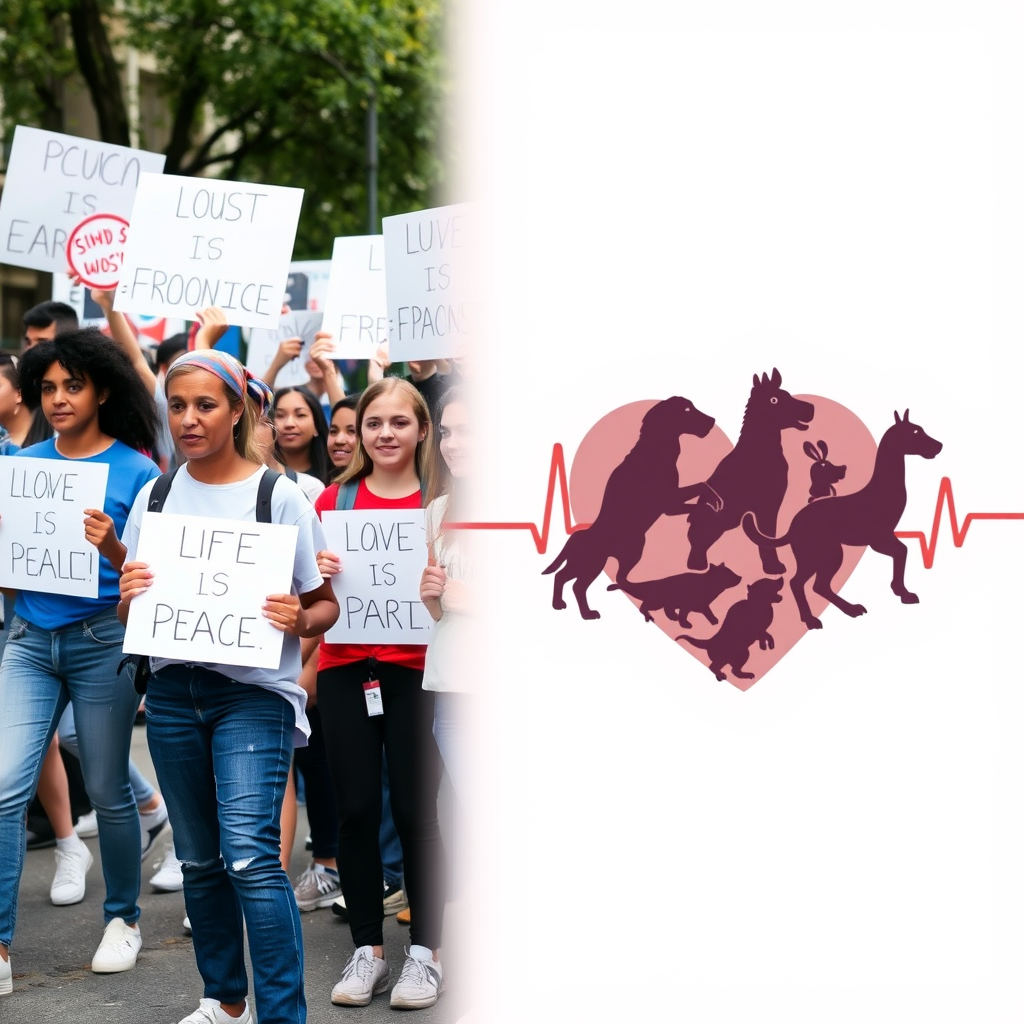
  • White Blue Pulse: Teens Report Social Animal Protests

    White Blue Pulse: Teens Report Social Animal Protests

    Beyond the Binary: Decoding the New Wave of Youth Activism

    The landscape of youth activism is undergoing a fascinating transformation, moving beyond traditional political banners into highly specific, emotionally resonant causes. We are witnessing a powerful convergence where digital organization meets deeply felt ethical concerns, often centered around the natural world and animal welfare. This new generation of activists is not content with broad strokes; they demand granular accountability and immediate change, utilizing visual language that is both striking and symbolic. The dichotomy of ‘white and blue’ often seen in protest aesthetics—representing purity of intent versus the cool, analytical nature of policy—is being overlaid with a raw, organic ‘pulse’ that signifies genuine, grassroots urgency. Understanding this shift is crucial for anyone tracking the future of social movements and ethical consumerism.

    The Visual Language of Disruption: White, Blue, and the Organic Pulse

    The colors white and blue, frequently adopted in online campaigns and physical demonstrations, serve as powerful, almost archetypal signifiers. White often symbolizes innocence, the purity of the cause, or a call for transparency in governance and corporate practice. Conversely, blue frequently evokes themes of stability, environmental concerns (like clean water or the sky), or the cold, hard facts presented in scientific reports demanding action. When these two colors frame a movement focused on animal welfare, they create a compelling visual tension that cuts through the noise of the modern media cycle. This deliberate aesthetic choice is a sophisticated form of non-verbal communication, instantly recognizable across diverse platforms.

    However, the true engine driving these protests is the ‘pulse’—the undeniable, visceral reaction to perceived injustice that fuels sustained engagement. This pulse is organic, spreading through social networks not via top-down mandates, but through shared empathy and viral storytelling. Teens today are adept at curating narratives that elicit strong emotional responses, making abstract ethical dilemmas feel immediate and personal. This organic spread contrasts sharply with the often rigid, pre-packaged messaging of older activist groups, giving these new movements an authentic edge that resonates deeply with their peers. It is this authentic social activism that is proving incredibly difficult for established institutions to ignore or dismiss as fleeting trends.

    The ‘Animal’ Focus: Shifting Ethical Priorities in the Digital Age

    A significant trend emerging from these youth-led protests is the intense focus on animal rights and ecological stewardship, often framed with a moral urgency previously reserved for human rights issues. For many young people, the suffering of non-human entities is not a secondary concern but a primary moral imperative that reflects directly on human character. This focus is often amplified by the immediate, unfiltered access to distressing content online, which bypasses traditional media gatekeepers and forces confrontation with uncomfortable realities. The sheer volume of information available means that ignorance is no longer an acceptable defense for inaction.

    This prioritization of the ‘animal’ concern is deeply intertwined with broader critiques of industrialization and unsustainable practices. Whether the protest targets factory farming, habitat destruction, or the ethics of cosmetic testing, the underlying message is a rejection of systems that prioritize profit over sentience. This is not merely about sentimentality; it is a sophisticated ethical framework demanding systemic change in how society values life beyond the human sphere. Examining the rise of veganism and sustainable fashion among younger demographics provides further evidence of this profound ethical realignment, demonstrating a commitment to ethical consumerism that impacts global supply chains.

    Decoding the Digital Infrastructure of Modern Protest

    The success of these ‘white blue pulse’ movements relies heavily on mastering the digital infrastructure that underpins contemporary communication. Platforms like TikTok, Instagram, and Discord serve not just as broadcasting tools but as decentralized organizational hubs where strategy is fluid and participation is low-barrier. A single, compelling video or infographic can mobilize thousands overnight, demonstrating a speed of reaction that traditional organizing methods simply cannot match. This digital fluency allows activists to bypass established media narratives and control their own messaging with precision.

    Furthermore, the use of specific hashtags and visual mnemonics—the white and blue motifs—acts as a form of digital shorthand, instantly signaling allegiance and purpose within the online ecosystem. This shared visual vocabulary fosters a strong sense of community and collective identity among participants, even if they have never met in person. The ability to rapidly generate and disseminate high-quality, emotionally charged content is the defining characteristic of this era of youth mobilization. For more on how digital tools shape modern protest, see this analysis on networked activism Pew Research Center on Digital Activism.

    The Challenge of Sustaining Momentum and Policy Impact

    While the initial surge of a ‘pulse’ protest can be electrifying and highly visible, the enduring challenge for these movements lies in translating viral energy into tangible policy shifts. The ephemeral nature of online attention spans means that maintaining focus on complex, long-term goals requires constant innovation in engagement strategies. Activists must transition from simply raising awareness to developing concrete, actionable demands that policymakers and corporations can address. This transition often requires bridging the gap between the passionate, decentralized online sphere and the slower, more bureaucratic world of legislative change.

    Successfully navigating this transition demands strategic partnerships and the cultivation of expertise within the movement itself. It requires individuals willing to move from the front lines of viral outrage to the quieter, persistent work of lobbying, legal research, and coalition building. The most effective movements are those that manage to keep the ‘pulse’ alive while simultaneously developing the structural scaffolding necessary for lasting impact, ensuring that their concerns about animal welfare are codified into law and corporate governance. Understanding the long-term strategy behind these bursts of energy is key to assessing their true influence on societal change.

    Navigating External Pressures and Counter-Narratives

    Any successful movement inevitably faces pushback, and these youth-led animal welfare protests are no exception. They frequently encounter well-funded counter-narratives designed to discredit their motives, minimize the severity of the issues, or frame the activists as radical or economically disruptive. The white and blue aesthetics, while powerful, can sometimes be co-opted or misinterpreted by external observers who fail to grasp the underlying ethical framework driving the action. Successfully countering these narratives requires not just passion, but strategic communication that reinforces the movement’s core values of empathy and evidence-based concern.

    The ability of these young activists to maintain message discipline while remaining flexible enough to adapt to changing digital algorithms is a testament to their sophisticated understanding of modern media warfare. They are learning quickly how to document instances of perceived injustice while simultaneously managing their own public image to ensure their message remains focused on the animals, not on internal drama. This constant balancing act between authenticity and strategic presentation defines the modern activist’s burden, demanding resilience in the face of sustained scrutiny. Learn more about the psychology behind effective protest messaging here: Psychology Today on Protest Dynamics.

    The Future Trajectory: From Pulse to Policy

    The convergence of visual symbolism, digital fluency, and deep ethical commitment suggests that these ‘white blue pulse’ movements are not a temporary phenomenon but a foundational shift in how social issues gain traction. The focus on animal welfare, driven by this new generation, is likely to become a permanent fixture in the broader conversation about sustainability, ethics, and corporate responsibility. We are seeing the maturation of a form of activism that is inherently global, digitally native, and ethically uncompromising.

    As these young leaders gain more experience, their ability to translate the emotional ‘pulse’ into measurable outcomes will determine their legacy. The next few years will be critical in observing whether the energy generated by these visually striking protests can successfully embed itself within the slow machinery of regulatory bodies and international agreements. The commitment to environmental justice, often intertwined with animal protection, suggests a long-term dedication to reshaping human interaction with the planet. For deeper insights into youth environmental leadership, explore this resource: UN Climate Change Youth Initiatives.

    Final Thoughts

    The White Blue Pulse phenomenon represents a potent new dialect in the language of dissent, characterized by clear visual markers and an undeniable, urgent rhythm of concern for the non-human world. These teens are leveraging digital tools to create movements that are both aesthetically compelling and ethically rigorous, forcing a necessary reckoning with established norms regarding consumption and stewardship. As observers and participants in this evolving social sphere, we must recognize that the power of this activism lies not just in its visibility, but in its deeply rooted, organic commitment to a more compassionate future for all living things. The sustained impact of these efforts will redefine what it means to be an engaged citizen in the 21st century, demanding accountability across every sector of industry and governance, and we should expect to see their influence grow significantly in the coming decade, particularly concerning sustainable development and corporate ethics, as evidenced by ongoing global discussions World Economic Forum on Youth Shaping Sustainability.

  • Ancient Earth Rituals: Red, White, and Ecology

    Ancient Earth Rituals: Red, White, and Ecology

    The Primal Palette: Earth Pigments as Ecological Blueprints

    Long before synthetic dyes colored our world, humanity relied on the very ground beneath our feet to express meaning, ritual, and identity. The striking contrast between red and white earth pigments—ochre and kaolin, hematite and chalk—represents more than just ancient aesthetics; it embodies a profound, tangible connection to geological time and local ecology. These raw materials, painstakingly gathered and processed, served as the first language of human visual culture, embedding stories of life, death, and territory directly into the landscape. Understanding these ancient practices offers a vital lens through which to re-examine our modern relationship with natural resources and sustainable community building.

    Ochre’s Deep History: Tracing the Red Thread of Life

    Red ochre, rich in iron oxide, is perhaps the most universally recognized ancient pigment, appearing in cave art from Lascaux to the Australian outback. This vibrant hue was not merely decorative; it often symbolized blood, vitality, and the sacred boundary between the living and the spiritual realms. The acquisition of high-quality ochre required knowledge of specific geological formations, often involving dangerous extraction processes that cemented its value within tribal economies. This deep-seated reverence for the source material contrasts sharply with today’s disposable consumer culture, highlighting a time when every resource held inherent, irreplaceable worth. The chemistry of these pigments tells a story of millennia of weathering and mineral deposition.

    The preparation of red ochre involved grinding and sometimes heating the raw earth to achieve desired shades, a process that demanded communal effort and specialized knowledge passed down through generations. This shared labor fostered strong social bonds centered around the maintenance of cultural memory and ritual practice. When we look at the enduring presence of red earth in funerary rites across continents, we see a consistent human attempt to bridge the physical world with the unseen, using the most fundamental element of the planet—the soil itself. This enduring connection underscores the importance of preserving the landscapes that yield these precious, symbolic materials.

    Kaolin and Chalk: The Purity of White in Ancient Contexts

    White pigments, typically derived from kaolin clay or soft chalk deposits, offered a stark, powerful counterpoint to the intensity of red. Where red often signified action, life force, or danger, white frequently represented purity, transformation, or the spirit world. In many traditions, white body paint was used during rites of passage, signifying a temporary shedding of the old self before re-entering the community in a new status. The very act of seeking out and processing these fine, pale clays speaks to a sophisticated understanding of mineralogy and material science.

    The ecological implications of white pigments are equally significant; kaolin, a soft clay mineral, is often found near hydrothermal alteration zones or weathered igneous rocks, requiring specific geological scouting. Unlike the ubiquitous nature of some iron oxides, finding pristine white clay could be a localized, specialized endeavor, making it a commodity of significant trade value. Modern ecological restoration efforts often focus on stabilizing soil profiles, yet these ancient peoples understood the inherent value in the specific composition of different earth layers, treating them not as undifferentiated dirt but as distinct, powerful substances. Exploring the science behind these ancient colors reveals an unintentional, yet profound, form of early ecological stewardship.

    Ritual, Ecology, and the Shared Landscape

    The ritualistic application of red and white earth was inherently an ecological act because it necessitated a deep, intimate knowledge of the local biome. To know where the best ochre lay, or which clay beds yielded the finest white powder, meant knowing the water tables, the rock outcroppings, and the seasonal changes of the land. This knowledge system was survival; it was also culture. These pigments served as temporary tattoos, transforming the human body into a living canvas reflecting the geology of the immediate surroundings, thereby reinforcing the community’s rootedness.

    This practice stands in direct opposition to contemporary industrial models that prioritize extraction efficiency over environmental impact. When ancient peoples utilized these resources, the scale was sustainable by necessity; they took only what was needed for immediate ritual or artistic expression, allowing the source sites to remain viable for future generations. We can draw powerful parallels between these ancient, localized resource management systems and modern concepts of sustainable community style and localized material sourcing. The ancient earth rituals were, in essence, early forms of ecological accounting, where the cost of the pigment was measured in effort, knowledge, and respect for the source.

    Modern Echoes: Reconnecting Through Materiality

    Today, as we grapple with climate change and the alienation caused by hyper-digitalization, there is a growing hunger to reconnect with tangible, authentic experiences. Artists, designers, and environmental activists are increasingly turning back to natural pigments, seeking the grounding quality inherent in materials sourced directly from the earth. This movement is not mere nostalgia; it is a practical search for resilience and authenticity in our material culture. Using natural earth pigments allows creators to bypass complex, often polluting, industrial supply chains.

    The dialogue between red and white—the dynamic tension between life and spirit, earth and sky—remains a potent symbolic language. Contemporary ecological art often employs these very colors to speak about land degradation or restoration, consciously invoking the weight of ancient meaning. By choosing to work with materials that require time, patience, and respect for their origin, we participate in a continuum of human history that valued the integrity of the source. This conscious choice fosters a deeper sense of ecological awareness and responsibility toward the landscapes that sustain us, moving beyond abstract environmentalism to embodied connection. The Metropolitan Museum of Art holds numerous examples of how these pigments were used across millennia.

    The Future of Pigment: From Sacred Site to Shared Resource

    The challenge for the modern world is how to honor the sacredness of these materials without repeating the mistakes of over-extraction that plague modern mining. If we view the earth’s crust not as an infinite warehouse but as a finite library of colors and textures, our approach must shift toward conservation and minimal impact harvesting. This requires developing new ethical frameworks for sourcing, perhaps establishing community-managed pigment reserves or focusing on utilizing naturally occurring, dispersed materials rather than intensive quarrying.

    The enduring power of red and white lies in their elemental simplicity; they are the building blocks of visual communication before language became codified in text. Reintegrating these primal colors into our modern aesthetic—whether in architecture, fashion, or art—is a way of honoring the deep history of human ingenuity and our inseparable bond with the planet. This reconnection is crucial for fostering a sense of community style that is inherently rooted and responsible. For further reading on the cultural significance of color, consider exploring JSTOR articles on prehistoric art, or look into contemporary artists working with natural dyes like those featured in Smithsonian Magazine.

    Final Thoughts

    The ancient use of red and white earth pigments offers a profound lesson in materiality, sustainability, and cultural continuity. These simple powders connect us directly to the geological processes that shaped our world, reminding us that true wealth lies not in manufactured goods, but in the health and accessibility of our natural environment. By studying these enduring symbols, we gain insight into how past societies managed their most precious resources, providing a necessary blueprint for navigating our own ecological future. Embracing the lessons embedded in these primal palettes can help us cultivate a more mindful, grounded, and aesthetically rich existence, honoring the earth that provides both our sustenance and our inspiration, and fostering a renewed sense of ancestral wisdom.