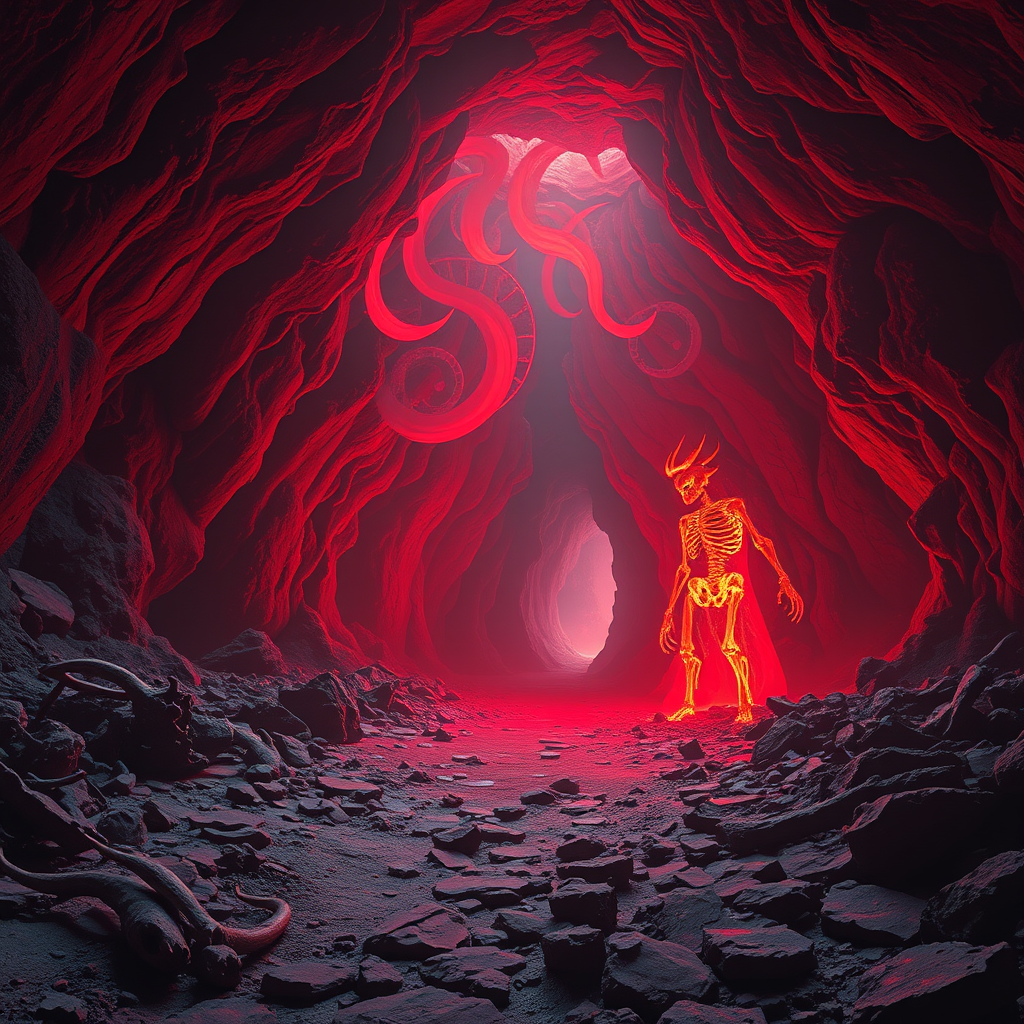
Descending into the Crimson Abyss of Mythic Anatomy
The concept of hell has long been tethered to the color red, a hue that signifies both the intensity of eternal fire and the visceral reality of biological decay. When we examine the anatomy of ancient underworlds, we find that the color palette is not merely decorative but serves as a bridge between the spiritual torment of the damned and the raw, animalistic nature of the physical form. By dissecting these forbidden landscapes, we uncover a narrative where blood, muscle, and bone become the architecture of suffering itself. This exploration invites you to look past the metaphorical flames and into the structural heart of a realm designed to mirror the darkest impulses of the human condition.
The Chromatic Language of Eternal Torment
In the study of ancient iconography, the color red acts as a universal signifier for life, death, and the transition between the two states. Within the context of hellish landscapes, this deep, saturated palette serves to ground the ethereal concept of punishment in a tangible, biological reality. The use of crimson tones forces the viewer to confront the fragility of the flesh, suggesting that the afterlife is not a departure from the body but a permanent, agonizing extension of it. Scholars often note that the psychological impact of this color choice is intentional, designed to evoke a primal response that transcends cultural boundaries and speaks directly to our innate fear of physical violation.
When we analyze the historical depictions of the underworld, we see that the red palette is frequently paired with textures that mimic raw tissue and exposed sinew. This aesthetic choice transforms the environment into a living, breathing entity that consumes those who enter its gates. By framing the landscape as a biological construct, ancient artists and storytellers were able to emphasize the inescapable nature of their vision. You can learn more about the psychology of color in historical art to understand how these hues were selected to manipulate the viewer’s emotional state. This connection between the environment and the body creates a visceral experience that remains as potent today as it was centuries ago.
Anatomy as the Architecture of Suffering
The anatomy of the damned is a recurring motif that suggests the body is the primary site of both sin and retribution. In these ancient narratives, the physical form is often distorted, stretched, or flayed to reflect the internal corruption of the soul. By utilizing a deep red palette, creators emphasize the vulnerability of the human frame, turning every muscle fiber and vein into a focal point of the narrative. This approach suggests that the architecture of hell is built upon the very anatomy it seeks to destroy, creating a cycle of pain that is both intimate and infinite.
Beyond the surface level of gore, there is a complex symbolic layer that links animalistic traits to the human experience of the afterlife. Many ancient texts describe the inhabitants of the underworld as having features that blur the line between man and beast, such as elongated limbs, sharpened teeth, or hardened, chitinous skin. This hybridization serves to strip away the veneer of civilization, leaving only the raw, instinctual core of the individual. For a deeper dive into mythological representations of the afterlife, one can see how these anatomical shifts were used to denote a loss of humanity. The red palette acts as the binding agent for these transformations, ensuring that the viewer never loses sight of the biological cost of eternal damnation.
The Visceral Connection to Forbidden Realms
To enter the forbidden realm is to accept that the laws of nature no longer apply, yet the laws of biology remain cruelly intact. The red palette serves as a constant reminder that even in a place beyond the reach of the living, the body remains a vessel for sensation and pain. This creates a unique tension between the supernatural setting and the grounded, anatomical reality of the characters inhabiting it. By focusing on the visceral details of the form, we are forced to confront the reality that our own bodies are the ultimate limit of our existence.
This thematic bridge between the environment and the anatomy is what makes the concept of hell so enduringly terrifying. It is not just the fire that burns, but the way the fire interacts with the skin, the way the heat causes the muscles to contract, and the way the blood flows through the veins of the damned. This level of detail elevates the narrative from a simple cautionary tale to a profound meditation on the nature of existence. When we look at the history of macabre art, we see a consistent effort to map the human experience onto the landscape of the afterlife. The red palette is the thread that connects these disparate elements, weaving them into a cohesive and haunting vision of the unknown.
Unlocking the Secrets of the Red Voyage
The journey through these ancient, hellish landscapes is a voyage into the deepest parts of the human psyche. By stripping away the comforts of the physical world, we are left with nothing but the raw, red reality of our own mortality. This process of unlocking the anatomy of hell is not for the faint of heart, as it requires us to look at the body not as a temple, but as a site of potential suffering. The deep red palette acts as a guide, leading us through the layers of the underworld and revealing the structural truths hidden within the shadows.
As we navigate this crimson abyss, we begin to understand that the anatomy of hell is a reflection of our own internal struggles. The distorted forms and the endless cycle of pain are manifestations of the fears and desires that we often try to suppress. By embracing the visceral nature of this imagery, we gain a better understanding of the human condition and the lengths to which we go to define our place in the universe. This exploration is a testament to the power of art to bridge the gap between the physical and the metaphysical, proving that even in the darkest of realms, there is a profound beauty to be found in the anatomy of the soul.
Final Thoughts
The red voyage into the anatomy of ancient hell is a journey that challenges our perceptions of life, death, and the physical form. By bridging the gap between the hellish environment and the biological reality of the body, we uncover a narrative that is as timeless as it is terrifying. This exploration serves as a reminder that our bodies are the ultimate vessels of our experience, and that even in the afterlife, the anatomy of our existence remains the primary focus of our journey. As we continue to study these ancient visions, we find that the deep red palette remains the most powerful tool for expressing the raw, unvarnished truth of the human experience. May this analysis inspire you to look closer at the art and stories that define our understanding of the forbidden, and to appreciate the visceral connection between the body and the infinite.