The Fractured Mirror of Digital Divinity and Human Vulnerability
In the flickering glow of a high-definition monitor, the webcam performer often occupies a space that transcends the mundane, existing as a curated deity for a global audience. This digital god-complex is fueled by the illusion of total access, where the viewer feels entitled to the performer’s time, attention, and emotional labor. Yet, beneath the obsidian-hued aesthetic of the screen lies a stark, earthy reality that is frequently ignored by those who consume this content. The dissonance between the ethereal, untouchable persona and the human being behind the lens creates a complex ethical landscape that demands a more nuanced approach to support and interaction. By examining the tension between these two worlds, we can begin to dismantle the toxic power dynamics that often plague the industry.
The Architecture of the Digital Pantheon
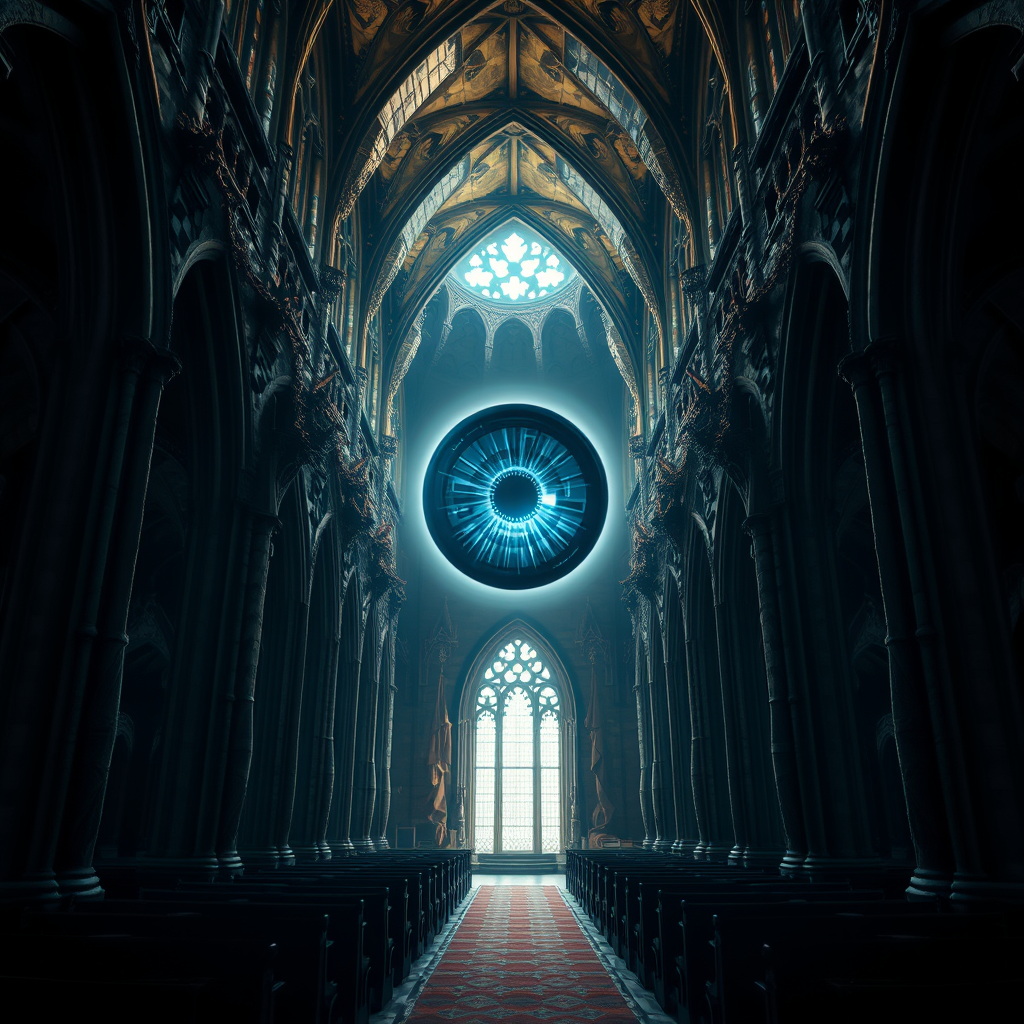
The modern webcam space is meticulously constructed to evoke a sense of grandeur, often utilizing a gothic palette of deep blacks and blood reds to heighten the drama of the performance. This visual language serves to elevate the performer into a position of power, creating a sanctuary where the viewer is invited to worship at the altar of the screen. However, this aesthetic choice is a double-edged sword, as it reinforces the distance between the viewer and the performer, turning a human interaction into a spectacle of consumption. When we treat performers as icons rather than individuals, we strip away their agency and reduce their complex lives to a series of pixels and performance cues.
To truly understand the impact of this environment, one must look at the psychological toll of maintaining such a persona. The digital god-complex is not merely a byproduct of the viewer’s expectations but a survival mechanism for the performer who must constantly curate their image to maintain relevance. This performative labor is exhausting, requiring a level of emotional detachment that can lead to profound feelings of isolation. As noted in studies on digital intimacy, the blurring of boundaries between professional performance and personal identity often leaves the performer vulnerable to burnout and psychological distress.
Grounding the Obsidian Aesthetic
While the gothic visual style provides a compelling backdrop for performance, it is essential to ground this experience in the earthy reality of human connection. True ethical support requires acknowledging that the person on the other side of the camera is not a static image, but a living, breathing individual with needs, boundaries, and a life that exists outside of the digital realm. This means moving beyond the transactional nature of the industry and fostering a culture of mutual respect and empathy. When viewers recognize the humanity of the performer, the power dynamic shifts from one of exploitation to one of genuine, albeit mediated, connection.
The dissonance between the dark, dramatic aesthetic and the mundane reality of the performer’s life can be bridged through intentional communication and boundary setting. Performers who are empowered to define their own limits are better equipped to navigate the pressures of the industry without sacrificing their mental health. By prioritizing ethical webcam support, we can create a space where the performance is celebrated without the performer being dehumanized. This shift requires a collective effort from both the platforms that host these interactions and the audiences that sustain them.
The Ethics of Digital Consumption
Consumption in the digital age is rarely a passive act, especially when it involves the commodification of human presence. The viewer’s role in this ecosystem is critical, as their choices dictate the sustainability of the performer’s career and well-being. Engaging with webcam performers requires a high degree of digital literacy and an awareness of the ethical implications of one’s actions. Every tip, message, and interaction is a vote for the kind of industry we want to foster, and it is incumbent upon the viewer to ensure that their participation is grounded in respect and consent.
Furthermore, the platforms themselves have a responsibility to provide robust support systems that protect the rights and dignity of their creators. This includes implementing clear policies against harassment, providing resources for mental health, and ensuring that the financial structures of the industry are fair and transparent. Without these safeguards, the gothic allure of the webcam space can quickly descend into a site of exploitation. As discussed in reports on digital rights, the protection of performers is a fundamental aspect of maintaining a healthy and sustainable online ecosystem.
Dissonance as a Catalyst for Change
The tension between the god-like persona and the human reality is not something to be erased, but rather something to be navigated with intention. This dissonance can serve as a catalyst for a more profound understanding of what it means to connect in a digital world. When we embrace the complexity of the performer’s experience, we move away from the reductive god-complex and toward a more authentic form of engagement. This requires a willingness to sit with the discomfort of the screen and to recognize that the image is only a fraction of the truth.
Ultimately, the goal of ethical engagement is to foster a space where both the performer and the viewer can exist in a state of mutual respect. This involves active listening, clear communication, and a commitment to the well-being of the individual behind the camera. By acknowledging the earthy, grounded reality of the performer, we can transform the gothic dissonance of the webcam space into a site of genuine human connection. This evolution is necessary for the long-term health of the industry and for the dignity of those who choose to share their lives through the lens.
Final Thoughts
The journey toward a more ethical and sustainable webcam industry is ongoing and requires the participation of all stakeholders. By recognizing the human reality behind the digital facade, we can begin to dismantle the harmful power structures that have long defined this space. Let us move forward with a commitment to empathy, boundaries, and the recognition that every digital interaction is, at its core, a human one. Through this lens, we can ensure that the gothic beauty of the performance does not come at the cost of the performer’s humanity, creating a more balanced and respectful future for all involved.