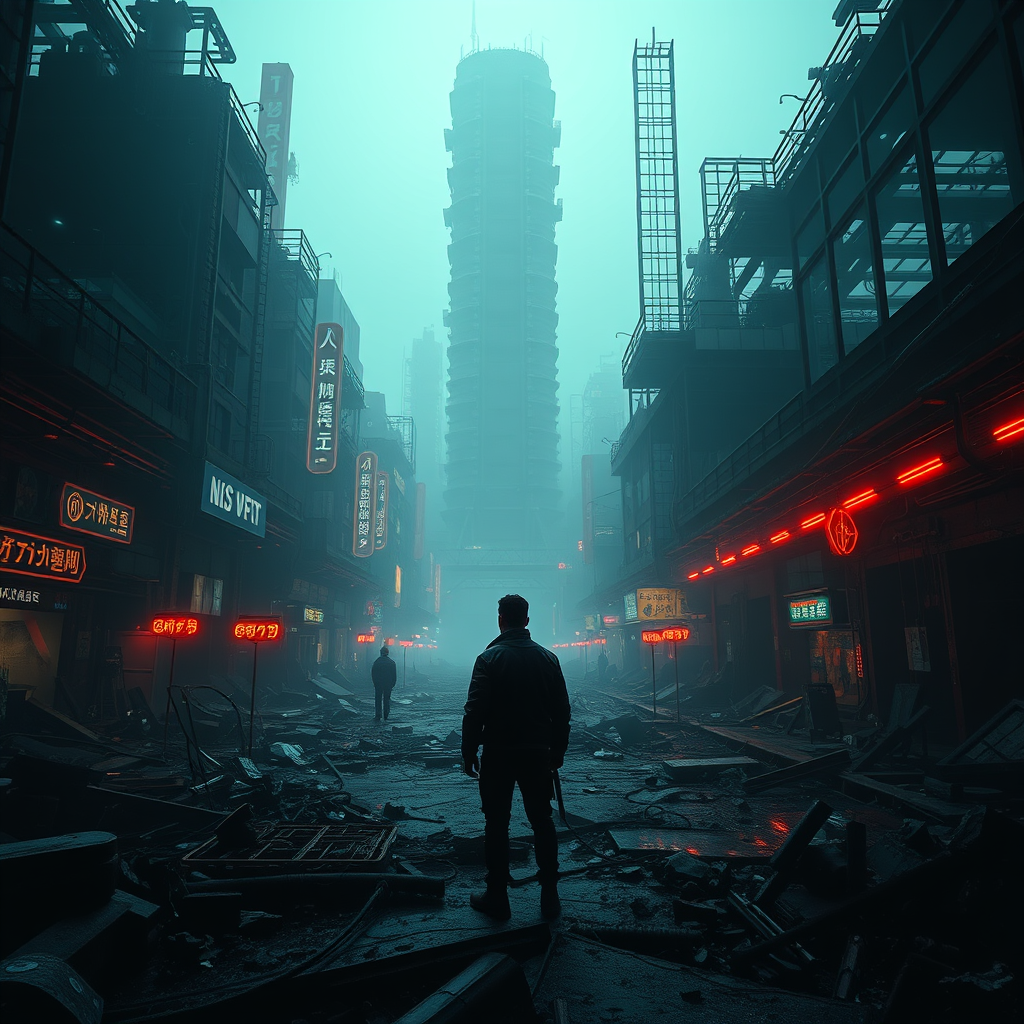
The Architecture of Decay in the Age of Globalized Markets
The skyline of the modern metropolis is a testament to the cold, calculated efficiency of international trade, yet beneath its glass-and-steel veneer lies a profound sense of unease. We have traded the ornate, human-centric craftsmanship of the past for the sterile, repetitive geometry of global commerce, creating a landscape that feels increasingly alien to the human spirit. This shift is not merely aesthetic; it represents a fundamental disconnect between our historical legacy and the relentless, often destructive, pace of systemic expansion. When we look at the shadows cast by these monolithic structures, we find a gothic dissonance that speaks to the fragility of our current economic order. It is in this tension between the dark, romantic echoes of history and the clinical precision of the market that we begin to see the cracks in the foundation of our civilization.
The Shadow of Industrial Monoliths
The rise of the modern corporate tower has effectively erased the gothic sensibilities that once defined our urban centers, replacing intricate stonework with the blank, reflective surfaces of progress. These structures are designed to project power and stability, yet they often feel hollow, lacking the soul and narrative depth of the architecture they replaced. By prioritizing function over form, we have created environments that prioritize the flow of capital over the well-being of the individual. This systemic collapse of human-scale design is a direct reflection of how global markets prioritize efficiency above all else, often at the expense of cultural identity and historical continuity.
As we navigate these canyons of steel, the lack of ornamentation feels like a deliberate erasure of the past, a way to sanitize the environment for the sake of productivity. The gothic tradition, with its emphasis on the sublime and the macabre, serves as a necessary counterpoint to this sterility, reminding us that there is beauty in decay and complexity in the shadows. When we ignore these darker, more complex aspects of our human experience, we become susceptible to a kind of cultural amnesia. The dissonance we feel is the result of a society that has forgotten how to integrate its history into its future, choosing instead to build on a foundation of temporary, disposable structures that offer no sense of permanence or belonging.
The Dissonance of Sterile Markets
International trade has become a faceless entity, a machine that operates with a cold, detached logic that ignores the nuances of local culture and human emotion. This economic alienation is the primary driver of the dissonance we experience, as the global market demands a uniformity that strips away the unique character of our cities. When every street corner looks the same, whether in London, Tokyo, or New York, the sense of place is lost, replaced by a generic, commodified experience. This homogenization is a hallmark of the modern era, a process that flattens the world into a series of predictable, manageable nodes in a vast, interconnected network.
The gothic aesthetic, by contrast, thrives on the irregular, the ornate, and the deeply personal, standing in stark opposition to the clean lines of corporate architecture. It is a visual language that acknowledges the inevitability of time and the weight of history, themes that are conveniently ignored by the proponents of endless growth. By embracing the gothic, we can begin to reclaim our spaces from the sterile grip of globalized commerce, injecting a sense of mystery and depth back into our daily lives. This is not a call to abandon progress, but rather a plea to recognize that a world without shadows is a world without depth, a world where the human spirit is slowly starved of the complexity it requires to flourish.
Legacy Versus Liquidity
The tension between our human legacy and the demands of liquidity is perhaps the most defining conflict of our time, manifesting in the way we build, consume, and interact with our environment. We are constantly told that the market is the ultimate arbiter of value, yet we know intuitively that there are things—art, history, community—that cannot be measured in dollars and cents. This cultural erosion is the price we pay for prioritizing short-term gains over long-term sustainability, a trade-off that is becoming increasingly difficult to justify. As we watch the old world crumble to make way for the new, we must ask ourselves what we are losing in the process and whether the cost is truly worth the benefit.
To understand the depth of this conflict, one must look at the way historical preservation is often treated as an obstacle to development rather than a vital component of a healthy society. When we treat our heritage as a commodity to be exploited or discarded, we lose the very things that give our lives meaning and context. The gothic tradition serves as a reminder that our past is not a burden to be shed, but a foundation upon which we must build, even if that foundation is cracked and weathered. By acknowledging the dissonance between our past and our present, we can begin to forge a path forward that respects the complexity of the human experience while still engaging with the realities of a globalized world.
The Architecture of Impending Change
As the global economy faces unprecedented challenges, the sterile, cold tones of our modern architecture are beginning to feel less like a symbol of strength and more like a mask for deep-seated instability. The market volatility that characterizes our current era is mirrored in the way we build, with structures that are designed to be flexible and temporary rather than enduring and meaningful. This lack of permanence is a symptom of a society that is perpetually looking toward the next quarter, the next trend, or the next crisis, never pausing to consider the long-term consequences of its actions. The gothic dissonance we feel is the sound of a system that is out of sync with the natural rhythms of life and the historical trajectory of human civilization.
Perhaps the solution lies in a new kind of architecture, one that blends the efficiency of the modern with the soul of the gothic, creating spaces that are both functional and deeply resonant. We need buildings that acknowledge the passage of time, that incorporate the shadows and the complexity of our history, and that provide a sense of shelter from the relentless pace of the market. This would require a fundamental shift in how we value our urban environments, moving away from the idea of the city as a machine and toward the idea of the city as a living, breathing organism. Only by embracing this dissonance can we hope to create a future that is not just efficient, but also profoundly human, a future where the legacy of the past is honored rather than erased.
Final Thoughts
The gothic dissonance we experience is not a sign of failure, but a call to action, a reminder that we must reclaim our spaces and our stories from the cold, sterile grip of global commerce. We must learn to see the beauty in the shadows and the value in the things that cannot be measured by the market, for it is in these spaces that our true humanity resides. By integrating the lessons of our history with the realities of our present, we can build a world that is both resilient and deeply meaningful, a world that honors the complexity of the human spirit. The future is not a blank slate, but a canvas upon which we must paint our own legacy, one that is as dark, beautiful, and enduring as the gothic cathedrals of old. For further reading on the intersection of architecture and society, consider exploring the works of ArchDaily or the critical cultural analysis found at The Guardian Architecture, both of which provide essential perspectives on how our built environment shapes our collective future.