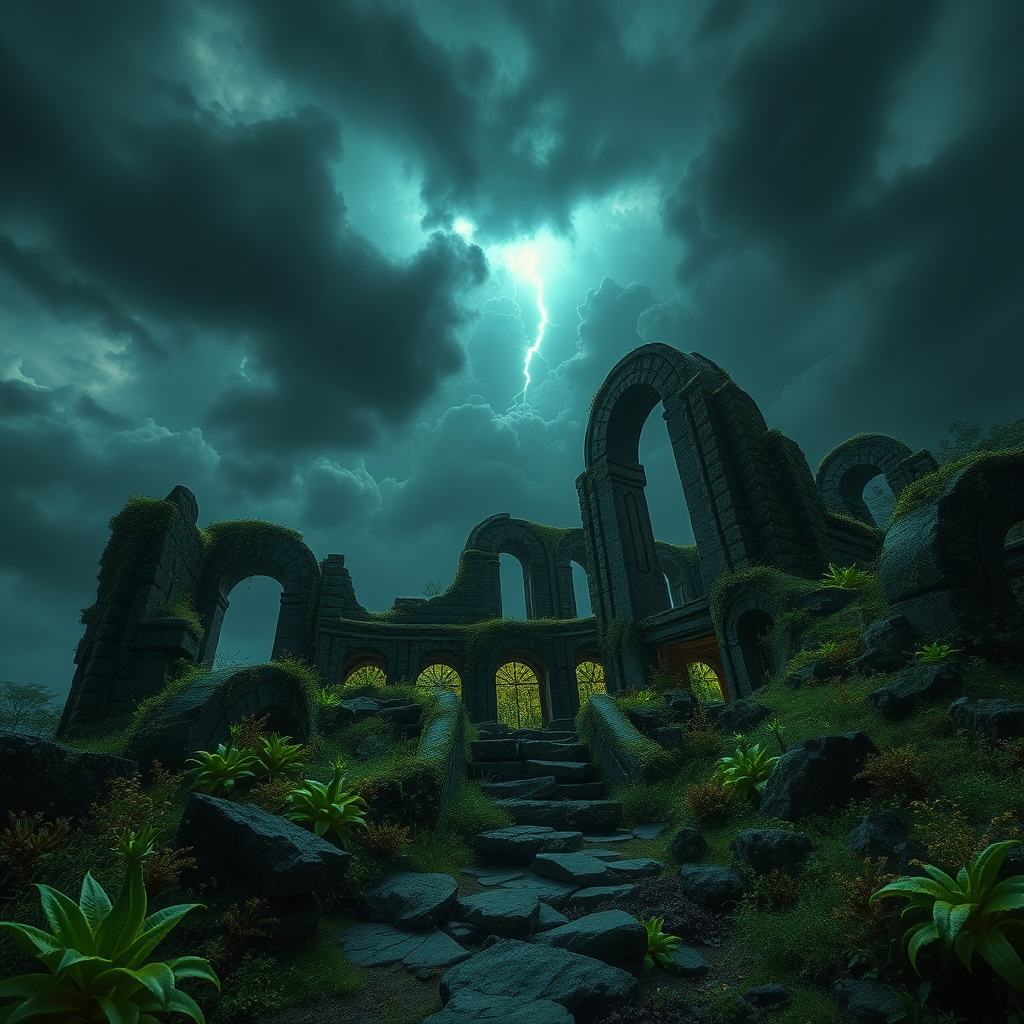
The Visual Language of a Planet in Peril
The aesthetic of our current era is defined by a jarring collision between the geological past and a synthetic, toxic future. We find ourselves living within a landscape where deep, desaturated earth tones—the muted ochres of dried riverbeds and the slate grays of crumbling stone—are increasingly interrupted by the aggressive, neon-hued signatures of industrial decay. This visual dissonance is not merely a stylistic choice for artists or photographers; it is a profound reflection of the ecological collapse that threatens to rewrite the history of our species. By examining how we perceive the environment through this lens of contrast, we can begin to understand the psychological weight of our current trajectory. The tension between the permanence of ancient landscapes and the fleeting, radioactive glow of modern waste serves as a stark reminder that our footprint is becoming a permanent, albeit destructive, geological layer.
The Palette of Ancient Permanence
For millennia, the human experience was defined by the steady, predictable rhythms of the natural world, characterized by a palette of organic, muted colors. These earth tones represent the stability of the soil, the endurance of granite, and the slow, rhythmic decay of organic matter that feeds the cycle of life. When we look at ancient ruins or untouched wilderness, we are witnessing a history written in shades of umber, sienna, and charcoal, colors that suggest a deep, quiet resilience. This geological legacy provides a baseline for what we consider natural, grounding our collective consciousness in the idea that the earth is an immovable, eternal foundation.
However, this sense of permanence is increasingly being challenged by the rapid acceleration of human intervention. As we strip-mine the landscape and alter the chemical composition of the atmosphere, the traditional earth tones are being bleached or buried under the weight of our own output. The loss of these natural hues is more than a visual tragedy; it is a signal that the biological systems we rely upon are losing their ability to regenerate. We are effectively erasing the color of the past, replacing the slow, steady evolution of the planet with a frantic, artificial acceleration that leaves little room for the quiet beauty of the natural world to persist.
The Neon Incursion of Industrial Decay
In stark contrast to the muted tones of the earth, the modern landscape is increasingly punctuated by the harsh, artificial glow of environmental degradation. We see this in the iridescent sheen of chemical runoff in stagnant water, the unnatural, vibrant greens of algae blooms fueled by fertilizer, and the jagged, neon-lit silhouettes of abandoned industrial zones. This environmental decay is not subtle; it screams for attention, demanding that we acknowledge the synthetic materials we have introduced into the biosphere. These colors are not found in nature, yet they have become the defining markers of our presence on the planet.
The psychological impact of this neon-hued decay is profound, as it creates a sense of unease that is difficult to articulate. When we encounter these colors in the wild, our brains register them as warnings, triggering a primal response to toxins and danger. By integrating these artificial hues into our natural spaces, we are essentially turning the planet into a warning sign, a place where the familiar has been corrupted by the foreign. This visual dissonance serves as a constant, low-level stressor, reminding us that the environment is no longer a sanctuary, but a site of ongoing, high-stakes experimentation.
The Dissonance of Modernity
The tension between the ancient and the synthetic creates a unique form of dissonance that defines the modern human condition. We are caught between a desire to return to a simpler, more harmonious relationship with the earth and the reality of our dependence on the very systems that are destroying it. This global ecology is a fragile, interconnected web that is being pulled apart by the weight of our consumption. As we witness the encroachment of neon decay upon the muted earth, we are forced to confront the reality that our progress has come at the cost of our home.
This dissonance is reflected in the way we document the world, with photographers and artists increasingly focusing on the juxtaposition of the natural and the artificial. By capturing the way a plastic bottle glows against a backdrop of ancient, weathered rock, these creators are highlighting the absurdity of our current path. It is a visual argument that demands a change in perspective, urging us to see the environment not as a resource to be exploited, but as a living system that is currently in the throes of a crisis. We must learn to reconcile these two worlds before the neon glow consumes the earth tones entirely.
Reclaiming the Narrative of Restoration
To move beyond this state of dissonance, we must first acknowledge the severity of the damage and the urgency of the situation. Restoration is not merely about returning to the past, but about finding a new way to exist that respects the limits of the planet. This requires a fundamental shift in how we value the environment, moving away from a focus on extraction and toward a model of stewardship. We can look to the work of organizations like the https://www.worldwildlife.org to understand the scale of the challenge and the importance of protecting biodiversity in the face of rapid change.
Furthermore, we must embrace the power of visual storytelling to shift the public consciousness toward a more sustainable future. By highlighting the beauty of the natural world and the tragedy of its loss, we can inspire a collective movement toward restoration. Resources such as https://www.nature.org provide essential insights into how we can begin to heal the landscape and restore the balance between the ancient and the modern. It is a daunting task, but one that is necessary if we are to ensure that the future of our planet is defined by life rather than decay.
Final Thoughts
The global ecology of defeat is not an inevitable conclusion, but a warning that we have the power to heed. By recognizing the visual dissonance of our current era, we can begin to dismantle the systems that prioritize short-term gain over long-term survival. We must strive to harmonize our presence with the earth, replacing the neon glow of destruction with the steady, enduring colors of a healthy, thriving ecosystem. The choice is ours to make, and the time to act is now, before the ancient tones of our world are lost to the encroaching shadows of our own making.