Tag: ecology

That thing we do for the earth because we were not able to take care of her properly.

  • Ancient Dissonance: The Global Ecology of Defeat

    Ancient Dissonance: The Global Ecology of Defeat

    The Visual Language of a Planet in Peril

    The aesthetic of our current era is defined by a jarring collision between the geological past and a synthetic, toxic future. We find ourselves living within a landscape where deep, desaturated earth tones—the muted ochres of dried riverbeds and the slate grays of crumbling stone—are increasingly interrupted by the aggressive, neon-hued signatures of industrial decay. This visual dissonance is not merely a stylistic choice for artists or photographers; it is a profound reflection of the ecological collapse that threatens to rewrite the history of our species. By examining how we perceive the environment through this lens of contrast, we can begin to understand the psychological weight of our current trajectory. The tension between the permanence of ancient landscapes and the fleeting, radioactive glow of modern waste serves as a stark reminder that our footprint is becoming a permanent, albeit destructive, geological layer.

    The Palette of Ancient Permanence

    For millennia, the human experience was defined by the steady, predictable rhythms of the natural world, characterized by a palette of organic, muted colors. These earth tones represent the stability of the soil, the endurance of granite, and the slow, rhythmic decay of organic matter that feeds the cycle of life. When we look at ancient ruins or untouched wilderness, we are witnessing a history written in shades of umber, sienna, and charcoal, colors that suggest a deep, quiet resilience. This geological legacy provides a baseline for what we consider natural, grounding our collective consciousness in the idea that the earth is an immovable, eternal foundation.

    However, this sense of permanence is increasingly being challenged by the rapid acceleration of human intervention. As we strip-mine the landscape and alter the chemical composition of the atmosphere, the traditional earth tones are being bleached or buried under the weight of our own output. The loss of these natural hues is more than a visual tragedy; it is a signal that the biological systems we rely upon are losing their ability to regenerate. We are effectively erasing the color of the past, replacing the slow, steady evolution of the planet with a frantic, artificial acceleration that leaves little room for the quiet beauty of the natural world to persist.

    The Neon Incursion of Industrial Decay

    In stark contrast to the muted tones of the earth, the modern landscape is increasingly punctuated by the harsh, artificial glow of environmental degradation. We see this in the iridescent sheen of chemical runoff in stagnant water, the unnatural, vibrant greens of algae blooms fueled by fertilizer, and the jagged, neon-lit silhouettes of abandoned industrial zones. This environmental decay is not subtle; it screams for attention, demanding that we acknowledge the synthetic materials we have introduced into the biosphere. These colors are not found in nature, yet they have become the defining markers of our presence on the planet.

    The psychological impact of this neon-hued decay is profound, as it creates a sense of unease that is difficult to articulate. When we encounter these colors in the wild, our brains register them as warnings, triggering a primal response to toxins and danger. By integrating these artificial hues into our natural spaces, we are essentially turning the planet into a warning sign, a place where the familiar has been corrupted by the foreign. This visual dissonance serves as a constant, low-level stressor, reminding us that the environment is no longer a sanctuary, but a site of ongoing, high-stakes experimentation.

    The Dissonance of Modernity

    The tension between the ancient and the synthetic creates a unique form of dissonance that defines the modern human condition. We are caught between a desire to return to a simpler, more harmonious relationship with the earth and the reality of our dependence on the very systems that are destroying it. This global ecology is a fragile, interconnected web that is being pulled apart by the weight of our consumption. As we witness the encroachment of neon decay upon the muted earth, we are forced to confront the reality that our progress has come at the cost of our home.

    This dissonance is reflected in the way we document the world, with photographers and artists increasingly focusing on the juxtaposition of the natural and the artificial. By capturing the way a plastic bottle glows against a backdrop of ancient, weathered rock, these creators are highlighting the absurdity of our current path. It is a visual argument that demands a change in perspective, urging us to see the environment not as a resource to be exploited, but as a living system that is currently in the throes of a crisis. We must learn to reconcile these two worlds before the neon glow consumes the earth tones entirely.

    Reclaiming the Narrative of Restoration

    To move beyond this state of dissonance, we must first acknowledge the severity of the damage and the urgency of the situation. Restoration is not merely about returning to the past, but about finding a new way to exist that respects the limits of the planet. This requires a fundamental shift in how we value the environment, moving away from a focus on extraction and toward a model of stewardship. We can look to the work of organizations like the https://www.worldwildlife.org to understand the scale of the challenge and the importance of protecting biodiversity in the face of rapid change.

    Furthermore, we must embrace the power of visual storytelling to shift the public consciousness toward a more sustainable future. By highlighting the beauty of the natural world and the tragedy of its loss, we can inspire a collective movement toward restoration. Resources such as https://www.nature.org provide essential insights into how we can begin to heal the landscape and restore the balance between the ancient and the modern. It is a daunting task, but one that is necessary if we are to ensure that the future of our planet is defined by life rather than decay.

    Final Thoughts

    The global ecology of defeat is not an inevitable conclusion, but a warning that we have the power to heed. By recognizing the visual dissonance of our current era, we can begin to dismantle the systems that prioritize short-term gain over long-term survival. We must strive to harmonize our presence with the earth, replacing the neon glow of destruction with the steady, enduring colors of a healthy, thriving ecosystem. The choice is ours to make, and the time to act is now, before the ancient tones of our world are lost to the encroaching shadows of our own making.

  • The Mastodon Ecology: Mocking Tokenism in Wild Government Works

    The Mastodon Ecology: Mocking Tokenism in Wild Government Works

    Neon Preservation and the Illusion of Natural Stewardship

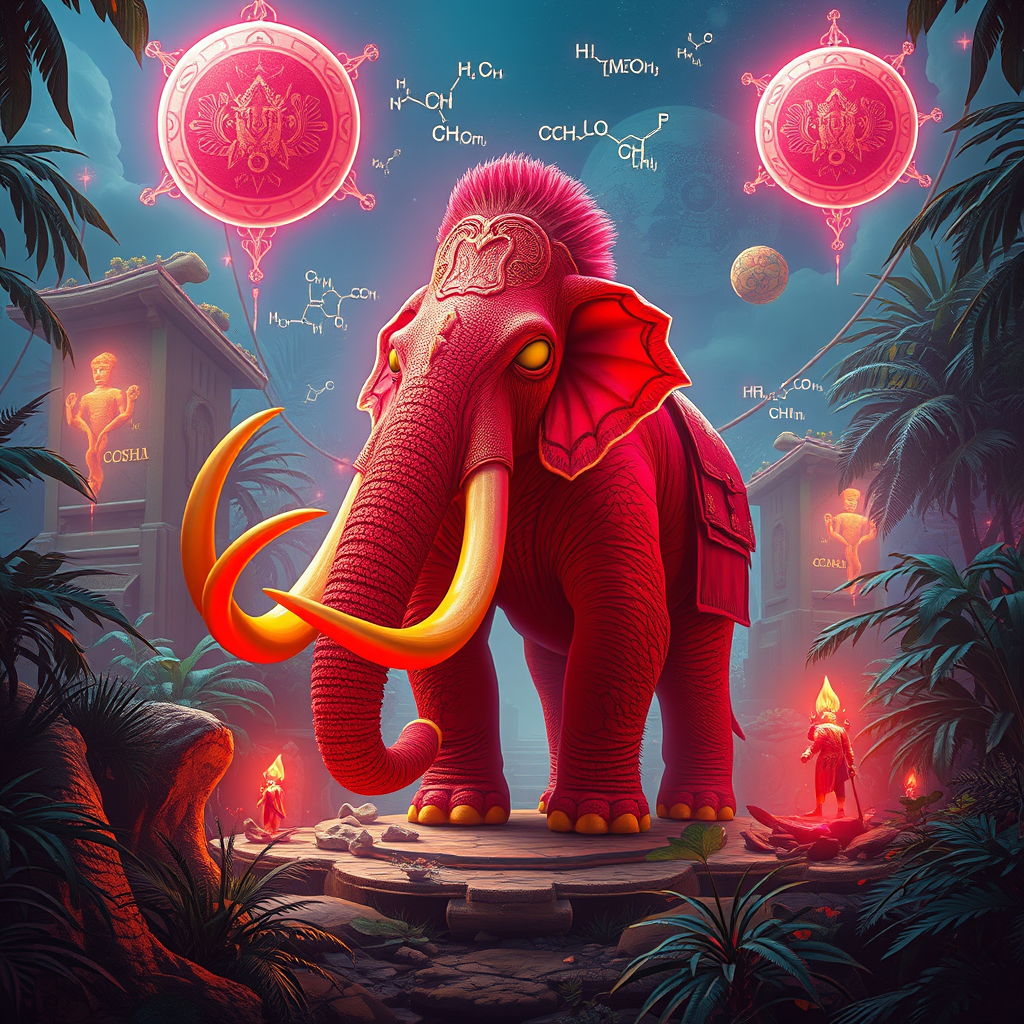
    The modern landscape of wildlife conservation has increasingly become a theater of the absurd, where the raw, visceral reality of extinction is masked by a veneer of bureaucratic performance. We find ourselves trapped in a cycle where government agencies deploy electric, high-visibility branding to distract from the crumbling, earthy foundations of actual biodiversity. This aesthetic dissonance—the clash between the neon-soaked hedonism of political optics and the quiet, decaying reality of our ecosystems—serves as a perfect metaphor for the current state of environmental policy. By examining the mastodon as a symbol of lost grandeur, we can begin to dismantle the tokenism that defines contemporary government efforts to save the wild. It is time to peel back the layers of synthetic concern and confront the hollow nature of these institutional promises.

    The Neon Facade of Bureaucratic Conservation

    Government agencies often utilize a visual language that feels more at home in a nightclub than in a national park. The use of aggressive, electric neons in public awareness campaigns is designed to capture fleeting attention in an era of digital saturation, yet it fundamentally misrepresents the slow, deliberate pace of biological recovery. This aesthetic choice is not merely a design preference; it is a calculated attempt to inject a sense of artificial urgency into projects that are often stagnant or underfunded. By framing conservation as a high-energy, trendy endeavor, officials hope to distract the public from the lack of substantive, long-term ecological planning.

    When we look at the branding of modern wildlife initiatives, we see a clear disconnect between the vibrant, glowing graphics and the actual, muddy reality of habitat restoration. These neon palettes suggest a future that is bright and technologically advanced, while the ground-level truth is one of soil degradation and species loss. This is the essence of tokenism in government work, where the appearance of action is prioritized over the messy, unglamorous labor of environmental stewardship. The public is invited to consume the aesthetic of conservation without ever having to engage with the difficult, earthy realities of the wild.

    The Mastodon as a Mirror for Institutional Failure

    The mastodon, a creature of immense scale and ancient history, serves as a haunting reminder of what we have already lost to human encroachment and environmental shifts. In the context of modern policy, the mastodon represents the forgotten giant, a symbol of the deep time that government agencies fail to respect in their pursuit of quarterly metrics. By invoking the image of the mastodon, we highlight the absurdity of trying to manage complex, prehistoric-scale ecosystems with the short-sighted tools of modern political cycles. The government treats conservation as a series of isolated, manageable events, ignoring the interconnected, multi-generational nature of true ecological health.

    There is a profound irony in using the imagery of extinct megafauna to promote policies that are fundamentally incapable of preventing the next wave of extinctions. These campaigns often rely on the nostalgia of the wild to generate support, yet they offer no real protection for the habitats that sustain current biodiversity. It is a form of environmental theater that exploits our collective grief for the past to justify the failures of the present. We are being sold a vision of nature that is curated, sanitized, and ultimately, entirely disconnected from the wild, untamed forces that once defined our planet.

    The Earthy Reality Beneath the Glow

    To understand the failure of current conservation efforts, one must look past the neon marketing and into the soil itself. True ecological restoration is an earthy, organic process that requires patience, humility, and a willingness to accept that nature does not always conform to human timelines. Instead of embracing this complexity, government agencies often attempt to force nature into a rigid, manageable framework that fits neatly into a press release. This approach ignores the vital, messy interactions between species and their environments, favoring a sterile version of nature that is easier to control and easier to sell to the public.

    The contrast between the neon aesthetic and the organic reality is where the government policy gap becomes most apparent. While the marketing materials glow with artificial light, the actual work of conservation is often under-resourced and poorly executed. We see a reliance on quick fixes and high-visibility projects that provide immediate gratification but fail to address the systemic issues of habitat loss and climate change. This is not conservation; it is a performance designed to appease stakeholders while the actual, earthy foundations of our world continue to erode beneath our feet.

    Dismantling the Tokenism of Modern Stewardship

    Tokenism in conservation manifests as the celebration of small, symbolic victories while the broader ecosystem collapses. We see this in the focus on charismatic megafauna at the expense of the insects, fungi, and soil microbes that actually keep an ecosystem functioning. By prioritizing the animals that look good on a neon-colored poster, agencies ignore the foundational species that are the true architects of the wild. This is a form of performative activism that serves the interests of the institution rather than the needs of the environment, creating a cycle of dependency where the public is conditioned to expect only the most superficial forms of engagement.

    To move beyond this, we must demand a shift in how conservation is communicated and implemented. We need to move away from the neon-soaked, high-energy branding that treats nature as a product to be consumed and toward a more grounded, honest representation of ecological reality. This means acknowledging the difficulty of the work, the uncertainty of the outcomes, and the necessity of long-term, systemic change. It requires a rejection of the bureaucratic optics that prioritize image over impact and a return to the earthy, organic principles that have sustained life on this planet for millions of years.

    Final Thoughts

    The mastodon remains a powerful symbol of the wild, a reminder of a time when nature was not something to be managed, but something to be lived within. If we are to avoid the fate of the creatures we claim to protect, we must stop falling for the neon-lit illusions of government conservation. True stewardship is not found in the vibrant, artificial glow of a marketing campaign, but in the quiet, persistent work of restoring the earth beneath our feet. We must demand more than just the appearance of action; we must demand a fundamental shift in how we relate to the natural world. Only by grounding our efforts in the earthy, complex reality of our ecosystems can we hope to preserve the wild for the generations that will follow us. For further reading on the complexities of modern conservation, explore the resources at The Nature Conservancy or investigate the critical perspectives on environmental policy provided by Rewilding Europe to understand how we might move toward a more authentic and effective future.

  • Digital Ecology: Protesting for a Greener Heaven Online

    Digital Ecology: Protesting for a Greener Heaven Online

    Reclaiming the Virtual Horizon from the Silicon Shadow

    The modern internet is often perceived as an ethereal, weightless realm, a cloud-based paradise where information flows like water and ideas transcend physical boundaries. Yet, beneath this shimmering facade of connectivity lies a sprawling, energy-hungry infrastructure that demands a heavy toll from our physical planet. We have built a digital heaven that relies on the extraction of rare earth minerals, the burning of fossil fuels to power massive server farms, and the creation of mountains of electronic waste. To achieve a true digital ecology, we must confront the stark contrast between the vibrant, life-giving green of our natural world and the cold, dark, and rigid aesthetic of our current technological landscape. This is not merely a call for better hardware, but a radical protest against the unsustainable trajectory of our online existence.

    The Hidden Cost of the Cloud

    When we speak of the cloud, we are rarely referring to the fluffy white formations in the sky, but rather to the industrial-scale data centers that anchor our digital lives to the earth. These facilities consume staggering amounts of electricity, often sourced from non-renewable grids that exacerbate the climate crisis. The physical footprint of our online interactions is expanding at an exponential rate, yet the average user remains blissfully unaware of the carbon cost of a single search query or a high-definition video stream. We must recognize that every byte of data stored, processed, and transmitted carries a tangible environmental weight that we can no longer afford to ignore.

    The industry often hides behind the promise of efficiency, claiming that virtualization and cloud computing are inherently greener than traditional on-premise infrastructure. While there is some truth to these claims, the rebound effect—where increased efficiency leads to higher consumption—has effectively negated any potential gains. We are building more data centers, upgrading hardware at an unsustainable pace, and encouraging a culture of constant connectivity that demands perpetual power. To learn more about the environmental impact of our digital habits, one might look at the research provided by the International Energy Agency regarding global data center energy consumption.

    Designing for a Sustainable Future

    The aesthetic of the internet has long been dominated by dark modes, sleek minimalism, and high-contrast interfaces that prioritize engagement over efficiency. While these design choices are visually striking, they often mask the underlying complexity and energy intensity of the platforms we inhabit. A sustainable technological revolution requires a shift in how we conceive of digital design, moving toward a philosophy that values longevity, low-bandwidth accessibility, and energy-conscious coding. By prioritizing lightweight web standards and reducing the bloat that characterizes modern software, we can create a digital environment that respects the limits of our physical world.

    This shift in design is not just about saving energy; it is about reclaiming the human experience from the clutches of algorithmic optimization. When we strip away the unnecessary animations, the tracking scripts, and the high-resolution assets that serve only to keep users scrolling, we reveal a cleaner, more intentional digital space. This is the essence of sustainable web design, a movement that seeks to align our online tools with the principles of ecological stewardship. By embracing a more austere and efficient aesthetic, we can protest the excesses of the current digital paradigm and pave the way for a more harmonious relationship between technology and nature.

    The Ethics of Electronic Waste

    The hardware that powers our digital heaven is frequently discarded with reckless abandon, contributing to a global crisis of electronic waste that poisons our soil and water. We live in a culture of planned obsolescence, where devices are designed to fail or become outdated within a few years, forcing consumers to constantly upgrade. This cycle of consumption is the antithesis of a green future, as it relies on the continuous extraction of finite resources and the exploitation of labor in the global south. We must demand a shift toward circularity, where hardware is built to last, easily repaired, and fully recyclable.

    Protesting for a greener heaven online means advocating for the right to repair and supporting companies that prioritize modularity and longevity in their product design. It is a rejection of the disposable culture that has come to define our relationship with technology. When we choose to keep our devices longer, we are making a political statement against the forces that profit from our dissatisfaction and our waste. For further reading on the global impact of e-waste, consider the reports published by the Global E-waste Statistics Partnership, which highlight the urgent need for systemic change in how we manage our technological discards.

    Building a Digital Commons

    The current internet is largely controlled by a handful of massive corporations that prioritize profit over the health of our planet and the well-being of our society. These platforms are designed to extract attention and data, creating a digital ecosystem that is inherently extractive and exploitative. To build a truly sustainable digital future, we must foster a digital commons that is decentralized, community-governed, and ecologically responsible. This means supporting open-source software, decentralized networks, and platforms that are built by the people, for the people, rather than for the benefit of shareholders.

    A digital commons would allow us to reclaim our agency and build tools that serve our needs without compromising the environment. By moving away from centralized, energy-intensive platforms, we can reduce our reliance on the massive server farms that currently dominate the landscape. This is a radical act of protest, a way of saying that we refuse to participate in a system that destroys the very world we inhabit. It is a vision of a digital heaven that is not built on the ruins of the earth, but in partnership with it, reflecting the vibrant green of a thriving, sustainable planet.

    The Path Toward Technological Harmony

    Achieving a greener heaven online requires a fundamental shift in our collective consciousness, moving from passive consumption to active stewardship. We must become more aware of the physical reality of our digital lives and demand accountability from the tech giants that shape our world. This involves supporting policies that mandate transparency in energy usage, advocating for renewable energy transitions in the tech sector, and making conscious choices about the platforms we use and the devices we own. It is a long and difficult road, but it is the only path toward a future where technology serves humanity without destroying the natural world.

    We must also embrace the concept of digital minimalism, recognizing that our constant need for connection is often a distraction from the richness of our physical lives. By intentionally limiting our digital footprint, we can reduce the demand on the infrastructure that powers our online existence. This is not about abandoning technology, but about using it with intention and purpose, ensuring that our digital habits are in alignment with our values. As we look toward the future, let us strive to create a digital landscape that is as vibrant, diverse, and resilient as the natural world itself, ensuring that our online heaven is a place of genuine light and sustainable growth.

    Final Thoughts

    The protest for a greener heaven online is a struggle for the soul of our technological future, a fight to ensure that our digital progress does not come at the cost of our planetary survival. By embracing green computing and challenging the extractive nature of modern tech, we can begin to build a digital world that honors the earth rather than exploiting it. Let us commit to a path of intentionality, sustainability, and radical change, ensuring that the light of our digital heaven is one that illuminates a path toward a healthier, more vibrant world for all. The revolution starts with our choices, our voices, and our refusal to accept the status quo of a digital landscape built on shadow and waste.

  • Difficult Tensions: Gothic Ecology and the Ethics of the Field

    Difficult Tensions: Gothic Ecology and the Ethics of the Field

    Navigating the Shadows: Why the Gothic Lens is Essential for Modern Environmental Ethics

    The intersection of the gothic and the ecological is not merely a literary curiosity but a profound philosophical inquiry into our relationship with a world that often feels alien, indifferent, and increasingly fragile. As we navigate the murky waters of the Anthropocene, the traditional boundaries between the human observer and the natural world begin to dissolve, leaving behind a residue of uncertainty and dread that demands a new kind of attention. This “gothic ecology” invites us to look beyond the pastoral ideal of nature as a pristine, static backdrop and instead confront the vibrant, often terrifying agency of the non-human entities that share our planet. By embracing the shadows, the decay, and the unsettling silence of the wilderness, we find a more honest, albeit more difficult, way of understanding our place within the global ecosystem. This perspective is essential because it acknowledges the inherent complexity and “weirdness” of nature, moving away from simplistic conservation narratives toward a more nuanced appreciation of the deep obsidian tones that define our current environmental reality.

    The Obsidian Landscape and the Philosophy of Dark Ecology

    The obsidian landscape of gothic ecology is defined by its refusal to offer easy comfort or clear moral lessons, standing in stark contrast to the bright, sanitized versions of nature often found in traditional environmentalism. In this framework, the environment is not a resource to be managed or a garden to be tended, but a complex web of relationships that are often hidden from view and resistant to human categorization. We must consider the work of scholars like Timothy Morton, whose concept of dark ecology challenges us to acknowledge our inextricable link to the very things we find most unsettling, from the microscopic bacteria in our guts to the massive, slow-moving disasters of climate change. This perspective requires a radical shift in perception, moving away from the anthropocentric gaze that views nature as an object and toward a recognition of the “spectrality” of the natural world. By focusing on the deep shadows and the intricate patterns of life and death, we can begin to see the world as it truly is: a place of profound mystery and interconnectedness that does not exist for our benefit or convenience.

    To truly engage with this obsidian landscape, one must be willing to dwell in the discomfort of the unknown and the “uncanny” nature of our ecological surroundings. This involves a rejection of the “nature-as-machine” metaphor that has dominated Western thought since the Enlightenment, replacing it with a more organic, albeit more chaotic, understanding of the world. The gothic lens allows us to see the environment as a site of haunting, where the ghosts of extinct species and destroyed habitats linger in the soil and the atmosphere. This is not a nihilistic view, but rather a necessary step toward a more authentic engagement with the planet, as explored in various academic discussions on the philosophy of ecological entanglement. By acknowledging the darkness, we are better equipped to appreciate the “sharp highlights” of beauty and resilience that emerge from the gloom, creating a more robust and compassionate framework for environmental action that respects the autonomy of the non-human world.

    The Silent Tensions of Ethical Field Research

    Ethical field research in the context of gothic ecology presents a unique set of challenges that demand a radical rethinking of our methodologies and our motivations for entering “the field.” When we step into a forest, a wetland, or a decaying urban landscape, we are not neutral observers but active participants in a drama that has been unfolding for eons, often at the expense of the very subjects we seek to understand. The silent tensions that arise during this process are not just academic hurdles; they are profound ethical dilemmas that force us to confront our own complicity in the degradation of the environments we study. We must ask ourselves what it means to extract knowledge from a landscape that is already burdened by the weight of human intervention and historical trauma, and whether our presence in these spaces is a form of “scientific voyeurism” or a genuine attempt at reconciliation. This requires a commitment to a form of ethical field research that prioritizes the well-being of the ecosystem over the demands of the data set, acknowledging that some truths may be better left undisturbed in the shadows.

    The difficulty of this ethical position is compounded by the fact that the “field” itself is often a site of active resistance, where the non-human world asserts its own agency in ways that can be unsettling or even dangerous to the researcher. This tension is explored in depth by contemporary thinkers who question the “middle-class” gaze of traditional nature writing, as seen in critiques found at The Guardian, which argue for a more inclusive and gritty approach to environmental storytelling. To navigate these tensions, researchers must adopt a posture of humility and “radical listening,” allowing the landscape to speak on its own terms rather than forcing it into pre-conceived categories of meaning. This might mean spending years in a single location, observing the slow processes of decay and renewal without the need to immediately quantify or commodify the experience. By embracing the silence and the difficulty of the field, we can develop a more ethical and sustainable way of producing knowledge that honors the complexity of the living world.

    Muted Earth Tones: Decay as a Creative Force

    The muted earth tones of decay and decomposition are the true colors of the gothic ecological palette, reminding us that life is always built upon the remains of what came before. In the subterranean world of fungi, microbial life, and detritus, we find a mirror for our own anxieties about mortality and the passage of time, yet we also find the very foundations of planetary health. This focus on the “low” and the “hidden” challenges the vertical hierarchies that have long dominated Western thought, suggesting instead a horizontal mesh of interconnectedness where the smallest organism is as vital as the largest predator. By studying the processes of rot and renewal, we gain a deeper understanding of non-human agency and the ways in which the environment asserts itself even in the face of human dominance. This is not a morbid fascination with death, but a recognition of the profound resilience and complexity of the natural systems that support us, even as they remain fundamentally indifferent to our presence and our desires.

    In the gothic imagination, decay is often associated with the “grotesque,” but in an ecological context, it is the ultimate act of recycling and transformation. The mycelial networks that stretch beneath the forest floor are a perfect example of this “dark” creativity, connecting disparate species in a web of mutual aid and resource sharing that defies human logic. These networks are often discussed in the context of the Anthropocene and its biological impacts, highlighting how even in damaged landscapes, life finds a way to persist and

  • Fiery Sensuality: Yellow Hues of Danger and Desire

    Fiery Sensuality: Yellow Hues of Danger and Desire

    When Passion Ignites: Embracing the Electric Energy of Yellow

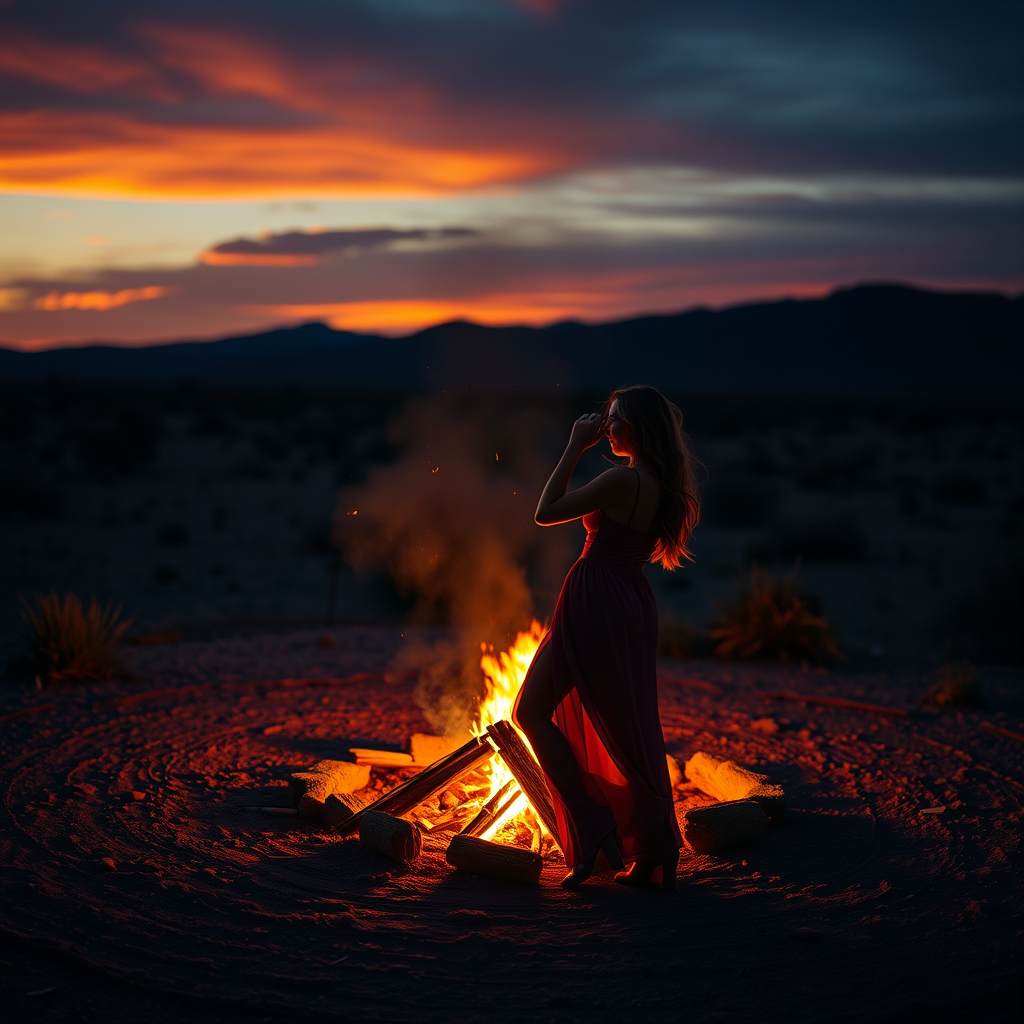
    The spectrum of human desire is vast, yet few colors capture the raw, untamed energy of intense attraction quite like yellow. It is the hue of the sun at its zenith, the warning sign that demands immediate attention, and the visual shorthand for electric excitement. In the realm of the deeply sensual and undeniably sexy, yellow acts as a powerful amplifier, taking simmering heat and turning it into an undeniable blaze. This color choice is not subtle; it is a declaration of intent, signaling a readiness to engage with life—and love—at its most vibrant frequency. We explore how this seemingly bright, cheerful color transforms into a symbol of thrilling danger and irresistible allure.

    The Psychology of the Searing Hue

    Yellow occupies a unique space in color psychology, often associated with optimism and clarity, yet when paired with themes of intense sensuality, it takes on a sharper, more provocative edge. Think of the sudden flash of a strobe light or the neon glow of a late-night venue; these are environments where inhibitions often dissolve, and raw feeling takes precedence. This energetic frequency bypasses the rational mind, speaking directly to the primal centers of excitement and alertness. It is the color of high-octane fuel for the soul, suggesting a relationship or encounter that will be anything but mundane.

    When we talk about fiery sensuality, we are invoking a state of being that is fully alive and unafraid to command the spotlight. Yellow achieves this effortlessly, demanding that the viewer or participant acknowledge the intensity present. It suggests a confidence that borders on recklessness, the kind of self-assuredness that finds attraction in the edge of the precipice. This is not the soft blush of romance; this is the bold, unapologetic statement of immediate, consuming desire, making it a cornerstone for expressing profound, almost dangerous levels of attraction.

    Danger as the Ultimate Aphrodisiac

    The connection between perceived danger and heightened arousal is a well-documented phenomenon in human behavior, and yellow serves as the perfect visual cue for this thrilling tightrope walk. Consider the universal symbolism of yellow warning signs—they signify caution, but also an area of high activity or potential transformation. In the context of desire, this translates to embracing the unknown elements of a passionate connection, the thrill of stepping outside established boundaries. This element of risk is what keeps the experience fresh and intensely memorable.

    The allure of the forbidden, or at least the slightly risky, is deeply woven into the fabric of intense attraction. Yellow captures this perfectly, acting as a visual siren call that promises excitement just beyond the safe zone. It implies a dynamic where power shifts and boundaries are tested, creating an electric tension that fuels the entire interaction. To wear or embrace this color in a sensual context is to invite an encounter that promises to be transformative, perhaps even slightly chaotic, in the most exhilarating way possible. For deeper insights into the interplay between risk and reward in attraction, explore studies on novelty-seeking behavior.

    Illuminating the Shadow Self

    While yellow is often seen as purely external and bright, its intensity can also serve to illuminate the hidden, often darker, aspects of our desires—the parts we usually keep veiled. In the realm of the sensual, this means bringing suppressed fantasies or bolder inclinations into the light, not with shame, but with celebratory confidence. Yellow forces a confrontation with one’s own depth of feeling, demanding authenticity in the expression of desire. It is the spotlight on the stage of the self, revealing every facet, even the ones usually kept in the wings.

    This illumination is crucial for cultivating a truly passionate intensity. Superficial connections rarely sustain the kind of energy that yellow represents. Instead, this hue calls for a deeper dive, an exploration of the core motivations driving attraction. It suggests a willingness to be seen completely, flaws and all, because the energy generated by the connection is powerful enough to overcome any perceived vulnerability. This level of exposure, framed by such a vibrant color, becomes an act of profound intimacy and trust, albeit one charged with undeniable sexual energy. Learn more about the power of vulnerability in relationships here: Psychology Today on Vulnerability.

    The Velocity of Desire: Yellow as Kinetic Energy

    Yellow is inherently kinetic; it suggests movement, speed, and unstoppable momentum. When applied to the sensual experience, this translates to a desire that moves quickly and decisively, leaving no room for hesitation or drawn-out courtship rituals. It embodies the moment when attraction snaps into focus, demanding immediate action. This is the color of the chase, but more importantly, the color of the capture, executed with dazzling speed and precision. It is the visual representation of a spark becoming an inferno in the shortest possible time frame.

    This high-velocity approach to desire is exhilarating because it bypasses the tedious aspects of getting to know someone, diving straight into the core chemistry. It speaks to those who crave immediate, visceral connection, those who understand that the most profound moments often happen when we surrender to the current rather than trying to steer the boat. The energy is infectious, pulling everyone nearby into its orbit, much like the way a bright light draws moths. This concept of immediate chemical reaction is central to understanding sensual energy dynamics. For inspiration on capturing dynamic movement in art, see this resource: Artsy on Dynamic Composition.

    Yellow in the Visual Language of Seduction

    In fashion and visual media, yellow is rarely used as a background player; it insists on being the focal point, and in seduction, demanding attention is half the battle won. A flash of yellow silk, a precisely placed accessory, or even the lighting choice in a private setting can instantly shift the entire mood from passive to aggressively engaging. It cuts through the darkness, much like a flare signaling an emergency—or an invitation. This visual dominance ensures that the wearer or the scene itself becomes the undeniable center of gravity.

    Furthermore, the vibrancy of yellow contrasts beautifully with darker, more traditionally sensual tones like black or deep crimson, creating a visual tension that mirrors the emotional tension of desire. This juxtaposition heightens the impact of both colors, making the yellow elements seem even more electric and the darker elements more mysterious. It’s a sophisticated use of contrast to communicate complexity within a seemingly simple, bright package. This strategic deployment of color is key to mastering the art of visual persuasion in seductive aesthetics. Explore the history of color in fashion here: The Metropolitan Museum of Art on Color.

    The Unfiltered Expression of Joyful Lust

    While we often associate intense desire with brooding or dark themes, yellow reminds us that the most profound forms of lust and passion are often rooted in pure, unadulterated joy and excitement. It is the color of ecstatic pleasure, the unrestrained laughter that accompanies true connection. This isn’t about guilt or secrecy; it’s about celebrating the sheer, wonderful absurdity of being intensely attracted to another person. This element of lightheartedness prevents the intensity from becoming oppressive, keeping the experience buoyant and fun.

    Embracing the yellow aspect of sensuality means allowing oneself to be completely present and uninhibitedly happy in the moment of connection. It’s the feeling of pure, unadulterated bliss when desire is met and reciprocated with equal fervor. This joyful expression of unbridled desire is perhaps the most potent aphrodisiac of all, as it signals a lack of internal conflict and a full embrace of the present experience. It’s a reminder that the sexiest thing a person can be is genuinely thrilled to be exactly where they are, with whom they are with. For more on the connection between joy and attraction, consider this article: PMC on Positive Affect and Attraction.

    The Alchemical Transformation

    Ultimately, the yellow in the context of fiery sensuality acts as an alchemical agent, transforming the mundane into the magnificent. It takes the base metal of everyday interaction and subjects it to intense heat, resulting in something precious and dazzling. This transformation is not just external; it forces an internal shift, pushing individuals past their comfort zones and into realms of heightened experience. It is the catalyst for change, the spark that ignites the entire process of passionate engagement.

    This commitment to transformation—to becoming something brighter, bolder, and more alive through connection—is what makes the yellow-tinged sensual experience so compelling. It promises not just a fleeting moment, but a lasting impression etched in vibrant memory. It is the color of epiphany in the bedroom, the moment clarity strikes amidst the heat. We invite you to explore how embracing this electric energy can redefine your understanding of attraction and intimacy. Discover more about transformative experiences: TED Talk on Shared Experiences.

    Final Thoughts

    The marriage of fire, danger, and the electric brilliance of yellow creates a powerful narrative within the sensual landscape. It is a visual and emotional shorthand for an experience that is immediate, intense, and utterly unforgettable. This hue demands engagement, promising a connection that is both thrillingly risky and profoundly illuminating. By understanding the deep psychological resonance of this vibrant color, we can better appreciate the complex, multi-layered nature of true, fiery sensuality. Embrace the glow, acknowledge the warning, and step into the exhilarating heat that yellow so perfectly embodies.

  • Ancient Earth Rituals: Red, White, and Ecology

    Ancient Earth Rituals: Red, White, and Ecology

    The Primal Palette: Earth Pigments as Ecological Blueprints

    Long before synthetic dyes colored our world, humanity relied on the very ground beneath our feet to express meaning, ritual, and identity. The striking contrast between red and white earth pigments—ochre and kaolin, hematite and chalk—represents more than just ancient aesthetics; it embodies a profound, tangible connection to geological time and local ecology. These raw materials, painstakingly gathered and processed, served as the first language of human visual culture, embedding stories of life, death, and territory directly into the landscape. Understanding these ancient practices offers a vital lens through which to re-examine our modern relationship with natural resources and sustainable community building.

    Ochre’s Deep History: Tracing the Red Thread of Life

    Red ochre, rich in iron oxide, is perhaps the most universally recognized ancient pigment, appearing in cave art from Lascaux to the Australian outback. This vibrant hue was not merely decorative; it often symbolized blood, vitality, and the sacred boundary between the living and the spiritual realms. The acquisition of high-quality ochre required knowledge of specific geological formations, often involving dangerous extraction processes that cemented its value within tribal economies. This deep-seated reverence for the source material contrasts sharply with today’s disposable consumer culture, highlighting a time when every resource held inherent, irreplaceable worth. The chemistry of these pigments tells a story of millennia of weathering and mineral deposition.

    The preparation of red ochre involved grinding and sometimes heating the raw earth to achieve desired shades, a process that demanded communal effort and specialized knowledge passed down through generations. This shared labor fostered strong social bonds centered around the maintenance of cultural memory and ritual practice. When we look at the enduring presence of red earth in funerary rites across continents, we see a consistent human attempt to bridge the physical world with the unseen, using the most fundamental element of the planet—the soil itself. This enduring connection underscores the importance of preserving the landscapes that yield these precious, symbolic materials.

    Kaolin and Chalk: The Purity of White in Ancient Contexts

    White pigments, typically derived from kaolin clay or soft chalk deposits, offered a stark, powerful counterpoint to the intensity of red. Where red often signified action, life force, or danger, white frequently represented purity, transformation, or the spirit world. In many traditions, white body paint was used during rites of passage, signifying a temporary shedding of the old self before re-entering the community in a new status. The very act of seeking out and processing these fine, pale clays speaks to a sophisticated understanding of mineralogy and material science.

    The ecological implications of white pigments are equally significant; kaolin, a soft clay mineral, is often found near hydrothermal alteration zones or weathered igneous rocks, requiring specific geological scouting. Unlike the ubiquitous nature of some iron oxides, finding pristine white clay could be a localized, specialized endeavor, making it a commodity of significant trade value. Modern ecological restoration efforts often focus on stabilizing soil profiles, yet these ancient peoples understood the inherent value in the specific composition of different earth layers, treating them not as undifferentiated dirt but as distinct, powerful substances. Exploring the science behind these ancient colors reveals an unintentional, yet profound, form of early ecological stewardship.

    Ritual, Ecology, and the Shared Landscape

    The ritualistic application of red and white earth was inherently an ecological act because it necessitated a deep, intimate knowledge of the local biome. To know where the best ochre lay, or which clay beds yielded the finest white powder, meant knowing the water tables, the rock outcroppings, and the seasonal changes of the land. This knowledge system was survival; it was also culture. These pigments served as temporary tattoos, transforming the human body into a living canvas reflecting the geology of the immediate surroundings, thereby reinforcing the community’s rootedness.

    This practice stands in direct opposition to contemporary industrial models that prioritize extraction efficiency over environmental impact. When ancient peoples utilized these resources, the scale was sustainable by necessity; they took only what was needed for immediate ritual or artistic expression, allowing the source sites to remain viable for future generations. We can draw powerful parallels between these ancient, localized resource management systems and modern concepts of sustainable community style and localized material sourcing. The ancient earth rituals were, in essence, early forms of ecological accounting, where the cost of the pigment was measured in effort, knowledge, and respect for the source.

    Modern Echoes: Reconnecting Through Materiality

    Today, as we grapple with climate change and the alienation caused by hyper-digitalization, there is a growing hunger to reconnect with tangible, authentic experiences. Artists, designers, and environmental activists are increasingly turning back to natural pigments, seeking the grounding quality inherent in materials sourced directly from the earth. This movement is not mere nostalgia; it is a practical search for resilience and authenticity in our material culture. Using natural earth pigments allows creators to bypass complex, often polluting, industrial supply chains.

    The dialogue between red and white—the dynamic tension between life and spirit, earth and sky—remains a potent symbolic language. Contemporary ecological art often employs these very colors to speak about land degradation or restoration, consciously invoking the weight of ancient meaning. By choosing to work with materials that require time, patience, and respect for their origin, we participate in a continuum of human history that valued the integrity of the source. This conscious choice fosters a deeper sense of ecological awareness and responsibility toward the landscapes that sustain us, moving beyond abstract environmentalism to embodied connection. The Metropolitan Museum of Art holds numerous examples of how these pigments were used across millennia.

    The Future of Pigment: From Sacred Site to Shared Resource

    The challenge for the modern world is how to honor the sacredness of these materials without repeating the mistakes of over-extraction that plague modern mining. If we view the earth’s crust not as an infinite warehouse but as a finite library of colors and textures, our approach must shift toward conservation and minimal impact harvesting. This requires developing new ethical frameworks for sourcing, perhaps establishing community-managed pigment reserves or focusing on utilizing naturally occurring, dispersed materials rather than intensive quarrying.

    The enduring power of red and white lies in their elemental simplicity; they are the building blocks of visual communication before language became codified in text. Reintegrating these primal colors into our modern aesthetic—whether in architecture, fashion, or art—is a way of honoring the deep history of human ingenuity and our inseparable bond with the planet. This reconnection is crucial for fostering a sense of community style that is inherently rooted and responsible. For further reading on the cultural significance of color, consider exploring JSTOR articles on prehistoric art, or look into contemporary artists working with natural dyes like those featured in Smithsonian Magazine.

    Final Thoughts

    The ancient use of red and white earth pigments offers a profound lesson in materiality, sustainability, and cultural continuity. These simple powders connect us directly to the geological processes that shaped our world, reminding us that true wealth lies not in manufactured goods, but in the health and accessibility of our natural environment. By studying these enduring symbols, we gain insight into how past societies managed their most precious resources, providing a necessary blueprint for navigating our own ecological future. Embracing the lessons embedded in these primal palettes can help us cultivate a more mindful, grounded, and aesthetically rich existence, honoring the earth that provides both our sustenance and our inspiration, and fostering a renewed sense of ancestral wisdom.

  • English Ecology: Virtuous Animals Speak Spanish

    English Ecology: Virtuous Animals Speak Spanish

    Where Verdant English Landscapes Meet Iberian Sun: A Cultural Synthesis

    The world is a tapestry woven from countless distinct threads, yet the most vibrant patterns often emerge where these threads intersect and mingle. Consider the unlikely yet beautiful convergence of English ecology—a realm defined by deep, mossy greens, ancient oaks, and the gentle dampness of rolling hills—with the fiery, passionate spirit of Spanish culture. This fusion, which we explore through the lens of virtuous connection, is more than just a geographical curiosity; it is a philosophical statement about shared humanity and the universal language of positive action. We are seeking the harmony between the stoic resilience of the British countryside and the exuberant warmth symbolized by terracotta hues and saffron spice, creating a visual and ethical palette that speaks volumes about mutual respect and flourishing biodiversity.

    The Deep Roots: English Ecology as a Foundation of Virtue

    English ecology, often characterized by its muted, complex greens and rich, dark browns, embodies a quiet, enduring virtue. Think of the ancient woodlands of the New Forest or the meticulously managed hedgerows that crisscross the shires; these landscapes speak of patience, stewardship, and the slow, steady work of nature over centuries. This environment fosters a deep appreciation for subtlety, where the smallest wildflower or the faintest bird call holds significant meaning. The very act of preserving these spaces requires a commitment to long-term thinking, a virtue often overlooked in our fast-paced modern world. This foundational respect for the land sets a powerful stage for any cultural exchange.

    When we translate this ecological ethos into a cultural framework, we find a parallel in the steadfast loyalty and deep-seated traditions valued in English society. The deep greens represent stability and growth, while the earthy browns signify grounding and authenticity. This grounding is crucial because it prevents the vibrant accents of other cultures from becoming superficial; instead, they are rooted in something substantial and enduring. Understanding this ecological baseline allows us to appreciate the depth behind the subsequent infusion of Spanish color and energy, ensuring the resulting synthesis is meaningful rather than merely decorative. It is about honoring the inherent value of established systems while remaining open to enriching additions.

    Saffron and Sylvan: Introducing the Spanish Accent

    The introduction of Spanish vibrancy acts as a necessary counterpoint to the English reserve, injecting necessary warmth and immediate joy into the established palette. Imagine the deep emerald of a shaded English copse suddenly illuminated by the brilliant, almost electric yellow of saffron, or the rich, sun-baked tones of Andalusian terracotta splashed against a grey stone wall. These warm accents—saffron, burnt orange, and vibrant reds—are not just colors; they are expressions of a culture that celebrates life, community, and the immediate sensory experience. This infusion speaks directly to the virtue of openness and the celebration of shared moments, contrasting beautifully with the more introspective nature of the English landscape.

    This cultural blending highlights the virtue of active engagement. Where English ecology might suggest quiet contemplation, the Spanish influence demands participation—the lively conversation, the shared meal under the sun, the passionate expression of feeling. This dynamic tension between quiet stewardship and vibrant celebration creates a richer, more holistic approach to living well. We see this reflected in the concept of sustainable community, where the long-term planning of the English model is energized by the immediate, relational focus of the Spanish ethos. This synthesis suggests that true virtue lies not just in preserving what is old, but in actively sharing and enjoying what is new and vibrant.

    The Virtuous Language of Connection

    The core theme uniting these two seemingly disparate worlds is the virtue of connection—the recognition that all things, ecological and cultural, thrive through interaction. In ecology, this is the intricate web of interdependence; in culture, it is the bond between people. When we speak of “virtuous animals” in this context, we are referring to the inherent, unforced goodness found when systems are allowed to connect naturally and respectfully. This is where the English dedication to ecological balance meets the Spanish emphasis on strong social bonds. The resulting connection is powerful, fostering resilience in both natural systems and human relationships.

    To foster this connection, we must actively seek out shared ground, moving beyond superficial differences. For instance, the Spanish tradition of long, communal meals mirrors the ecological necessity of nutrient cycling—nothing is wasted, and everything contributes to the whole. This shared principle of holistic contribution is a powerful tool for building bridges. We can learn much from studying how different cultures approach stewardship, whether it is the careful management of water resources in arid Spanish regions or the protection of ancient hedgerows in the UK. Exploring these parallels deepens our understanding of ecological stewardship across borders. For further reading on cross-cultural environmental ethics, one might explore the work done by organizations like the European Environment Agency at https://www.eea.europa.eu.

    Designing for Harmony: The Blended Aesthetic

    The aesthetic outcome of blending deep greens and browns with terracotta and saffron is a design philosophy centered on balanced energy. It is a visual representation of the virtuous cycle: stability supports vibrancy, and vibrancy energizes stability. This is not about creating a jarring contrast but achieving a sophisticated dialogue between the cool and the warm, the ancient and the immediate. Imagine a garden where the deep, cool shade of a yew hedge frames a sun-drenched patio paved with warm, rustic tiles.

    This aesthetic choice directly supports the concept of cultural integration. When we design our spaces, both physical and conceptual, to honor these dualities, we create environments that are both restful and stimulating. The deep greens provide the necessary visual anchor, preventing the warmer tones from becoming overwhelming, while the saffron and terracotta ensure the overall feeling remains inviting and alive. This careful calibration is essential for fostering genuine cross-cultural understanding, moving past token gestures toward true, deep-seated appreciation for diverse perspectives. This approach is vital for modern global citizenship, demanding that we look for the underlying structures that support beauty everywhere, such as the principles outlined by the UNESCO World Heritage Centre regarding cultural landscapes at https://whc.unesco.org/en/list/.

    The Practical Application of Virtuous Exchange

    Moving beyond aesthetics, the practical application of this English-Spanish synthesis lies in embracing bi-cultural learning. How can the meticulous, long-term planning inherent in English conservation efforts be injected with the immediate, community-driven passion often seen in Spanish local initiatives? The answer lies in structured, respectful exchange. For example, a project focused on urban greening could benefit immensely from the English expertise in native planting schemes combined with the Spanish flair for creating vibrant, accessible public squares that encourage daily social interaction.

    This exchange is fundamentally about recognizing the inherent value in different approaches to life and nature. The virtue here is humility—the willingness to admit that one’s own cultural lens is incomplete. By adopting the Spanish emphasis on convivencia (harmonious living together) within the framework of English ecological responsibility, we create a robust model for the future. This model champions regenerative living, ensuring that our actions today support both the long-term health of the planet and the immediate well-being of our communities. We must actively seek out these intersections, perhaps by supporting initiatives that promote sustainable agriculture blending northern European techniques with Mediterranean biodiversity, like those found at https://www.fao.org/home/en/.

    Final Thoughts

    The convergence of English ecology and Spanish warmth offers a powerful metaphor for achieving global harmony. It teaches us that true virtue is found not in isolation, but in the courageous, colorful act of connection. By blending the deep, grounding stability of the green and brown landscape with the bright, life-affirming energy of saffron and terracotta, we create a richer, more resilient whole. This synthesis is a blueprint for how diverse elements can coexist beautifully, supporting one another in a continuous, virtuous cycle of growth and celebration. Let us embrace this palette of understanding, recognizing that the most vibrant life emerges when we allow the quiet strength of one tradition to be illuminated by the passionate spirit of another.