Navigating the Gray Areas of Global Conflict Through a Refined Ethical Lens
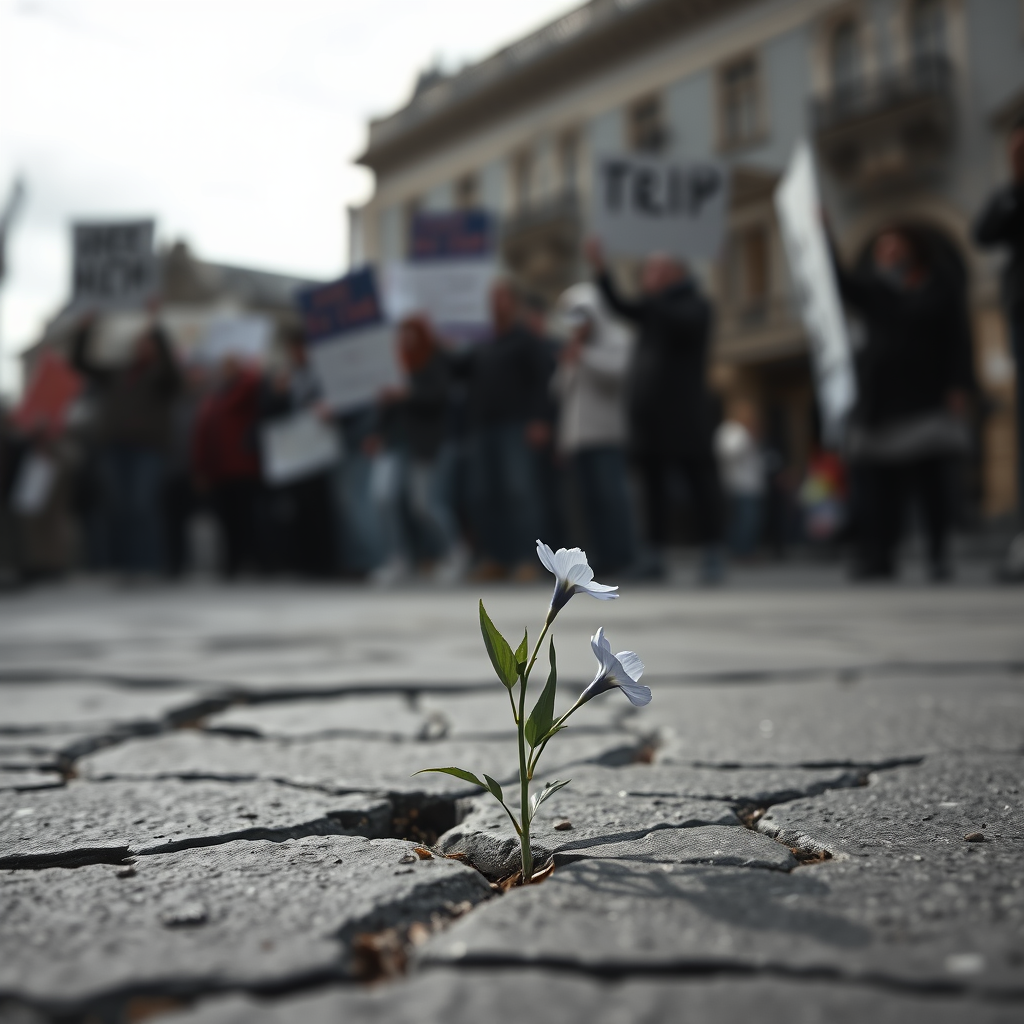
In the modern era of digital journalism, the act of documenting civil unrest has evolved from a simple observational task into a complex ethical minefield. When cameras capture the raw intensity of protests, the resulting imagery often forces a binary narrative upon the viewer, stripping away the intricate context that defines these movements. The violet tag, a metaphorical bridge between the stark black-and-white nature of traditional reporting and the nuanced spectrum of human experience, represents the necessity for a more sophisticated approach to storytelling. By embracing this middle ground, journalists can move beyond the surface-level spectacle of conflict to uncover the underlying motivations and systemic grievances that drive populations to the streets. This shift in perspective is not merely an aesthetic choice but a fundamental requirement for maintaining the integrity of objective journalism in an increasingly polarized global landscape.
The Dichotomy of Visual Representation
The history of photojournalism is replete with images that define eras, yet these snapshots often suffer from the limitations of their own medium. When a photographer captures a clash between demonstrators and authorities, the resulting image is frequently reduced to a struggle between two opposing forces, leaving little room for the complex socio-political realities that precipitated the event. This reductionist approach creates a false sense of clarity, leading audiences to believe that every conflict can be neatly categorized into heroes and villains. Such visual shorthand, while powerful, often obscures the truth and prevents the public from engaging with the deeper, more uncomfortable questions that civil unrest inevitably raises.
To combat this, reporters must adopt a more holistic view that acknowledges the limitations of the frame. By incorporating the violet tag philosophy, journalists can signal to their audience that the story being told is part of a much larger, more colorful spectrum of human struggle. This involves seeking out the quiet moments amidst the chaos, the personal stories of those on the front lines, and the historical context that explains why a particular protest has erupted at this specific moment. When we prioritize depth over drama, we provide our readers with the tools they need to understand the world as it truly is, rather than how it appears through a narrow, high-contrast lens. For further reading on the evolution of visual storytelling, consider exploring the resources provided by the Nieman Journalism Lab, which offers deep insights into the changing nature of media ethics.
The Ethical Imperative of Contextual Reporting
Reporting on global civil unrest requires a commitment to ethical storytelling that transcends the immediate need for sensational headlines. When journalists enter a volatile environment, they carry the weight of their subjects’ lives and reputations, making the accuracy of their reporting a matter of profound moral consequence. The violet tag serves as a reminder that every action taken in the field—from the angle of a shot to the choice of words in a caption—carries a specific ethical charge. By consciously choosing to highlight the nuances of a situation, reporters can avoid the pitfalls of bias and ensure that their work contributes to a more informed public discourse.
This ethical framework must be applied consistently, regardless of the political or social stakes involved in the protest. It is easy to fall into the trap of aligning with a specific narrative, especially when the emotions of the crowd are palpable and the stakes are high. However, the true test of a journalist’s integrity lies in their ability to remain detached yet empathetic, providing a balanced account that respects the complexity of the situation. By maintaining this distance, reporters can act as conduits for truth rather than participants in the conflict, ultimately fostering a more nuanced understanding of the global issues that shape our collective future. For a comprehensive guide on maintaining professional standards in difficult environments, visit the Society of Professional Journalists code of ethics.
Bridging the Gap Between Spectacle and Substance
The modern news cycle is driven by the constant demand for immediate, high-impact content, which often comes at the expense of substance. In the context of civil unrest, this pressure can lead to the commodification of suffering, where the most dramatic images are prioritized over those that offer genuine insight. The violet tag acts as a corrective mechanism, encouraging editors and reporters to seek out stories that bridge the gap between the spectacle of the protest and the substance of the underlying grievances. This requires a willingness to slow down, to listen to the voices that are often drowned out by the noise of the crowd, and to present a narrative that honors the humanity of all involved.
By focusing on the human element, journalists can transform their reporting from a mere record of events into a powerful tool for social change. This involves documenting the personal motivations of protesters, the challenges faced by those in power, and the long-term impact of the unrest on the local community. When we shift our focus in this way, we move beyond the black-and-white binary and into the vibrant, complex reality of human experience. This approach not only enhances the quality of our reporting but also builds trust with our audience, who are increasingly looking for depth and authenticity in an era of misinformation and superficial news coverage. Understanding the impact of media on public perception is crucial, and you can learn more about this through the Poynter Institute.
The Future of Journalism in a Polarized World
As we look toward the future, the role of the journalist in documenting global civil unrest will only become more critical. With the rise of social media and the democratization of content creation, the traditional gatekeepers of information are being challenged, making the need for rigorous, ethical reporting more important than ever. The violet tag philosophy provides a roadmap for navigating this new landscape, emphasizing the importance of critical thinking, empathy, and a commitment to the truth. By embracing this approach, journalists can continue to play a vital role in shaping the public’s understanding of the world, even in the face of unprecedented challenges.
Ultimately, the goal of responsible journalism is to provide a clear, accurate, and nuanced account of the events that define our time. By moving beyond the simplistic narratives that often dominate the news, we can create a more informed and engaged citizenry that is capable of navigating the complexities of the modern world. The violet tag is not just a symbol; it is a call to action for all those who believe in the power of the press to hold power to account and to give voice to the voiceless. As we move forward, let us remain committed to the pursuit of truth, the practice of empathy, and the unwavering belief that a more nuanced understanding of our world is the key to a more just and equitable future for all.
Final Thoughts
The journey toward more ethical and nuanced reporting on global civil unrest is an ongoing process that requires constant vigilance and self-reflection. By integrating the principles of balanced reporting and human-centric storytelling, we can ensure that our work remains relevant and impactful in an ever-changing media landscape. The violet tag serves as a constant reminder that the truth is rarely found in the extremes, but rather in the rich, complex spectrum that lies between them. As we continue to document the struggles and triumphs of people around the world, let us do so with the care, precision, and integrity that this important work demands.