Tag: violet

colour

  • The Puritan Power Struggle: Red, Violet, and Digital Control

    The Puritan Power Struggle: Red, Violet, and Digital Control

    When the Echoes of Salem Meet the Algorithms of Silicon Valley

    History has a peculiar way of repeating itself, not through identical events, but through the recurring patterns of human control and societal friction. We find ourselves standing at a precipice where the rigid, moralistic frameworks of the past collide with the fluid, often chaotic nature of our digital existence. The stark red of political volatility and civil unrest serves as a modern-day scarlet letter, marking those who dare to deviate from the prevailing narrative of the day. Meanwhile, the emergence of violet hues in our cultural discourse represents a strange, synthetic bridge between the traditional power structures of old and the cold, calculated influence of the digital future. As we navigate this complex landscape, we must ask ourselves whether we are truly progressing or simply refining the mechanisms of our own confinement.

    The Crimson Tide of Modern Volatility

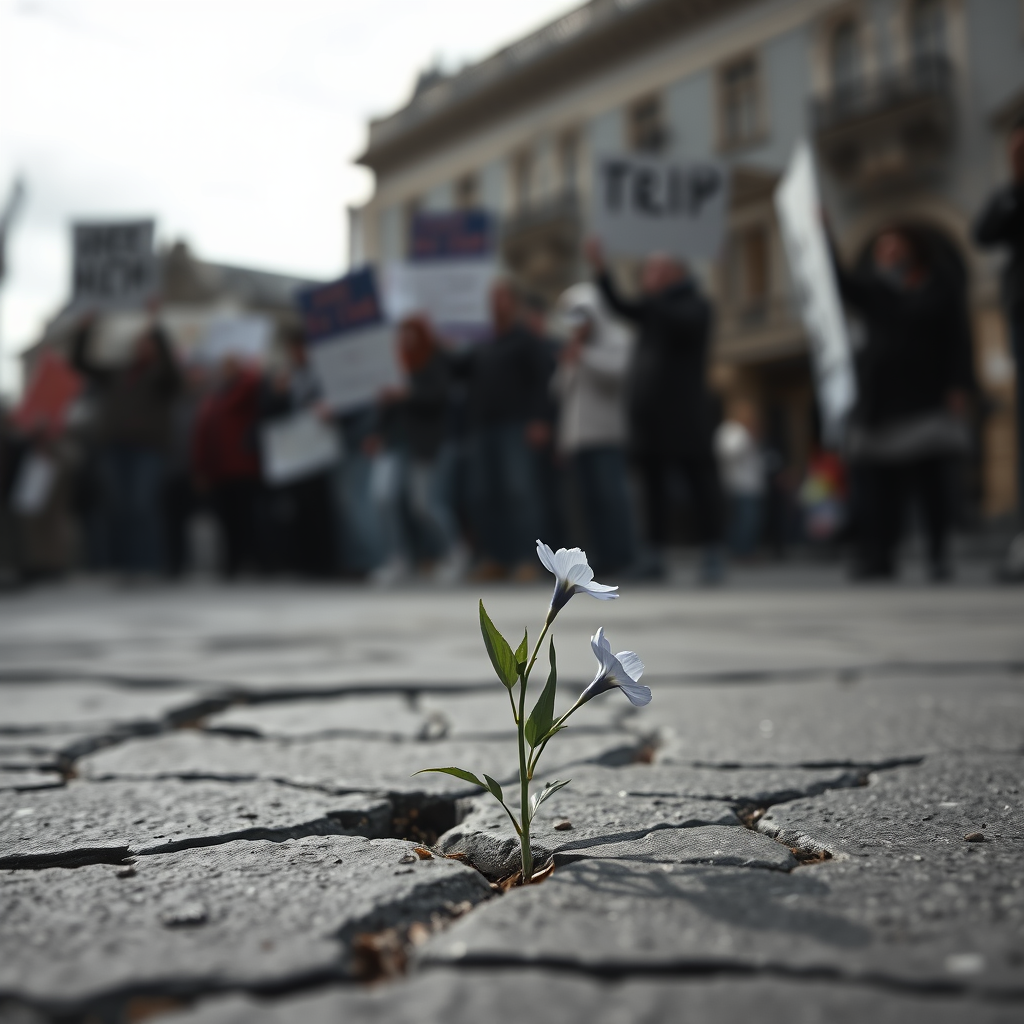
    The color red has long been associated with the raw, unfiltered energy of revolution and the visceral reality of conflict. In our current era, this hue manifests in the streets as rioters and political factions clash over the fundamental definitions of truth and justice. Much like the historical puritanical obsession with public displays of morality, today’s political theater demands a performative adherence to specific ideologies. When the social fabric begins to fray, the instinctual response is often to paint the opposition in the most alarming shades of danger, effectively silencing dissent through the threat of social ostracization. This volatility is not merely a byproduct of disagreement but a deliberate tool used to maintain a state of constant, high-stakes tension that keeps the populace perpetually reactive.

    We see this dynamic play out in the way information is weaponized to incite fervor rather than foster understanding. The political conflict that defines our news cycles is carefully curated to ensure that the red of anger remains the dominant color in our collective consciousness. By focusing on the most extreme elements of any movement, those in power can justify the implementation of stricter controls and more invasive surveillance measures. It is a cycle that feeds on itself, where the fear of the other becomes the primary driver of policy and social interaction. To understand the depth of this manipulation, one might look at the historical analysis of mass hysteria provided by The Smithsonian Magazine, which details how fear can be manufactured to consolidate authority.

    The Violet Bridge to Digital Hegemony

    If red represents the chaotic energy of the masses, violet serves as the bridge to a more calculated, technological form of governance. This color sits at the intersection of the traditional power of the pulpit and the modern influence of the algorithm, blending the old-world desire for moral purity with the new-world demand for data-driven conformity. The digital control exerted by modern platforms is not unlike the watchful eye of a puritan elder, constantly monitoring behavior for signs of deviation from the established norm. By digitizing our social interactions, these systems have created a panopticon where the fear of being flagged or de-platformed acts as a powerful deterrent against non-conformity. The violet hue represents this synthesis, a cooling of the red heat into a controlled, manageable spectrum of digital compliance.

    The transition from physical enforcement to digital nudging marks a significant shift in how power is exercised in the twenty-first century. We are no longer just subject to the laws of the land, but to the invisible, proprietary rules of the platforms that host our lives. This technological influence is pervasive, shaping our preferences, our political leanings, and even our perception of reality itself. As noted in recent studies on the impact of social media algorithms, the architecture of these platforms is designed to maximize engagement, often at the expense of nuance and truth. You can explore more about the psychological underpinnings of these systems through resources like Wired, which frequently covers the intersection of tech and human behavior.

    Puritan Values in a Silicon Age

    It is a mistake to assume that the puritanical impulse died with the seventeenth century; it has merely migrated into the digital realm. The modern obsession with purity tests, cancel culture, and the policing of language mirrors the rigid social hierarchies of early colonial settlements. In this new environment, the traditional power structures have been replaced by a decentralized network of influencers and moderators who enforce a new kind of orthodoxy. The goal remains the same: to define the boundaries of acceptable thought and to punish those who cross them. This digital puritanism is perhaps more dangerous than its historical predecessor because it is integrated into the very tools we use to communicate, work, and organize our lives.

    The irony of our current situation is that we believe ourselves to be more enlightened than our ancestors, yet we are just as susceptible to the allure of moral certainty. We seek out echo chambers that reinforce our existing beliefs, effectively creating digital congregations where dissent is treated as heresy. This behavior is not an accident but a feature of the systems we inhabit, which are optimized to keep us within our comfort zones. By understanding the historical roots of these impulses, we can begin to see how our modern digital lives are being shaped by forces that are far older than the internet itself. The struggle for autonomy in this environment requires a conscious effort to step outside the prescribed narratives and engage with the world in a more authentic, less mediated way.

    The Architecture of Compliance

    At the heart of this power struggle lies the architecture of the platforms themselves, which are built to facilitate control under the guise of convenience. Every click, every like, and every share is a data point that feeds the machine, allowing for more precise targeting and more effective manipulation. This modern influence is subtle, often operating below the level of conscious awareness, yet it is profoundly effective at shaping our collective behavior. When we consider the implications of this, we must confront the reality that our digital freedom is largely an illusion, constrained by the parameters set by those who own the infrastructure. The violet light of the screen is the modern equivalent of the flickering candle in a dark meeting house, illuminating only what the authorities want us to see.

    To break free from this cycle, we must first recognize the mechanisms of control that are being deployed against us. This involves a critical examination of the platforms we use and the ways in which they influence our decision-making processes. It also requires a commitment to intellectual independence, even when it is uncomfortable or unpopular. By fostering spaces that are not governed by the algorithms of the major tech giants, we can begin to reclaim our agency and build a more resilient form of community. The challenge is immense, but the alternative is a future where our thoughts and actions are entirely dictated by the digital systems we have allowed to become our masters.

    Final Thoughts

    The struggle between the red of volatility and the violet of digital control is the defining conflict of our time. We are caught between the raw, often destructive energy of our own political divisions and the cold, calculated influence of the technological systems that govern our lives. To navigate this landscape, we must look beyond the surface-level narratives and understand the deeper historical and structural forces at play. Only by reclaiming our autonomy and refusing to be defined by the algorithms can we hope to forge a path that is truly our own. The future is not yet written, but it will be determined by our ability to see through the illusions and act with clarity and purpose in an increasingly complex world.

  • Red Velvet Secrets: A Parisian Tragedy of Power and Desire

    Red Velvet Secrets: A Parisian Tragedy of Power and Desire

    Unveiling the Crimson Veil of Parisian Ambition

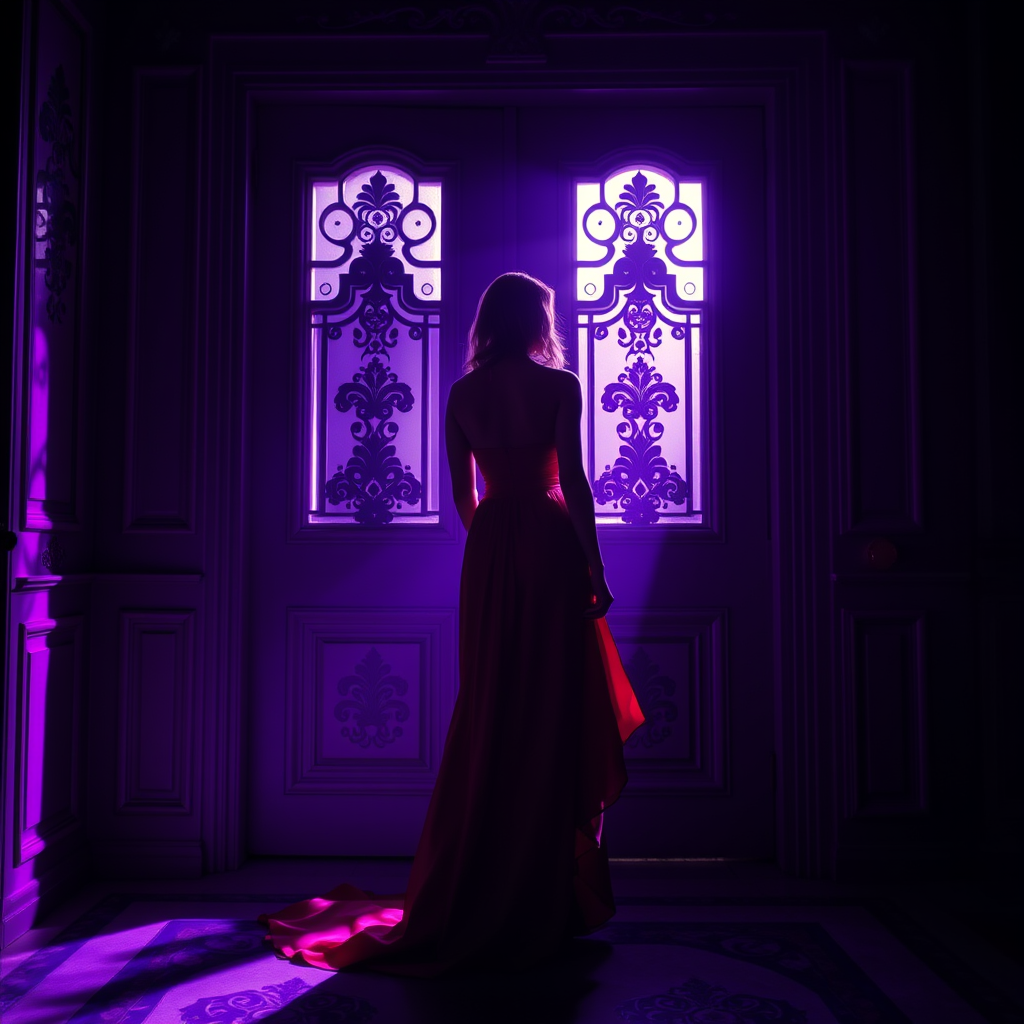
    The streets of Paris have long whispered tales of grandeur, but beneath the gilded surface of the city of light lies a narrative steeped in the visceral intensity of red velvet and the haunting shadows of violet. This story is not merely one of aesthetic beauty, but a complex exploration of the power dynamics that govern the elite circles of high society. As we peel back the layers of this Parisian tragedy, we find that desire is often the catalyst for an inevitable downfall. The interplay between the warmth of passion and the cold, calculated reach for influence creates a tension that is as intoxicating as it is dangerous. To understand this narrative, one must look beyond the surface and embrace the darker, more enigmatic elements that define the human condition in its most desperate moments.

    The Chromatic Language of Desire

    In the visual lexicon of this narrative, the deep red of velvet serves as the primary signifier of raw, unadulterated passion. It is a color that demands attention, pulling the viewer into a space where boundaries are blurred and inhibitions are discarded in favor of immediate gratification. This sensual campaign is meticulously crafted to evoke a sense of urgency, mirroring the frantic heartbeat of those who chase power at any cost. The texture of the fabric itself, soft yet heavy, suggests a luxury that is both comforting and suffocating, much like the relationships that drive the plot forward.

    When we examine the historical context of such imagery, we see how color has always been used to manipulate perception and dictate social standing. The red velvet is not just a backdrop; it is a character in its own right, witnessing the clandestine meetings and the whispered betrayals that occur behind closed doors. By analyzing the psychological impact of these hues, we can better appreciate the depth of the tragedy that unfolds. For those interested in the history of color theory in art, the Tate Museum provides an excellent overview of how pigments influence emotional responses. This foundational knowledge allows us to see the red velvet not as a mere prop, but as a deliberate choice to heighten the stakes of the narrative.

    Violet Accents and the Weight of Tragedy

    While red commands the stage, the subtle introduction of violet accents signals the presence of an underlying sorrow that cannot be ignored. Violet, often associated with royalty and mystery, here represents the inevitable decay that follows the pursuit of unchecked ambition. It is the color of the twilight hour, the moment when the day’s light fades and the true nature of one’s actions is laid bare. These accents serve as a reminder that every gain in power is balanced by a corresponding loss of innocence or moral integrity.

    The juxtaposition of these two colors creates a visual dissonance that mirrors the internal conflict of the protagonists. They are caught in a cycle of wanting more while fearing the consequences of their reach, a classic trope in the Parisian tragedy genre. As the story progresses, the violet tones become more prominent, signaling the encroaching darkness that will eventually consume the characters. This transition is essential for maintaining the narrative arc, ensuring that the audience feels the weight of the tragedy as it builds toward its climax. For a deeper dive into the symbolism of violet in literature, one might consult the Encyclopedia Britannica entry on literary symbolism to understand how these motifs have been utilized throughout history.

    The Architecture of Power Dynamics

    Power in this Parisian setting is never static; it is a fluid, shifting entity that requires constant vigilance to maintain. The characters navigate a labyrinth of social expectations and hidden agendas, where a single misstep can lead to total ruin. This mysterious power is not derived from wealth alone, but from the ability to control the narrative and influence the perceptions of others. The red velvet rooms become the stage for these high-stakes maneuvers, where every gesture is calculated and every word is a weapon.

    The tragedy lies in the fact that the characters are so focused on their ascent that they fail to see the structural weaknesses in their own foundations. They are blinded by the allure of their own success, ignoring the warning signs that are woven into the very fabric of their environment. This blindness is a central theme, highlighting the hubris that often accompanies great influence. By examining the sociological aspects of power, we can see how these fictional dynamics reflect real-world struggles for dominance. It is a cautionary tale that reminds us that the higher one climbs, the more devastating the fall becomes when the velvet curtain finally drops.

    The Aesthetic of the Inevitable

    The visual aesthetic of this narrative is designed to be immersive, drawing the audience into a world that feels both timeless and fleeting. Every detail, from the lighting to the costume design, is intended to reinforce the themes of desire and tragedy. The use of shadow and light creates a sense of depth, suggesting that there is always more to the story than what is immediately visible. This narrative depth is what keeps the audience engaged, as they are constantly invited to look closer and question the motivations of the characters.

    As the tragedy reaches its peak, the aesthetic choices become even more pronounced, with the red and violet hues blending into a chaotic tapestry of emotion. This visual climax is necessary to convey the intensity of the final act, where the consequences of the characters’ choices are fully realized. It is a masterclass in visual storytelling, proving that color can be just as effective as dialogue in conveying complex themes. For those interested in the intersection of fashion and narrative, Vogue offers insights into how visual storytelling shapes our understanding of luxury and tragedy. This connection between the physical world and the abstract narrative is what makes the story so compelling and enduring.

    Final Thoughts

    The story of the red velvet and the violet shadows is a timeless exploration of the human heart and its capacity for both greatness and destruction. It serves as a stark reminder that the pursuit of desire, when untethered from morality, inevitably leads to a tragic end. By understanding the symbolism and the power dynamics at play, we gain a deeper appreciation for the complexity of the narrative and the lessons it offers. Ultimately, the tragedy is not just about the characters, but about the universal struggle to find meaning in a world that is as beautiful as it is cruel. We are left to ponder the secrets hidden within the velvet, knowing that some truths are better left in the shadows of the Parisian night.

  • Supreme Power: Black Female Excellence in the Violet Marathon

    Supreme Power: Black Female Excellence in the Violet Marathon

    Beyond the Finish Line: Redefining the Marathon of Modern Existence

    The marathon of life is rarely a linear path, especially for Black women who navigate the complex intersections of systemic barriers and personal ambition. When we visualize this journey through the lens of violet, we are not merely looking at a color, but at a profound synthesis of royalty, spiritual depth, and unyielding power. This hue represents the convergence of the calm, steady blue of endurance and the fiery, passionate red of revolutionary action. For Black women, excellence is not a destination reached after a single race, but a continuous state of being that demands resilience, grace, and an unwavering commitment to self-actualization. By framing the Black female experience as a supreme force, we acknowledge that every step taken in the face of adversity is a testament to a legacy of strength that spans generations.

    The Royal Hue of Resilience

    Violet has historically been associated with the elite, the regal, and the divine, yet its application to the Black female experience serves as a reclamation of space. In a society that often attempts to diminish the brilliance of Black women, choosing to wear the mantle of violet is an act of radical self-assertion. It signifies that one does not need permission to occupy the throne of their own life, nor do they need validation to recognize their inherent worth. This Black female excellence is not defined by external accolades or the approval of institutions, but by the internal fortitude required to thrive in environments that were never designed for their success.

    When we examine the history of Black women in leadership, we see a consistent thread of regal composure maintained under immense pressure. Whether in the boardroom, the laboratory, or the community center, the ability to lead with both empathy and authority is a hallmark of this excellence. By embracing the symbolism of violet, Black women are signaling that their presence is not just a contribution, but a command of the space they inhabit. This is the essence of royalty in the modern age, where the crown is forged through the fires of experience and the velvet of wisdom. You can learn more about the historical significance of color and power through resources like Britannica’s guide to the history of purple, which highlights how this color has long been a marker of status and influence.

    Navigating the Marathon of Societal Paradigms

    The marathon metaphor is particularly apt because it implies a long-distance commitment that requires pacing, strategy, and mental toughness. Black women are often expected to run this race at a sprint, constantly proving their value while managing the weight of societal expectations. However, the true power lies in the ability to set one’s own pace and define the parameters of the race itself. This involves a strategic navigation of professional and personal landscapes, where the goal is not just to finish, but to finish with one’s integrity and spirit intact. It is about recognizing that the marathon is not against others, but a journey of continuous evolution.

    To sustain this level of performance, one must cultivate a deep sense of community and mentorship. No one runs a marathon in total isolation, and the most successful Black women are those who build networks of support that uplift and sustain them. By sharing knowledge, resources, and encouragement, these women create a collective power dynamic that challenges the status quo and paves the way for future generations. This collaborative approach is essential for dismantling the barriers that seek to isolate and exhaust, ensuring that the marathon remains a sustainable pursuit for all who follow. For further inspiration on the importance of community in professional growth, consider reading insights from Harvard Business Review on the power of the Black female network.

    The Intersection of Spirituality and Strategy

    The violet spectrum is often linked to the crown chakra, representing a connection to higher consciousness and intuitive wisdom. For many Black women, this spiritual grounding is the secret weapon that allows them to remain centered amidst the chaos of modern life. It is the ability to listen to one’s inner voice, even when the external world is screaming for conformity. This intuitive strategy is what allows for the pivot, the breakthrough, and the innovation that defines true excellence. It is a recognition that the mind and the spirit must work in tandem to achieve lasting impact.

    Strategic thinking, when paired with this spiritual depth, becomes an unstoppable force. It allows for the anticipation of obstacles and the creative problem-solving required to overcome them. When a Black woman approaches her career or her creative endeavors with this dual focus, she is not just reacting to her environment; she is actively shaping it. This is the manifestation of supreme power, where the internal state dictates the external reality. By prioritizing mental and spiritual well-being, one ensures that the marathon is not just a test of endurance, but a journey of profound personal discovery and growth.

    Sustaining the Momentum of Excellence

    Maintaining excellence over the long term requires a commitment to rest, reflection, and rejuvenation. The marathon is not won by those who burn out, but by those who understand the necessity of recovery. In a culture that glorifies the grind, choosing to prioritize one’s health and peace is a revolutionary act. It is a declaration that the vessel of one’s talent is just as important as the output itself. By integrating periods of stillness into the race, Black women can ensure that their brilliance continues to shine brightly, undimmed by the fatigue of the journey.

    Furthermore, the legacy of this excellence is found in the stories we tell and the paths we clear for others. Every Black woman who reaches a milestone is a beacon for those coming up behind her, proving that the marathon is winnable and that the finish line is worth the effort. This transformative leadership is about more than just personal success; it is about shifting the culture so that the next generation does not have to run as hard to achieve the same results. By documenting these journeys and celebrating these wins, we solidify the place of Black women in the annals of history as the architects of their own destiny. For more on the importance of self-care as a form of resistance, explore the work of Audre Lorde, whose writings continue to inspire generations of women to prioritize their own well-being.

    Final Thoughts

    The journey of the Black woman is a marathon of unparalleled significance, characterized by a unique blend of grace, grit, and regal power. By embracing the symbolism of violet, we acknowledge the depth of this experience and the supreme nature of the excellence it produces. As we continue to navigate the complexities of modern society, let us remember that our power is not something to be earned, but something to be claimed and cultivated. The marathon continues, but with every step, we redefine what it means to be a force of nature, a leader, and a visionary. May we all continue to run with purpose, supported by the strength of our ancestors and the promise of our own limitless potential.

  • The Danger of Dull AI: Finding Royalty in Static

    The Danger of Dull AI: Finding Royalty in Static

    Beyond the Algorithm: Elevating Machine Output to Regal Standards

    In the rapidly expanding digital landscape, the proliferation of automated text has created a sea of uniformity that threatens to drown out genuine human creativity. We find ourselves trapped in a cycle of predictable syntax and hollow insights, where the sheer volume of content masks a profound lack of substance. This phenomenon, which we might call the danger of dull AI, represents a critical juncture for content creators who refuse to settle for mediocrity. By embracing a sophisticated violet and white aesthetic, we can visualize the ethereal, high-tech nature of our tools while demanding a higher standard of output that transcends the static limitations of raw data processing.

    The Architecture of Static Mediocrity

    The primary issue with contemporary automated generation is its inherent reliance on probability rather than purpose. When an engine predicts the next word based on vast datasets, it naturally gravitates toward the average, resulting in prose that is technically correct but emotionally vacant. This generative AI landscape often feels like a sterile laboratory, devoid of the messy, vibrant nuances that define human experience and storytelling. Without a deliberate intervention, the output remains trapped in a loop of recycled ideas that offer no real value to the discerning reader.

    To move beyond this, we must recognize that static data is merely the raw material, not the finished product. Much like a sculptor working with marble, the writer must chip away at the excess to reveal the form hidden within the stone. If we treat these tools as final authorities rather than assistants, we surrender our unique voice to the machine. The danger lies not in the technology itself, but in our willingness to accept its first draft as the final word on any given subject.

    Infusing the Violet and White Aesthetic

    Visualizing our content strategy through the lens of a violet and white palette allows us to conceptualize the ethereal nature of high-tech creation. Violet represents the intersection of the digital and the divine, a color of royalty and wisdom that demands attention in a crowded feed. White serves as the canvas, the necessary space that allows ideas to breathe and prevents the cognitive overload associated with dense, uninspired text. By applying this aesthetic philosophy to our writing, we prioritize clarity, elegance, and a sense of elevated purpose that separates our work from the noise.

    This approach requires a shift in how we prompt and refine our digital partners. Instead of asking for generic summaries, we must demand a tone that reflects the sophistication of our brand identity. We should treat our content strategy as a curated exhibition where every sentence is placed with intention and every paragraph serves a specific function. By maintaining this high-tech, ethereal standard, we ensure that our output feels less like a product of a cold machine and more like a refined piece of digital craftsmanship.

    The Alchemy of Transforming Data

    The true power of modern technology lies in its ability to process vast amounts of information, but the magic happens when that information is synthesized into something meaningful. We must act as the alchemists of the digital age, taking the leaden, static facts provided by algorithms and transmuting them into gold. This process involves injecting personal anecdotes, challenging conventional wisdom, and weaving in complex emotional arcs that a machine cannot replicate on its own. You can learn more about the evolution of these tools by visiting OpenAI’s research insights to understand the underlying mechanics of language models.

    When we successfully transform raw data, we create a bridge between the cold logic of the machine and the warm, beating heart of the audience. This is where the concept of royalty comes into play; our content should command respect through its depth and its refusal to cater to the lowest common denominator. It is not enough to be informative; we must be transformative. By focusing on the human element, we ensure that our work resonates on a level that static, automated text simply cannot reach, effectively future-proofing our brand against the tide of generic content.

    Navigating the Risks of Automated Uniformity

    The danger of dull AI is not just a matter of poor style; it is a strategic risk that can erode trust with your audience. When readers encounter repetitive, predictable patterns, they quickly disengage, sensing that the content was produced without care or human oversight. This leads to a decline in authority and a loss of the unique perspective that makes a brand valuable in the first place. Maintaining a brand voice that is distinct and authoritative is more important now than ever before, as the barrier to entry for content creation continues to drop.

    To mitigate these risks, we must implement rigorous editorial standards that prioritize human intuition over machine efficiency. This means spending more time on the editing process than on the generation process itself, ensuring that every claim is verified and every metaphor is original. We should look to industry leaders who are successfully navigating this transition, such as those discussed in Content Marketing Institute resources, to see how they balance automation with human expertise. By treating our content as a premium asset, we protect our reputation and ensure that our message remains clear, compelling, and undeniably human.

    The Future of Regal Content Creation

    As we look toward the future, the distinction between high-quality human-led content and low-quality automated content will become increasingly stark. The winners in this new era will be those who master the art of collaboration, using technology to enhance their reach while maintaining an iron grip on their creative vision. We must strive for a level of excellence that feels regal, standing tall above the static noise of the internet. This digital transformation is not about replacing the writer, but about empowering the writer to reach new heights of influence and impact.

    Ultimately, the goal is to create a body of work that stands the test of time, regardless of the tools used to produce it. By embracing the ethereal, high-tech nature of our era while grounding our work in the timeless principles of storytelling and truth, we can avoid the trap of dullness. We must remain vigilant, curious, and committed to the idea that content is a reflection of our values. Let us move forward with the confidence that our unique human perspective is the most valuable commodity in the digital economy, and that with the right approach, we can turn even the most static data into a masterpiece of royal quality.

    Final Thoughts

    The journey from static data to vibrant, royal-quality content is a path of constant refinement and intentionality. By rejecting the temptation of the easy, automated path, we preserve the integrity of our message and the loyalty of our audience. Remember that your creative process is the ultimate differentiator in a world saturated with machine-generated noise. Stay focused on the violet and white vision of clarity and elegance, and you will find that your work not only survives the rise of the machines but thrives in the new digital landscape.

  • Unpopular Violet Explosions in the Night

    Unpopular Violet Explosions in the Night

    When the Darkness Bursts into Unforeseen Color

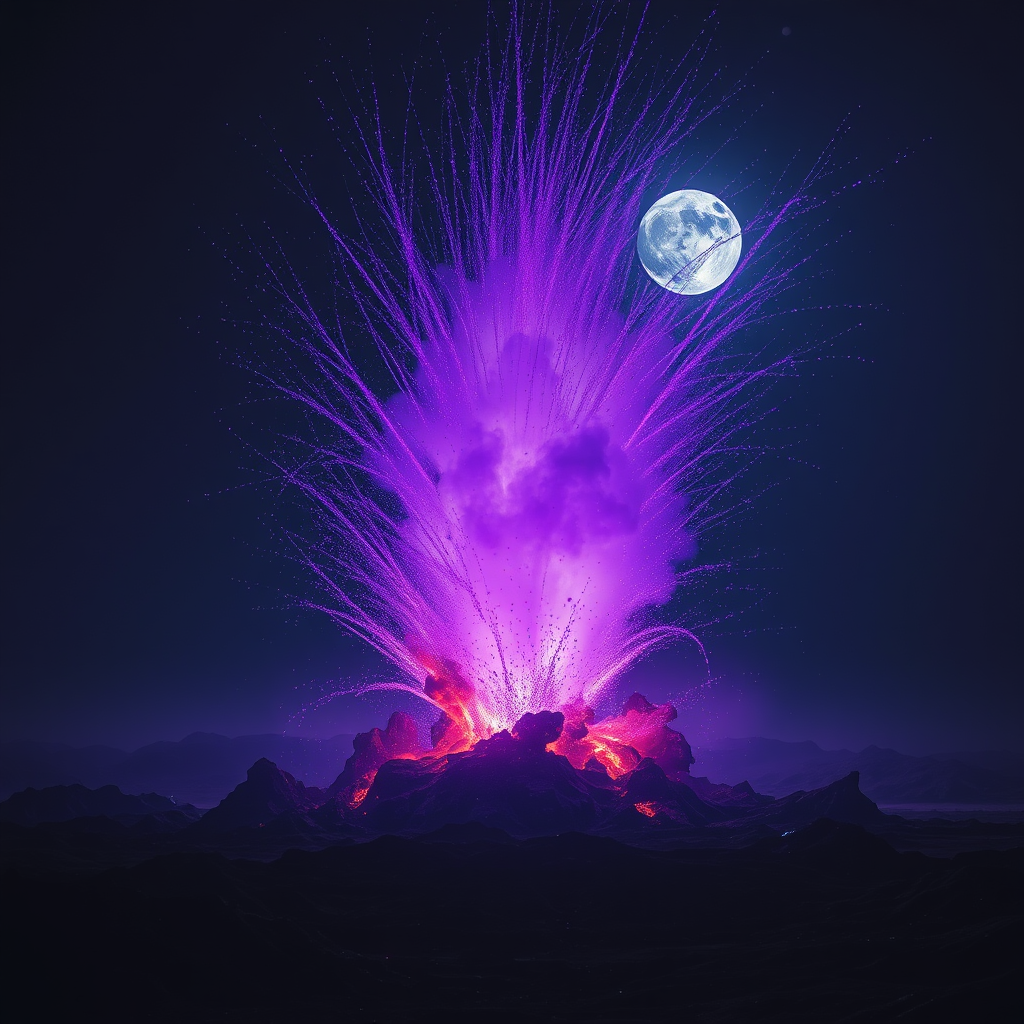
    The night sky, typically a canvas of deep indigo and scattered silver, holds secrets far more volatile than we often assume. We settle into the predictable rhythm of darkness, expecting only the moon’s soft glow or the distant, steady pinpricks of stars. Yet, sometimes, the universe decides to stage an impromptu, spectacular event, painting the void with hues that defy expectation. These are the moments when the mundane shatters, replaced by an almost violent beauty—a sudden, shocking display of light that demands attention. This article explores the phenomenon of these unexpected, vibrant explosions, focusing on the rare and arresting combination of violet, red, and orange light erupting against the black backdrop.

    The Science Behind the Unpopular Hues

    When we think of celestial fireworks, our minds often drift to the familiar blues and greens of aurorae or the steady yellow of distant suns. However, the appearance of intense violet and deep orange suggests specific, high-energy chemical reactions or atmospheric interactions occurring at incredible speeds. Violet light, being on the shorter wavelength end of the visible spectrum, requires significant energy input to be generated, often signaling the presence of highly ionized gases or extremely rapid molecular excitation. This is not the gentle light of twilight; this is the signature of a powerful, instantaneous release.

    The juxtaposition of these colors—the cool, electric violet clashing with the warm, aggressive tones of red and orange—creates a visual dissonance that is both beautiful and slightly alarming. Consider the physics of meteors burning up in the upper atmosphere; while most leave a white or yellow trail, specific mineral compositions can ionize the air to produce these rarer colors. Furthermore, certain types of solar flares or coronal mass ejections, when interacting with Earth’s magnetic field in specific, localized ways, can trigger atmospheric events that manifest these exact color profiles. For a deeper dive into atmospheric optics, one might explore the detailed work done by atmospheric research institutes like NASA’s dedicated pages.

    These events are often fleeting, making them “unpopular” not because they are unwelcome, but because they are so rare and difficult to capture consistently. They are the photographic equivalent of catching lightning in a bottle, demanding precise timing and specialized equipment to document the spectral signature accurately. The sheer randomness of their appearance ensures that they remain a subject of fascination for both amateur stargazers and professional astrophysicists seeking anomalies in standard light pollution models.

    The Emotional Impact of Nighttime Spectacle

    There is a profound psychological shift that occurs when the expected silence and darkness of the night are violently interrupted by such intense color. It triggers an ancient, primal response—a mixture of awe and apprehension. The human eye is naturally drawn to high contrast, and the sudden appearance of saturated red against absolute black is an undeniable call to attention. This is far removed from the gentle, diffused light pollution we usually contend with in urban environments.

    Witnessing such an event, even if it is a distant atmospheric phenomenon, forces a momentary recalibration of our place in the cosmos. It reminds us that the environment surrounding our planet is dynamic, volatile, and capable of producing beauty that borders on chaos. Many historical accounts of unexplained lights or “sky fires” likely stem from similar, though perhaps less scientifically understood, occurrences. The emotional resonance of these unpopular violet explosions lies in their sheer unexpectedness, breaking the monotony of the predictable nocturnal cycle. If you are interested in the historical context of unexplained aerial phenomena, the archives of early astronomical journals offer fascinating, if speculative, reading.

    This emotional jolt is what separates these events from, say, a planned fireworks display. A fireworks show is controlled, anticipated, and designed for human consumption; the natural explosion is raw, uncontrolled, and indifferent to the observer. It is a pure expression of physical forces playing out on a grand scale, and our reaction is purely visceral. This raw display often inspires artists and writers seeking metaphors for sudden change or revelation, as explored in various literary analyses of natural symbolism found in academic databases.

    The Rarity of True Violet Signatures

    While red and orange are relatively common in atmospheric phenomena—think of sunsets or certain types of high-altitude lightning—the presence of a dominant, saturated violet hue is the true marker of an unusual event. Violet light is scattered more easily by atmospheric particles than longer wavelengths, meaning that for it to appear intensely, the source must be either extremely powerful or very close to the observer, or the atmospheric conditions must be perfectly aligned to minimize scattering loss. This alignment is statistically improbable, contributing significantly to the rarity of these documented occurrences.

    When researchers analyze the spectral data from these events, they are often looking for specific emission lines that correspond to elements excited under extreme duress. The presence of strong violet lines might point toward specific molecular dissociation pathways that are not typically activated during standard auroral displays or typical meteor showers. Capturing this data requires sophisticated photometric equipment, often mounted on high-altitude platforms or specialized ground stations designed to filter out terrestrial light pollution. The pursuit of these rare spectral signatures drives significant innovation in remote sensing technology.

    The challenge for observers is distinguishing between a genuine, high-energy atmospheric event and optical illusions caused by complex interactions between terrestrial light sources and unusual cloud formations or aerosols. However, when the orange, red, and violet components appear simultaneously and coherently across a wide field of view, the evidence strongly suggests a singular, powerful energetic source. Understanding these spectral fingerprints is key to unlocking new insights into upper atmospheric chemistry, a field that remains surprisingly opaque despite decades of study. Learn more about the physics of light scattering on physics forums.

    Orange and Red: The Warm Counterpoint to Cosmic Cold

    The inclusion of deep orange and fiery red in these explosive displays serves as a crucial anchor, grounding the ethereal violet in something more familiar, yet still intense. Red light, with its longer wavelength, penetrates atmospheric haze more effectively than violet, meaning that if a powerful event is occurring, the red component is often the most visible element to the naked eye, even from great distances. This warmth contrasts sharply with the perceived coldness of space, creating a visual paradox.

    In the context of an explosion, red and orange often signify thermal radiation—intense heat being released. When combined with the high-energy signature of violet, it suggests a process involving both extreme kinetic energy (the initial impact or discharge) and subsequent thermal decay. Imagine a massive electrical discharge where the initial ionization creates the violet flash, followed immediately by the superheating of surrounding gases into a brilliant orange-red glow. This sequence, compressed into milliseconds, is what constitutes the “explosion” we are discussing.

    These warm colors also play a vital role in how we interpret the event’s scale. A purely violet flash might be dismissed as a small, high-altitude electrical event, but the addition of broad-spectrum red and orange implies a much larger energy budget at play. It’s the difference between a spark and a conflagration. Documenting the precise ratio of these colors helps scientists model the total energy output of the phenomenon, providing crucial data points for understanding transient luminous events (TLEs) and other high-altitude electrical discharges. For more on TLEs, check out the research summaries available from the ScienceDirect platform.

    The Search for Pattern in Randomness

    The true challenge in studying these “unpopular” events is their inherent randomness. Unlike predictable astronomical cycles, these explosions seem to occur without warning, defying easy forecasting. This lack of pattern makes them difficult to study systematically, often relying on serendipitous sightings captured by automated sky surveys or lucky amateur astronomers. The data sets are sparse, fragmented, and often lack the necessary multi-spectral coverage required for definitive analysis.

    However, the very act of searching for these anomalies pushes the boundaries of observational astronomy and atmospheric monitoring. Scientists are developing more sensitive, wide-field cameras capable of continuously scanning the sky for rapid changes in light intensity and color profile. The hope is that by increasing the observational baseline, the frequency of capture will rise, allowing for the identification of subtle precursor conditions or environmental triggers that precede the violet bursts. This systematic approach to the seemingly random is a hallmark of modern scientific inquiry, as detailed in texts on observational methodology like this introductory text.

    Ultimately, the allure of the unpopular violet explosions lies in their defiance of expectation. They are reminders that the universe is not a static, perfectly ordered machine but a place of constant, energetic flux. They challenge our established models and reward those who look up when they are least expecting to see something extraordinary. The pursuit of understanding these rare, vibrant moments is a testament to human curiosity and our relentless desire to map the unknown corners of our own sky. We must continue to look up, even when the night seems most ordinary, because that is precisely when the most spectacular, unexpected colors might ignite.

    Final Thoughts

    The convergence of red, orange, and the electrifying violet in a sudden nocturnal burst represents a perfect storm of atmospheric physics and energetic release. These events, though rare and perhaps overlooked in favor of more common celestial displays, offer invaluable data points about the extreme conditions possible within our own planetary envelope. They serve as vibrant, albeit fleeting, reminders that the cosmos is constantly experimenting with light and energy, often producing masterpieces when we least anticipate them. We encourage all sky watchers to keep their cameras ready and their eyes peeled, for the next truly spectacular, unexpected color show might just be happening above your roof tonight, challenging everything you thought you knew about the quiet night sky. Explore the beauty of high-energy physics through resources like the Institute of Physics.

  • Violet End: Wacky Cultural Icons Displayed

    Violet End: Wacky Cultural Icons Displayed

    Diving Deep into the Deep Purple: When Culture Goes Gloriously Off-Kilter

    The color violet, often associated with royalty, mystery, and the twilight hour, serves as an unexpected, yet perfect, lens through which to examine the most delightfully bizarre corners of global culture. It’s a hue that sits right on the edge of perception, much like the cultural phenomena we are about to explore—those moments where the mainstream bends, breaks, and reforms into something utterly unforgettable. We are not talking about mere eccentricity; we are delving into the deeply ingrained, often celebrated, extremes of human expression that defy easy categorization. This exploration, bathed in the glow of the violet spectrum, seeks to understand the magnetic pull of the wonderfully weird in our shared human narrative.

    The Uncanny Valley of Mascot Mania: Violet Visages of Commerce

    Consider the world of corporate mascots, those friendly faces designed to sell everything from breakfast cereal to insurance policies. While many adhere to safe, primary colors, the truly memorable ones often embrace the unsettling beauty of the unusual, frequently landing in the violet or deep indigo range. Think of characters that inhabit the uncanny valley, possessing just enough human resemblance to be unsettling, yet stylized enough to be endearing, often utilizing deep purple tones to signify their otherworldly or magical origins. These figures become accidental icons, transcending their commercial purpose to enter the realm of pop culture folklore, often appearing in memes or niche fan communities long after their initial campaigns fade.

    The psychological impact of these violet-hued ambassadors is fascinating; the color itself suggests creativity and fantasy, making them perfect vehicles for selling products that promise transformation or escape. We see this in everything from obscure 1980s video game characters to modern, avant-garde fashion branding that deliberately chooses the less-traveled path of the color wheel. These mascots are cultural artifacts, silent storytellers of bygone advertising eras, and their enduring appeal often rests on that initial, slightly jarring, violet impression they leave on the subconscious mind. For a deeper dive into the psychology of color in branding, one might explore studies on visual perception in marketing.

    Subculture Spectrums: The Violet Underground and Its Rituals

    Beyond the commercial sphere, violet frequently marks the territory of intense, dedicated subcultures that thrive outside the glare of mainstream acceptance. From specific strains of gothic fashion that favor deep amethyst and plum over standard black, to niche electronic music scenes that use ultraviolet lighting as a core aesthetic, the color signifies a deliberate separation from the norm. These groups often develop intricate, almost ritualistic, practices and aesthetics that are deeply meaningful to their members but appear utterly baffling to outsiders. This commitment to a specific, often dark or ethereal, visual language is a powerful bonding agent.

    One compelling example lies within certain performance art collectives where the use of deep violet lighting is employed to heighten emotional states, blurring the lines between audience and participant in a way that standard white light simply cannot achieve. These artists are masters of atmosphere, using the subtle shifts in the violet spectrum to guide the audience through complex emotional narratives, often touching upon themes of transformation and the subconscious. It is in these highly curated environments that we see the color used not just as decoration, but as an active participant in the cultural experience, demanding a level of engagement that few mainstream events require. Discovering the history of these visual cues can be an illuminating journey into underground art movements.

    The Culinary Canvas: When Food Becomes Performance Art

    The world of high-end gastronomy and experimental food preparation has increasingly embraced the visual shock of the unexpected, and violet ingredients—from purple potatoes to exotic berries—are becoming powerful tools in the chef’s arsenal. This is not merely about adding a splash of color; it is about challenging diner expectations and using food presentation as a form of high-stakes performance art. When a plate arrives dominated by deep indigo and lavender hues, the diner is immediately forced to reconsider the very nature of what they are about to consume, moving the experience from simple sustenance to intellectual engagement. This trend speaks volumes about our modern desire for novelty and shareable, visually arresting content, often documented extensively on social media platforms.

    Chefs who master the use of naturally occurring violet pigments are often lauded for their innovation, transforming humble vegetables into architectural centerpieces that defy easy description. This commitment to the visually extreme pushes the boundaries of what we consider appetizing, forcing a conversation about aesthetics versus instinct. Furthermore, the incorporation of rare or historically significant violet-hued ingredients can add layers of narrative depth to a dish, connecting the diner to ancient agricultural practices or exotic locales. The pursuit of the perfect, naturally occurring food aesthetic drives much of this experimentation, often leading to surprising flavor combinations that match the visual drama.

    Fandom Frontiers: The Violet Obsession in Digital Communities

    In the vast, sprawling landscape of digital fandom, certain characters, franchises, or aesthetic trends become fixated upon a specific shade of violet, turning it into an unofficial banner for their community. This fixation often arises organically, perhaps linked to a specific costume detail, a character’s magical aura, or the color palette of a pivotal scene in a beloved piece of media. These digital tribes adopt the color as a shorthand, instantly signaling allegiance and shared knowledge to fellow initiates, creating an immediate sense of belonging within the overwhelming noise of the internet. This shared visual language is a powerful tool for community building in the digital age.

    The intensity of these violet-centric fandoms can lead to incredible creative output, from elaborate fan fiction exploring the lore behind the color choice to meticulously crafted cosplay outfits that push the limits of textile engineering. The dedication required to maintain this level of visual consistency across thousands of individual creations demonstrates a profound level of cultural investment. It is a testament to how deeply specific visual cues can anchor collective identity, transforming a simple color into a symbol of shared passion and dedication to a fictional universe. For those interested in the mechanics of online community formation, examining these visual anchors provides rich data on digital tribalism.

    Final Thoughts

    The pervasive, yet often subtle, presence of violet across these disparate cultural landscapes—from advertising to high art to digital communities—reveals a fundamental human attraction to the liminal space it occupies. It is the color of transition, of the strange and the sublime, and it consistently attracts those who seek to push the boundaries of convention, whether through commerce, art, or shared passion. Embracing the wacky and the wonderful, framed by this deep, resonant hue, allows us to appreciate the sheer, glorious diversity of human creativity and our unending quest for the next compelling visual experience. We continue to be drawn to the edge, and violet, it seems, is the perfect color for standing right there on the precipice of the known and the wonderfully unknown.