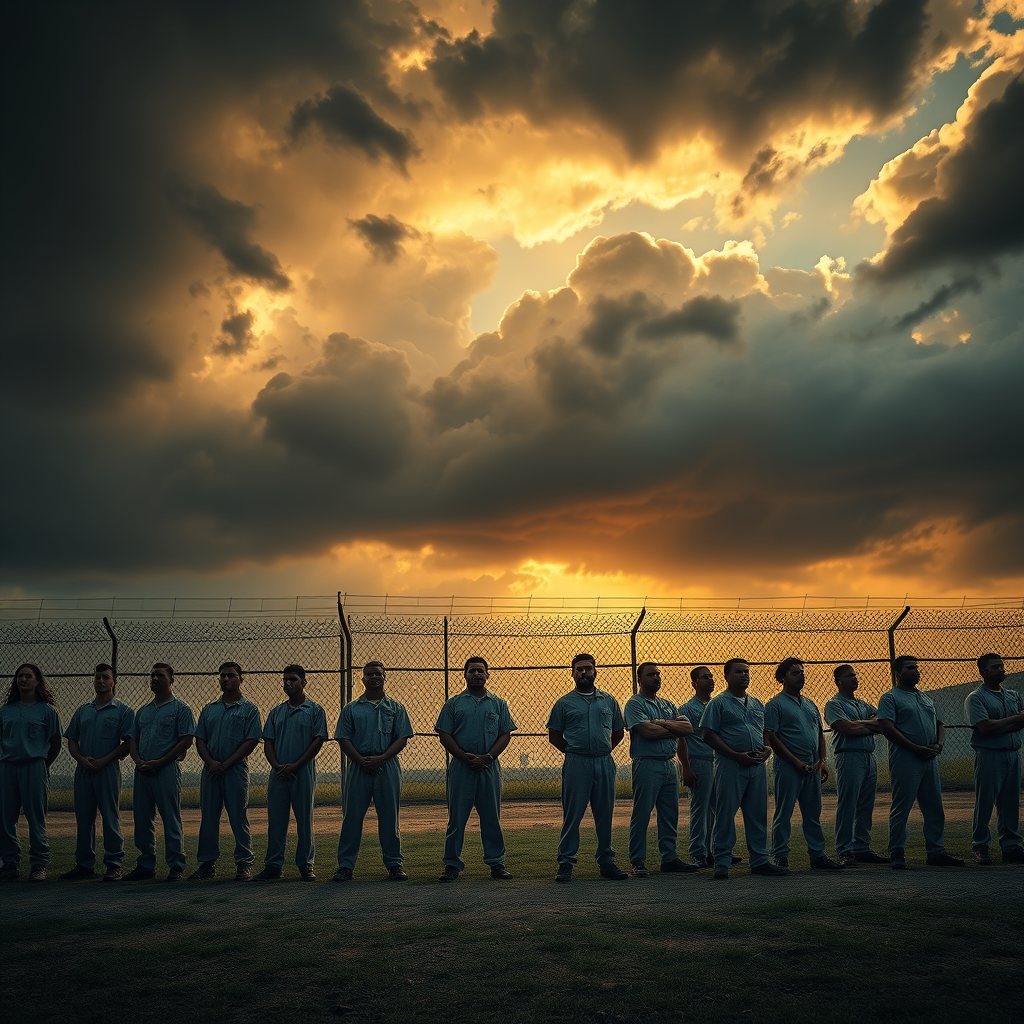
The Unyielding Spirit of Those Behind Bars Fighting for Human Dignity
The walls of a prison are designed to be silent, cold, and impenetrable, functioning as a physical manifestation of a societal hell where humanity is often stripped away. Yet, within these concrete confines, a profound transformation is taking place as incarcerated individuals organize to demand the basic rights they have been denied. This movement is not merely a protest against poor conditions; it is a spiritual and political awakening that seeks to turn the tide from oppressive darkness toward the light of justice. By choosing to strike, these resilient individuals are reclaiming their agency and forcing the world to acknowledge the systemic failures that define the modern carceral state. Their journey represents a shift from the depths of despair to the hopeful horizon of systemic reform, proving that even in the most restrictive environments, the human spirit remains an indomitable force for change.
The Architecture of Oppression
For decades, the prison industrial complex has operated under a veil of secrecy, creating an environment where human rights abuses are frequently ignored by the public. The daily reality for many inmates involves overcrowding, inadequate medical care, and a lack of meaningful rehabilitation programs that could actually prepare them for life outside. This systemic neglect creates a cycle of suffering that serves as a modern-day hell, where the primary goal is containment rather than correction. When individuals are treated as less than human, the entire foundation of the justice system begins to crumble under the weight of its own cruelty.
The psychological toll of this environment is immense, as inmates are often subjected to long-term isolation and the constant threat of violence. Without access to proper legal representation or a voice in their own treatment, many feel as though they have been discarded by society entirely. This atmosphere of hopelessness is exactly what the authorities rely on to maintain control, assuming that the spirit of the incarcerated can be permanently broken. However, the recent surge in organized strikes suggests that this assumption is fundamentally flawed and that the desire for human rights remains a powerful motivator even in the darkest corners of the world.
The Catalyst for Collective Action
The decision to strike is never made lightly, as it carries the risk of severe retaliation, including extended solitary confinement and the loss of already limited privileges. Despite these dangers, inmates across the country have begun to coordinate their efforts, recognizing that their collective power is the only tool they have to challenge the status quo. By refusing to work or participate in daily prison operations, they are effectively shutting down the machinery of their own oppression. This act of defiance is a clear signal that they are no longer willing to accept the status quo of their confinement.
These movements are often sparked by specific grievances, such as the lack of clean water, the absence of educational opportunities, or the exploitative nature of prison labor. When these issues reach a breaking point, the inmates transform their shared suffering into a unified demand for change. This transition from passive endurance to active resistance is a critical step in the pursuit of social justice, as it forces the administration to engage with the people they have historically ignored. You can learn more about the history of these movements by visiting the American Civil Liberties Union website, which tracks ongoing efforts to reform the carceral system.
From Darkness to the Light of Reform
As the strikes gain momentum, the narrative surrounding incarceration is beginning to shift from one of punishment to one of accountability. The public is increasingly becoming aware of the conditions inside, thanks to the bravery of those who risk everything to document and share their experiences. This transparency is the first step toward heaven, or the ideal of a justice system that actually serves the community rather than destroying it. By shining a light on the realities of prison life, the strikers are forcing policymakers to confront the moral implications of their decisions.
The goal of these movements is not just to improve conditions, but to fundamentally reimagine what justice looks like in a democratic society. This involves advocating for restorative justice practices, ending the reliance on mass incarceration, and investing in the communities that are most affected by these policies. The transition from a punitive model to a rehabilitative one is essential for creating a future where people are treated with dignity regardless of their past mistakes. For further reading on the philosophy of restorative justice, consider exploring the resources provided by the Prison Policy Initiative, which offers extensive data on the impact of current sentencing laws.
The Resilient Voice of the Incarcerated
The resilience shown by these individuals is a testament to the fact that incarceration cannot extinguish the fundamental human need for agency and respect. Even when stripped of their freedom, they continue to organize, write, and advocate for a better world, proving that their voices are still relevant and powerful. This ongoing struggle is a reminder that the fight for civil liberties is not confined to the streets, but is happening inside the very institutions that are meant to suppress it. Their courage serves as an inspiration to activists everywhere who are working to dismantle systems of oppression.
As we look toward the future, it is clear that the path to true justice requires the active participation of those who have been most harmed by the current system. By listening to the demands of the incarcerated, we can begin to build a society that values rehabilitation over retribution and humanity over profit. The journey from the hell of the prison cell to the heaven of a reformed justice system is long and difficult, but it is a journey that must be taken. The resilience of these protesters is the fuel that will drive this necessary transformation, ensuring that the light of justice eventually reaches everyone.
Final Thoughts
The movement for justice within our prisons is a profound reflection of the enduring power of the human spirit to overcome even the most oppressive circumstances. By standing together against the darkness, these resilient individuals are not only fighting for their own dignity but are also challenging the entire nation to live up to its stated values of equality and fairness. We must continue to support these efforts by staying informed, advocating for policy changes, and ensuring that the voices of the incarcerated are never silenced again. The transition toward a more just society is a collective responsibility, and the courage of those on the front lines of this struggle provides the roadmap for the change we so desperately need. Ultimately, the pursuit of systemic reform is the only way to ensure that the hell of the past does not dictate the future of our justice system, allowing us to move toward a more compassionate and equitable world for all.