Tag: heaven

Where God has his dwelling. Where those you are known by God will spend eternity.

  • The Green Melody: A Fantasy of Life and Death

    The Green Melody: A Fantasy of Life and Death

    Where the Emerald Pulse Defies the Silence of the Ash

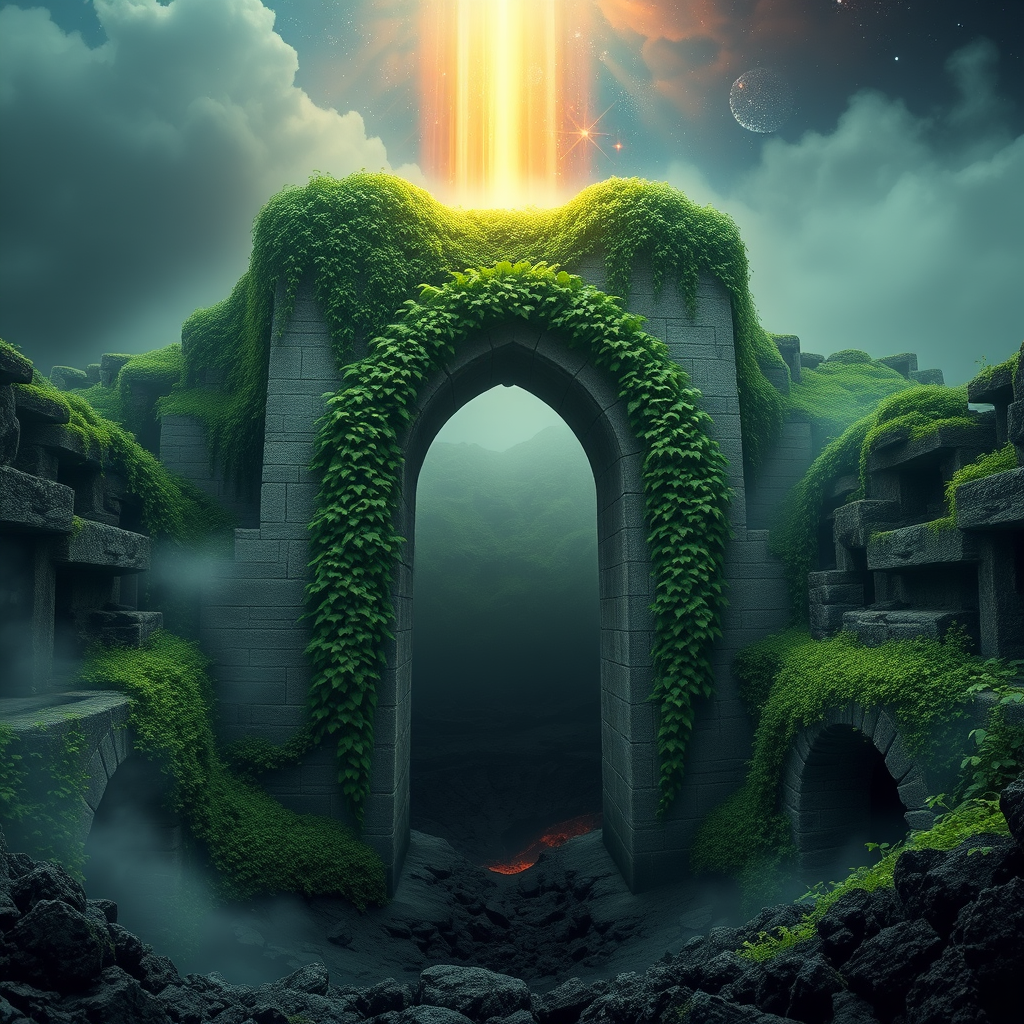
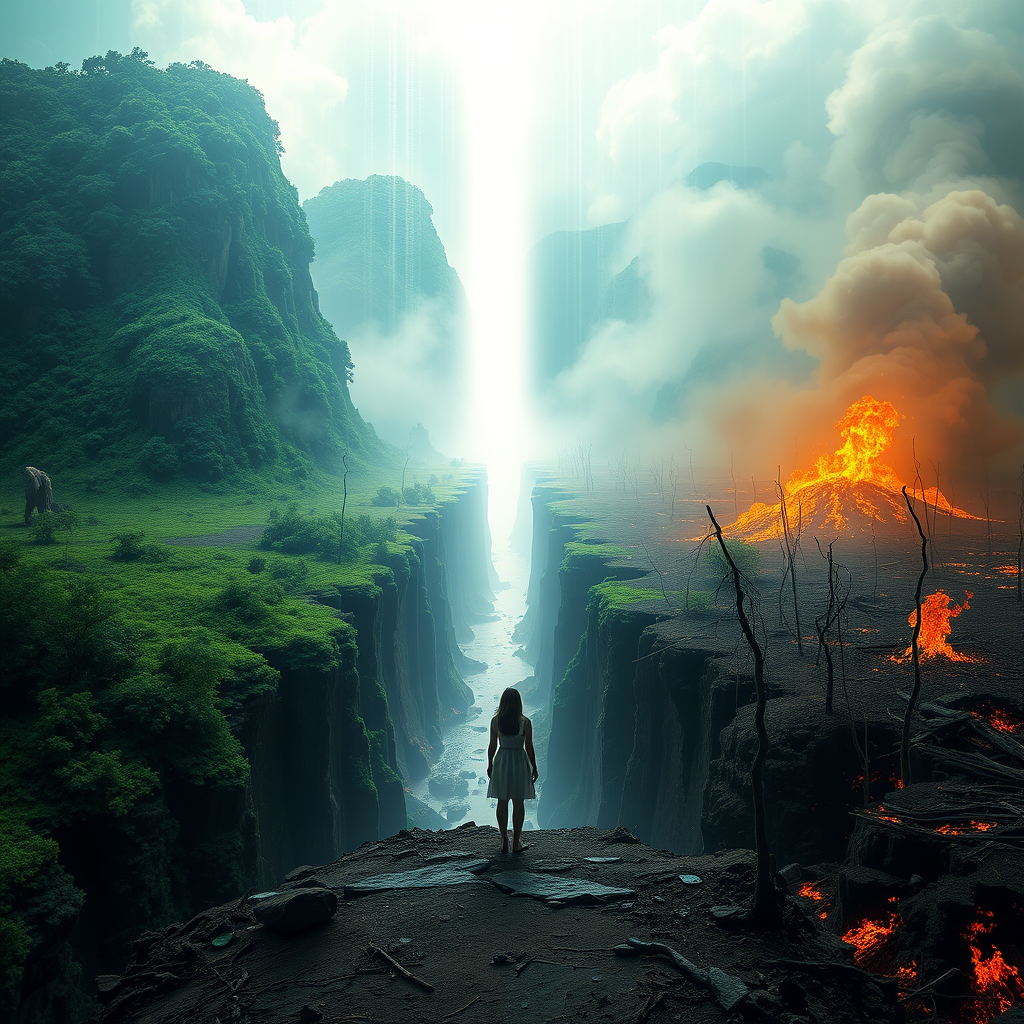
    In the quiet corners of our imagination, a silent war rages between the vibrant, pulsating hues of nature and the encroaching void of desolation. This is not merely a story of flora and fauna, but a profound sustainable future narrative that mirrors our own precarious existence on this planet. When we look at the world through the lens of fantasy, the stark contrast between the lush, verdant green and the sterile, charred tones of decay becomes a powerful metaphor for the choices we make today. We are the architects of this landscape, and every action we take either feeds the melody of life or accelerates the symphony of silence. By examining this dichotomy, we can better understand the urgency of our environmental crisis and the necessity of radical change.

    The Chromatic Conflict of Our Era

    The color green has long been associated with growth, renewal, and the relentless persistence of life even in the most inhospitable conditions. In our fantasy, this green is not a static background but a living, breathing entity that fights against the encroaching white of sterile industrialization and the charred black of environmental collapse. This ecological consciousness serves as a reminder that nature is not a passive resource to be exploited, but a dynamic force that demands respect and reciprocity. When we witness the green melody fading, we are seeing the literal loss of our own life support systems, a tragedy that is unfolding in real-time across our globe.

    The stark white of the landscape represents the sanitized, artificial world we have built, a place where efficiency is prioritized over vitality and where the complexity of ecosystems is reduced to mere data points. This aesthetic of emptiness is a warning, a glimpse into a future where the richness of biodiversity has been scrubbed away by the relentless march of progress. To understand the gravity of this shift, one can look at the causes and effects of climate change as documented by global scientific bodies. By acknowledging the reality of this chromatic conflict, we begin to see that the fight for the planet is not just a political struggle, but a fundamental battle for the soul of our world.

    The Symphony of Resilience

    Resilience is the heartbeat of the green melody, a stubborn refusal to succumb to the silence of the ash. Even in the most devastated environments, we see the first shoots of green pushing through the cracks of concrete, a testament to the enduring power of life. This environmental activism is the real-world equivalent of that green pulse, a collective effort to reclaim the narrative from those who would see our world reduced to a monochromatic wasteland. We must nurture this resilience, not just in the soil, but in our communities, our policies, and our personal philosophies.

    The melody is composed of countless individual actions, each one a note in a larger, more complex song of survival and restoration. When we choose to live in harmony with our surroundings, we are adding our voices to this chorus, creating a resonance that can drown out the discordant notes of destruction. It is essential to recognize that our individual choices, while seemingly small, contribute to a global movement that is redefining our relationship with the earth. For those seeking to understand the depth of this connection, the World Wildlife Fund provides extensive resources on how we can protect the natural world from further degradation. By aligning ourselves with the rhythm of the earth, we become participants in a grand, restorative fantasy that has the potential to become our reality.

    The Shadow of the Charred Horizon

    The charred tones of death are not merely an aesthetic choice in our fantasy; they represent the tangible consequences of our current trajectory. When forests burn and oceans acidify, the world loses its color, replaced by the gray and black of a dying ecosystem. This climate justice perspective forces us to confront the uncomfortable truth that our comfort often comes at the expense of the very life that sustains us. We are living in a time where the horizon is increasingly obscured by the smoke of our own making, and the time to clear the air is rapidly slipping away.

    The silence that follows the fire is the most terrifying aspect of this vision, a void where the vibrant sounds of life once thrived. This silence is the absence of birdsong, the lack of rustling leaves, and the stillness of waters that no longer teem with life. It is a haunting reminder that the cost of inaction is not just economic, but existential, threatening the very fabric of our shared history and future. We must look toward the Intergovernmental Panel on Climate Change to grasp the scientific consensus on the urgency of these threats. By facing the shadow of the charred horizon, we gain the clarity needed to turn back toward the light and embrace a more sustainable path.

    Reclaiming the Verdant Future

    To reclaim the green melody, we must first imagine a world where the pulse of life is the primary driver of our societal and economic systems. This requires a radical shift in our values, moving away from the pursuit of endless growth toward a model of circularity and regeneration. The sustainability of our future depends on our ability to integrate the wisdom of the natural world into our modern lives, creating a synthesis that honors both human ingenuity and ecological integrity. This is the fantasy we must strive to manifest, a world where the green is not just a memory, but a thriving, dominant force.

    This reclamation is not a return to the past, but a leap into a future where technology and nature exist in a symbiotic relationship. We have the tools and the knowledge to heal the wounds we have inflicted upon the earth, but we lack the collective will to implement them at the necessary scale. By fostering a culture of stewardship and deep connection to the land, we can begin to heal the landscape and restore the vibrant colors of our world. It is a journey that requires courage, persistence, and an unwavering belief that the green melody is worth fighting for, no matter how loud the silence of the ash may become.

    Final Thoughts

    The green melody is a call to action that resonates in the heart of every person who dares to dream of a better world. We are the guardians of this fantasy, and the responsibility to ensure that the pulse of life continues to beat rests squarely on our shoulders. By choosing to act with intention and compassion, we can transform the charred landscape of our current reality into a vibrant, living testament to our commitment to the planet. Let us carry this melody forward, ensuring that the song of life remains the dominant theme for generations to come, drowning out the silence of the ash with the triumphant roar of a world reborn.

  • Forging Human Potential: From Kitchen Fires to Digital Heaven

    Forging Human Potential: From Kitchen Fires to Digital Heaven

    Bridging the Gap Between Our Primal Roots and the Silicon Singularity

    Humanity stands at a precarious crossroads where the warmth of the hearth meets the cold precision of the server farm. For millennia, our biology was forged in the crucible of the natural world, defined by the flickering orange glow of kitchen fires and the rhythmic demands of physical survival. Today, we find ourselves migrating toward a digital heaven, a realm of electric blues and infinite data that promises transcendence but threatens to sever our connection to the physical vessel. This tension between our biological heritage and our technological future is not merely a philosophical debate but a visceral experience felt in every sedentary hour and blue-light-drenched evening. To navigate this shift without losing our humanity, we must understand how to harmonize the primal fire within us with the synthetic structures we have built to house our collective consciousness.

    The Primal Spark of Biological Evolution

    Our ancestors were defined by their relationship with the environment, a dynamic that necessitated constant movement, sensory engagement, and communal interaction. The human potential we possess today is the direct result of millions of years of adaptation to the wild, where the ability to process complex information was a matter of life and death. When we gathered around the fire, we were not just cooking food; we were building the social architecture that would eventually allow for the development of language, culture, and complex societies. This primal state was characterized by a deep integration of mind and body, where every thought was tethered to a physical action or a survival imperative.

    In this era, our health was dictated by the availability of resources and the necessity of physical exertion. We were creatures of the sun and the soil, governed by circadian rhythms that dictated our energy levels and our cognitive clarity. The fire was the center of our world, providing warmth, protection, and a focal point for the transmission of knowledge across generations. By understanding this foundational state, we can better appreciate the biological requirements that still govern our well-being, even as we attempt to transcend them through modern innovation. You can learn more about the evolutionary history of human development at https://www.nature.com to see how our ancestors shaped the modern mind.

    The Electric Blue Lure of Digital Heaven

    As we transitioned into the digital age, the warm, flickering orange of the hearth was replaced by the cool, electric blue of the screen. This shift represents more than just a change in lighting; it signifies a fundamental alteration in how we perceive reality and interact with the world around us. The digital heaven offers us a space where distance is irrelevant, information is instantaneous, and the limitations of the physical body seem to vanish. However, this convenience comes at a cost, as we increasingly trade the tactile richness of the physical world for the streamlined efficiency of the virtual one.

    The allure of this digital landscape is powerful because it promises to solve the problems that have plagued humanity for centuries, such as scarcity, isolation, and the slow pace of communication. Yet, as we spend more time in this synthetic environment, we risk losing touch with the very biology that makes us human. The digital transformation of our daily lives has created a disconnect where our minds are hyper-stimulated while our bodies remain stagnant. We must ask ourselves if the convenience of the digital heaven is worth the erosion of the primal vitality that once defined our existence.

    Navigating the Tension Between Two Worlds

    The struggle between our biological health and our technological advancement is the defining challenge of the twenty-first century. We are currently living in a state of cognitive dissonance, where we use advanced tools to optimize our lives while simultaneously ignoring the basic biological needs that keep us functional. To achieve a true synthesis, we must learn to integrate the efficiency of the digital world with the grounding presence of our primal nature. This means intentionally creating spaces in our lives where the blue light of the screen is replaced by the warm, natural light of the sun or the fire.

    Achieving this balance requires a conscious effort to prioritize physical well-being in an increasingly virtual world. We must treat our bodies as the essential hardware that supports our digital software, ensuring that we provide it with the movement, nutrition, and rest it requires to function optimally. By acknowledging the limitations of our biology, we can build a more sustainable relationship with the technology that surrounds us. For further insights on how to maintain health in the digital age, check out the resources at https://www.healthline.com to understand the impact of screen time on human physiology.

    Forging a New Path for Human Potential

    The future of humanity does not lie in choosing between the fire and the screen, but in forging a path that incorporates the best of both. We have the opportunity to use our technological tools to enhance our biological capabilities rather than replace them. Imagine a world where digital interfaces are designed to support our natural rhythms rather than disrupt them, and where our virtual interactions serve to strengthen our physical communities. This is the promise of a truly integrated future, where the technological advancement we pursue serves to elevate the human experience rather than diminish it.

    To reach this potential, we must become architects of our own environment, carefully curating the digital inputs we receive and the physical spaces we inhabit. We must reclaim the intentionality that our ancestors possessed, using our tools with purpose rather than being used by them. This requires a shift in perspective, moving away from the passive consumption of digital content toward a more active, creative engagement with the world. By doing so, we can ensure that the digital heaven we are building remains a place that honors the primal fire that first sparked our journey toward greatness.

    Final Thoughts

    As we continue to push the boundaries of what is possible, we must never forget the biological roots that anchor us to this planet. The human experience is a delicate balance of the ancient and the modern, the primal and the digital, the fire and the light. By embracing this duality, we can create a future that is not only technologically advanced but also deeply fulfilling and aligned with our true nature. Let us move forward with the wisdom of the past and the vision of the future, ensuring that our digital heaven remains a sanctuary for the human spirit.

  • Digital Ecology: Protesting for a Greener Heaven Online

    Digital Ecology: Protesting for a Greener Heaven Online

    Reclaiming the Virtual Horizon from the Silicon Shadow

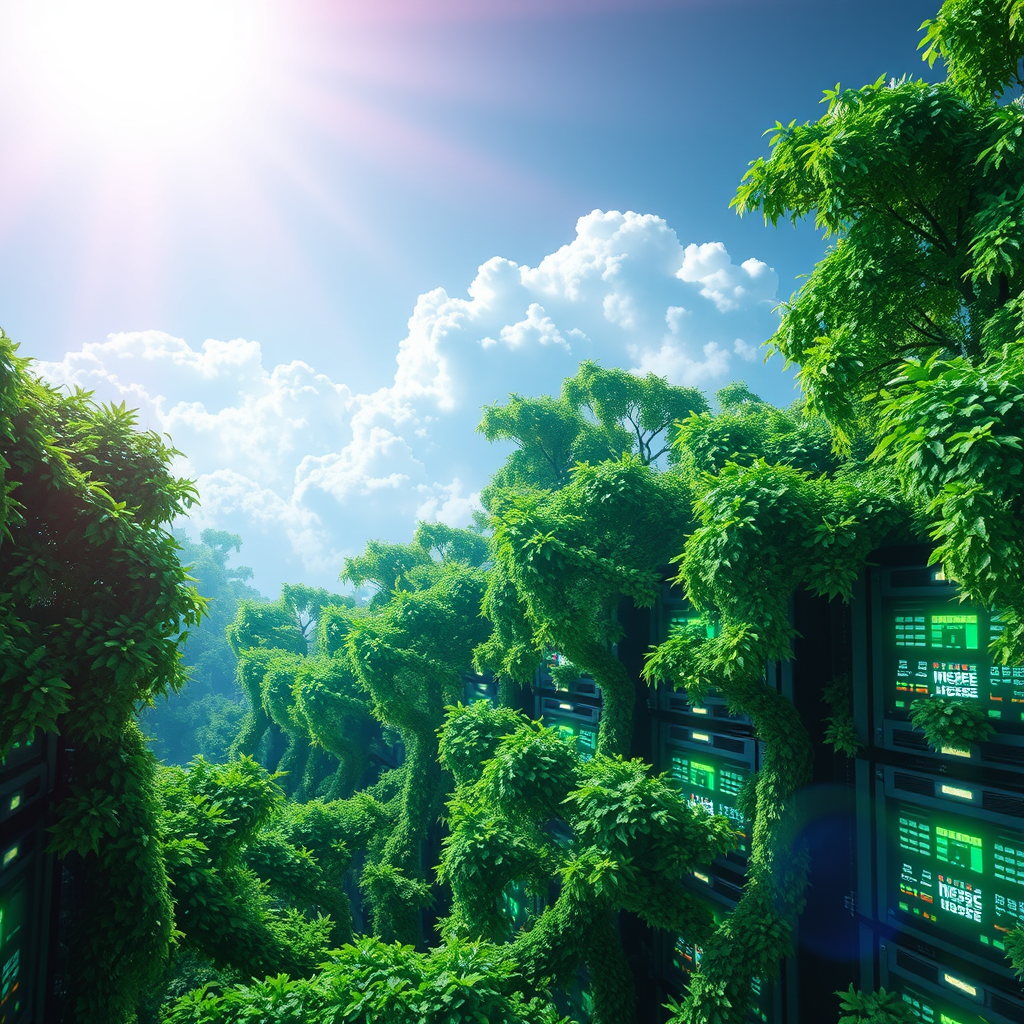
    The modern internet is often perceived as an ethereal, weightless realm, a cloud-based paradise where information flows like water and ideas transcend physical boundaries. Yet, beneath this shimmering facade of connectivity lies a sprawling, energy-hungry infrastructure that demands a heavy toll from our physical planet. We have built a digital heaven that relies on the extraction of rare earth minerals, the burning of fossil fuels to power massive server farms, and the creation of mountains of electronic waste. To achieve a true digital ecology, we must confront the stark contrast between the vibrant, life-giving green of our natural world and the cold, dark, and rigid aesthetic of our current technological landscape. This is not merely a call for better hardware, but a radical protest against the unsustainable trajectory of our online existence.

    The Hidden Cost of the Cloud

    When we speak of the cloud, we are rarely referring to the fluffy white formations in the sky, but rather to the industrial-scale data centers that anchor our digital lives to the earth. These facilities consume staggering amounts of electricity, often sourced from non-renewable grids that exacerbate the climate crisis. The physical footprint of our online interactions is expanding at an exponential rate, yet the average user remains blissfully unaware of the carbon cost of a single search query or a high-definition video stream. We must recognize that every byte of data stored, processed, and transmitted carries a tangible environmental weight that we can no longer afford to ignore.

    The industry often hides behind the promise of efficiency, claiming that virtualization and cloud computing are inherently greener than traditional on-premise infrastructure. While there is some truth to these claims, the rebound effect—where increased efficiency leads to higher consumption—has effectively negated any potential gains. We are building more data centers, upgrading hardware at an unsustainable pace, and encouraging a culture of constant connectivity that demands perpetual power. To learn more about the environmental impact of our digital habits, one might look at the research provided by the International Energy Agency regarding global data center energy consumption.

    Designing for a Sustainable Future

    The aesthetic of the internet has long been dominated by dark modes, sleek minimalism, and high-contrast interfaces that prioritize engagement over efficiency. While these design choices are visually striking, they often mask the underlying complexity and energy intensity of the platforms we inhabit. A sustainable technological revolution requires a shift in how we conceive of digital design, moving toward a philosophy that values longevity, low-bandwidth accessibility, and energy-conscious coding. By prioritizing lightweight web standards and reducing the bloat that characterizes modern software, we can create a digital environment that respects the limits of our physical world.

    This shift in design is not just about saving energy; it is about reclaiming the human experience from the clutches of algorithmic optimization. When we strip away the unnecessary animations, the tracking scripts, and the high-resolution assets that serve only to keep users scrolling, we reveal a cleaner, more intentional digital space. This is the essence of sustainable web design, a movement that seeks to align our online tools with the principles of ecological stewardship. By embracing a more austere and efficient aesthetic, we can protest the excesses of the current digital paradigm and pave the way for a more harmonious relationship between technology and nature.

    The Ethics of Electronic Waste

    The hardware that powers our digital heaven is frequently discarded with reckless abandon, contributing to a global crisis of electronic waste that poisons our soil and water. We live in a culture of planned obsolescence, where devices are designed to fail or become outdated within a few years, forcing consumers to constantly upgrade. This cycle of consumption is the antithesis of a green future, as it relies on the continuous extraction of finite resources and the exploitation of labor in the global south. We must demand a shift toward circularity, where hardware is built to last, easily repaired, and fully recyclable.

    Protesting for a greener heaven online means advocating for the right to repair and supporting companies that prioritize modularity and longevity in their product design. It is a rejection of the disposable culture that has come to define our relationship with technology. When we choose to keep our devices longer, we are making a political statement against the forces that profit from our dissatisfaction and our waste. For further reading on the global impact of e-waste, consider the reports published by the Global E-waste Statistics Partnership, which highlight the urgent need for systemic change in how we manage our technological discards.

    Building a Digital Commons

    The current internet is largely controlled by a handful of massive corporations that prioritize profit over the health of our planet and the well-being of our society. These platforms are designed to extract attention and data, creating a digital ecosystem that is inherently extractive and exploitative. To build a truly sustainable digital future, we must foster a digital commons that is decentralized, community-governed, and ecologically responsible. This means supporting open-source software, decentralized networks, and platforms that are built by the people, for the people, rather than for the benefit of shareholders.

    A digital commons would allow us to reclaim our agency and build tools that serve our needs without compromising the environment. By moving away from centralized, energy-intensive platforms, we can reduce our reliance on the massive server farms that currently dominate the landscape. This is a radical act of protest, a way of saying that we refuse to participate in a system that destroys the very world we inhabit. It is a vision of a digital heaven that is not built on the ruins of the earth, but in partnership with it, reflecting the vibrant green of a thriving, sustainable planet.

    The Path Toward Technological Harmony

    Achieving a greener heaven online requires a fundamental shift in our collective consciousness, moving from passive consumption to active stewardship. We must become more aware of the physical reality of our digital lives and demand accountability from the tech giants that shape our world. This involves supporting policies that mandate transparency in energy usage, advocating for renewable energy transitions in the tech sector, and making conscious choices about the platforms we use and the devices we own. It is a long and difficult road, but it is the only path toward a future where technology serves humanity without destroying the natural world.

    We must also embrace the concept of digital minimalism, recognizing that our constant need for connection is often a distraction from the richness of our physical lives. By intentionally limiting our digital footprint, we can reduce the demand on the infrastructure that powers our online existence. This is not about abandoning technology, but about using it with intention and purpose, ensuring that our digital habits are in alignment with our values. As we look toward the future, let us strive to create a digital landscape that is as vibrant, diverse, and resilient as the natural world itself, ensuring that our online heaven is a place of genuine light and sustainable growth.

    Final Thoughts

    The protest for a greener heaven online is a struggle for the soul of our technological future, a fight to ensure that our digital progress does not come at the cost of our planetary survival. By embracing green computing and challenging the extractive nature of modern tech, we can begin to build a digital world that honors the earth rather than exploiting it. Let us commit to a path of intentionality, sustainability, and radical change, ensuring that the light of our digital heaven is one that illuminates a path toward a healthier, more vibrant world for all. The revolution starts with our choices, our voices, and our refusal to accept the status quo of a digital landscape built on shadow and waste.

  • Shadow Ventures: Mechanical Power and the Silence of Wealth

    Shadow Ventures: Mechanical Power and the Silence of Wealth

    The Architecture of Invisible Capital and Industrial Precision

    In the modern landscape of high-stakes investment, the most potent forces are often those that operate beneath the surface of public perception. True wealth does not announce itself with neon lights or frantic market cycles; instead, it moves with the calculated, rhythmic precision of a master-crafted timepiece. By embracing the aesthetic of deep charcoal and obsidian, we begin to understand the philosophy of shadow ventures, where silence is not an absence of activity but a deliberate strategy for dominance. This approach mirrors the mechanical power of industrial giants, where every gear and lever serves a singular, quiet purpose in the pursuit of long-term growth and stability.

    The Aesthetic of Obsidian Wealth

    The visual language of modern finance has shifted away from the garish displays of the past toward a more refined, monochromatic sophistication. Deep charcoal tones and obsidian textures represent the shadow ventures that define the current era of private equity and venture capital. These colors evoke a sense of permanence and depth, suggesting that the capital being deployed is rooted in structural integrity rather than fleeting trends. By stripping away the noise of the market, investors can focus on the underlying mechanics of value creation, much like an engineer inspecting the internal components of a high-performance engine.

    This minimalist aesthetic is more than just a design choice; it is a psychological signal to the market that the entity is serious, disciplined, and focused. When a firm adopts the visual identity of the shadows, it communicates that its operations are shielded from the volatility of public opinion. This allows for a level of strategic maneuverability that is impossible for those who operate in the spotlight. As noted in the Forbes Finance Council, the most successful firms often prioritize discretion as a core component of their operational model, ensuring that their moves remain undetected until the objective is fully realized.

    Mechanical Precision in Capital Allocation

    Just as a mechanical watch relies on the perfect synchronization of hundreds of tiny parts, a successful investment portfolio requires an exacting level of precision. The integration of metallic gold accents into a dark, industrial framework serves as a bridge between the raw power of mechanical systems and the refined nature of money. This contrast highlights the intersection of human ingenuity and financial growth, where the cold logic of mathematics meets the warmth of tangible success. Investors who master this balance are able to extract value from complex systems that others find impenetrable or overly chaotic.

    The mechanical metaphor extends to the way capital is deployed across various sectors, from infrastructure to emerging technologies. By treating the market as a complex machine, investors can identify friction points and inefficiencies that can be optimized for maximum output. This requires a deep understanding of the underlying mechanics of the economy, moving beyond surface-level metrics to analyze the structural forces at play. For those interested in the intersection of technology and finance, resources like TechCrunch provide valuable insights into how these mechanical systems are being re-engineered for the digital age.

    The Silence of Strategic Advantage

    Silence is perhaps the most underrated asset in the arsenal of a modern venture capitalist. In an age of constant digital noise and social media posturing, the ability to remain quiet is a competitive advantage that few possess. By operating in the shadows, firms can conduct due diligence and execute acquisitions without triggering market reactions that could inflate prices or invite unwanted competition. This silence is the hallmark of mechanical power, where the most effective work is done without the need for fanfare or public validation.

    This philosophy of silence also extends to the internal culture of high-performing organizations. When a team is focused on the execution of a long-term vision, the distractions of the outside world become irrelevant. This internal focus allows for a level of concentration that is essential for solving the most difficult problems in the industry. By maintaining a low profile, these firms can cultivate a culture of excellence that is built on results rather than reputation, ensuring that their growth is sustainable and resilient against the inevitable shifts in the global economic landscape.

    Bridging the Gap to Heaven and Prosperity

    The ultimate goal of any investment strategy is to reach a state of heaven, a metaphorical peak where capital is not just preserved but transformed into a legacy. This is where the gold accents of our aesthetic framework truly shine, representing the reward for the discipline and precision exercised in the shadows. It is the realization that wealth is not merely a number on a balance sheet, but a tool for shaping the future and leaving an indelible mark on the world. This transition from the mechanical to the aspirational is what separates the merely wealthy from the truly influential.

    To achieve this level of success, one must be willing to embrace the discomfort of the unknown and the complexity of the machine. It requires a commitment to continuous learning and an unwavering belief in the power of strategic patience. As discussed in various analyses on Harvard Business Review, the most enduring enterprises are those that balance short-term operational efficiency with a long-term vision for societal impact. By aligning mechanical precision with a higher purpose, investors can create a legacy that transcends the limitations of traditional finance, effectively bridging the gap between the material and the eternal.

    The Synthesis of Form and Function

    The integration of deep charcoal tones and metallic gold is not just a stylistic preference; it is a manifestation of the synthesis between form and function. In the world of shadow ventures, the way a firm presents itself is a reflection of its internal processes and its ultimate ambitions. By maintaining a sleek, industrial exterior, the firm signals its commitment to the mechanical realities of the market. By incorporating gold, it acknowledges the ultimate objective of wealth creation and the pursuit of excellence that drives every successful venture.

    This synthesis allows for a more holistic approach to investment, where the aesthetic and the analytical are inextricably linked. It encourages a mindset that values both the beauty of a well-executed strategy and the tangible results that follow. As we look toward the future of global finance, it is clear that those who can master this balance will be the ones to define the next generation of industry leaders. They will be the ones who operate in the shadows, move with mechanical precision, and ultimately reach the heights of prosperity that others only dream of achieving.

    Final Thoughts

    The journey toward mastery in the world of investment is a long and arduous one, requiring a unique blend of patience, precision, and strategic silence. By adopting the aesthetic of shadow ventures, we can better understand the importance of operating beneath the surface, where the true work of wealth creation takes place. As you navigate the complexities of the modern market, remember that the most powerful forces are often the quietest, and the most enduring legacies are built on the foundation of mechanical integrity. Embrace the shadows, refine your processes, and let your results speak for themselves in a language that the world cannot ignore.

  • Mechanical Heavens: Studying Ancient Violations of Life

    Mechanical Heavens: Studying Ancient Violations of Life

    Where the Echoes of Pagodas Meet the Silence of Synthetic Stars

    The intersection of history and futurity often manifests in the most unexpected visual languages, where the warmth of tradition clashes with the sterile chill of the machine. When we examine the aesthetic evolution of human design, we find that the juxtaposition of deep gold and celestial blue serves as a bridge between the organic sanctity of ancient Asian architecture and the cold, calculated precision of our mechanical future. This color palette is not merely decorative; it represents a profound philosophical inquiry into how we define the boundaries of life itself. By analyzing these visual markers, we can begin to understand how humanity attempts to reconcile its biological origins with the inevitable rise of synthetic existence. As we look toward the horizon of technological advancement, these hues remind us that even in a world of circuits and steel, the human spirit seeks to anchor itself in the timeless beauty of the past.

    The Alchemy of Ancient Warmth

    Ancient Asian architecture, particularly the intricate woodwork of temples and palaces, has long relied on the application of gold leaf to signify divinity and permanence. This deep gold is not simply a color but a material manifestation of light, designed to catch the sun and radiate a sense of eternal life. When we study the structural integrity of these historical sites, we see a reverence for the natural world that is increasingly absent in modern engineering. The use of gold serves as a protective layer, a way to preserve the wood against the ravages of time and decay. It is a testament to the human desire to defy entropy, creating spaces that feel as though they have been touched by the heavens themselves.

    In contrast, the modern obsession with efficiency often strips away this decorative warmth in favor of minimalist, functional surfaces. However, the most visionary designers are now returning to these ancient motifs to soften the harsh edges of futuristic life. By integrating the deep, lustrous gold of the past into the sleek, metallic frameworks of the present, we create a hybrid aesthetic that feels both grounded and transcendent. This synthesis allows us to maintain a connection to our cultural heritage while embracing the rapid evolution of our technological capabilities. It is a delicate balance, one that requires a deep understanding of both the history of craftsmanship and the demands of modern innovation, as explored in the Metropolitan Museum of Art archives on Asian decorative arts.

    The Cold Precision of Celestial Blue

    If gold represents the warmth of the earth and the divine, then celestial blue represents the infinite, cold expanse of the cosmos. This shade, often found in the intricate porcelain work of the Ming Dynasty or the deep indigo dyes of traditional textiles, has become the signature color of the digital age. It is the color of the screen, the glow of the fiber optic cable, and the vast, unfeeling sky of a science fiction landscape. When we pair this blue with the deep gold of ancient architecture, we create a visual tension that perfectly encapsulates the struggle between the organic and the synthetic. It is a reminder that while we reach for the stars, we are still tethered to the traditions that shaped our early understanding of the universe.

    The mechanical precision of our future is often characterized by a lack of human touch, a world where algorithms dictate the flow of existence. Celestial blue acts as a cooling agent in this environment, providing a sense of calm and clarity amidst the chaos of rapid technological change. It is a color that suggests distance and objectivity, qualities that are highly valued in the development of artificial intelligence and robotics. Yet, when this blue is placed alongside the warmth of gold, it loses its clinical edge and becomes something more inviting. This interplay is essential for creating environments that are not only functional but also psychologically resonant for the humans who must inhabit them, a concept discussed in depth by ArchDaily regarding the psychology of color in modern urban design.

    Violations of Life and the Synthetic Shift

    The concept of a mechanical violation of life suggests a transgression, a moment where the natural order is disrupted by the introduction of something artificial. We see this in the way we integrate technology into our own bodies, from simple prosthetics to the theoretical possibilities of neural interfaces. These advancements are often framed as improvements, yet they fundamentally alter what it means to be human. The deep gold and celestial blue palette serves as a visual metaphor for this transition, representing the fusion of the biological and the mechanical. It is a aesthetic that acknowledges the beauty of the human form while simultaneously celebrating the potential of the machine to transcend our physical limitations.

    As we move further into this era of synthetic existence, the line between the living and the non-living becomes increasingly blurred. We are creating machines that can learn, adapt, and perhaps even feel, challenging our traditional definitions of consciousness. This shift is not without its anxieties, as many fear that the mechanical will eventually replace the organic entirely. However, by embracing a design language that honors both the ancient and the futuristic, we can create a narrative of coexistence rather than replacement. This approach allows us to view our technological evolution not as a violation, but as an expansion of the human experience, a theme often echoed in the discussions found on Wired about the future of human-machine integration.

    Architectural Bridges to the Future

    The architecture of the future will likely be defined by its ability to synthesize these disparate elements into a cohesive whole. We are already seeing the rise of biomimetic structures that use advanced materials to mimic the efficiency of nature while maintaining the strength of industrial engineering. These buildings are not just shelters; they are living systems that interact with their environment in real-time. By incorporating the deep gold and celestial blue color scheme, these structures can evoke a sense of history and continuity, even as they push the boundaries of what is possible. It is a way of ensuring that our future cities do not feel like alien landscapes, but rather like the next chapter in the long story of human civilization.

    Furthermore, the use of these colors in public spaces can foster a sense of community and shared identity in an increasingly fragmented world. When we design environments that reflect our collective history and our shared aspirations for the future, we create a sense of belonging that transcends the individual. This is particularly important as we face the challenges of climate change and social inequality, where the need for unity has never been greater. By grounding our technological advancements in the aesthetic traditions of the past, we can create a future that is not only efficient and innovative but also deeply human. It is a vision of progress that values the wisdom of our ancestors as much as the potential of our descendants.

    Final Thoughts

    The journey from the ancient temple to the mechanical heaven is a testament to the enduring power of human creativity and our relentless drive to understand our place in the universe. By utilizing the deep gold and celestial blue palette, we are able to weave together the threads of our past and our future into a tapestry that is both beautiful and profound. This visual language serves as a constant reminder that we are the architects of our own destiny, capable of building worlds that honor the sanctity of life while embracing the infinite possibilities of the machine. As we continue to navigate the complexities of this new era, let us hold fast to the lessons of history while keeping our eyes fixed on the stars. The mechanical heavens are not a destination, but a reflection of our own capacity to dream, to build, and to evolve beyond the constraints of our biological origins.

  • Heavenly Fire: Sensual Tensions in Paradise

    Heavenly Fire: Sensual Tensions in Paradise

    Where Azure Skies Meet Volcanic Heartbeat

    Hawaii, often perceived as the ultimate sanctuary of peace, a postcard of soft blues and pristine white sands, holds a secret intensity beneath its tranquil surface. This paradise is not merely a backdrop for relaxation; it is a crucible where the elemental forces of nature—and human desire—collide with breathtaking force. Imagine the deep, smoldering reds of a Kilauea lava flow meeting the cool, ethereal mist rising from a hidden waterfall. This visual dichotomy, the clash between the sacred and the profane, the cool and the burning, forms the core of a profound, almost spiritual sensuality unique to these islands. We explore the tension where the heavenly calm of the Pacific meets the raw, untamed fire of the earth, a place where desire burns brightest against the backdrop of absolute serenity.

    The Crimson Undercurrent: Lava and Longing

    The geological reality of the Hawaiian Islands is one of constant, fiery creation. Beneath the gentle lapping of the turquoise waves lies a core of molten rock, a powerful, undeniable heat that shapes every landscape. This subterranean energy translates directly into the emotional landscape of those who dwell here or visit seeking true connection. The deep reds and oranges associated with volcanic activity are not just colors; they are symbols of passion, transformation, and the consuming nature of true longing. When you stand near a steaming vent or witness the slow, inexorable creep of cooling pahoehoe, you are witnessing desire made manifest—a force that cannot be ignored or easily contained.

    This internal fire contrasts sharply with the external presentation of paradise. Think of the vibrant, almost aggressive scarlet of a blooming hibiscus set against the pale, almost translucent white of a plumeria blossom. This is the visual language of sensual tension: the overt, demanding heat of the earth’s core battling the delicate, almost untouchable beauty of the surface flora. It is this very friction that makes the experience so intoxicating, drawing visitors deeper into a realm where boundaries between the spiritual and the physical blur. For those seeking an authentic, deeply felt experience, the fire beneath the surface is the true invitation.

    Azure Dreams: The Cool Embrace of the Pacific

    The ocean surrounding the archipelago is the antithesis of the volcano’s heat—vast, deep, and overwhelmingly blue. This expansive azure represents the infinite, the spiritual realm, the cool detachment that often accompanies moments of profound awe. When the sun dips below the horizon, painting the sky in soft lavenders and pale blues, the world seems to hold its breath, offering a moment of pure, unadulterated peace. This coolness is the necessary counterpoint to the fire; without the vast, calming expanse of the ocean, the heat would be overwhelming, destructive even.

    In the context of human interaction, this blue represents the promise of sanctuary and the depth of emotional connection. It is the cool hand on a fevered brow, the quiet understanding that allows vulnerability to flourish. Many travelers come to Hawaii seeking healing, a washing away of the complexities of mainland life, and the ocean provides that baptismal quality. Yet, even in the deepest blue, there are currents—hidden movements and powerful undertows that remind us that even tranquility possesses immense, often unseen, power. This duality is key to understanding the island’s magnetic pull on the soul, offering both release and profound engagement.

    To truly appreciate the island’s allure, one must study the interplay of these elements. Consider the artistry of traditional Hawaiian textiles, often featuring deep indigo dyes alongside fiery patterns, mirroring this eternal push and pull. For further reading on how environment shapes emotional landscapes, explore the fascinating psychological studies on color theory and attraction here.

    The White Veil: Purity and Hidden Intensity

    The white elements of the Hawaiian landscape—the crests of breaking waves, the bleached coral sands, the ethereal glow of moonlight on a mountain peak—represent purity, innocence, and the idealized vision of paradise. This whiteness acts as a canvas upon which the more intense colors are projected, making the reds and blues even more vibrant by contrast. It is the visual representation of the sacred space where intense feeling can safely occur, shielded by an aura of perfection.

    However, this purity is often deceptive. The most intense moments of connection, the most profound expressions of unbridled desire, often occur when the veil of perceived innocence is lifted. The white sand, when viewed under the harsh midday sun, reveals every footprint, every mark of passage, suggesting that even in paradise, nothing remains untouched or unexperienced. This tension between the perceived purity and the undeniable reality of human passion is what gives Hawaiian romance its legendary depth. It is a place where one can feel utterly exposed yet completely safe to explore the deepest parts of the self.

    The concept of the sacred in Hawaiian culture often involves intricate rituals that balance the profane and the divine, much like the visual balance we see in the landscape. Understanding this cultural context enriches the experience of the island’s inherent drama. Learn more about the spiritual significance of natural elements in Polynesian culture by visiting resources like the Bishop Museum’s online archives https://www.bishopmuseum.org/.

    The Dance of Opposites: Erotic Alchemy

    When the fiery orange of sunset bleeds into the cool blue of twilight, the true alchemy of the islands takes place. This is the moment when the internal heat of human connection finds its perfect mirror in the external world. Sensuality here is not merely physical; it is elemental. It is the warmth of skin against the cool night air, the taste of salt from the ocean spray mingling with the sweetness of tropical fruit, the sound of the distant, rumbling earth beneath the gentle rhythm of the surf.

    This dance of opposites creates an atmosphere ripe for profound intimacy. The intensity of the fire demands the solace of the water, and the vastness of the blue requires the grounding presence of the earth’s heat. To engage fully with this environment is to embrace contradiction—to accept that the most beautiful experiences often arise from the friction between what we expect and what we intensely feel. This is why so many stories of transformative love and passion are set against this backdrop; the environment itself encourages a shedding of inhibitions, a surrender to the elemental forces driving us. We are drawn to the places where the world itself seems to be in a state of beautiful, passionate conflict.

    The exploration of this elemental attraction is a recurring theme in literature and art. Consider the powerful imagery used by poets describing tropical encounters; the language itself often mirrors this clash of hot and cold, sacred and earthly. For inspiration on how to articulate such complex feelings, one might look to the works of contemporary travel writers who capture this specific mood, such as those found in publications focusing on experiential travel https://matadornetwork.com/.

    The Scent of Desire: Integrating the Elements

    The final layer of this sensual tapestry is scent, which binds the visual and emotional elements together. The sharp, mineral scent of volcanic rock after a rainstorm—the smell of the earth’s fire cooling—mingles with the heady, sweet perfume of night-blooming jasmine and the clean, sharp salinity of the ocean breeze. These competing aromas create an olfactory signature for desire in paradise, a constant reminder that beauty and intensity are inseparable companions here. This integration of the senses is what elevates a simple vacation into a truly transformative experience, etching itself permanently into memory.

    When seeking to capture this feeling, whether through photography, writing, or personal experience, the key is to stop trying to separate the elements. Do not seek only the blue calm or only the red heat; seek the point where they meet, where the water steams from the lava’s touch, where the shadow of the mountain cools the sun-drenched sand. This is where true, complex passion resides—in the beautiful, necessary conflict. The allure of Hawaii lies not in its perfection, but in its dynamic, fiery heart beating beneath a serene, azure surface, offering a potent invitation to explore your own depths of passionate living.

    The pursuit of such elemental experiences often leads to a deeper understanding of self, a recognition that our own internal landscapes mirror the dramatic beauty of the world around us. Embrace the fire, respect the water, and allow the resulting steam to clear your vision. This journey into the heart of Hawaiian contradiction is ultimately a journey into the heart of unforgettable romance and profound self-discovery, a place where the divine and the deeply human meet in a blaze of color and feeling. Explore further the concept of elemental balance in personal well-being through resources dedicated to holistic health https://www.mindbodygreen.com/, and consider the impact of dramatic landscapes on creative output https://www.artsy.net/.

  • Hedonist’s Heaven: Indigo Futures and Ancient Force

    Hedonist’s Heaven: Indigo Futures and Ancient Force

    The Deep Blue Paradox: Where Ancient Secrets Meet Modern Excess

    The color indigo, that profound, almost unsettling shade nestled between the electric blue of the sky and the deep violet of twilight, holds a unique power over the human psyche. It is the hue of intuition, of deep contemplation, and the silent libraries of forgotten ages. Yet, in our modern pursuit of pleasure, this same depth often serves as the backdrop for the most vibrant, sometimes reckless, expressions of hedonism. We chase the fleeting high, the immediate gratification, often forgetting that the most profound experiences are those steeped in mystery and ancient knowledge. This tension—between the quiet pull of the infinite and the loud demands of the immediate—defines the contemporary search for true fulfillment, a search often illuminated by the very shade of the deep sea and the distant stars.

    The Contemplative Depths of Indigo Wisdom

    Ancient civilizations revered indigo not merely as a dye, but as a symbol of spiritual insight and the third eye. Think of the robes worn by mystics or the pigments used in sacred texts; indigo represented the bridge between the material world and the ethereal realm. This color demands a slowing down, a turning inward away from the sensory overload that characterizes much of modern life. To truly appreciate the wisdom held within this shade is to engage in a form of intellectual and spiritual archaeology, digging beneath the surface noise to find bedrock truths about existence. It is a color that whispers secrets rather than shouting demands, requiring patience and a willingness to sit in the quiet ambiguity of the unknown.

    The pursuit of this ancient force is not about rejecting pleasure, but about understanding its context within a larger, more enduring framework. When we look at the deep indigo of a clear night sky, we are confronted with the sheer scale of the universe, a humbling perspective that instantly recalibrates our daily anxieties. This contemplation fuels a different kind of enjoyment—one rooted in appreciation rather than consumption. Consider the enduring appeal of traditional crafts that utilize natural indigo dyes; the process itself is meditative, connecting the artisan to centuries of accumulated skill and understanding. This connection to the past offers a stability that fleeting modern thrills simply cannot replicate, providing a solid foundation upon which to build a truly rich life experience. Explore the history of natural dyes for a deeper appreciation of this craft.

    Hedonism’s Vibrant, Fleeting Spectrum

    Contrast this quiet depth with the explosive, almost aggressive energy of modern hedonism, which often favors the bright, immediate colors of neon and gold. Hedonism, at its core, is the pursuit of pleasure, often characterized by an unbridled enthusiasm for sensory experience—the finest foods, the loudest music, the most extravagant displays. This pursuit is inherently temporal; the peak experience fades, leaving behind a need for an even greater stimulus next time. It is a cycle driven by the dopamine rush, a powerful but ultimately exhausting engine that demands constant refueling. This vibrant energy, while intoxicating in the moment, lacks the grounding resonance of the indigo wisdom.

    The modern hedonist often seeks to escape the very contemplation that indigo encourages. Why look into the abyss when you can dance on the surface? This dynamic creates a fascinating cultural friction, where the desire for profound meaning clashes daily with the accessible, high-octane offerings of consumer culture. Yet, even the most dedicated pursuit of excess eventually circles back to a need for substance. The most sophisticated forms of pleasure—the perfectly aged wine, the complex musical composition, the masterful piece of art—all require a degree of cultivated appreciation, a subtle nod toward the contemplative side of the spectrum. True mastery in any pleasure requires more than just consumption; it requires understanding the ancient force behind its creation.

    The Raw Power of Natural Phenomena

    Beyond human constructs of wisdom or pleasure lies the untamed, raw power of nature, often reflected in the dramatic shifts of color found in natural phenomena. Think of the violent beauty of a thunderstorm where the sky flashes from deep indigo to blinding white, or the terrifying majesty of a volcanic eruption casting shadows across the twilight. These events are indifferent to human concerns; they simply are, embodying a pure, unadulterated energy that dwarfs both our contemplative efforts and our fleeting indulgences. This raw force serves as a crucial reminder of our place in the cosmic order, grounding both the mystic and the reveler alike.

    Studying these natural occurrences—the deep currents of the ocean, the slow grind of tectonic plates—offers a different kind of wisdom, one based on observation of immutable laws rather than philosophical texts. It is a wisdom of survival, adaptation, and immense, slow-moving power. When we witness a natural spectacle, the artificial concerns of hedonism often dissolve, and the need for deep introspection becomes immediate and necessary. This confrontation with the sublime is where the two worlds—the contemplative and the excessive—briefly align under the banner of awe. Understanding this natural force is key to appreciating the scale of our own brief existence. Discover the mysteries of the deep ocean, a truly indigo realm.

    Synthesizing the Spectrum: Indigo Futures

    The concept of indigo futures suggests a path forward where we do not have to choose between the quiet depth of wisdom and the vibrant expression of life. Instead, we can integrate them, using the clarity derived from contemplation to inform and enrich our pursuit of pleasure. Imagine a future where indulgence is not mindless, but deeply informed—where the enjoyment of a complex flavor profile is enhanced by understanding the agricultural history and chemistry behind it, or where a celebration is meaningful because it honors a deeper, shared human experience. This synthesis moves beyond mere balance; it is about synergy.

    This integration requires a conscious effort to slow down the acquisition of experiences, allowing the indigo filter of reflection to settle over the bright flash of the moment. It means valuing the process as much as the outcome, recognizing that the most satisfying pleasures are those that leave us slightly changed, slightly wiser, rather than just momentarily satiated. The true hedonist’s heaven is not a place of endless consumption, but a state of being where every experience, whether quiet or loud, contributes to a richer, more textured understanding of reality. This requires cultivating mindfulness in all activities, from the most serious study to the most frivolous party. Read about the science of awe and well-being.

    Final Thoughts

    Ultimately, the journey through the spectrum of indigo wisdom and vibrant hedonism reveals that they are not antagonists, but necessary complements in the human experience. The deep blue reminds us of what endures, while the bright colors remind us how to live fully within the time we have. To live richly is to honor both the silence that breeds insight and the noise that celebrates existence. By embracing the mystery inherent in the color indigo, we gain the perspective needed to truly savor the fleeting, beautiful excesses of life without being consumed by them. The most compelling human experience is found at this intersection, where the ancient force of knowing meets the modern desire for feeling, creating a truly balanced and profound existence.