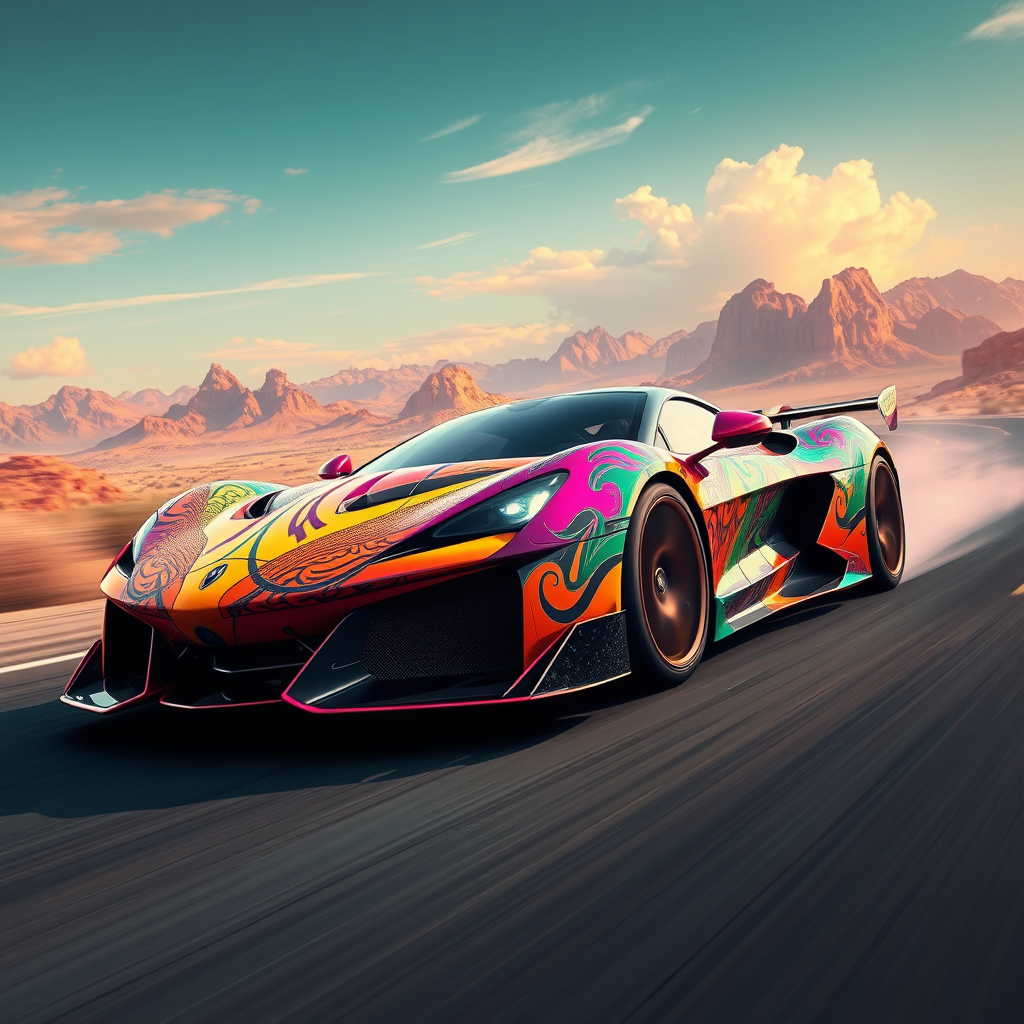
From the Savannah to the Showroom: How Nature Shapes Automotive Aesthetics
The natural world has long served as a silent architect for human innovation, providing blueprints for everything from aviation to structural engineering. When we look at the vibrant plumage of a tropical bird or the subtle, shifting hues of a desert reptile, we are witnessing millions of years of evolutionary refinement. In the realm of high-end automotive design, these biological palettes are no longer just sources of inspiration but are becoming the very foundation of brand identity. By translating the mystery of animal colour into the sleek curves of a modern chassis, designers are creating vehicles that feel less like machines and more like living, breathing entities on the asphalt. This intersection of biology and engineering offers a fascinating glimpse into how we perceive speed, luxury, and presence through the lens of natural selection.
The Evolutionary Logic of High-Visibility Hues
In the wild, bright colours often serve as a warning or a beacon, signaling toxicity or sexual fitness to potential rivals and mates. This concept of aposematism, or warning coloration, is a masterclass in visual communication that automotive manufacturers have adopted with remarkable success. When a supercar is painted in a piercing, neon-infused shade of yellow or orange, it commands the same immediate attention as a poisonous dart frog in the rainforest. This automotive design strategy ensures that the vehicle is impossible to ignore, effectively carving out a space for itself in the visual landscape of the highway. By leveraging these primal triggers, car companies create an emotional response that bypasses logic and speaks directly to our instinctual need to notice movement and contrast.
Beyond mere attention-grabbing, these colours serve to define the performance capabilities of the machine. Just as a predator might use vibrant patterns to intimidate, a high-performance vehicle uses its paint job to project power and dominance. The psychological impact of these colours is profound, as they prime the observer to expect speed and agility before the engine even turns over. You can explore more about the science of color perception in nature through resources like National Geographic, which details how animals utilize spectrums to survive. By mimicking these survival strategies, designers are essentially turning the car into an apex predator of the road, one that commands respect through its visual presence alone.
Camouflage and the Art of Stealth Engineering
While some vehicles are designed to scream for attention, others utilize the principles of crypsis to achieve a different kind of aesthetic mastery. Stealth technology in the automotive world often draws inspiration from the mottled patterns of forest-dwelling mammals or the disruptive coloration of cephalopods. By using matte finishes, complex geometric wraps, and shifting metallic pigments, designers can break up the silhouette of a car, making it appear smaller or more integrated into its environment. This biomimicry approach is particularly popular in the luxury and performance sectors, where the goal is to create a sense of mystery and understated power. It is a sophisticated game of hide-and-seek that challenges the viewer to look closer at the lines and contours of the vehicle.
The application of these patterns requires a deep understanding of light reflection and surface tension, much like the way a chameleon adjusts its skin to match a shifting backdrop. Modern paint technologies now allow for pearlescent finishes that change colour depending on the angle of the sun, mimicking the iridescence found in insect wings. This dynamic quality adds a layer of depth to the vehicle that static, flat colours simply cannot achieve. For those interested in the technical side of how light interacts with surfaces, the Science Magazine archives provide excellent insights into the physics of iridescence. By embracing these natural phenomena, manufacturers are pushing the boundaries of what a car can look like, moving away from traditional paint jobs toward something far more organic and alive.
The Psychology of Iridescence and Metallic Sheen
Iridescence is one of nature’s most captivating visual tricks, created not by pigment, but by the physical structure of a surface that scatters light. In the automotive industry, this effect is highly coveted for its ability to convey luxury and exclusivity. When a car features a finish that shifts from deep violet to emerald green as it moves, it evokes the same sense of wonder as a beetle shell or a peacock feather. This visual storytelling is essential for brands that want to position their products as works of art rather than mere transportation. The emotional connection formed by these shifting colours is powerful, as it suggests that the vehicle is constantly evolving and reacting to its surroundings.
This trend toward complex, multi-layered finishes is a direct response to the consumer desire for personalization and uniqueness. In a world of mass production, a car that possesses a unique, nature-inspired sheen feels like a bespoke creation. Designers are increasingly looking to the microscopic structures of butterfly wings to develop new types of pigments that offer unparalleled depth and brilliance. This pursuit of the perfect finish is a testament to the enduring influence of the natural world on human creativity. By studying the way light dances across a dragonfly’s wing, engineers are finding new ways to make metal and carbon fiber appear soft, fluid, and organic, bridging the gap between the industrial and the natural.
Texture and Pattern: The New Frontier of Automotive Skin
The future of automotive aesthetics lies not just in colour, but in the tactile and structural patterns that define a vehicle’s skin. We are seeing a rise in textures that mimic the scales of a snake or the rough, protective hide of an elephant, applied to interior trims and exterior accents. These material innovation techniques are designed to evoke a sensory response, inviting the driver to touch and interact with the car in a more intimate way. By incorporating these biological textures, designers are creating a more holistic experience that engages both the eyes and the hands. This trend represents a shift toward a more sensory-driven design philosophy, where the car is treated as a living organism with its own unique texture and character.
Furthermore, the use of biomimetic patterns can also serve functional purposes, such as improving aerodynamics or heat dissipation. Just as the dimples on a shark’s skin reduce drag in the water, engineers are experimenting with surface patterns that optimize airflow over the body of a car. This marriage of form and function is the ultimate goal of nature-inspired design, where every aesthetic choice serves a deeper purpose. As we look toward the future of electric and autonomous vehicles, the need for efficient, aerodynamic designs will only grow, making the lessons of nature more relevant than ever. By continuing to look to the natural world for inspiration, the automotive industry is ensuring that the cars of tomorrow will be as efficient as they are beautiful, proving that the mystery of animal colour is far more than just a surface-level fascination.
Final Thoughts
The bridge between the wild, untamed beauty of nature and the precision of automotive engineering is a testament to human ingenuity and our innate connection to the world around us. By adopting the strategies of camouflage, warning, and iridescence, designers are not just painting cars; they are crafting narratives that resonate with our deepest biological instincts. This design philosophy ensures that the vehicles of the future will continue to captivate our imaginations, serving as a reminder that even in our most technological pursuits, we are still looking to the natural world for guidance. As we move forward, the lines between the machine and the organism will continue to blur, resulting in a new era of motoring that is as vibrant, mysterious, and alive as the creatures that inspired it. The mystery of animal colour is not just a biological curiosity, but a roadmap for the future of design, proving that the most advanced technology often finds its roots in the simplest, most elegant solutions found in nature.