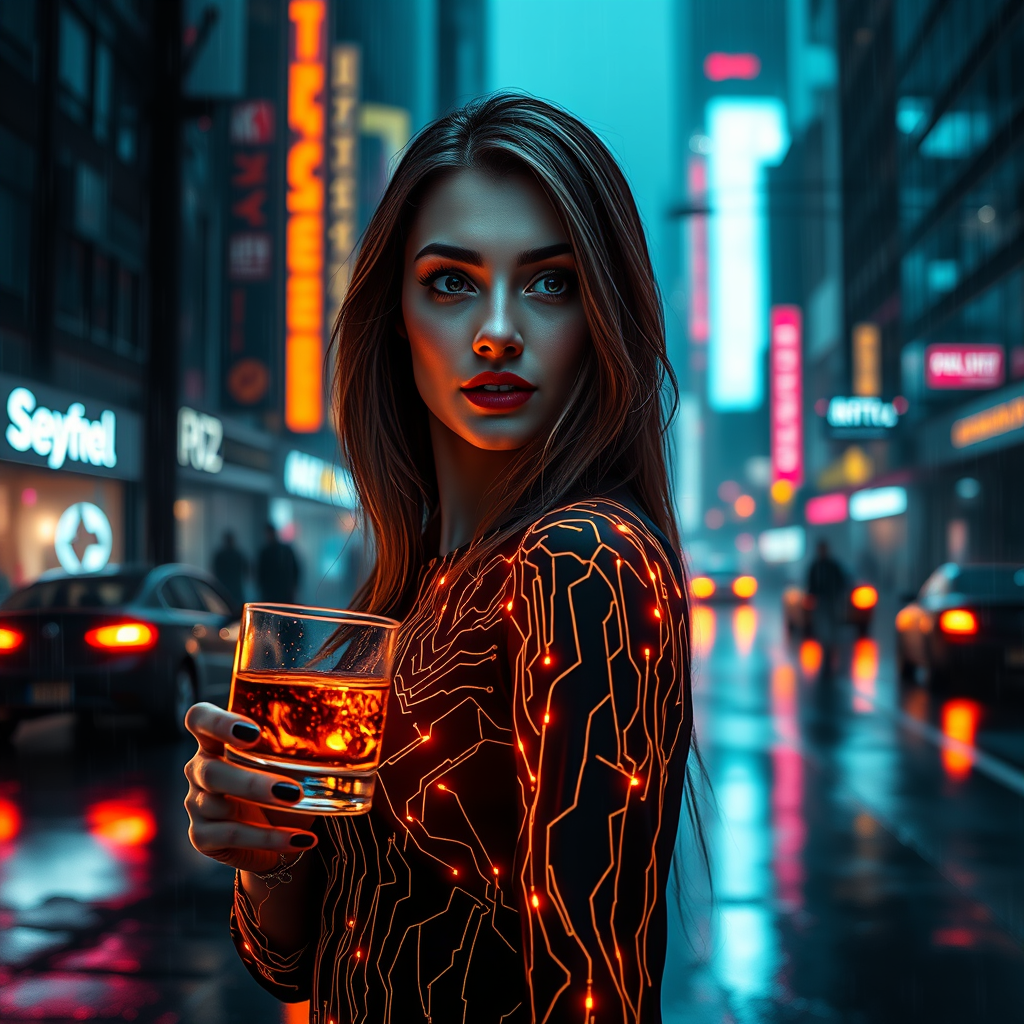
Where the cold precision of industrial steel meets the warmth of a liquid legacy
In the heart of the modern metropolis, a new aesthetic is rising from the shadows of the industrial age, blending the stark, unforgiving lines of machinery with the opulent warmth of high-end spirits. This movement, which we might call Gothic Machines, finds its soul in the interplay between deep obsidian textures and the radiant, liquid gold of a premium bourbon reserve. It is a design philosophy that rejects the sterile minimalism of the past decade in favor of something more visceral, grounded, and undeniably divine. By embracing the darkness of charcoal tones and the sharp edges of mechanical engineering, we create a sanctuary that feels both ancient and futuristic, a space where the sacred ritual of the pour meets the relentless pulse of the city.
The Architecture of Obsidian and Shadow
The foundation of this aesthetic lies in the deliberate use of deep, matte charcoal and obsidian surfaces that absorb light rather than reflecting it. This choice is not merely about color; it is about creating a sense of depth and mystery that invites the observer to look closer at the textures of the room. When we strip away the unnecessary brightness of traditional interiors, we allow the structural elements of the space to take center stage, much like the intricate gears of a vintage watch or the chassis of a high-performance vehicle. You can explore more about the psychology of color in interior design at ArchDaily to understand how these dark palettes influence human perception and mood.
By incorporating industrial materials such as blackened steel, raw concrete, and dark-stained reclaimed wood, we establish a dialogue between the machine and the earth. These materials carry a weight and a history that resonate with the gothic tradition, suggesting that the space has been carved out of the very bedrock of the urban landscape. It is a bold statement of permanence in a world that often feels transient and disposable. This is where the gothic machine aesthetic truly begins to take shape, grounding the inhabitant in a reality that is both tactile and profound.
Liquid Gold as the Divine Catalyst
If the obsidian environment represents the machine, then the vibrant amber and gold highlights represent the divine spark that animates it. A well-curated bourbon reserve serves as the focal point of this design, its rich, honeyed hues acting as a beacon of warmth against the cold, dark backdrop. The way light catches the liquid in a crystal decanter creates a prismatic effect, turning a simple drink into a ritualistic experience that feels almost liturgical. For those interested in the history and craft of fine spirits, the resources at Distillery Trail offer a deep dive into the artistry behind the bottle.
This contrast is essential to the female perspective on luxury, which often prioritizes sensory experience over mere display. We are not looking for the cold, untouchable perfection of a showroom, but rather the lived-in elegance of a space that celebrates the passage of time. The amber glow of the bourbon acts as a bridge between the mechanical rigidity of the surroundings and the organic, flowing nature of the spirit itself. It is a reminder that even in the most rigid of systems, there is room for beauty, indulgence, and the sacred act of slowing down to appreciate the finer things.
The Intersection of Engineering and Elegance
Integrating mechanical motifs into a luxury setting requires a delicate balance of form and function that honors the history of industrial design. Think of exposed brass piping, intricate gear-inspired hardware, and lighting fixtures that mimic the complexity of a combustion engine, all polished to a high sheen. These elements serve as a tribute to the ingenuity of the human spirit, acknowledging that our modern comforts are built upon the backs of mechanical innovation. By elevating these components to the status of art, we redefine what it means to live in a divine urban luxury environment.
This approach challenges the traditional gendered expectations of industrial design, which have historically been viewed as masculine or utilitarian. By softening the edges with plush velvet upholstery in deep plum or midnight blue, we create a space that is both powerful and inviting. The juxtaposition of hard metal and soft fabric creates a sensory tension that is inherently feminine in its complexity and nuance. It is a space designed for the woman who commands her own destiny, finding strength in the machine and solace in the glass.
Curating the Sacred Urban Sanctuary
To truly master the Gothic Machines aesthetic, one must be intentional about every object brought into the space. Every piece of furniture, every glass, and every bottle of bourbon should tell a story of craftsmanship and dedication to quality. This is not about accumulating wealth, but about curating a collection that reflects a personal philosophy of life and luxury. When you choose to invest in high-quality materials, you are participating in a tradition of excellence that transcends the fleeting trends of the fast-fashion world.
The lighting in such a space must be carefully calibrated to highlight the amber highlights while maintaining the integrity of the shadows. Using warm, low-intensity bulbs hidden within mechanical housings creates a dramatic, cinematic atmosphere that feels like a private club or a hidden cathedral. This bourbon reserve becomes more than just a storage space; it becomes a shrine to the art of distillation and the passage of time. By focusing on these details, you transform your home into a sanctuary that is both a fortress against the outside world and a gateway to a more refined existence.
Final Thoughts
The fusion of gothic darkness and mechanical precision with the golden warmth of luxury spirits offers a unique path for those seeking to define their own space in the urban landscape. It is a celebration of the duality of modern life, where we are simultaneously bound by the systems we create and liberated by the rituals we choose to perform. By embracing the obsidian tones and the sacred light of the pour, we create a home that is as intellectually stimulating as it is physically comforting. Ultimately, this aesthetic is a testament to the idea that luxury is not found in the absence of struggle, but in the ability to find beauty and divinity within the machinery of our daily lives. As we continue to navigate the complexities of the modern world, let us remember that our surroundings should be a reflection of our deepest values, our highest aspirations, and our most cherished moments of quiet reflection.